
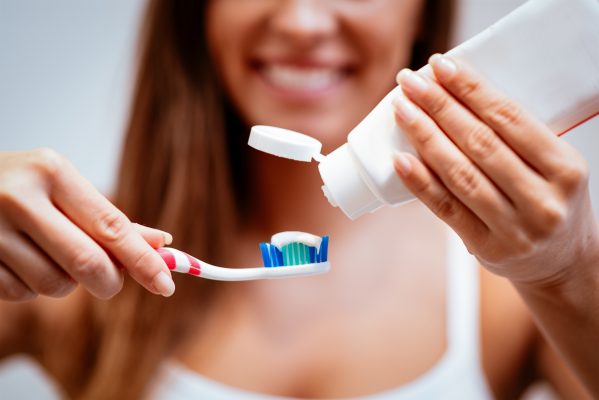
Dental Hygiene is often described as the foundation of preventive oral care, yet its scope extends far beyond routine cleaning. At its core, Dental Hygiene combines clinical skill, preventive science, behavioral education, and therapeutic support to maintain and improve oral health across all age groups. When paired with dental therapy, it becomes a dynamic field that bridges prevention and minimally invasive treatment.
In contemporary oral healthcare systems, Dental Hygiene professionals play a central role in early detection, periodontal care, and patient education. Rather than focusing solely on polishing teeth, the discipline integrates research on biofilm control, inflammation management, and long term oral disease prevention. Understanding how Dental Hygiene and therapy function together provides clarity about their scientific depth and societal value.
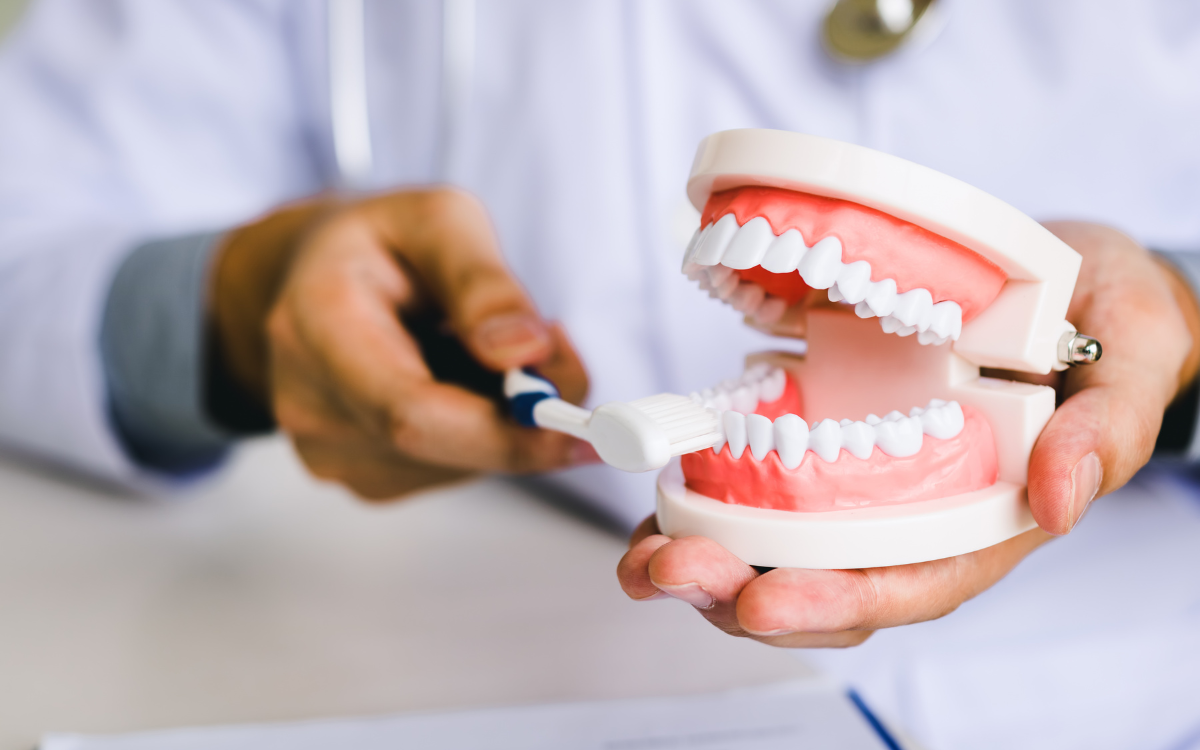
Each element of Dental Hygiene practice is guided by clinical evaluation rather than a one size fits all template. Individual oral anatomy, medical history, and lifestyle considerations influence procedural planning.
Technological advancements also shape the field. Ultrasonic instrumentation, digital periodontal charting, and magnification systems have improved precision. However, clinical judgment and tactile sensitivity remain irreplaceable aspects of professional expertise.
The Scientific Foundations of Dental Hygiene
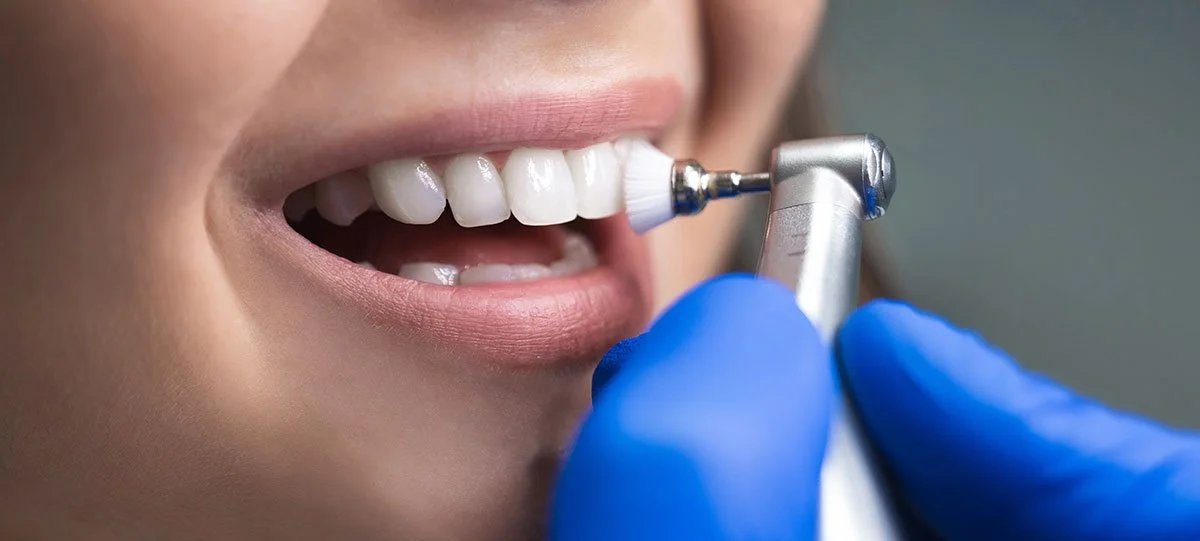
Dental Hygiene is grounded in microbiology, immunology, and preventive dentistry. The human oral cavity contains hundreds of microbial species that form structured communities known as biofilms. These biofilms, when not effectively managed, may contribute to caries and periodontal inflammation. Research in preventive oral health suggests that consistent biofilm disruption plays a significant role in maintaining gingival stability. Dental Hygiene professionals are trained to evaluate plaque accumulation, calculus formation, and gingival response. Their work is guided by periodontal assessment protocols that include probing depths, bleeding indices, and tissue evaluation. Importantly, Dental Hygiene does not operate in isolation. It interacts with nutrition science, systemic health research, and behavioral psychology. Increasing evidence indicates potential associations between oral inflammation and broader systemic conditions. While causality remains complex, preventive oral care is widely considered a meaningful component of overall wellness strategies.Preventive Care and the Expanding Role of Dental Hygiene
The preventive dimension of Dental Hygiene extends beyond scaling and polishing. It includes patient specific risk assessment, oral health education, and tailored maintenance planning. Risk based approaches consider factors such as smoking status, salivary flow, dietary patterns, and genetic predispositions. Modern Dental Hygiene protocols frequently incorporate:- Periodontal charting and monitoring
- Professional plaque and calculus removal
- Fluoride or remineralization applications
- Preventive sealant placement in selected cases
- Oral hygiene instruction customized to patient needs
Understanding the Therapeutic Dimension of Dental Hygiene
While prevention is central, Dental Hygiene also includes therapeutic components. Dental therapy expands the scope by incorporating certain restorative and minimally invasive procedures within defined regulatory frameworks. Therapeutic oral care may involve non surgical periodontal treatment, localized antimicrobial approaches, and monitoring of early carious lesions. In some regions, dental therapists are trained to provide basic restorative services under collaborative models. The integration of therapy within Dental Hygiene reflects an evolution in workforce design. By distributing preventive and early stage interventions across qualified professionals, healthcare systems may improve accessibility and continuity of care. This model supports early management rather than delayed intervention.Clinical Procedures in Dental Hygiene Practice
To better understand the scope of Dental Hygiene, the table below summarizes common clinical components:| Procedure | Purpose | Preventive or Therapeutic |
| Scaling and root planing | Biofilm and calculus removal | Therapeutic |
| Prophylaxis cleaning | Plaque control and polishing | Preventive |
| Periodontal assessment | Tissue health evaluation | Diagnostic |
| Fluoride application | Enamel support | Preventive |
| Sealant placement | Occlusal protection | Preventive |
Education, Training, and Professional Standards in Dental Hygiene
The academic pathway in Dental Hygiene typically combines biomedical sciences with clinical training. Coursework often includes anatomy, pathology, radiography principles, and preventive dentistry. Students also engage in supervised clinical practice to develop technical proficiency and patient communication skills. Professional standards emphasize ethical conduct, evidence informed decision making, and continuing education. Regulatory frameworks vary internationally, yet most systems require licensure and ongoing competency development. Research literacy is increasingly valued within Dental Hygiene education. Professionals are encouraged to interpret emerging data on periodontal therapy, caries prevention, and oral microbiome research. This scientific engagement ensures that patient care evolves alongside new evidence.
Dental Hygiene and Public Health Impact
Beyond individual appointments, Dental Hygiene contributes to public health initiatives. Community based programs often include school screenings, preventive education campaigns, and outreach for underserved populations. Epidemiological studies have shown that preventive oral health programs may reduce untreated caries prevalence in certain populations. Although socioeconomic variables significantly influence outcomes, structured oral health promotion remains a critical strategy. The public health dimension of Dental Hygiene highlights its societal relevance. Access to preventive care is associated with earlier detection of oral conditions, potentially reducing the burden of complex restorative treatments later.Patient Experience and Behavioral Aspects of Dental Hygiene
The success of Dental Hygiene interventions often depends on patient engagement. Behavioral science suggests that sustainable oral health habits are shaped by motivation, education, and reinforcement. During appointments, communication plays a central role. Visual aids, intraoral imaging, and personalized feedback may enhance understanding. Rather than delivering generic instructions, modern Dental Hygiene emphasizes collaborative goal setting. Anxiety management is another relevant factor. Some individuals associate dental environments with discomfort. A preventive focused visit, centered on assessment and gentle care, may contribute to a more positive perception of oral healthcare over time.The Evolving Future of Dental Hygiene and Therapy
The future of Dental Hygiene appears closely aligned with technological integration and interdisciplinary collaboration. Digital diagnostics, salivary testing, and data driven risk models are expanding preventive capabilities. At the same time, therapy oriented roles may continue to evolve within collaborative frameworks. Workforce research suggests that expanding preventive and minimally invasive services can support healthcare accessibility in growing populations. Despite technological progress, the essence of Dental Hygiene remains human centered. It relies on clinical skill, communication, and individualized care. Science provides the framework, but professional judgment shapes real world application.Why Dental Hygiene Matters
Dental Hygiene represents far more than routine cleaning. It is a preventive and therapeutic discipline grounded in microbiology, clinical assessment, and patient education. By addressing biofilm management, periodontal monitoring, and early intervention strategies, Dental Hygiene supports long term oral stability. As healthcare systems continue to emphasize prevention, the role of Dental Hygiene becomes increasingly significant. It bridges scientific research and daily practice, offering structured yet adaptable care pathways. Understanding this field allows individuals to better appreciate how preventive oral care contributes to overall well being.Get Your Free Consultation
Have questions? Leave your details and we'll get back to you as soon as possible.
Get Free Consultation