
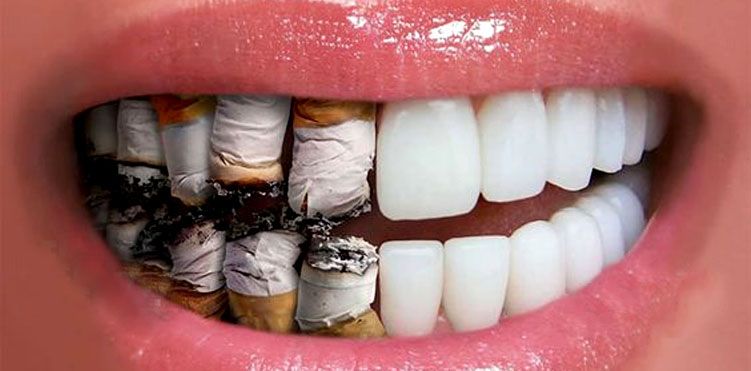
Bleeding Gums are often dismissed as a minor inconvenience, something that happens after brushing too hard or skipping floss for a few days. Yet when tobacco enters the picture, the story becomes more complex and far more intriguing. At ClinicHI, we frequently encounter patients who are surprised to learn that smoking does not simply irritate the mouth, it can fundamentally alter how gum disease develops and how Bleeding Gums present themselves.
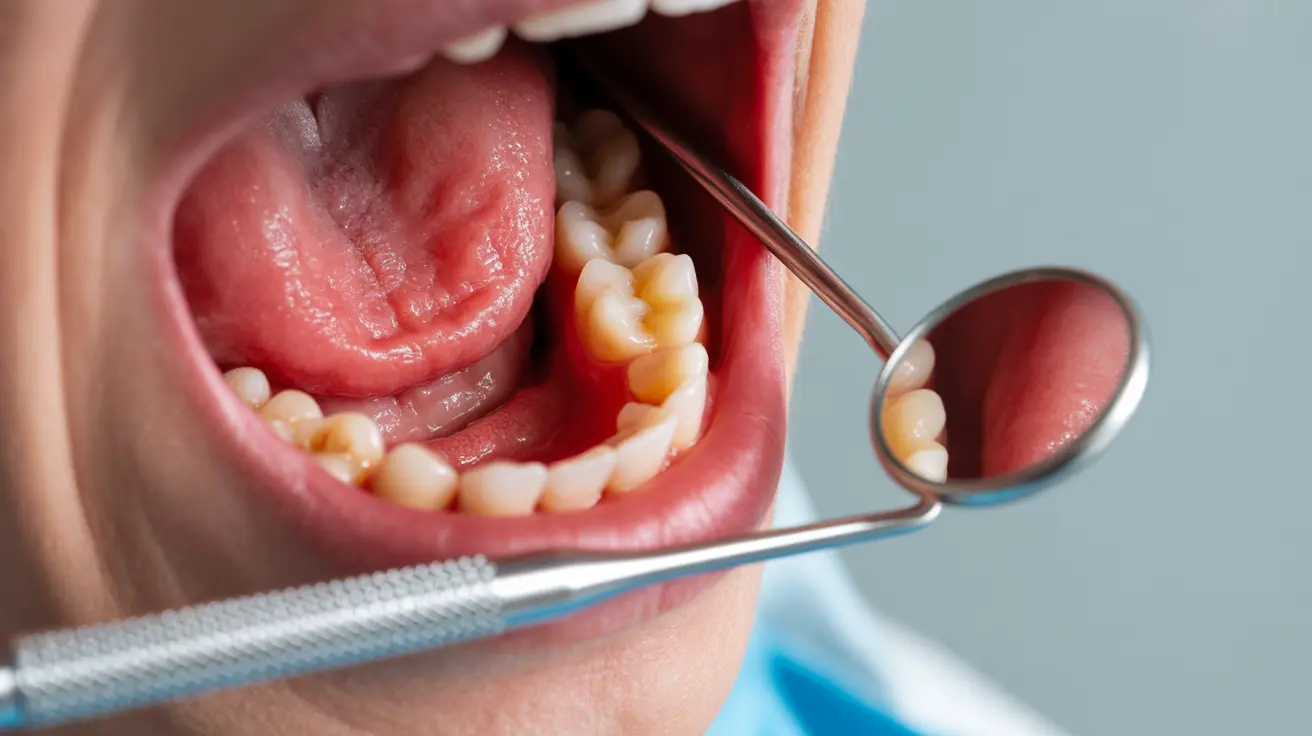
Although Bleeding Gums may appear less frequently in smokers during early inflammation, the bacterial burden can be higher. Over time, this can translate into deeper periodontal pockets and connective tissue breakdown.
Interestingly, former smokers often report an increase in Bleeding Gums shortly after cessation. This does not necessarily mean worsening disease. Instead, it can reflect the restoration of normal blood flow and inflammatory signaling.
How Smoking Changes the Biology Behind Bleeding Gums
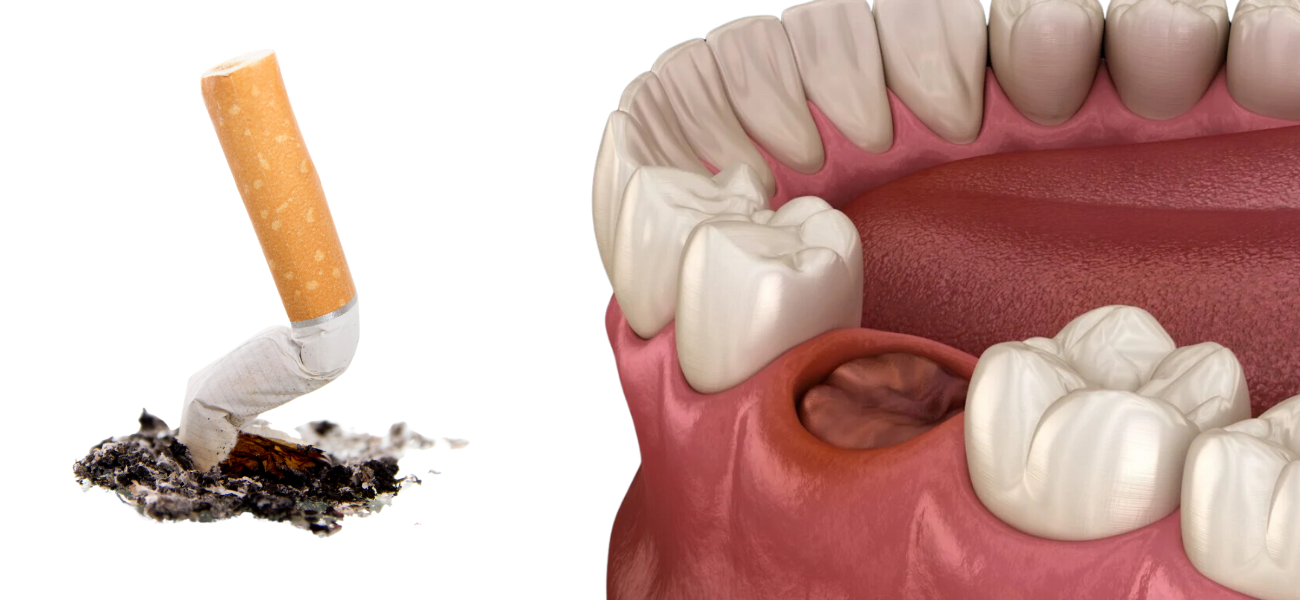
When we think about Bleeding Gums, we often associate them with inflammation. Healthy gum tissue is rich in blood vessels. When plaque accumulates along the gumline, the body responds with an inflammatory reaction. Blood flow increases, capillaries dilate, and minor mechanical contact can lead to bleeding. Smoking disrupts this natural process in several ways. Nicotine acts as a vasoconstrictor, narrowing blood vessels and reducing circulation in the gingival tissues. Paradoxically, this means smokers may experience less visible bleeding even when inflammation is present. In other words, the absence of bleeding does not always equal health. Research published in periodontal journals consistently shows that smokers may exhibit more severe periodontal destruction despite reporting fewer symptoms like Bleeding Gums. The underlying tissue damage can progress quietly, masked by reduced blood flow.Why Bleeding Gums May Be Less Noticeable in Smokers
It may sound counterintuitive, but smoking can suppress overt signs of Bleeding Gums. Because nicotine reduces vascular permeability, the gums do not bleed as readily during brushing or probing. This altered inflammatory response can create a misleading clinical picture. From a biological perspective, smoking impairs neutrophil function and disrupts cytokine balance. The immune system becomes less efficient at combating bacterial biofilm. As a result, periodontal pathogens can thrive below the gumline, even if Bleeding Gums are not immediately apparent. This masking effect is one reason dental professionals often view smoking as a major risk factor in periodontal assessment. The absence of bleeding does not necessarily indicate resilience. Instead, it may signal suppressed inflammatory expression.The Link Between Smoking, Plaque, and Bleeding Gums
Dental plaque is the primary etiological factor behind gingivitis and periodontitis. In smokers, plaque accumulation tends to be more pathogenic. Studies suggest that tobacco use alters the oral microbiome, increasing the prevalence of anaerobic bacteria associated with advanced gum disease. Here is a simplified comparison:| Factor | Non Smokers | Smokers |
| Blood Flow to Gums | Normal | Reduced |
| Visible Bleeding | Common in Gingivitis | Often Reduced |
| Periodontal Pocket Depth | Moderate | Often Greater |
| Healing Response | Predictable | Compromised |
Systemic Implications of Bleeding Gums in Smokers
The mouth does not function in isolation. Chronic gum inflammation has been associated with systemic conditions such as cardiovascular disease and metabolic disorders. When smoking is combined with persistent Bleeding Gums, the inflammatory load may increase. Tobacco smoke contains thousands of chemical compounds, many of which promote oxidative stress. Oxidative stress can damage endothelial cells and amplify inflammatory cascades. In the presence of gum disease, bacterial byproducts may enter the bloodstream more easily through inflamed tissues. Although research continues to evolve, several large scale studies have observed correlations between smoking, periodontal inflammation, and systemic biomarkers of inflammation. Bleeding Gums can therefore be viewed as a potential sign of broader inflammatory activity, particularly in tobacco users.
Behavioral Factors That Worsen Bleeding Gums in Smokers
Beyond biology, behavior also plays a role. Smoking is often associated with lifestyle patterns that may influence oral hygiene habits. Some individuals who smoke report less frequent dental visits or inconsistent oral care routines. Consider these interconnected factors:- Reduced salivary flow in heavy smokers
- Increased calculus formation
- Altered taste perception leading to reduced oral sensitivity
- Delayed perception of Bleeding Gums symptoms
Research Insights on Smoking and Bleeding Gums Progression
Epidemiological surveys consistently show higher rates of periodontal attachment loss among smokers. The risk appears dose dependent, meaning heavier smoking correlates with more severe tissue destruction. Longitudinal studies have suggested that smokers are two to six times more likely to develop advanced periodontal disease compared to non smokers. Interestingly, while Bleeding Gums are a hallmark of gingivitis in non smokers, they are not always a reliable early marker in smokers. This distinction highlights an important clinical nuance. In smokers, disease progression may outpace visible inflammation. Consequently, dental examinations often rely on probing depth, radiographic bone levels, and tissue texture rather than bleeding alone. At ClinicHI, our clinical philosophy emphasizes comprehensive evaluation rather than symptom based assumptions. Bleeding Gums are interpreted within a broader biological and behavioral context.Can Bleeding Gums Improve After Quitting Smoking?
Smoking cessation introduces a fascinating shift in oral physiology. As nicotine exposure decreases, blood vessels gradually regain their normal diameter. Circulation improves, and immune function begins to recalibrate. In the early weeks after quitting, some individuals notice increased Bleeding Gums during brushing. While this may cause concern, it can indicate the return of a more typical inflammatory response. Restored blood flow allows the gums to react visibly to bacterial irritation. Over time, with consistent oral hygiene and professional monitoring, inflammation markers often decrease. Former smokers who maintain strong plaque control frequently demonstrate improved periodontal stability compared to active smokers. The trajectory is not identical for everyone. Duration of prior smoking, genetic predisposition, and systemic health all influence outcomes. Still, research suggests that quitting can significantly alter the long term risk profile associated with Bleeding Gums and periodontal breakdown.Understanding Bleeding Gums Through a Smoking Lens
Bleeding Gums are more than a surface symptom. In smokers, they represent a complex interplay between vascular suppression, immune modulation, microbial shifts, and behavioral patterns. The absence of bleeding does not always signal health, and its presence does not always indicate severity without context. By examining how smoking reshapes the inflammatory landscape of the mouth, we gain a deeper understanding of periodontal dynamics. At ClinicHI, we approach Bleeding Gums not as an isolated complaint, but as a window into systemic and lifestyle influences that shape oral health outcomes. In the end, the relationship between smoking and gum health is both subtle and profound. Awareness of this connection empowers individuals to interpret symptoms more accurately and engage in informed discussions about their oral wellbeing.Get Your Free Consultation
Have questions? Leave your details and we'll get back to you as soon as possible.
Get Free Consultation