
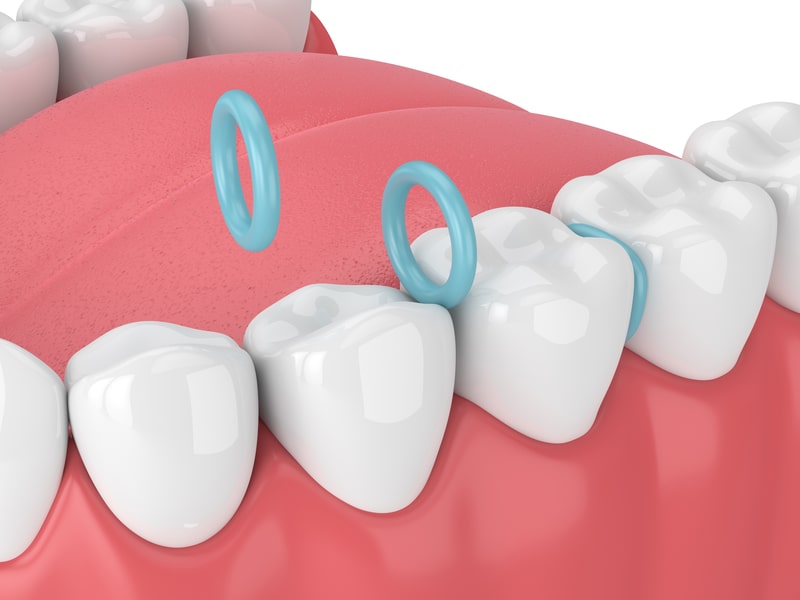
Orthodontic dentistry often involves small but essential tools, and one of the most underestimated among them is the Tooth Spacer. Although tiny in size, a spacer plays a structured role in preparing the mouth for controlled tooth movement. Many patients wonder why dentists place these separators, how long they stay in the mouth and what kind of biomechanical logic they rely on. This article explores the science, purpose and detailed mechanics behind spacers while offering a broader look at how they contribute to treatment planning.
Understanding the Basic Purpose of a Tooth Spacer
A Tooth Spacer is primarily used in orthodontics to create small openings between teeth before applying specific components such as bands or rings. While the function appears simple, the background mechanism is more complex. Teeth sit in the bone surrounded by ligaments that allow micro mobility. A spacer takes advantage of this structure by gently encouraging a temporary separation between selected teeth. This opening is not meant to change the smile or alignment but to make room for the next phase of the treatment. Depending on the patient’s anatomy and dental goals, this process can last a few days or slightly longer. The spacer works through applied pressure that remains mild yet steady, which is why some individuals describe it as noticeable but tolerable.How Tooth Spacer Pressure Interacts With Oral Anatomy
When a Tooth Spacer applies low level pressure, it interacts with the periodontal ligament, a thin but highly active tissue. This tissue responds to pressure by allowing the tooth to shift very slightly within its space. The movement is small enough not to affect appearance, yet large enough to create the gap required for orthodontic components. The interaction between spacer pressure and ligament elasticity demonstrates how orthodontics relies on natural biological responses rather than forceful manipulation. The tooth adjusts gradually, which keeps the process predictable. Although the concept may seem straightforward, this response system has been studied for decades to optimize comfort and consistency in treatment planning.Different Types of Tooth Spacer Materials and Why They Matter
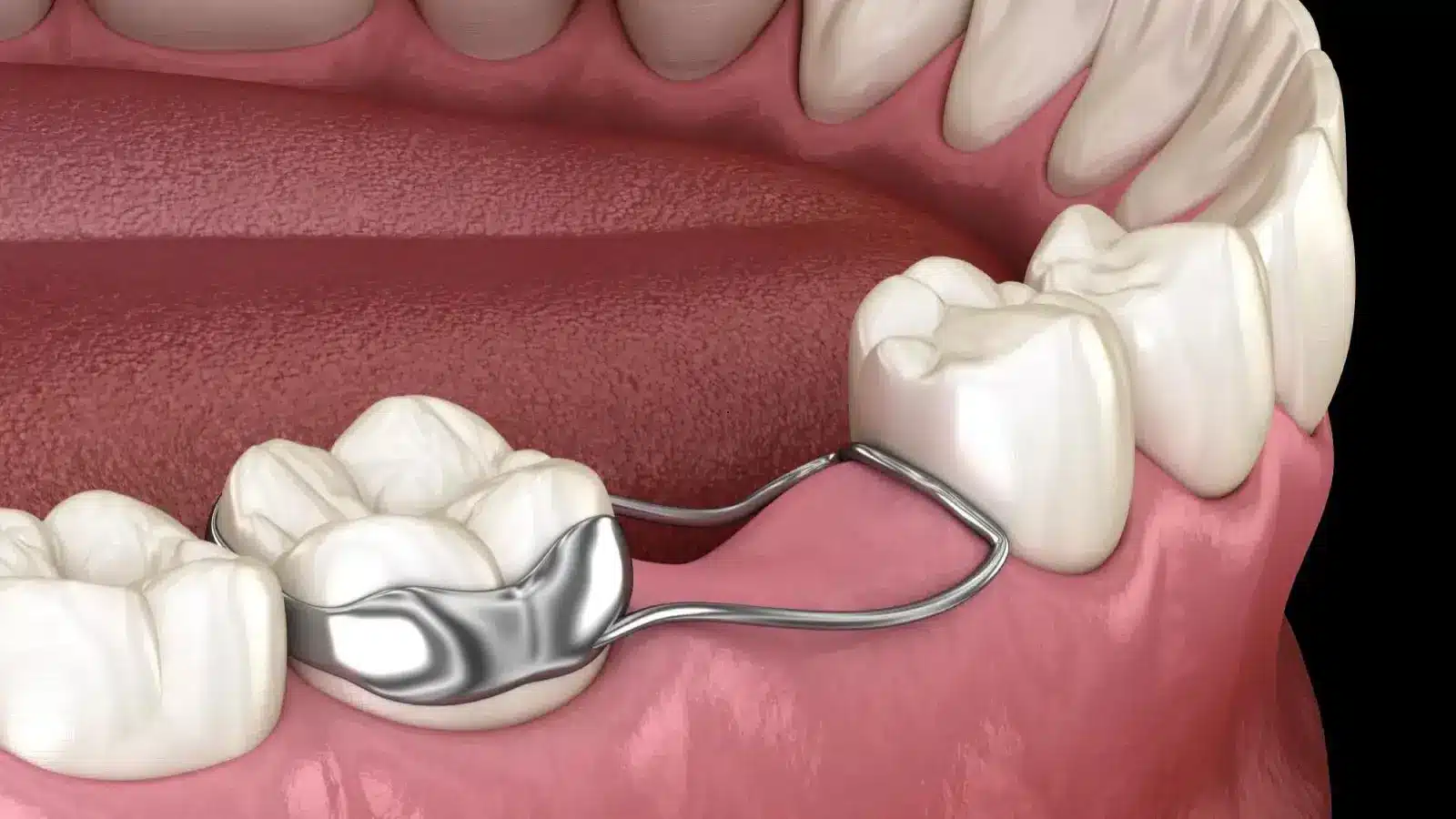
Not all spacers are identical. A typical Tooth Spacer used in clinics may be made of elastic material, metal or a small rubber ring. Each has specific benefits depending on the patient’s condition. Elastic separators are flexible and adapt well to minor irregularities. Metal versions offer a firmer separation for cases where a tighter space is needed. Some orthodontic studies suggest that certain materials maintain pressure more evenly over time. Others focus on the shape and how easily the separator can be placed without irritating the gumline. The choice of material depends on several elements including tooth position, planned equipment and the expected duration of usage.Clinical Scenarios Where a Tooth Spacer Becomes Necessary
Dentists typically place a Tooth Spacer before fitting orthodontic bands or other components that need a small and stable gap. These scenarios vary from routine orthodontic preparations to more complex cases involving limited space in the dental arch. The spacer essentially works as a setup tool, ensuring the next step can be carried out with accuracy. In some patients, teeth are naturally positioned very close to one another, which makes it difficult for the dentist to place metal rings around molars. The spacer solves this problem by guiding the creation of a predictable micro gap. This prevents unnecessary pressure during band placement and contributes to a smoother clinical experience.
How a Tooth Spacer Feels Inside the Mouth
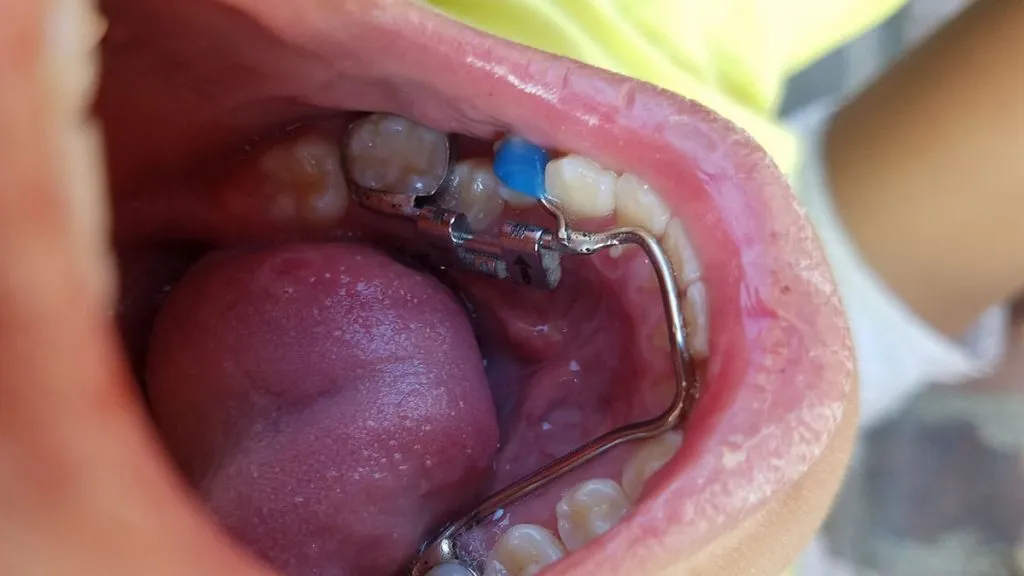
Many patients describe the sensation of a Tooth Spacer as similar to having food caught between the teeth. This comparison is common because the spacer sits in the same space where food particles often lodge. The pressure may feel strange at first but tends to become more familiar within a short time. The level of awareness varies from person to person. Some feel mild sensitivity, while others notice only slight pressure. The sensation is temporary, and as the teeth adapt, the feeling usually reduces. Understanding this helps patients manage expectations and reduces anxiety about the process.Biomechanical Principles Behind Tooth Spacer Movement
The movement created by a Tooth Spacer follows well studied biomechanical rules. Teeth do not sit rigidly inside the jawbone. Instead, they are suspended in a complex matrix of fibers and tissues. When gentle pressure is applied, the ligament structure allows a highly controlled shift that is part biological adaptation and part mechanical guidance. This principle is central to orthodontics as a field. The idea that steady, low level pressure can reshape tooth position is the foundation for braces and aligners. A spacer uses the same principle but on a smaller and more localized scale. The predictability of this mechanism has been documented across a wide range of orthodontic research.Duration Variables in Tooth Spacer Application
A Tooth Spacer typically remains in place for a limited period, often a few days, but the duration can change depending on tooth density, spacing resistance and the demands of the next procedural step. Some patients may require more time for sufficient separation, especially if the teeth are tightly aligned. Dentists evaluate space creation at follow up appointments. If the target gap has been achieved, the spacer is removed and the next device is placed. If the gap is insufficient, the dentist may keep the spacer in slightly longer or switch to a different material. These decisions are part of customizing orthodontic care.Common Misconceptions About Tooth Spacers
One widely held assumption is that a Tooth Spacer is meant to straighten teeth. In reality, its purpose is not cosmetic alignment but creating temporary space for other components. Spacers do not change smile aesthetics nor do they replace orthodontic systems like braces or aligners. Another misconception is that spacers cause tooth loosening. This is not accurate. The slight mobility experienced during pressure application is part of the tooth’s natural physiology. The spacer does not weaken the roots or compromise long term dental stability. Drawing a clear line between perception and biological function helps patients understand the true role of spacers.Tooth Spacer Interaction With Surrounding Structures
When a Tooth Spacer is placed, it does more than simply push teeth apart. The soft tissues, bone architecture and periodontal ligament all engage in a coordinated response. Research in dental biomechanics shows that even minimal pressure can trigger cellular activity within the ligament. This activity is temporary and reversible, yet it is vital for creating enough room for orthodontic bands. Because the spacer relies on natural tissue flexibility rather than forced movement, the surrounding structures return to their normal state after the orthodontic component is placed. This makes the process predictable for clinicians who need stable conditions while fitting metal bands or designing more complex treatment plans.How Tooth Spacers Support Orthodontic Planning
A Tooth Spacer is not an isolated tool. It functions as part of a broader strategy. Orthodontists rely on precise measurements, radiographic evaluations and digital planning. The spacer helps ensure that the mechanical elements of the treatment can be positioned with accuracy. If the bands do not fit correctly, the entire system can lose its intended stability. Modern orthodontic workflows often integrate spacers with digital modeling. For instance, before placing molar bands that anchor wires or aligner attachments, the specialist ensures that the spacer has generated the required width. This structured approach supports both comfort and predictability, contributing to smoother progress with braces or other corrective devices.Comparing Tooth Spacers With Other Pre Orthodontic Tools
Not every treatment requires a Tooth Spacer, but when needed, it performs a unique function distinct from other preparatory devices. For example, interproximal reduction, another spacing technique, removes minimal enamel instead of pushing the teeth apart. Temporary expanders, on the other hand, target jaw width rather than individual tooth spacing. These comparisons highlight the specific, localized purpose of a spacer. Its goal is not to reshape the entire dental arch but to provide a targeted space that enables precise placement of orthodontic hardware. Understanding these differences helps patients appreciate why spacers are chosen in certain cases but not others.Patient Adaptation and Everyday Function With a Spacer
Living with a Tooth Spacer for a few days often raises questions about daily comfort. Many individuals adapt quickly, while others become more aware of the separator during chewing or brushing. The awareness is expected, as the mouth recognizes any new object. This does not indicate a problem; it simply reflects the natural sensory response of oral tissues. Soft foods may feel easier during the adjustment period, though dietary changes are rarely required. Most patients continue their routine normally, with only minor awareness of the pressure in the affected area. Brushing around the spacer should remain gentle yet thorough.Long Term Value of Tooth Spacers in Orthodontic Stability
Even though a Tooth Spacer remains in place for a short time, its contribution to long term orthodontic success is measurable. Without proper spacing, molar bands cannot sit flush against the tooth surface. Poor fit may lead to unwanted micro movement during treatment, which can compromise alignment or increase discomfort. By ensuring the band fits securely, the spacer helps maintain system stability. This strengthens the foundation for subsequent steps, whether those steps involve wires, brackets or other corrective devices. The spacer’s temporary role becomes part of a long term strategy that supports balanced dental movement.The Subtle Importance of a Simple Tool
A Tooth Spacer may seem like a minor element in orthodontic care, yet its impact is significant. It allows dentists to prepare the mouth for devices that demand precision. It works with the body’s natural tissues rather than against them. It creates a controlled environment that sets the tone for the success of later stages. From a scientific perspective, the spacer reflects how dentistry often relies on minimal interventions to achieve greater structural harmony. Its role is subtle, temporary and essential. Understanding its purpose helps patients approach orthodontic treatment with greater clarity and confidence.Get Your Free Consultation
Have questions? Leave your details and we'll get back to you as soon as possible.
Get Free Consultation