
Maintaining Healthy Teeth is a long term commitment shaped by daily choices, biological factors, and evolving dental research. Although the idea of caring for your smile may sound straightforward, achieving lifelong dental stability requires understanding how habits influence the mouth’s natural environment.
Why Building Healthy Teeth Habits Early Matters
Developing Healthy Teeth routines during childhood can create long lasting behavioral patterns. Observational studies on habit formation suggest that early repetition helps the brain categorize oral care behaviors as default actions, making consistent maintenance easier in adulthood. Early formed habits also influence the diversity of oral bacteria. Since bacterial composition changes with age, a structured oral care routine may help stabilize the environment that supports durable tooth surfaces and efficient chewing. These patterns do not guarantee outcomes, but they help explain why early awareness is often linked to better long term oral well being.Daily Routines That Support Strong and Healthy Teeth
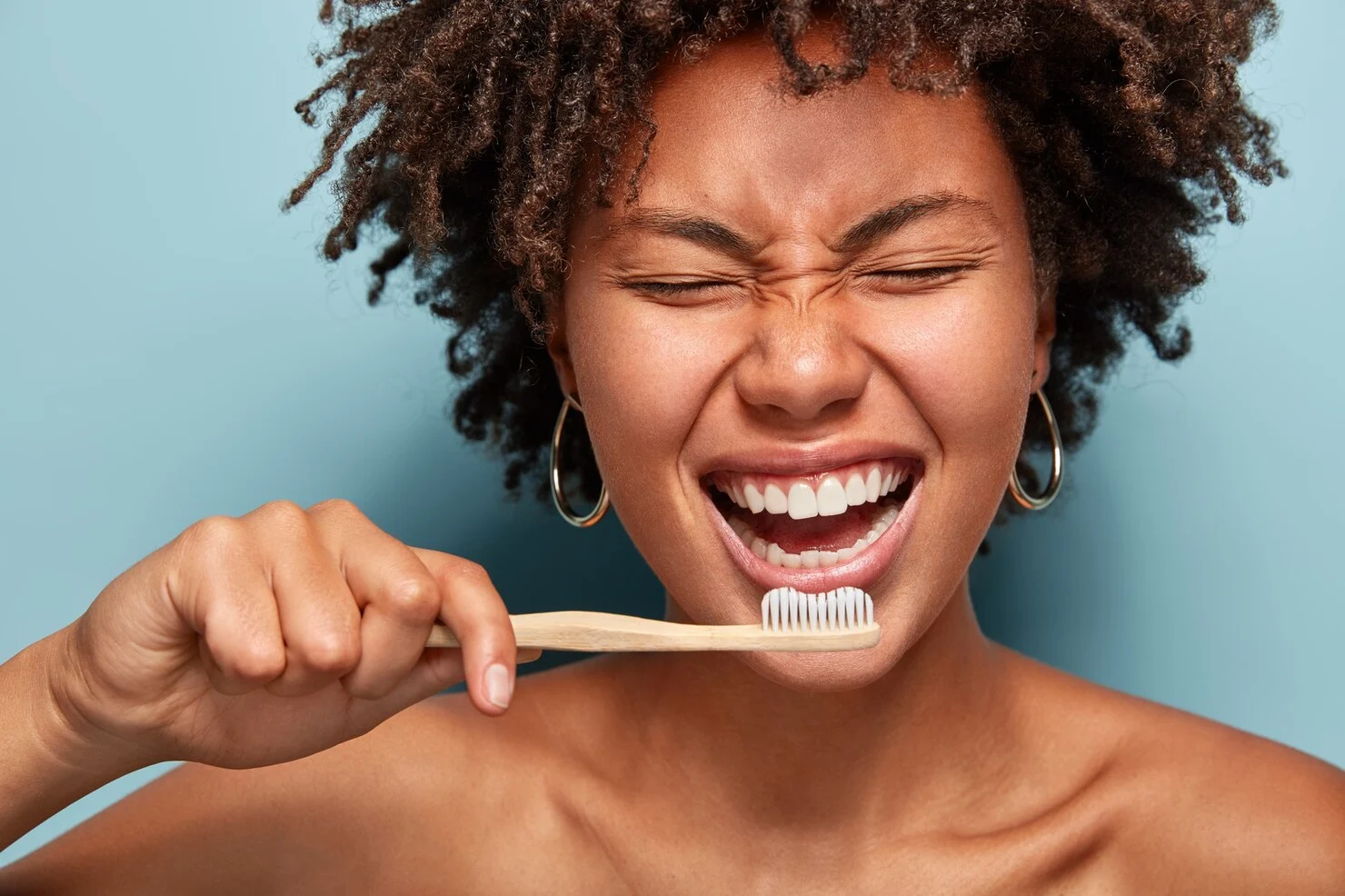
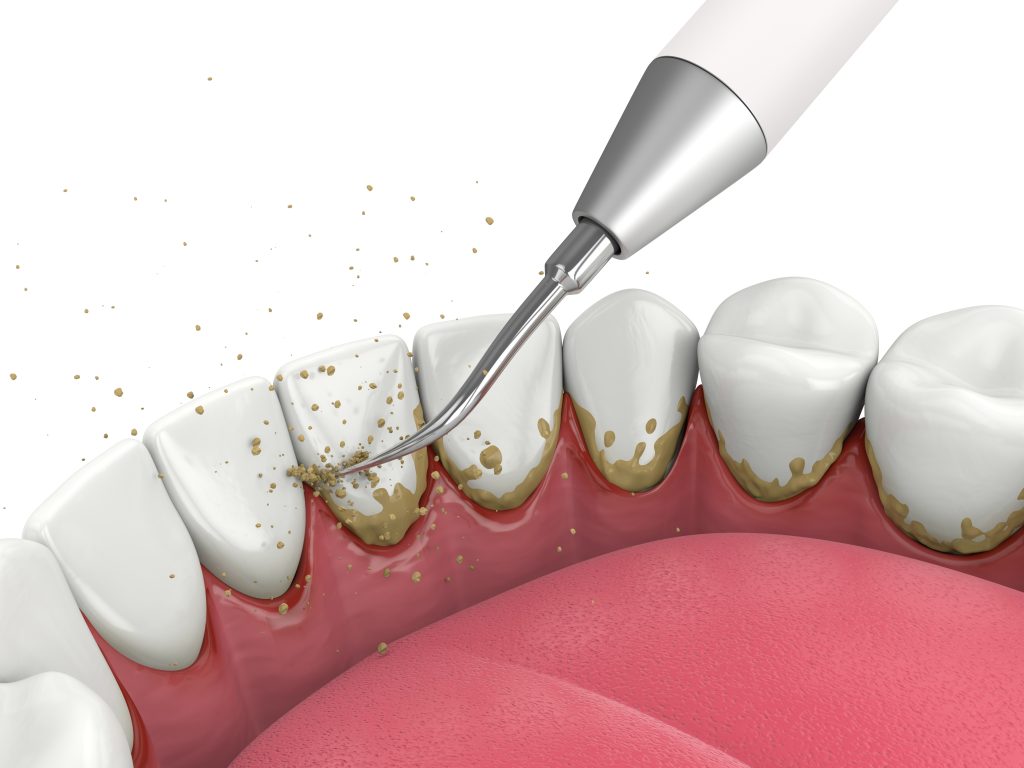
Genuine protection of Healthy Teeth begins with simple daily actions. Research on oral hygiene behaviors highlights how these routines shape microbial balance, surface cleanliness, and the mineral stability of enamel. Brushing, flossing, and rinsing operate not just as mechanical cleaners but also as regulators of oral ecology. Modern analyses show that flossing can alter microbial colonies in interdental areas while brushing affects plaque accumulation on smooth surfaces. Mouth rinses may reduce bacterial load temporarily, which some individuals find helpful for maintaining freshness and comfort. A simplified overview of possible effects is shown below.| Routine | Potential Mechanism | Possible Outcome |
| Brushing | Reduces plaque formation | Cleaner enamel and better surface clarity |
| Rinsing | Temporarily lowers bacterial density | Fresher breath and balanced flora |
| Flossing | Removes interdental build up | Lower risk of localized decay |
Nutrition and Its Impact on Healthy Teeth Structure
Eating patterns influence Healthy Teeth through chemical and physical interactions. Foods vary in acidity, fiber content, and texture, which may affect the mouth’s pH levels and stimulate saliva flow. Saliva itself is an important natural buffer that helps protect tooth surfaces from rapid environmental changes. Frequent consumption of sugary snacks may temporarily increase acidity, creating conditions that can weaken enamel. High fiber foods, on the other hand, often require more chewing, which stimulates saliva flow and may support a cleaner oral environment. Two common observations in nutritional research include • High frequency snacking is linked with increased acidity exposure • Balanced meals often help stabilize natural saliva flow
Behavior Patterns That Influence Healthy Teeth Over Time
Human behavior shapes dental strength in overlooked ways. Stress levels, sleep cycles, and eating times can all impact Healthy Teeth by altering hormonal balance and saliva production. These influences are not direct causes of dental issues, but they interact with the oral cavity’s natural chemistry. For instance, stress is often associated with clenching or grinding behaviors, which may create wear on enamel surfaces. Irregular sleep routines may reduce nighttime saliva flow, leading to dryness and a sense of oral discomfort. Understanding these behavioral patterns can help individuals identify why their oral environment changes during demanding periods of life.Modern Dental Technologies and Their Role in Preserving Healthy Teeth
New technologies have changed how clinicians monitor Healthy Teeth and track gradual changes. Digital scanning tools, laser based surface analysis devices, and intraoral sensors offer deeper insights into enamel texture, plaque distribution, and behavioral patterns such as nighttime grinding. These innovations are often grouped into three categories- Digital scanning technologies
- Light or laser based diagnostic systems
- Smart sensors that track oral conditions over time
Lifelong Strategies for Maintaining Strong and Healthy Teeth
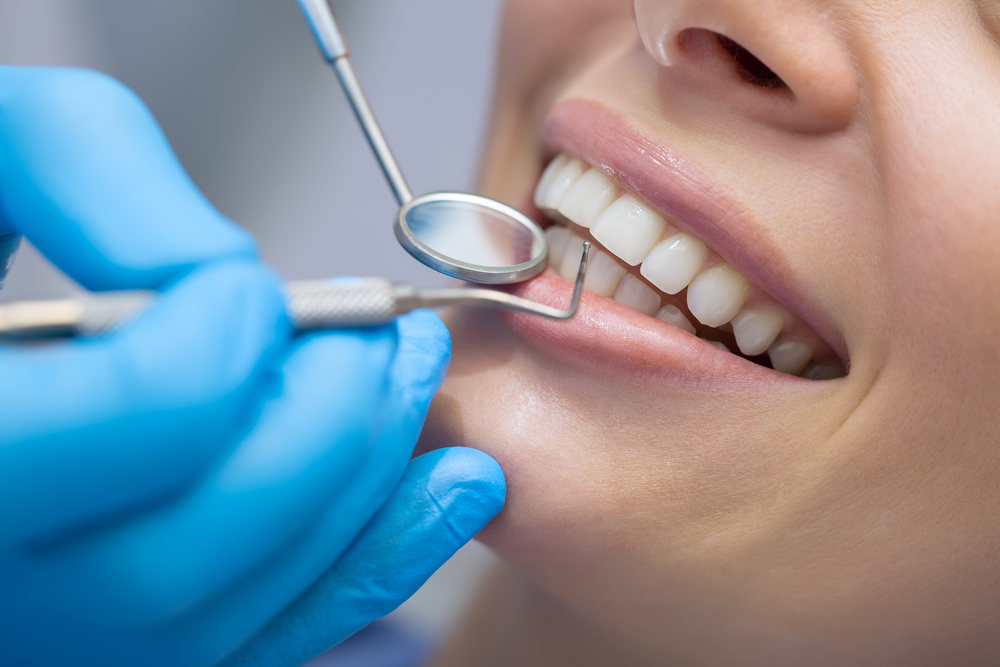
Protecting Healthy Teeth across decades requires more than a single consistent action. A lifelong strategy includes awareness of nutritional patterns, behavior monitoring, and routine evaluation of oral changes. These elements together create a more adaptive and sustainable oral care framework. Commonly observed long term strategies include • Regular professional evaluations • Increased awareness of daily habits • Personalized oral care routines tailored to lifestyle and comfort Such an approach allows individuals to understand their own patterns and adapt them as needed over time. The journey toward Healthy Teeth relies on a combination of habits, awareness, and thoughtful adaptation. Strong enamel, balanced oral bacteria, and stable daily routines come together to support long term oral comfort and function. While no single behavior ensures perfect outcomes, understanding how various factors interact offers a more holistic perspective. This guide is not medical advice but a collection of scientific observations and practical insights designed to answer common questions with clarity and depth.Get Your Free Consultation
Have questions? Leave your details and we'll get back to you as soon as possible.
Get Free Consultation