
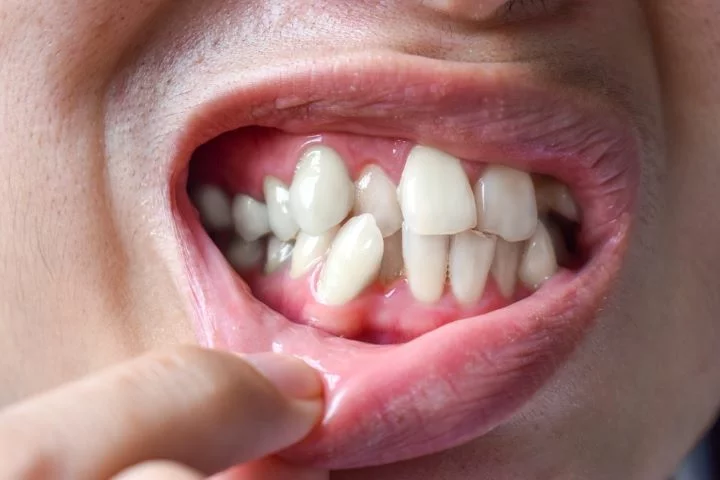
Supernumerary Teeth is a term that immediately sparks curiosity, especially for people who notice something unusual in their dental structure. In its simplest sense, Supernumerary Teeth refers to the presence of extra teeth beyond the normal dental formula. While this condition is not extremely common, it has fascinated dentists, researchers, and patients for decades due to its complex biological background and varied clinical presentations.
From an anatomical and developmental perspective, Supernumerary Teeth offers an excellent window into how human dentition forms and sometimes deviates from its usual pattern.
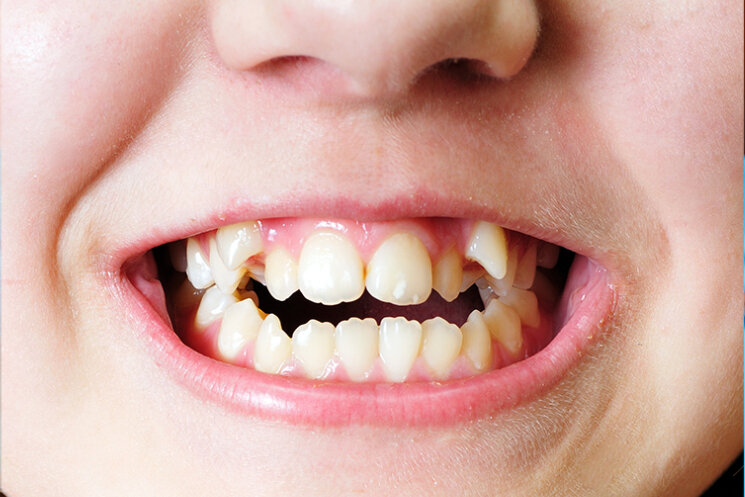
 It is important to note that not every case of Supernumerary Teeth leads to noticeable changes. Many documented cases describe individuals who remain unaware of the condition until a radiographic examination reveals it. This variability is one of the reasons why the condition continues to attract academic interest.
Understanding Supernumerary Teeth in Human Dentition
To understand Supernumerary Teeth, it helps to first recall what normal dentition looks like. Humans typically develop 20 primary teeth and later 32 permanent teeth. When additional teeth appear beyond these numbers, the condition is categorized as Supernumerary Teeth. Scientifically, these extra teeth may resemble normal teeth in shape and size, or they may appear smaller, irregular, or conical. Dental literature often refers to them as hyperdontia, a synonym that is frequently used in academic research and diagnostic discussions. Despite different terminology, the underlying concept remains the same: an increase in tooth number beyond the standard count. From a biological viewpoint, Supernumerary Teeth is believed to originate during the early stages of tooth development. Research suggests that localized hyperactivity of the dental lamina may play a role, although genetic and environmental factors are also frequently discussed in scientific studies.Common Types of Supernumerary Teeth Explained
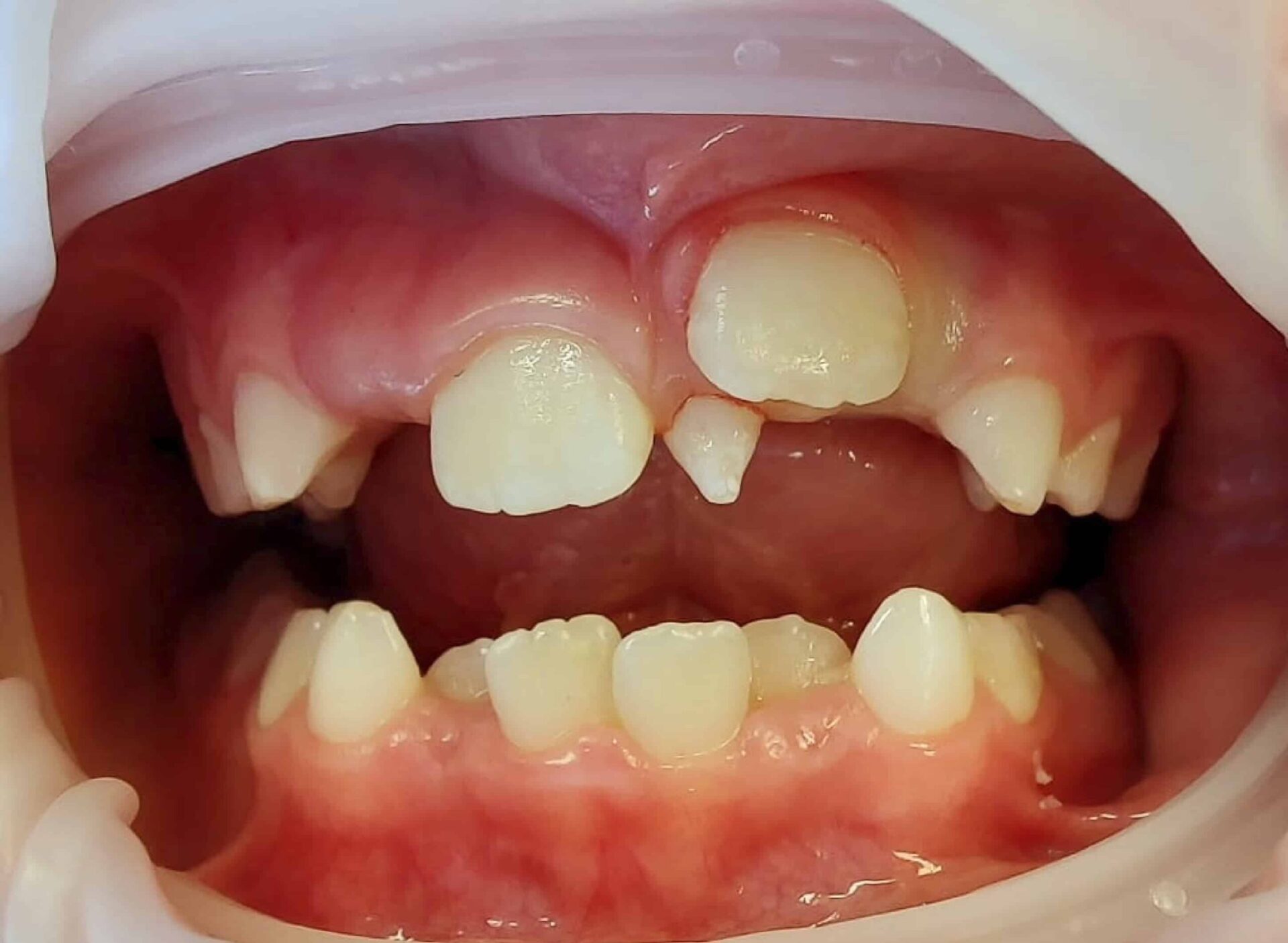
When discussing Supernumerary Teeth, classification becomes essential. Dentists and researchers categorize these extra teeth based on their shape, location, and orientation within the jaw. One commonly referenced type is the mesiodens. This form of Supernumerary Teeth typically appears between the two upper front teeth and is among the most studied variations. Another recognized category includes paramolars and distomolars, which appear near or behind molars. Shape-based classifications are equally important. Some Supernumerary Teeth look nearly identical to natural teeth, making detection more challenging. Others are rudimentary in form, appearing peg-shaped or tuberculate. These morphological differences often influence how the condition is identified during routine dental imaging or examinations. Understanding these types helps clarify why Supernumerary Teeth can present so differently from one individual to another, adding to its complexity and intrigue.Why Do Supernumerary Teeth Occur?
The origins of Supernumerary Teeth have been widely discussed in dental research. While no single cause has been universally accepted, several theories offer compelling explanations. Genetic predisposition is often highlighted in studies, especially when Supernumerary Teeth appears alongside certain syndromes or runs in families. Developmental disturbances during odontogenesis are another frequently cited factor. In these cases, the tooth-forming tissues may receive signals that result in the creation of additional tooth buds. Environmental influences are also considered, although evidence remains less definitive. What remains clear is that Supernumerary Teeth is not the result of a single mechanism but rather a combination of genetic, molecular, and developmental influences interacting over time.Potential Effects of Supernumerary Teeth on Oral Structure
The presence of Supernumerary Teeth can influence oral anatomy in multiple ways. In some individuals, these extra teeth remain unerupted and unnoticed for years. In others, they may alter the alignment or spacing of surrounding teeth. From a structural standpoint, Supernumerary Teeth can sometimes contribute to crowding, delayed eruption of permanent teeth, or unexpected spacing patterns. Dental imaging studies frequently show that the impact varies significantly depending on the position and orientation of the extra tooth.
It is important to note that not every case of Supernumerary Teeth leads to noticeable changes. Many documented cases describe individuals who remain unaware of the condition until a radiographic examination reveals it. This variability is one of the reasons why the condition continues to attract academic interest.
Diagnostic Approaches for Supernumerary Teeth
Identifying Supernumerary Teeth often involves a combination of visual assessment and imaging technologies. Traditional dental X-rays have long been used to detect extra teeth, especially those that remain embedded in the jawbone. More recently, advanced imaging methods such as cone beam computed tomography have enhanced the ability to visualize Supernumerary Teeth in three dimensions. These tools allow clinicians and researchers to analyze the precise position and morphology of extra teeth with remarkable accuracy. From an analytical perspective, diagnosing Supernumerary Teeth is less about immediate intervention and more about understanding its spatial relationship with surrounding structures. This information plays a key role in academic case studies and long-term observational research.Treatment Perspectives Related to Supernumerary Teeth
When discussing Supernumerary Teeth, treatment is not a one-size-fits-all concept. In academic literature, management strategies are often described rather than prescribed, focusing on observation, monitoring, or intervention depending on individual circumstances. Some cases of Supernumerary Teeth are documented as being managed through long-term observation, especially when no functional or structural changes are noted. Other cases involve interdisciplinary approaches that include orthodontic or surgical perspectives, discussed extensively in peer-reviewed studies. What makes Supernumerary Teeth particularly interesting from a scientific standpoint is how treatment decisions are influenced by age, dental development stage, and anatomical considerations. These variables contribute to a wide range of documented outcomes in clinical research.Supernumerary Teeth in Children Versus Adults
Age plays a significant role in how Supernumerary Teeth is perceived and studied. In children, the condition is often discovered during routine evaluations of tooth eruption patterns. Pediatric dental literature frequently examines how Supernumerary Teeth interacts with developing dentition. In adults, Supernumerary Teeth may be discovered incidentally during imaging for unrelated dental concerns. Adult cases often provide valuable insight into how the condition behaves over time when left untreated. Comparative studies between children and adults highlight how growth and development influence the positioning and impact of Supernumerary Teeth, making age-based analysis an essential component of comprehensive understanding.Scientific Interest and Ongoing Research on Supernumerary Teeth
From an academic perspective, Supernumerary Teeth continues to be an area of active research. Studies explore genetic markers, developmental pathways, and population-based prevalence to better understand why extra teeth form. Epidemiological data suggest variations in prevalence based on ethnicity, gender, and geographic region. These findings contribute to a broader understanding of Supernumerary Teeth as not just a clinical anomaly but also a subject of anthropological and genetic significance. For institutions like ClinicHI, presenting this information in a clear and balanced manner helps readers appreciate both the complexity and the fascination surrounding Supernumerary Teeth.A Broader View of Supernumerary Teeth
In conclusion, Supernumerary Teeth represents a unique deviation from standard dental development that continues to intrigue both scientists and the general public. Its varied presentations, uncertain origins, and diverse academic interpretations make it a topic worthy of detailed exploration. Rather than being viewed solely as an abnormality, Supernumerary Teeth can also be seen as a reminder of the remarkable variability of human biology. Through ongoing research and careful observation, our understanding of this condition continues to expand, offering new insights into dental science and development.Get Your Free Consultation
Have questions? Leave your details and we'll get back to you as soon as possible.
Get Free Consultation