
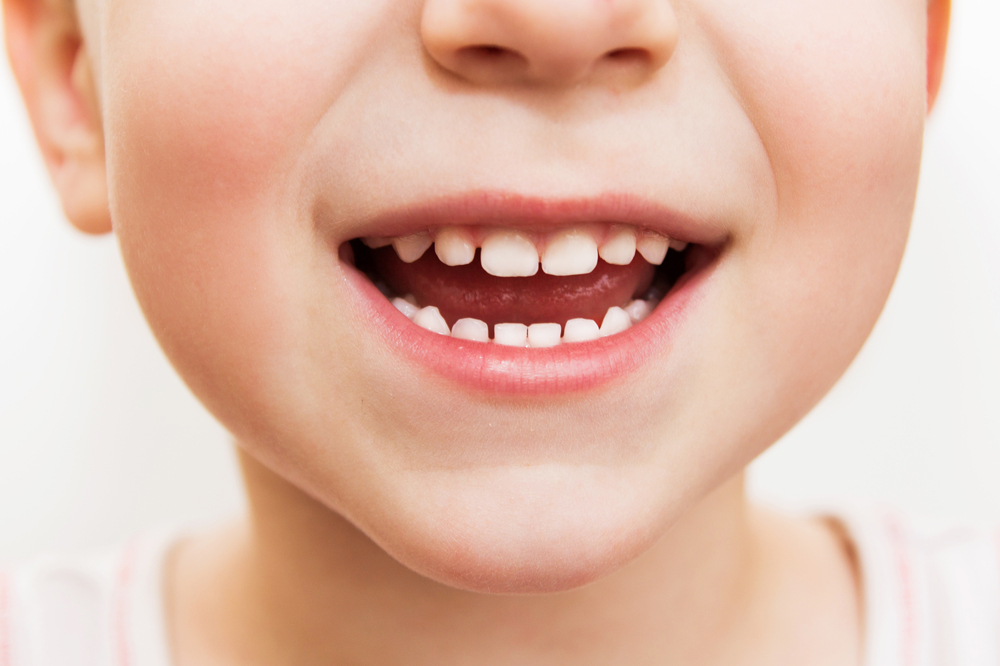
Early childhood habits can quietly shape the development of the mouth and teeth. One of the most discussed topics among pediatric dental professionals is Pacifier Teeth, a term often used to describe dental changes associated with prolonged pacifier use or other sucking habits. While pacifiers can soothe infants and help regulate sleep, long term or intense use may influence how teeth and jaws grow.
Parents frequently wonder whether pacifier use leads directly to dental issues or if these concerns are exaggerated. The reality tends to lie somewhere in between. Research in pediatric dentistry suggests that Pacifier Teeth may appear when sucking habits continue beyond certain developmental stages or occur with high frequency. Understanding how Pacifier Teeth develop, what factors increase risk, and how dental structures respond over time can help families make more informed decisions.
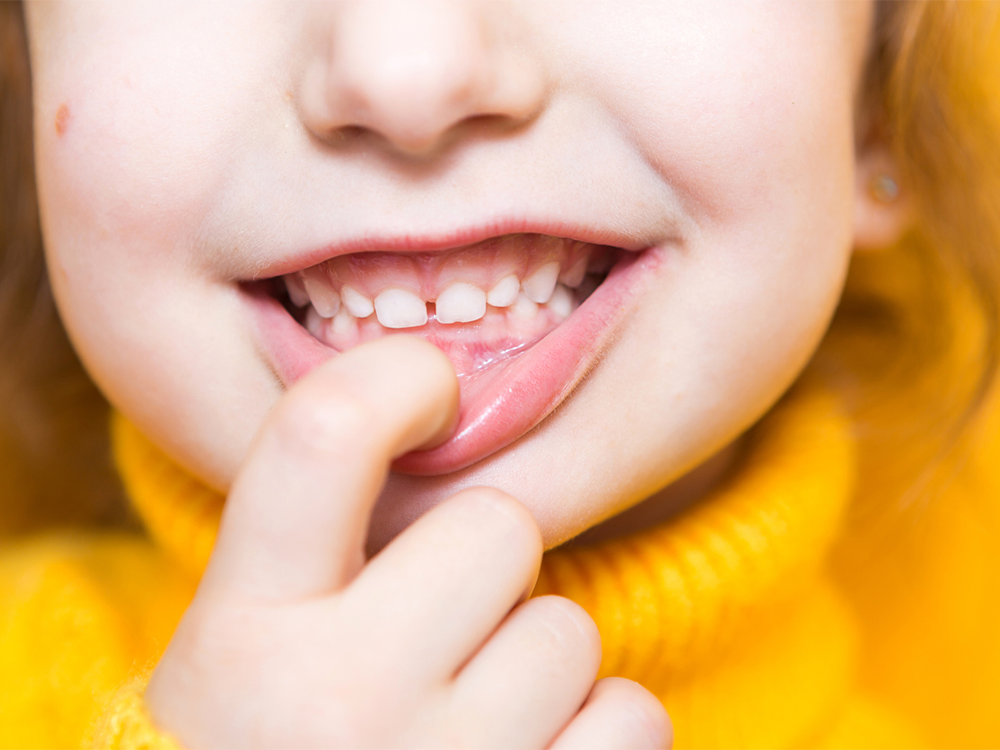
These patterns do not occur in every case. Some children who use pacifiers regularly never develop visible Pacifier Teeth, while others may show mild changes that resolve naturally after the habit stops.
In clinical observations, Pacifier Teeth may sometimes be easier to prevent because the habit can be managed by removing the pacifier gradually. Thumb sucking, by contrast, often persists longer since the child always has access to their thumb.
Understanding these behavioral differences can help explain why Pacifier Teeth are often discussed separately from other sucking habits in pediatric dental research.
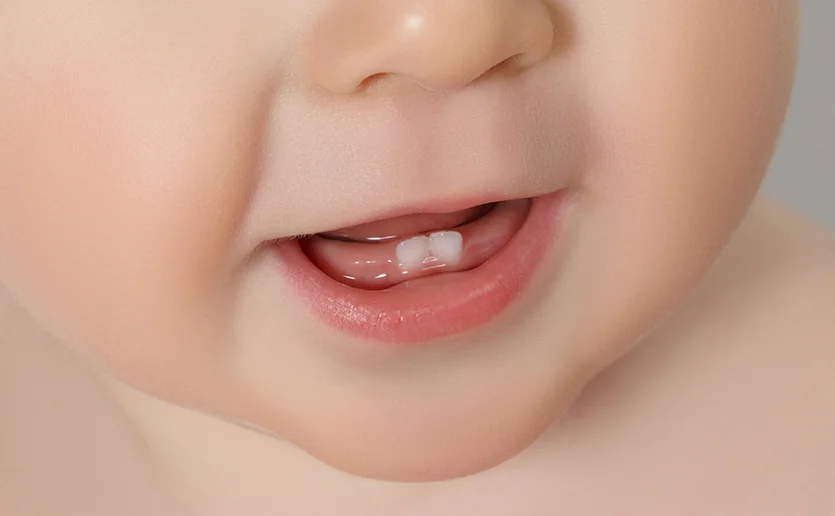
What Are Pacifier Teeth and Why Do They Occur?
The phrase Pacifier Teeth is commonly used to describe dental alignment changes that may occur when a child uses a pacifier for extended periods. These changes are usually linked to how continuous pressure from sucking affects the position of developing teeth and the surrounding jaw structure. During early childhood, bones and oral tissues are highly adaptable. This flexibility helps babies learn to chew, swallow, and speak. However, it also means that repeated mechanical forces can guide the direction of tooth eruption. In cases of prolonged pacifier use, the pressure applied to the front teeth and palate may contribute to the development of Pacifier Teeth, particularly when the habit continues after the age when most children naturally stop sucking behaviors. Dental researchers often compare Pacifier Teeth with similar patterns seen in thumb sucking. Both habits involve similar oral mechanics. The difference lies mainly in duration and intensity. Pacifiers are removable, while thumb sucking can be harder to control, which sometimes leads to comparable dental outcomes.How Pacifier Teeth Influence Tooth Alignment
One of the most recognizable features associated with Pacifier Teeth is a change in the alignment of the front teeth. Pediatric dentists sometimes observe a condition known as an anterior open bite. In this pattern, the upper and lower front teeth do not touch when the mouth closes. When pacifiers remain in the mouth for extended periods, the device may create outward pressure on the upper incisors and inward pressure on the lower incisors. Over time, these forces may contribute to the development of Pacifier Teeth by shifting the position of erupting teeth. Several dental alignment patterns have been observed in children with prolonged sucking habits:| Possible Dental Change | Description |
| Open Bite | Front teeth do not meet when biting |
| Increased Overjet | Upper front teeth project forward |
| Narrow Palate | Upper jaw becomes slightly constricted |
| Posterior Crossbite | Upper teeth bite inside the lower teeth |
Pacifier Teeth and Jaw Development
Beyond tooth alignment, Pacifier Teeth may also be linked to subtle changes in jaw growth. The upper jaw, also known as the maxilla, develops in response to muscular activity and pressure from surrounding structures such as the tongue and cheeks. When a pacifier occupies the mouth frequently, the natural resting position of the tongue may shift downward. Researchers have suggested that this change can influence how the palate expands during growth. In some children, the presence of Pacifier Teeth may coincide with a slightly narrower upper dental arch. Orthodontic literature often notes that Pacifier Teeth patterns may appear when sucking habits continue beyond three to four years of age. However, many studies also show that early discontinuation allows the oral structures to adapt and gradually return toward typical alignment patterns. Because children's bones grow rapidly during early years, the dental system often demonstrates a surprising ability to self correct after the habit ends.Risk Factors That Increase the Chance of Pacifier Teeth
Not every child who uses a pacifier develops Pacifier Teeth. Several factors influence whether dental changes appear. Researchers studying oral development have identified patterns that may increase the likelihood of Pacifier Teeth formation.Duration of the Habit
The length of time a pacifier is used appears to play a significant role. Occasional soothing use during infancy is less likely to produce Pacifier Teeth compared with continuous daily use extending into later toddler years.Frequency of Use
Children who keep pacifiers in their mouths for long stretches throughout the day may experience greater oral pressure, which can contribute to Pacifier Teeth patterns.Intensity of Sucking
Some children suck pacifiers very gently, while others apply strong suction. High intensity sucking has been associated with a greater possibility of Pacifier Teeth because of the stronger mechanical force applied to teeth and jaw structures.Genetics and Facial Growth Pattern
The natural growth pattern of a child's face may also influence whether Pacifier Teeth develop. Some children have jaw structures that are more responsive to external forces, while others show little change.Can Pacifier Teeth Correct Themselves?
A frequent question among parents is whether Pacifier Teeth are permanent. Pediatric dental studies often indicate that mild forms of Pacifier Teeth may gradually improve once the sucking habit stops. When the pacifier is removed from daily use, several natural forces begin guiding the teeth back toward their typical positions:- Tongue pressure during swallowing
- Natural chewing movements
- Growth of the jawbones
- Eruption of new permanent teeth
Pacifier Teeth vs Thumb Sucking Effects
Although Pacifier Teeth are commonly discussed in pediatric dentistry, similar dental patterns may also appear in children who suck their thumbs or fingers. Both behaviors create comparable pressure inside the mouth. However, some specialists note differences in how these habits affect dental development.| Habit Type | Potential Influence on Teeth |
| Pacifier Use | External device, easier to limit |
| Thumb Sucking | Self soothing habit, harder to stop |
| Finger Sucking | Similar pressure patterns to pacifiers |
How Pediatric Dentists Evaluate Pacifier Teeth
Dental professionals usually evaluate Pacifier Teeth through routine oral examinations rather than relying on a single visible sign. The overall bite relationship, tooth spacing, and jaw symmetry are all considered. During a typical evaluation, a dentist may observe:- Alignment of upper and lower incisors
- Relationship between molars when biting
- Shape of the palate
- Position of the tongue at rest
Scientific Perspectives on Pacifier Teeth
Over the past several decades, multiple dental studies have explored the relationship between sucking habits and oral development. Many findings suggest that Pacifier Teeth are associated with the duration and intensity of sucking rather than the mere presence of a pacifier. Some orthodontic research has also indicated that early cessation of pacifier habits reduces the likelihood of long term dental changes. When the habit ends before the eruption of permanent teeth, Pacifier Teeth patterns often become less noticeable over time. Interestingly, some population studies show regional differences in Pacifier Teeth prevalence. Cultural attitudes toward pacifier use, feeding methods, and early childhood habits may all influence how often these dental patterns appear. These findings highlight that Pacifier Teeth are not simply caused by a single factor but rather emerge from a combination of behavioral and developmental influences.Understanding Pacifier Teeth in the Context of Child Development
From a broader perspective, Pacifier Teeth represent just one aspect of the complex process of oral growth. Teeth, bones, muscles, and habits all interact as a child learns to eat, speak, and breathe. In many cases, the appearance of Pacifier Teeth reflects how adaptable the developing mouth can be. The same biological flexibility that allows teeth to shift during sucking habits also enables them to adjust as growth continues. For families, learning about Pacifier Teeth can provide useful insight into how early behaviors interact with dental development. It also helps clarify why pediatric dentists often focus on monitoring growth patterns rather than assuming immediate long term consequences. The topic of Pacifier Teeth often raises questions among parents, caregivers, and dental professionals. While pacifiers serve an important soothing function during infancy, prolonged sucking habits may influence how teeth and jaws develop. Scientific research suggests that Pacifier Teeth are shaped by several factors, including duration of pacifier use, intensity of sucking, and individual growth patterns. In many situations, dental changes associated with Pacifier Teeth may improve naturally as children grow and the habit fades. Understanding the biological mechanisms behind Pacifier Teeth offers a clearer perspective on early oral development. Rather than viewing pacifier use as inherently harmful, dental experts typically emphasize balance, observation, and awareness of developmental timing. As research continues, the study of Pacifier Teeth remains an interesting example of how everyday childhood habits can interact with the remarkable adaptability of the human body.Get Your Free Consultation
Have questions? Leave your details and we'll get back to you as soon as possible.
Get Free Consultation