
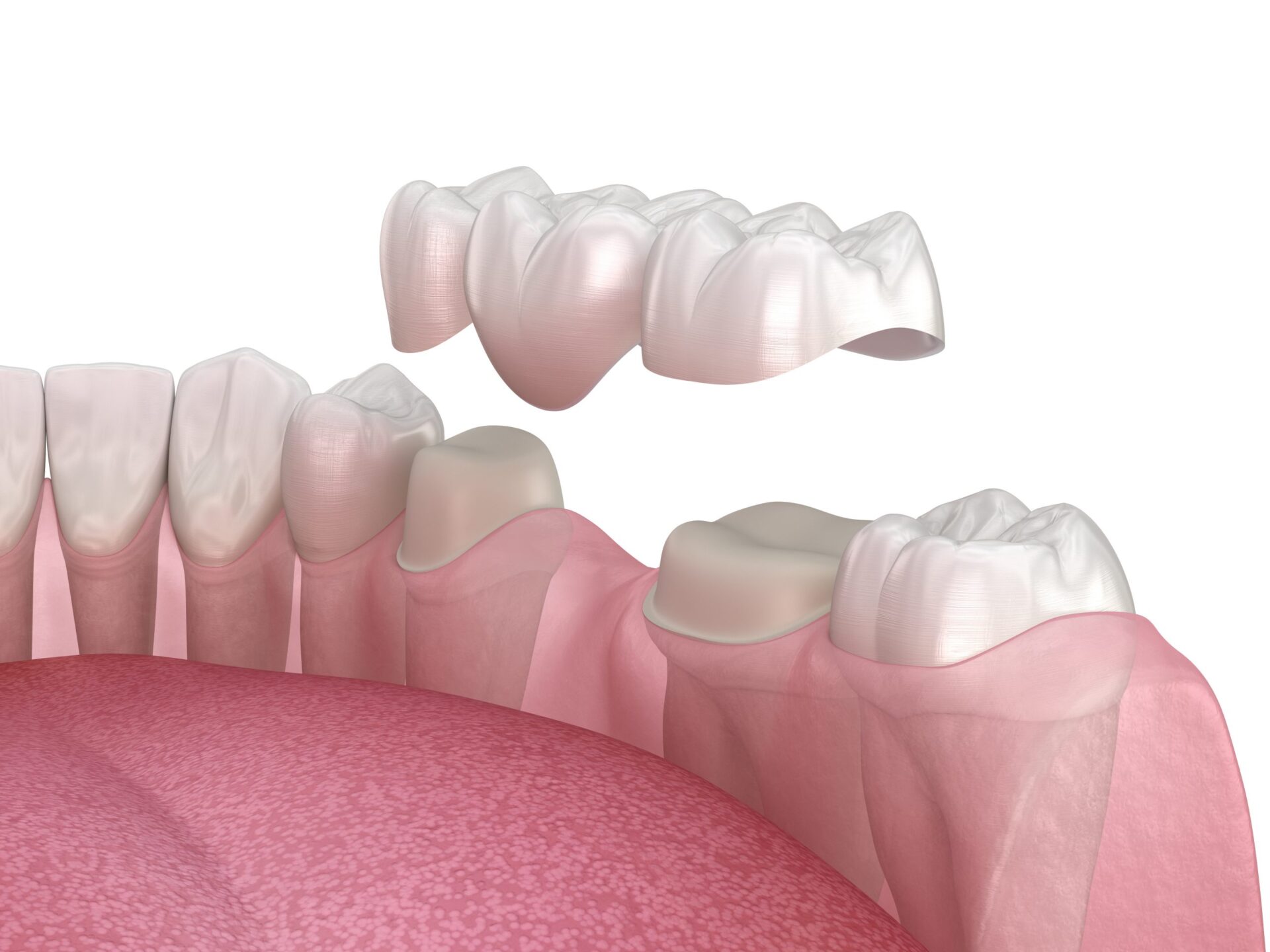
A modern Dental Bridge can restore both function and aesthetics when a single tooth is missing, yet many patients wonder how long a Maryland design truly lasts. At ClinicHI, we often see individuals comparing treatment options and asking whether a resin bonded solution offers enough durability for everyday life. The answer depends on materials, oral habits, bite forces, and long term maintenance.
Unlike traditional fixed prostheses, a Maryland Dental Bridge uses a conservative bonding technique rather than full coverage crowns. This difference shapes its longevity profile
These figures reflect broad trends rather than guarantees. Individual outcomes depend on oral hygiene, bite alignment, and restorative precision.
What Is a Maryland Dental Bridge and How Does This Dental Bridge Work?
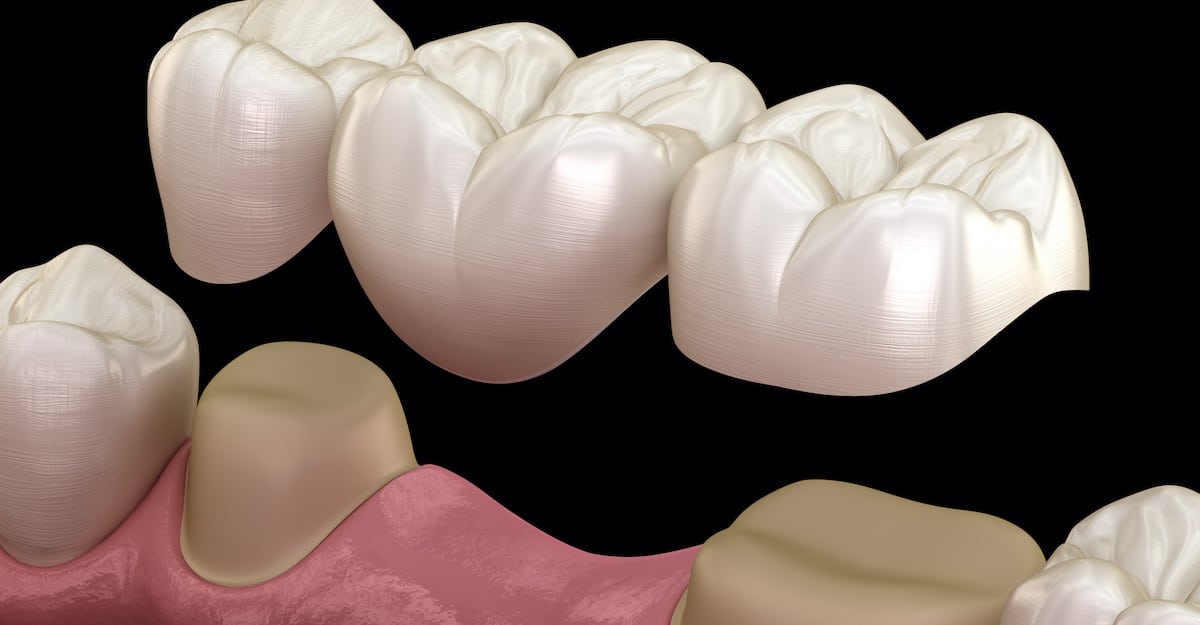
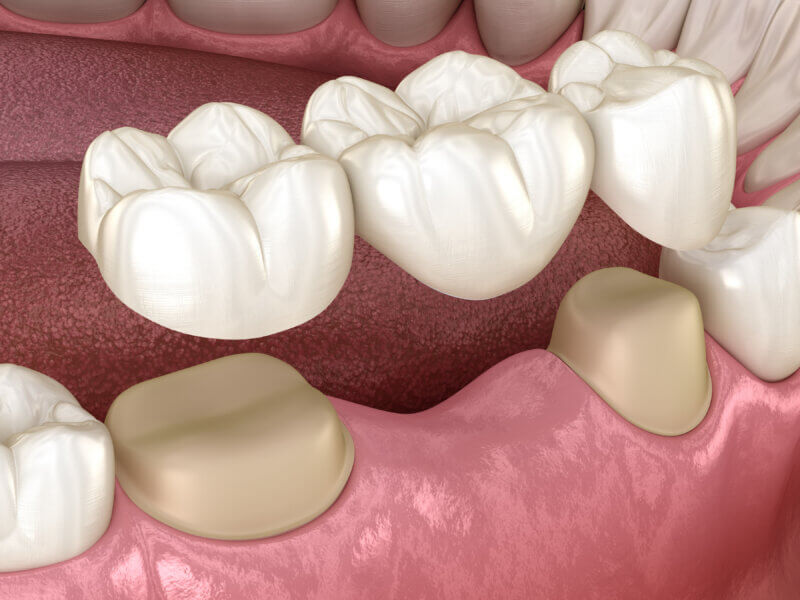
A Maryland Dental Bridge is a resin bonded prosthesis designed primarily for replacing a single missing tooth, often in the anterior region. Instead of preparing adjacent teeth extensively, small enamel surfaces are conditioned and bonded to metal or ceramic wings attached to the artificial tooth. This structure allows the prosthetic tooth to remain stable without aggressive reduction. From a biomechanical perspective, this type of Dental Bridge distributes occlusal forces differently compared to conventional fixed bridges. The retention relies on adhesive bonding rather than full crown support. Because enamel bonding is generally more predictable than dentin bonding, long term success may be influenced by the amount of healthy enamel available. Clinically, Maryland restorations are often considered in younger patients or in cases where preserving tooth structure is a priority. The minimally invasive nature of this Dental Bridge design aligns with modern conservative dentistry principles.Average Lifespan of a Dental Bridge: What Research Suggests
The longevity of a Dental Bridge varies according to design and material. Studies on resin bonded bridges often report survival rates ranging from five to over ten years, depending on case selection and adhesive protocols. Some clinical reviews indicate that anterior Maryland restorations show higher survival rates than posterior applications due to lower bite forces. It is important to note that longevity does not always mean continuous function without maintenance. A Dental Bridge may occasionally debond and be re cemented without full replacement. In such cases, the overall lifespan may extend significantly beyond initial expectations. Below is a simplified comparison of commonly cited survival ranges:| Bridge Type | Estimated Functional Range | Main Risk Factor |
| Maryland Dental Bridge | 5 to 10+ years | Debonding |
| Traditional Fixed Dental Bridge | 10 to 15 years | Secondary decay |
| Implant Supported Crown | 15+ years | Peri implant complications |
Benefits of Choosing a Maryland Dental Bridge Over Other Dental Bridge Options
One of the most compelling advantages of a Maryland Dental Bridge is its conservative preparation. Minimal enamel removal means the supporting teeth retain most of their natural structure. For many patients, this alone makes the option attractive. Another benefit lies in reversibility. If a Dental Bridge of this type fails, alternative treatments such as implants or traditional bridges remain viable. This flexibility can be reassuring for patients who prefer staged or adaptable care plans. Aesthetic outcomes are also noteworthy. Modern ceramic frameworks and tooth colored bonding systems allow a Maryland Dental Bridge to blend seamlessly with natural dentition, especially in the smile zone. When properly fabricated, it can be difficult to distinguish from adjacent teeth. Additionally, treatment time may be shorter compared to implant therapy. While healing periods are essential for implants, a Dental Bridge can often be completed in fewer visits.
Factors That Influence Dental Bridge Longevity
Not every Dental Bridge performs the same way. Several biological and mechanical variables affect durability:- Occlusal forces Patients with strong bite pressure or parafunctional habits such as clenching may experience higher stress on the bonded wings of a Dental Bridge.
- Enamel quality Adhesive retention depends heavily on enamel integrity. If supporting teeth have large restorations, bonding strength may be reduced.
- Material selection Metal framework designs traditionally offer reliable retention, while all ceramic variants focus more on aesthetics. The structural choice influences how the Dental Bridge handles stress.
- Oral hygiene Plaque accumulation around margins can compromise both supporting teeth and the prosthesis.
How to Care for a Dental Bridge and Extend Its Lifespan
Maintenance plays a decisive role in how long a Dental Bridge remains functional. While no restoration is immune to wear, consistent oral care supports structural stability. Daily cleaning around the pontic area is essential. Specialized floss threaders or interdental brushes can help maintain hygiene under the artificial tooth. A Dental Bridge does not replace the need for natural gum health, so plaque control remains crucial. Regular professional examinations also allow early detection of minor debonding or marginal issues. In many cases, a Dental Bridge that loosens slightly can be re bonded before more complex complications arise. Patients are often advised to avoid excessive force on the restoration. While a Dental Bridge is designed for normal chewing, habits such as biting hard objects may reduce longevity.Is a Maryland Dental Bridge Suitable for Everyone?
Although a Dental Bridge of the Maryland type offers many benefits, it may not be ideal for all clinical situations. Posterior regions with high occlusal loads may place greater stress on the adhesive interface. In such cases, alternative solutions may be discussed. Patients with significant enamel loss or large existing fillings on supporting teeth might not achieve optimal bonding strength. Since the success of this Dental Bridge relies on adhesive retention, enamel quality is critical. Age and growth considerations also play a role. In younger patients who are not yet suitable for implants, a Maryland Dental Bridge may serve as an interim or medium term solution. For adults seeking a less invasive option, it can represent a definitive restoration. Ultimately, suitability depends on individual assessment rather than a universal rule.Comparing Dental Bridge Alternatives in Modern Dentistry
When evaluating a missing tooth replacement, patients often compare a Dental Bridge with implants or removable prostheses. Each approach carries distinct biological and mechanical implications. An implant supported crown integrates directly with bone, potentially offering long term stability. However, it requires surgical intervention and adequate bone volume. A traditional Dental Bridge involves full coverage crowns on adjacent teeth, which may provide strong support but at the cost of additional tooth reduction. The Maryland Dental Bridge occupies a middle ground. It preserves structure while avoiding surgery. This balance appeals to individuals who prioritize minimally invasive dentistry. From an economic standpoint, a Dental Bridge may also present a more accessible option compared to implant therapy, though costs vary by region and materials used.Scientific Perspective on Adhesion and Structural Integrity in Dental Bridge Design
Modern adhesive dentistry has evolved significantly. Advances in resin cements and surface treatments have enhanced the predictability of bonding for a Dental Bridge. Laboratory studies demonstrate improved shear bond strength when enamel is properly conditioned. Finite element analyses also show that stress distribution in a Maryland Dental Bridge differs from that in conventional designs. Because the wings are thinner and rely on adhesive surfaces, precise fit becomes essential. Even minor discrepancies can influence micromovement under load. Long term observational reports suggest that when preparation design respects enamel boundaries and occlusion is carefully adjusted, a Dental Bridge of this type can achieve encouraging survival outcomes. These insights highlight a broader theme in dentistry: technique sensitivity often determines success more than the concept itself.Setting Realistic Expectations for a Dental Bridge
So, how long will a Maryland Dental Bridge last? In many cases, several years of reliable function can be expected, especially when case selection and maintenance are optimal. However, longevity is not a fixed number. It reflects a combination of biological factors, mechanical design, and patient habits. At ClinicHI, our approach emphasizes conservative planning, transparent communication, and individualized evaluation. A Dental Bridge can restore confidence, chewing efficiency, and smile aesthetics when thoughtfully chosen. Understanding its strengths and limitations empowers patients to make informed decisions without unrealistic promises. If you are exploring tooth replacement options, learning how each Dental Bridge design behaves over time is a valuable first step. With proper care and professional monitoring, a Maryland restoration may serve as a stable and aesthetically pleasing solution for years.Get Your Free Consultation
Have questions? Leave your details and we'll get back to you as soon as possible.
Get Free Consultation