

Maintaining healthy teeth is more than brushing and flossing. One ingredient that has gained significant attention in recent years is Xylitol . This naturally occurring sugar alcohol, found in small amounts in fruits and vegetables, has been studied extensively for its potential benefits in oral health. From reducing harmful bacteria in the mouth to potentially decreasing the risk of cavities, xylitol is proving to be more than just a sweetener alternative.
By choosing the right form, individuals can tailor their xylitol intake to their lifestyle while maximizing oral health benefits.
Understanding Xylitol and Its Role in Oral Health
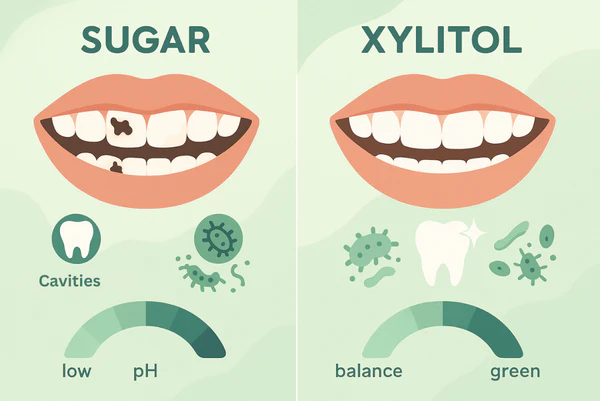
Xylitol is a sugar substitute that belongs to the polyol family. Unlike regular sugar, xylitol is not readily fermented by bacteria in the mouth, which helps reduce the production of acids that erode tooth enamel. Scientific studies have shown that xylitol can decrease the levels of Streptococcus mutans, a primary bacteria responsible for dental cavities. Beyond its antibacterial properties, xylitol also stimulates saliva production. Saliva is crucial in maintaining oral health because it helps neutralize acids, remineralize enamel, and wash away food particles. Therefore, using xylitol regularly can create a more balanced oral environment that discourages the growth of harmful bacteria while supporting natural defense mechanisms. Interestingly, research from multiple dental schools has found that xylitol consumption, even in moderate amounts, can lead to measurable reductions in plaque formation and improvements in overall oral hygiene. While it’s not a replacement for brushing or flossing, it can be a powerful adjunct in preventive dental care.Different Forms of Xylitol for Dental Use
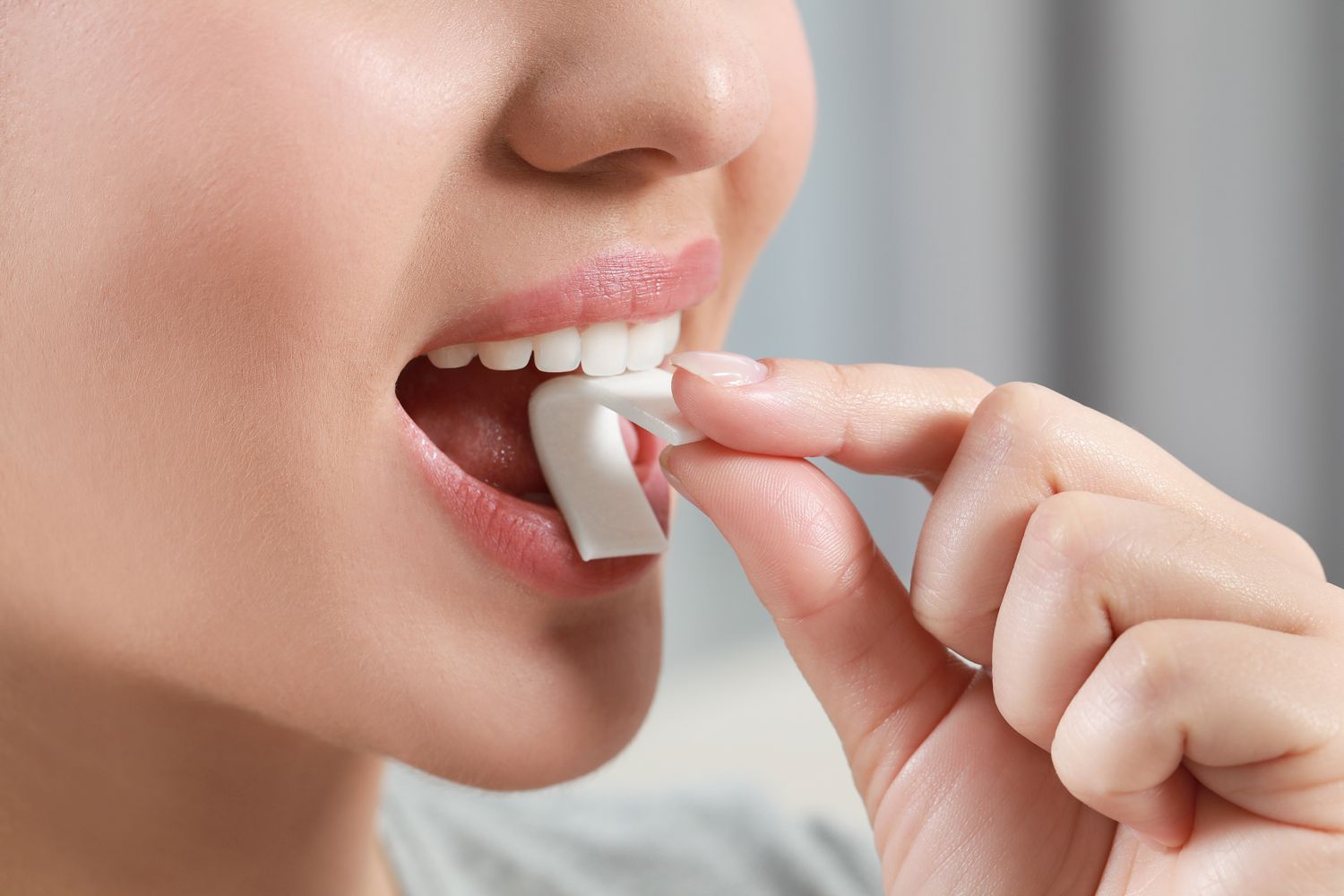
Incorporating xylitol into your dental care routine can be done in several forms, each with unique benefits. The most common forms include xylitol gum, mints, toothpaste, and even syrups.- Xylitol Gum: Chewing gum sweetened with xylitol stimulates saliva production, which is particularly useful after meals when acid levels in the mouth rise.
- Xylitol Mints: For those who cannot chew gum, xylitol mints provide a convenient option to maintain oral moisture and reduce bacterial activity.
- Xylitol Toothpaste and Mouthwash: Many dental care products now contain xylitol , offering a more direct application during brushing and rinsing.
- Xylitol Syrups or Drops: These are especially helpful for children, as they can be applied to pacifiers or mixed with certain foods to introduce xylitol into daily routines.
| Form | Primary Benefit | Best Use |
| Gum | Stimulates saliva | After meals |
| Mints | Reduces bacterial growth | On-the-go |
| Toothpaste | Direct enamel contact | Daily brushing |
| Syrups/Drops | Child-friendly application | Infants/young children |
How Xylitol Helps Prevent Cavities
One of the most studied benefits of xylitol is its role in cavity prevention. Unlike regular sugar, xylitol cannot be metabolized by oral bacteria to produce acids. These acids are the primary cause of enamel erosion and cavity formation. Scientific trials have shown that consistent use of xylitol can lower the incidence of dental caries, especially when used as part of a comprehensive oral care routine. Moreover, xylitol has been observed to disrupt the adherence of bacteria to teeth surfaces. By reducing the ability of Streptococcus mutans to stick to enamel, it decreases plaque formation. Over time, this can lead to fewer cavities and healthier gums. Although xylitol does not replace brushing, its preventive properties make it an effective supplement to conventional oral hygiene practices.Recommended Dosage and Frequency of Xylitol Use
Understanding how much xylitol to use is critical for maximizing benefits. Research suggests that adults can safely consume 5–10 grams per day of xylitol , ideally divided into multiple intakes. For example, chewing xylitol gum three to five times daily after meals can provide consistent exposure to the teeth. Children require lower doses, often around 2–5 grams daily. Pediatric dentists sometimes recommend xylitol-containing mints or syrups for young children to help reduce cavity risk without overconsumption. It’s important to note that excessive intake of xylitol may cause mild digestive discomfort, so moderation is key. Incorporating xylitol gradually allows the body and oral microbiome to adapt comfortably.Incorporating Xylitol Into Daily Dental Habits
Integrating xylitol into daily routines can be simple and enjoyable. Chewing xylitol gum after meals, using toothpaste with xylitol, or keeping mints on hand are practical strategies. For individuals who travel frequently, portable xylitol products like mints or small gum packs make it easy to maintain oral care on the go. Another effective approach is combining xylitol with other oral hygiene measures. For instance, using a fluoride toothpaste followed by xylitol gum can enhance remineralization while reducing bacterial activity. Consistency is crucial; studies indicate that sporadic use does not provide the same cavity-preventing effects. Creating a daily schedule for xylitol use ensures maximum benefit and helps form a lasting habit.Scientific Evidence Supporting Xylitol Benefits
Multiple clinical studies support the effectiveness of xylitol in promoting oral health. A 12-month randomized controlled trial demonstrated that participants chewing xylitol gum three times daily experienced a significant reduction in cavity formation compared to those using regular sugar gum. Additional research indicates that xylitol can lower plaque scores and reduce bacterial counts in saliva. Beyond dental caries, emerging studies suggest potential benefits in reducing ear infections in children, likely due to decreased bacterial colonization in the oral cavity. While further research is ongoing, the existing evidence positions xylitol as a scientifically backed additive for daily oral care routines.Common Misconceptions About Xylitol
Despite its growing popularity, several myths surround xylitol . One common misconception is that xylitol can replace brushing and flossing. While it supports oral health, it does not eliminate the need for mechanical cleaning. Another myth is that all sweeteners labeled “sugar-free” provide the same benefits. Only xylitol and a few other polyols have demonstrated clinically significant effects on oral bacteria and cavity reduction. Additionally, some believe xylitol has immediate effects. In reality, consistent daily use over weeks or months is required to observe measurable improvements in dental health. Awareness of these misconceptions ensures realistic expectations and proper integration into oral care routines.Creative Ways to Use Xylitol in Your Diet
Incorporating xylitol creatively can make oral care enjoyable. Beyond gum and toothpaste, xylitol can be added to homemade smoothies, yogurt, or even baked goods as a sugar substitute. Using xylitol in recipes not only reduces sugar intake but also introduces additional dental benefits. Parents can use xylitol-infused syrups on pacifiers or mix small amounts into children’s snacks, promoting cavity prevention from an early age. Adults can experiment with xylitol in beverages like coffee or tea. By integrating xylitol into daily consumption habits, oral health benefits become a natural part of one’s lifestyle rather than a chore.Maximizing Oral Health with Xylitol
Xylitol offers a scientifically supported method to enhance oral health. From reducing cavity-causing bacteria to stimulating saliva production, its benefits extend beyond simple sugar replacement. Incorporating xylitol into daily routines through gum, mints, toothpaste, or even culinary applications can provide measurable improvements in oral hygiene when used consistently. While xylitol is not a standalone solution, it represents a valuable tool in preventive dental care. By understanding its benefits, correct dosages, and practical applications, individuals can confidently integrate xylitol into their dental care practices and enjoy a healthier, cleaner mouth over time.Get Your Free Consultation
Have questions? Leave your details and we'll get back to you as soon as possible.
Get Free Consultation