
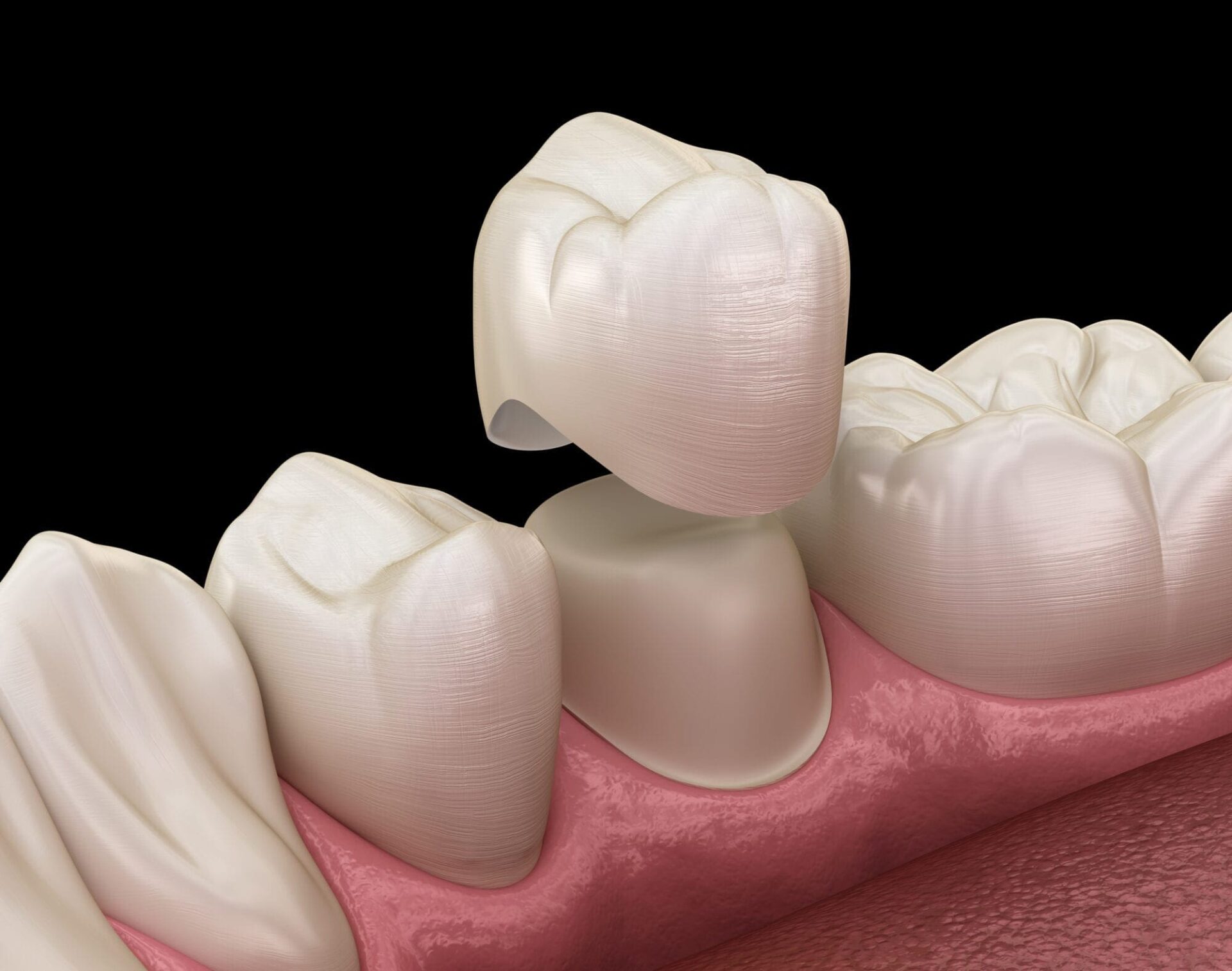
Dental Crowns are among the most widely used restorations in modern dentistry, designed to protect weakened teeth, restore function, and improve aesthetics. Yet there are situations where removing Dental Crowns becomes necessary due to wear, decay, fracture, or changes in oral health. Understanding how and why Dental Crowns are removed can help patients make informed decisions and approach treatment with clarity rather than concern.
The table highlights how crown type influences removal strategy. Dentists must adapt techniques based on material strength and adhesion properties.
Why Removing Dental Crowns May Become Necessary
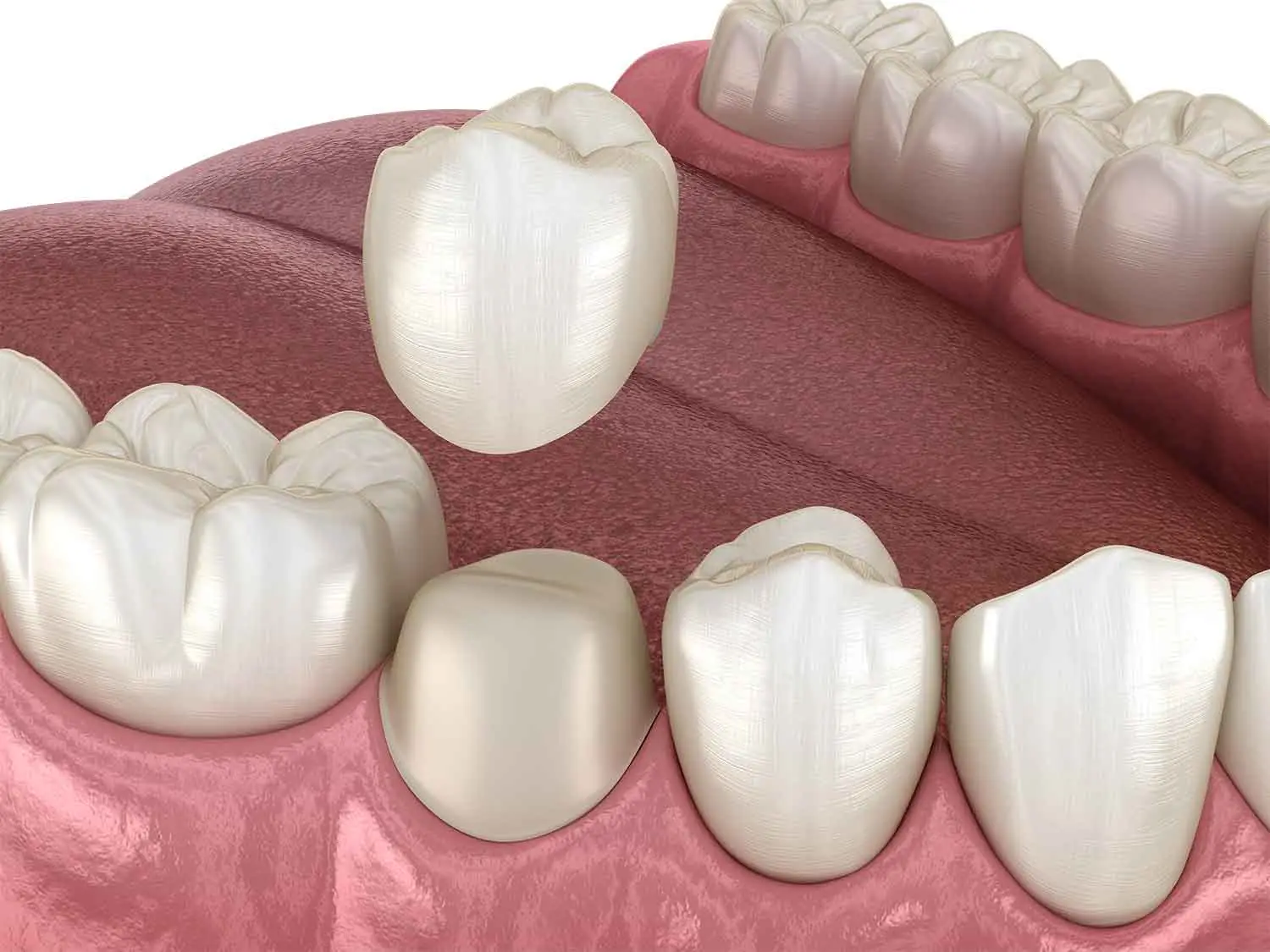
Although Dental Crowns are designed for durability, they are not immune to complications. Over time, marginal leakage, recurrent decay, or trauma may compromise their integrity. In some cases, patients experience discomfort, gum inflammation, or bite misalignment that requires the evaluation and potential removal of Dental Crowns. Scientific literature suggests that the average lifespan of Dental Crowns ranges between 10 and 15 years, depending on material type, oral hygiene habits, and occlusal forces. However, longevity varies. Porcelain fused to metal crowns may respond differently to stress compared to zirconia or all ceramic alternatives. Common reasons for removal include:- Secondary caries beneath the crown
- Fracture of the prosthetic cap
- Loosening due to cement failure
- Aesthetic dissatisfaction
- Endodontic complications
Clinical Evaluation Before Removing Dental Crowns
Before removing Dental Crowns, dentists conduct a comprehensive diagnostic assessment. Radiographic imaging helps detect hidden decay, root fractures, or bone loss. Digital intraoral scanning may also be used to evaluate marginal fit and occlusion. The biological width, periodontal health, and vitality of the underlying tooth are central considerations. Removing Dental Crowns without damaging the remaining tooth structure requires precise planning. In some cases, conservative removal allows the same crown to be reused. In others, replacement becomes inevitable. Material composition plays a crucial role. For instance:| Crown Type | Removal Complexity | Structural Risk |
| Porcelain Fused to Metal | Moderate | Possible ceramic fracture |
| Zirconia | High | Requires sectioning |
| All Ceramic | Moderate | Fragile under pressure |
| Gold Alloy | Low | Often removable intact |
Techniques Used to Remove Dental Crowns Safely
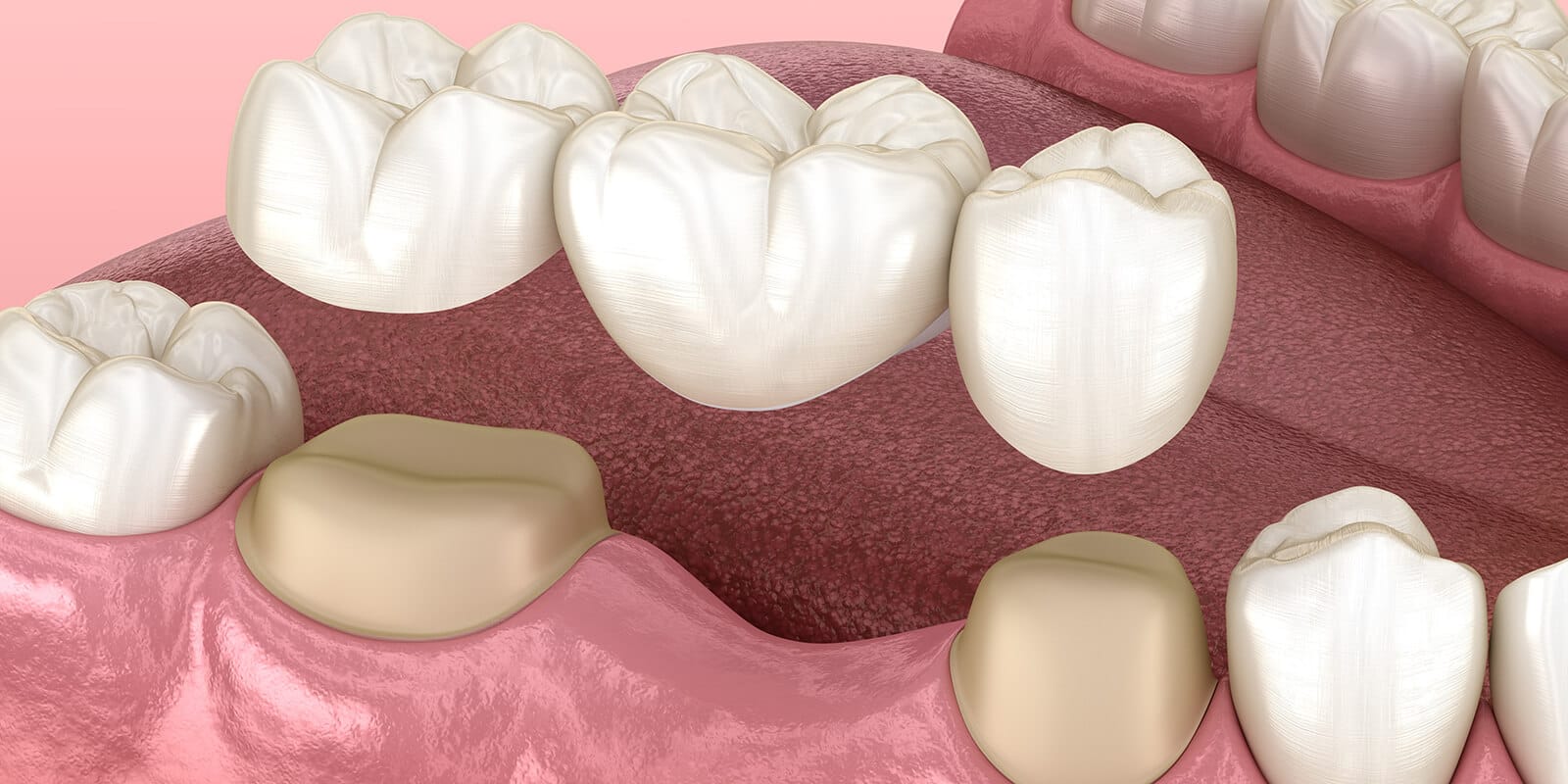
Removing Dental Crowns is a controlled process that often involves sectioning the restoration using specialized rotary instruments. When cement bonds are strong, crown splitters may be used to gently separate the prosthetic cap without harming the tooth underneath. There are generally two approaches:- Conservative tapping technique for loosely cemented crowns
- Sectioning and segment removal for firmly bonded restorations
Biological Considerations After Dental Crowns Removal
Once Dental Crowns are removed, the underlying tooth often requires reassessment. The preparation may reveal decay, pulp inflammation, or compromised core build up material. In some cases, endodontic treatment may be indicated before placing a new restoration. Gum tissue response is another key factor. Inflamed or overgrown gingiva may need periodontal management to ensure optimal crown adaptation. Research indicates that healthy periodontal tissues significantly improve the long term success rate of new Dental Crowns. Temporary crowns are often placed to protect the prepared tooth while laboratory fabrication of a new crown takes place. These interim restorations preserve tooth sensitivity levels and maintain occlusal stability.Risks and Complications Associated with Dental Crowns Removal
Although generally safe, removing Dental Crowns carries potential risks. These include tooth fracture, pulp exposure, and sensitivity. The probability of complications depends on factors such as:- Age of the crown • Type of cement used • Depth of original tooth preparation • Existing structural damage
Replacing Dental Crowns: Material Innovations and Aesthetic Evolution
Once Dental Crowns are removed, patients often explore updated restorative options. Advances in CAD CAM technology have revolutionized the fabrication of modern crowns. Digital impressions enhance precision and reduce marginal discrepancies. Zirconia crowns have gained popularity due to their strength and translucency. Lithium disilicate ceramics offer enhanced aesthetics for anterior teeth. Compared to older materials, contemporary Dental Crowns demonstrate improved fracture resistance and biocompatibility. Material selection depends on functional load, esthetic demands, and individual oral conditions. Scientific research continues to evaluate how nanotechnology and surface treatments influence crown longevity.Long Term Maintenance of Dental Crowns
The lifespan of Dental Crowns after replacement depends heavily on oral hygiene and regular dental evaluations. Studies indicate that plaque accumulation around crown margins is a major contributor to failure. Key maintenance principles include:- Consistent brushing with non abrasive toothpaste • Flossing around crown margins • Professional cleanings at recommended intervals • Monitoring occlusal balance
Scientific Insights Into the Longevity of Dental Crowns
Longitudinal studies analyzing thousands of cases reveal survival rates of approximately 90 percent at 10 years for well maintained Dental Crowns. However, survival does not always equate to complication free performance. Microleakage, marginal staining, and porcelain chipping are among the most reported long term findings. Modern adhesive systems aim to reduce bacterial infiltration beneath Dental Crowns, thereby minimizing secondary decay. Ongoing research explores bioactive cements capable of releasing fluoride or antibacterial agents. These innovations may redefine how future Dental Crowns interact with natural tooth structure. Removing Dental Crowns is a precise restorative procedure grounded in diagnostic analysis, material science, and biological preservation. Whether due to structural damage, aesthetic goals, or functional complications, the removal of Dental Crowns is approached with careful planning and advanced clinical techniques at ClinicHI. Modern dentistry continues to refine how Dental Crowns are evaluated, removed, and replaced. With evolving materials and digital workflows, patients benefit from restorations that are stronger, more aesthetic, and more biologically compatible than ever before. Understanding the full process empowers patients to approach restorative decisions with confidence. When performed thoughtfully, the removal and replacement of Dental Crowns becomes not merely a corrective intervention but an opportunity to enhance both function and appearance.Get Your Free Consultation
Have questions? Leave your details and we'll get back to you as soon as possible.
Get Free Consultation