
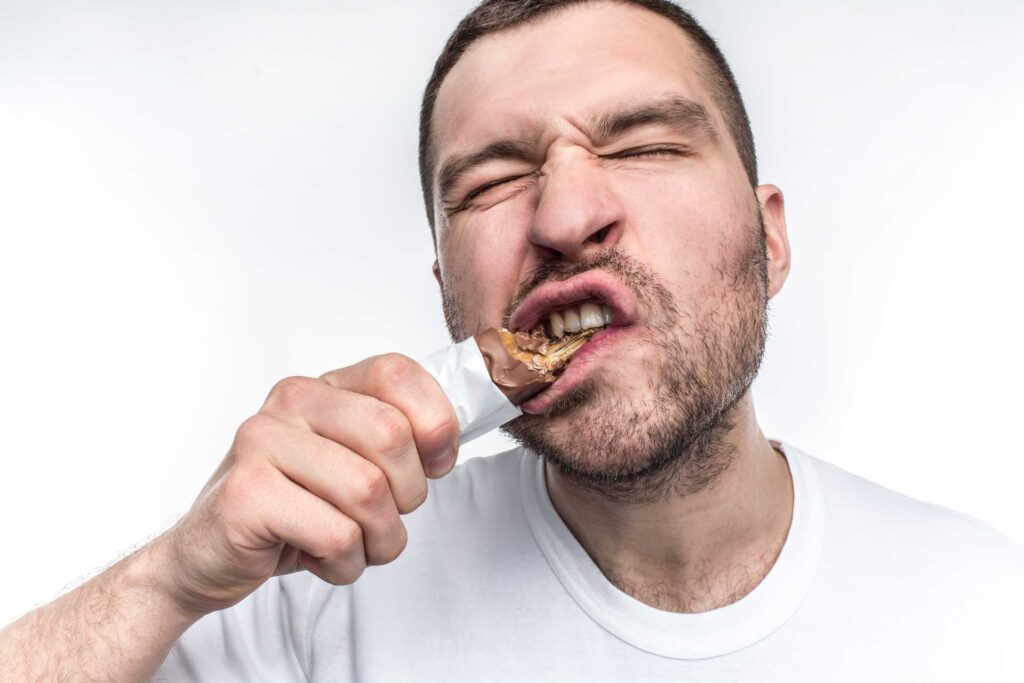
For many people who undergo a Dental Implant procedure, one of the first questions that comes to mind after surgery is surprisingly simple: When can I enjoy chocolate again? While a Dental Implant is designed to restore both function and aesthetics of missing teeth, the healing period following implant placement requires careful attention to diet and oral habits. Foods that seem harmless in everyday life may interact differently with healing tissues and newly placed implant fixtures.
Chocolate, loved worldwide for its flavor and comforting effect, sits in a curious gray zone when it comes to recovery after a Dental Implant. Its texture, sugar content, and temperature can all influence how the mouth responds during the early healing stages. Understanding how chocolate interacts with the surgical site, bone integration, and gum tissues can help patients make informed decisions without sacrificing their favorite treat forever.

Soft chocolate desserts may sometimes be easier to eat after Dental Implant surgery because they require minimal chewing. However, desserts containing sticky fillings may linger near gum tissues and require careful rinsing afterward.
Because every Dental Implant case is unique, dentists often discuss personalized dietary timelines based on implant stability, bone density, and healing progress.
The Healing Process After a Dental Implant Procedure
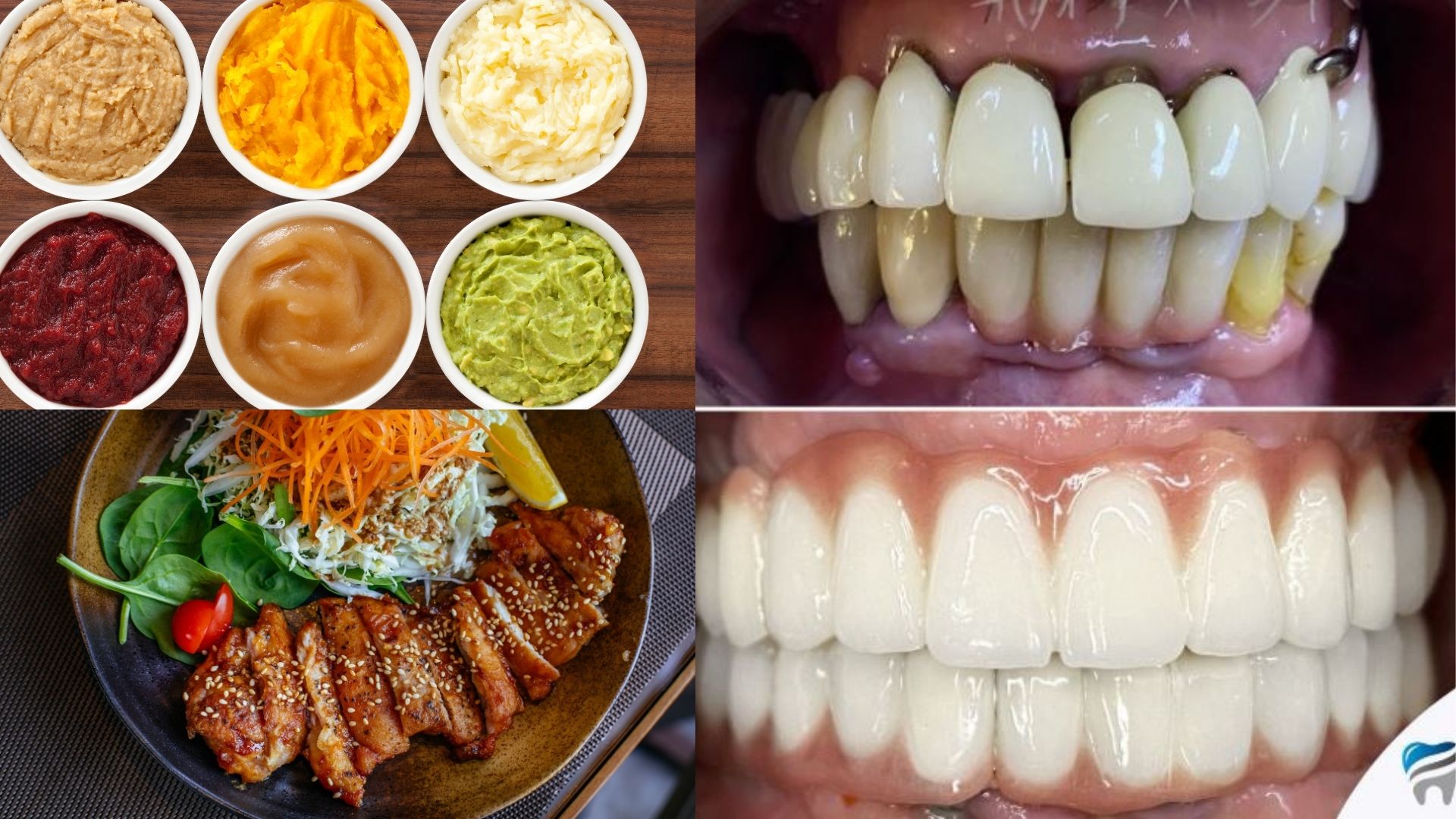
A Dental Implant procedure involves surgically placing a titanium post into the jawbone to act as an artificial tooth root. Once inserted, the implant begins a biological process called osseointegration, where the surrounding bone gradually fuses with the implant surface. During the early healing phase, the gum tissues surrounding the Dental Implant are sensitive and slightly inflamed. This stage may last several days to a few weeks depending on the complexity of the procedure, the patient’s oral health, and how many implants were placed. During this time, dentists typically recommend a soft food diet to minimize irritation or accidental pressure on the surgical site. In later weeks, the bone integration process becomes the main focus. The success of a Dental Implant largely depends on the stability created between the implant surface and surrounding bone cells. While diet alone does not determine implant success, foods that are sticky, extremely sugary, or hard can potentially disturb the area before tissues fully stabilize.Why Diet Matters After a Dental Implant
After a Dental Implant procedure, the mouth temporarily enters a healing state similar to that seen after other minor oral surgeries. Blood clot formation, tissue regeneration, and bone remodeling occur simultaneously around the implant site. Soft foods are often recommended because they place minimal mechanical stress on the healing Dental Implant region. Hard or crunchy foods can create pressure that may irritate sutures or surrounding gum tissue. Sticky foods can cling to the surgical site and make oral hygiene more difficult during recovery. Dietary choices during the first days following a Dental Implant surgery also influence comfort. Spicy, acidic, or very sweet foods may increase sensitivity in the gums. While these reactions are usually temporary, avoiding irritating foods can help create a smoother healing experience. Interestingly, research in oral surgery recovery suggests that foods with moderate nutritional value, such as proteins and vitamins, may support tissue repair after procedures like Dental Implant placement.Get Your Free Consultation
Have questions? Leave your details and we'll get back to you as soon as possible.
Get Free ConsultationChocolate and Dental Implant Recovery
Chocolate may seem soft enough to eat after surgery, but its characteristics vary widely. Some forms of chocolate melt quickly, while others contain nuts, caramel, or crunchy elements that may interact differently with a Dental Implant healing site. Pure dark chocolate, for instance, tends to dissolve more easily and may place less mechanical pressure on the implant area. In contrast, chocolate bars containing nuts or crisp layers could create chewing stress near a Dental Implant site. Another factor involves sugar content. Many chocolates contain significant amounts of sugar, which oral bacteria can use as fuel. While a single chocolate treat is unlikely to cause harm to a Dental Implant, excessive sugar during recovery could make oral hygiene more challenging if particles remain near the surgical area. Temperature also matters. Cold chocolate desserts might feel soothing at first, yet extreme cold exposure may trigger temporary sensitivity in the gums around a recently placed Dental Implant.Types of Chocolate and Their Possible Effects
Not all chocolate behaves the same way inside the mouth. Texture and ingredients can influence how compatible a chocolate treat may be with early Dental Implant recovery.| Chocolate Type | Texture | Possible Interaction with Implant Area |
| Dark Chocolate | Soft, melts quickly | Often easier to dissolve without strong chewing |
| Milk Chocolate | Creamy, sugary | Higher sugar content may require extra cleaning |
| Chocolate with Nuts | Hard pieces | May create pressure on implant site |
| Caramel Chocolate | Sticky | Can cling around the gum area |
| Chocolate Cake or Mousse | Soft dessert | Usually easier to manage during recovery |
When Chocolate Might Be Safer to Eat After Implant Surgery
Most implant dentistry guidelines suggest a short initial period where extremely soft foods are preferred. During the first 24 to 72 hours after a Dental Implant procedure, liquids and pureed foods are commonly chosen to avoid disturbing the surgical area. As swelling reduces and gum tissues begin to stabilize, patients may gradually return to soft solid foods. At this stage, small amounts of soft chocolate products might feel more comfortable for individuals recovering from a Dental Implant treatment. The timeline often varies depending on several factors:- Number of implants placed
- Location of the Dental Implant in the mouth
- Whether bone grafting was involved
- Individual healing response
- Oral hygiene practices
Protecting Your Implant While Enjoying Sweet Foods
Even after the early healing period, maintaining the health of a Dental Implant requires attention to oral hygiene and balanced nutrition. Sweet foods like chocolate can still be enjoyed, but they should be consumed thoughtfully. Simple habits may help protect a Dental Implant while still allowing occasional indulgence:- Rinse the mouth gently after eating sugary foods
- Avoid biting directly on hard chocolate bars near the implant area
- Maintain regular brushing and flossing routines
- Choose softer desserts when the implant crown is newly placed
The Long Term Relationship Between Chocolate and Dental Implants
Once osseointegration is complete and the implant crown is fully restored, most individuals return to a normal diet. At this stage, a Dental Implant is designed to function similarly to a natural tooth in terms of chewing and biting force. However, implant supported teeth do not have the same sensory feedback as natural teeth. Because of this, extremely hard foods can sometimes place unnoticed pressure on a Dental Implant restoration. While chocolate itself is rarely a structural threat, chocolate products containing nuts or hard fillings could potentially create chewing strain. Over time, good oral hygiene and balanced eating habits help ensure the longevity of a Dental Implant restoration. Occasional chocolate consumption is generally part of a normal lifestyle for many implant patients once healing is complete. Chocolate is one of the world’s most beloved treats, and having a Dental Implant does not mean giving it up forever. During the early healing stages after implant placement, however, dietary awareness becomes important. The mouth is undergoing tissue repair and bone integration, making softer and less sticky foods a safer choice during recovery. Understanding how different chocolate types interact with the healing environment of a Dental Implant can help patients navigate this period more comfortably. Soft textures, moderate portions, and careful oral hygiene all contribute to maintaining implant health while still enjoying occasional sweets. Ultimately, every Dental Implant case is unique. Recovery experiences differ depending on surgical complexity, individual healing speed, and oral care habits. For many patients, chocolate eventually returns to the menu once healing stabilizes, becoming just another small pleasure enjoyed alongside a fully restored smile.Get Your Free Consultation
Have questions? Leave your details and we'll get back to you as soon as possible.
Get Free Consultation