
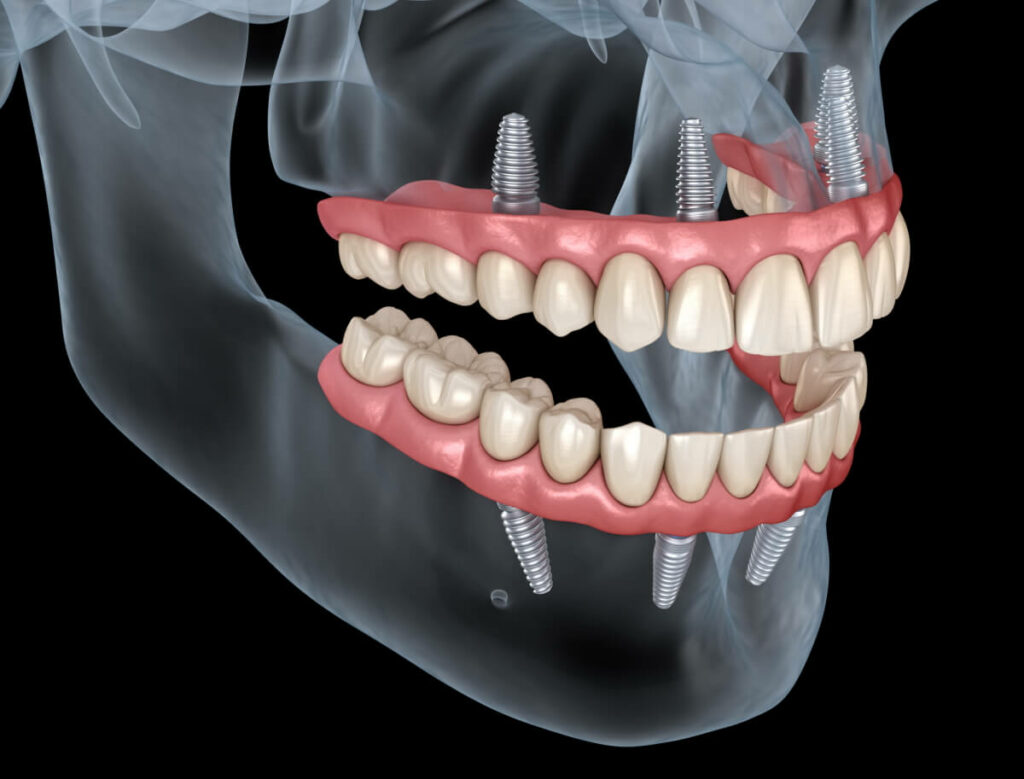
Undergoing a Dental Implant procedure is often the beginning of a long term transformation in oral health. After surgery, one of the first practical questions many patients ask is surprisingly simple: can I eat a banana? While it may sound trivial, dietary choices in the early days following a Dental Implant placement can influence comfort, healing dynamics, and overall experience.
At ClinicHI, we often observe that patients are not only concerned about pain or swelling, but also about what feels safe to eat. Bananas, being soft and nutrient rich, are frequently considered an ideal option. But is that assumption supported by scientific reasoning and clinical experience?7
This table illustrates that texture plays a greater role than the specific type of food. A Dental Implant does not immediately function like a natural tooth. Gradual adaptation is key.
In addition, soft foods help maintain oral hygiene. Sticky or crumbly items can lodge around the surgical site, complicating cleaning routines during the early healing period of a Dental Implant.
How Dental Implant Surgery Affects Your Mouth
A Dental Implant is a biocompatible titanium post placed into the jawbone to replace a missing tooth root. The surgical phase initiates a biological process known as osseointegration, where bone cells gradually bond with the implant surface. This process does not happen overnight. It unfolds over weeks and sometimes months. Immediately after a Dental Implant procedure, the surrounding soft tissues are in a sensitive state. The gum tissue forms a protective clot over the surgical site. Disturbing this clot through excessive chewing pressure or hard foods may cause discomfort or prolong the inflammatory response. That is why texture, temperature, and chewing force matter significantly during the initial recovery period. From a physiological standpoint, the first 48 to 72 hours are characterized by mild swelling, increased blood flow, and immune activity. Soft foods reduce mechanical stress on the surgical area, which may contribute to a smoother early recovery experience.Is a Banana Safe After Dental Implant Placement?
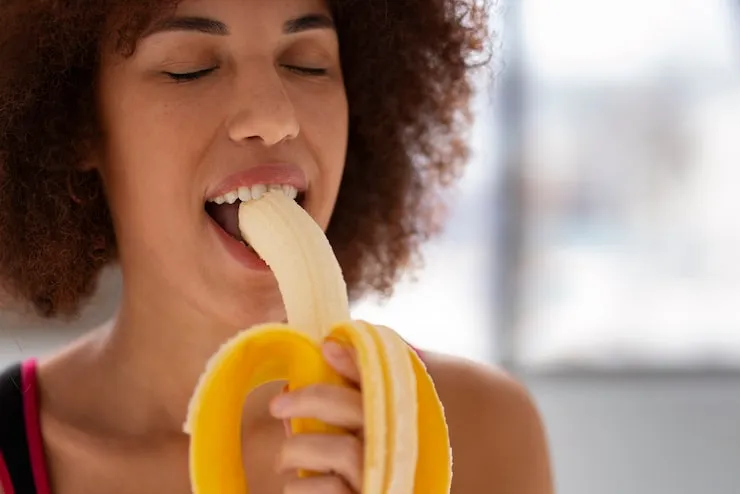
In most cases, a ripe banana is considered a soft food. Its smooth consistency and minimal chewing requirement make it a popular choice after oral procedures, including Dental Implant surgery. However, context matters. A very ripe banana is easier to mash with the tongue, reducing the need for active chewing. This can be beneficial during the early healing phase of a Dental Implant. On the other hand, an unripe banana is firmer and may require more bite force, potentially placing unnecessary pressure near the surgical site. Nutritionally, bananas provide potassium, vitamin B6, vitamin C, and dietary fiber. These nutrients are involved in cellular metabolism and tissue repair. While no single fruit accelerates osseointegration of a Dental Implant, maintaining balanced nutrition supports the body’s natural healing processes. It is also important to consider temperature. Extremely cold or hot foods may trigger sensitivity. A banana served at room temperature is generally more comfortable during the early days following a Dental Implant procedure.The Role of Soft Foods in Dental Implant Recovery
Soft foods are commonly recommended after Dental Implant surgery because they reduce direct mechanical load on the implant site. The implant itself is stable within the bone, but the surrounding tissues are adapting and reorganizing during early healing. Here is a comparison of common post surgery food choices:| Food Type | Texture | Chewing Force Required | Suitability After Dental Implant |
| Ripe Banana | Very Soft | Minimal | Generally Suitable |
| Yogurt | Smooth | None | Suitable |
| Scrambled Eggs | Soft | Low | Suitable |
| Toast | Firm | Moderate | Less Suitable Early On |
| Nuts | Hard | High | Not Suitable Initially |
Nutritional Considerations After Dental Implant Surgery
Healing after a Dental Implant procedure involves coordinated activity between bone cells, immune cells, and connective tissue fibers. Nutrients such as protein, vitamin C, zinc, and iron contribute to collagen formation and tissue remodeling. Bananas contribute carbohydrates for energy and small amounts of vitamin C, which plays a role in collagen synthesis. While a banana alone does not determine the success of a Dental Implant, it can be part of a balanced recovery diet. A diversified soft diet might include:- Mashed vegetables
- Blended soups
- Soft fruits like bananas or avocados
- Protein rich smoothies
- Oatmeal cooked to a soft consistency
Potential Risks of Eating Too Soon After a Dental Implant
While bananas are generally soft, timing still matters. Eating immediately after Dental Implant surgery, especially before anesthesia fully wears off, can increase the risk of accidental biting or trauma to the cheek or tongue. There is also the mechanical factor. Even soft foods require some jaw movement. Excessive chewing on the surgical side during the first day or two after a Dental Implant placement may increase discomfort. Many clinicians suggest chewing on the opposite side when possible during early recovery. Another consideration is oral hygiene. After eating, gentle cleaning around the Dental Implant area is important. Food particles, even from soft fruits, can accumulate. Maintaining a clean environment supports favorable healing conditions.How Long Should You Follow a Soft Diet After Dental Implant Surgery?
The duration of a soft diet after Dental Implant surgery varies depending on factors such as the number of implants placed, bone density, and whether additional procedures like bone grafting were performed. In straightforward cases, patients may gradually reintroduce firmer textures within several days. In more complex cases, clinicians may advise extending a soft diet for a longer period to protect the stability of the Dental Implant. Osseointegration typically progresses over several weeks to months. However, that does not mean a patient must eat only soft foods for the entire duration. The key is gradual progression. Listening to bodily signals such as tenderness or sensitivity can help guide dietary transitions after a Dental Implant procedure.Smart Eating Habits to Support Dental Implant Healing
Rather than focusing solely on whether you can eat a banana, it is helpful to consider broader eating habits after Dental Implant surgery. Some general principles often discussed in clinical settings include:- Choose soft and easy to chew foods in the first days
- Avoid extremely hot or spicy meals
- Chew on the non surgical side when possible
- Maintain gentle but consistent oral hygiene
- Stay hydrated
So, Can You Eat a Banana After Dental Implant Surgery?
In many cases, a ripe banana can be a practical and comfortable option after Dental Implant surgery. Its soft texture, mild flavor, and easy digestibility align well with early recovery needs. However, the key lies in moderation, timing, and mindful chewing. A Dental Implant procedure initiates a sophisticated biological process. While diet alone does not determine the outcome, thoughtful food choices can contribute to a more comfortable healing phase. Bananas, when properly ripened and consumed carefully, often fit within a soft food strategy. Ultimately, recovery after a Dental Implant is about balance. By combining scientific awareness with attentive self care, patients can navigate the post surgical period with confidence. ClinicHI remains committed to providing evidence informed guidance and personalized care throughout every Dental Implant journey.Get Your Free Consultation
Have questions? Leave your details and we'll get back to you as soon as possible.
Get Free Consultation