
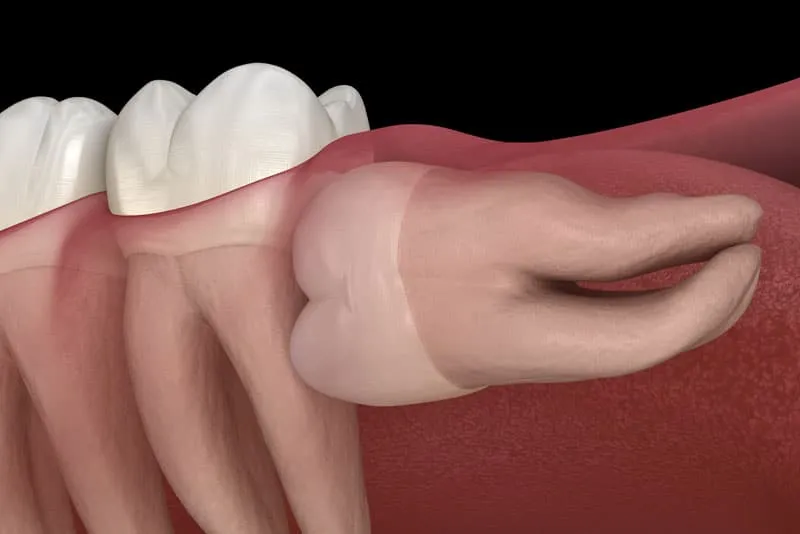
Wisdom Teeth Removal is one of the most commonly discussed dental procedures, yet it often comes with surprisingly nuanced questions. One of the first things people wonder, sometimes the night before the appointment, is whether brushing their teeth beforehand is appropriate or even expected. This question may seem simple, but it touches on hygiene, preparation routines, and how patients mentally approach dental interventions.
In the context of Wisdom Teeth Removal, oral cleanliness is usually associated with readiness and care. However, expectations around brushing are not always intuitive. People often worry about doing something wrong, causing irritation, or interfering with the procedure itself. Understanding the logic behind pre-procedure routines can help ease anxiety and create a sense of control before the day arrives.
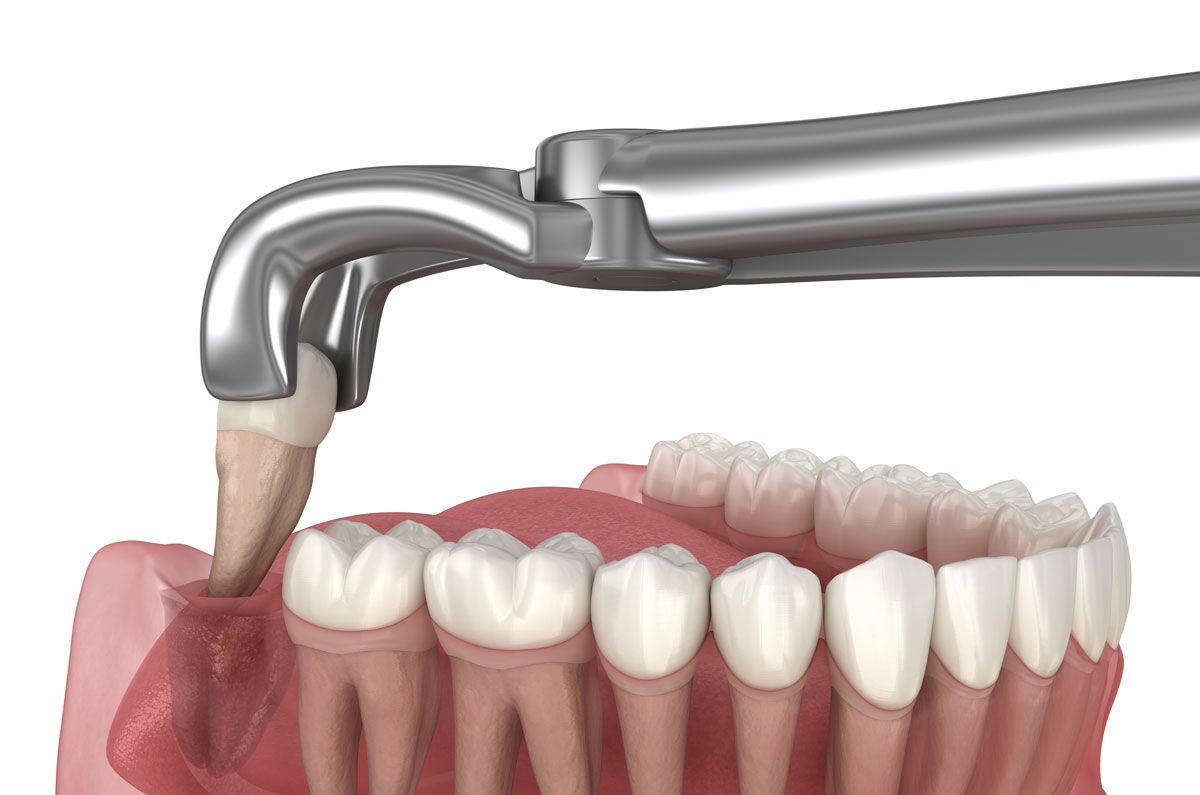
Why Oral Hygiene Matters Before Wisdom Teeth Removal
Before Wisdom Teeth Removal, the mouth represents a complex environment filled with bacteria, saliva, and sensitive tissues. Brushing is generally associated with cleanliness, but its role before a dental extraction is more layered than daily habit alone. From an observational standpoint, a cleaner oral environment allows dental professionals to work with clearer visibility and fewer surface-level complications. Plaque buildup, food debris, or excessive residue can make examination and preparation more difficult. That said, brushing is not about achieving perfection, but rather about maintaining a familiar and balanced oral state. At the same time, overly aggressive cleaning routines can irritate gums or soft tissue. This is why discussions around brushing before Wisdom Teeth Removal often focus on moderation instead of intensity. A normal routine, without additional pressure or experimentation, tends to align best with what dental teams expect to see.Understanding the Timing Around Wisdom Teeth Removal
Timing plays a subtle but important role when thinking about brushing before Wisdom Teeth Removal. Many procedures take place early in the day, often after a period of fasting. This timing can influence how people approach their morning routine. Some individuals assume that fasting automatically excludes brushing, while others worry that toothpaste residue could interfere with the procedure. In reality, brushing exists in a separate category from eating or drinking. It is more about surface hygiene than internal preparation. However, the closer the brushing is to the appointment time, the more relevant technique becomes. Gentle brushing earlier in the day can feel different than rushed or forceful brushing minutes before arrival. In the broader conversation about Wisdom Teeth Removal, timing is less about strict rules and more about maintaining normalcy without introducing new variables.Common Myths About Brushing Before Wisdom Teeth Removal
There are many informal beliefs surrounding Wisdom Teeth Removal, and brushing is no exception. One common myth is that brushing could loosen teeth or irritate the extraction area before the procedure even begins. Another belief suggests that skipping brushing entirely somehow protects the mouth. In reality, these myths often arise from a misunderstanding of how resilient oral tissues are under normal conditions. Brushing alone does not destabilize teeth, nor does it create risks when done as part of a usual routine. Problems typically arise only when habits change dramatically, such as brushing much harder than usual or using unfamiliar products. Another misconception is that dentists prefer an untouched mouth before Wisdom Teeth Removal. This idea likely stems from confusion with other medical procedures. Dentistry, however, operates within the oral environment daily, and standard hygiene does not disrupt that process.Psychological Comfort and Wisdom Teeth Removal Preparation
Preparation for Wisdom Teeth Removal is not only physical, but also psychological. Familiar routines like brushing teeth can provide a sense of comfort and control before an unfamiliar experience. Skipping these routines may actually increase anxiety rather than reduce risk. Brushing can serve as a mental signal that things are proceeding normally. This sense of normalcy is important, especially for individuals who feel nervous about dental visits. Maintaining daily habits reinforces predictability in a situation that otherwise feels uncertain. From this perspective, brushing before Wisdom Teeth Removal is less about clinical necessity and more about emotional readiness. When people feel prepared, they often perceive the entire experience as smoother and less stressful.How Dentists View Pre-Removal Oral Care
Dental professionals approach Wisdom Teeth Removal with a practical mindset. They expect patients to arrive with a mouth that reflects typical daily care, not extraordinary measures. Brushing fits naturally into this expectation when done gently and consistently. Dentists are accustomed to working with a wide range of oral conditions. A mouth that has been brushed normally does not create complications, nor does it alter the technical aspects of the procedure. In fact, predictable hygiene makes assessment easier. What often matters more than the act of brushing itself is whether the patient avoided unusual behaviors beforehand. Sudden changes in oral care routines can create redness or sensitivity that was not present before. In discussions about Wisdom Teeth Removal, consistency is often valued more than intensity.The Balance Between Cleanliness and Sensitivity
One of the central themes around brushing before Wisdom Teeth Removal is balance. Cleanliness supports clarity, but sensitivity requires respect. Teeth and gums that are already under pressure from emerging wisdom teeth can be more reactive than usual. Gentle brushing supports oral balance without overstimulating tissues. This approach aligns with the broader philosophy of minimally disruptive preparation. Rather than aiming for an unusually clean mouth, the goal is to maintain the state the mouth is accustomed to. This balance reflects a broader principle seen throughout Wisdom Teeth Removal preparation. Small, thoughtful actions often matter more than dramatic changes. Understanding this principle helps people approach the procedure with confidence rather than overthinking.Morning Routines and Wisdom Teeth Removal Expectations
Wisdom Teeth Removal often takes place early in the day, which naturally brings morning routines into focus. People frequently wonder whether they should adjust their usual habits or keep everything the same. Morning routines, including brushing, are deeply ingrained behaviors, and changing them abruptly can feel unsettling. From a behavioral standpoint, maintaining a familiar routine helps reduce stress. Brushing teeth as usual fits into this sense of continuity. It signals to the mind that the day is progressing normally, even if an important appointment lies ahead. In the context of Wisdom Teeth Removal, this mental stability can be just as valuable as physical preparation. At the same time, mornings can feel rushed. This is where mindfulness comes into play. A calm, unhurried approach to oral hygiene helps avoid unnecessary gum irritation. The goal is not perfection, but consistency with everyday habits.Toothpaste, Tools, and Wisdom Teeth Removal Considerations
Another layer of discussion around Wisdom Teeth Removal involves the products used during brushing. Toothpaste flavors, whitening agents, or specialty tools can raise questions about suitability before a procedure. Many people assume stronger products equal better preparation, but that is not always the case. Using familiar toothpaste and a regular toothbrush tends to align best with expectations. Strong whitening pastes or abrasive formulas may cause temporary sensitivity, which can feel uncomfortable before an appointment. This does not mean these products are harmful, but timing matters when thinking about Wisdom Teeth Removal. Similarly, electric toothbrushes are part of many daily routines. When used gently, they are no different from manual brushing. The key factor is pressure, not technology. Maintaining normal use patterns avoids surprising the gums or soft tissues.Flossing and Mouth Rinses Before Wisdom Teeth Removal
Beyond brushing, flossing and rinsing are also part of everyday oral care. Their role before Wisdom Teeth Removal is often misunderstood. Some people believe flossing too close to the appointment might irritate gums, while others think skipping it could leave the mouth unclean. Flossing as part of a usual routine generally fits within normal expectations. Problems typically arise only when flossing is done aggressively or introduced suddenly after long periods of avoidance. Consistency once again becomes the central theme in preparing for Wisdom Teeth Removal. Mouth rinses add another dimension. Strong antiseptic rinses can create a different oral sensation, sometimes dryness or tingling. While not inherently problematic, unfamiliar sensations right before an appointment can heighten awareness and discomfort. Many people prefer to stick with what feels normal to them.Eating, Drinking, and Oral Cleanliness Context
Discussions about brushing before Wisdom Teeth Removal often overlap with questions about eating and drinking. While these topics are separate, they intersect in people’s minds during preparation. Brushing is associated with meals, so uncertainty around one can affect the other. When eating is limited before a procedure, brushing still serves its basic purpose of oral freshness. It removes overnight buildup and maintains comfort. This distinction helps clarify that brushing is not tied directly to food intake in the context of Wisdom Teeth Removal. Understanding this separation allows people to approach their routine with more confidence. Instead of second guessing every step, they can rely on familiar habits while respecting any specific instructions they may have received.Sensory Awareness Before Wisdom Teeth Removal
The mouth is highly sensitive, especially when wisdom teeth are involved. Brushing heightens sensory awareness, which can be either reassuring or anxiety provoking depending on the individual. This sensory aspect is an often overlooked part of Wisdom Teeth Removal preparation. For some, brushing provides reassurance that everything feels normal. For others, it may draw attention to discomfort around emerging or impacted wisdom teeth. Neither reaction is unusual. What matters is recognizing that brushing does not change the underlying condition, it simply increases awareness. This awareness can actually be helpful. Being familiar with how the mouth feels before Wisdom Teeth Removal provides a point of reference afterward. It allows individuals to notice changes without panic, simply as part of the overall experience.Cultural and Personal Habits Around Wisdom Teeth Removal
Cultural background and personal upbringing influence how people think about dental care. In some cultures, extensive cleaning before any medical appointment is seen as respectful. In others, minimal interference is preferred. These perspectives shape how individuals approach Wisdom Teeth Removal. There is no single universal behavior that defines correct preparation. Dental professionals encounter a wide range of habits daily. What remains consistent is the value of normal, gentle oral care that reflects everyday life rather than special preparation. Understanding that Wisdom Teeth Removal does not require dramatic changes helps people feel more at ease. It reinforces the idea that this procedure, while significant, fits into the broader rhythm of routine healthcare rather than standing apart from it.Building Confidence Through Familiar Habits
Confidence plays a quiet but important role in how people experience Wisdom Teeth Removal. Familiar habits like brushing teeth contribute to that confidence by creating a sense of readiness. When people feel prepared, they often report lower stress levels and a more positive overall perception. This confidence is not about controlling outcomes, but about feeling grounded. Brushing, flossing, and maintaining oral hygiene serve as small anchors in an otherwise unfamiliar situation. They remind individuals that they are participating actively rather than passively. In this way, brushing before Wisdom Teeth Removal becomes less about rules and more about reassurance. It supports a calm mindset, which can shape how the entire experience is remembered.Habits Often Questioned Before Wisdom Teeth Removal
As the appointment approaches, people tend to analyze even the smallest habits connected to Wisdom Teeth Removal. Actions that normally feel automatic suddenly become topics of doubt. Brushing too firmly, spending extra time in front of the mirror, or redoing routines can all stem from a desire to feel prepared. Interestingly, overthinking habits can create more tension than the habits themselves. When routines are altered unnecessarily, the mouth may feel different than usual. This unfamiliarity can heighten sensitivity around wisdom teeth, making the experience feel more intense before anything has even begun. Keeping behaviors aligned with everyday life supports comfort. In the context of Wisdom Teeth Removal, stability often outweighs experimentation.
Subtle Behaviors That May Feel Different
Certain subtle actions can feel amplified on the day of Wisdom Teeth Removal. Tongue movement, awareness of pressure near the back molars, or even the sensation of saliva can suddenly draw attention. Brushing can make these sensations more noticeable, but it does not create them. This heightened awareness is often psychological rather than physical. Knowing that a dental procedure is planned naturally directs focus inward. Brushing simply becomes the moment when that focus is triggered. Understanding this helps people interpret sensations more calmly. Instead of viewing them as warning signs related to Wisdom Teeth Removal, they can be seen as part of normal anticipation.Timing and Routine Flow Before Wisdom Teeth Removal
Timing plays an understated role in how brushing fits into Wisdom Teeth Removal preparation. Some prefer brushing immediately after waking, while others delay it until closer to leaving home. Both choices reflect personal rhythm rather than right or wrong behavior. What matters is flow. A smooth, unhurried morning tends to support emotional balance. When brushing is rushed or repeated unnecessarily, it can disrupt that flow and increase nervous energy tied to Wisdom Teeth Removal. Establishing a simple sequence and sticking to it helps the morning feel predictable. Predictability often reduces stress more effectively than any special preparation technique.Social Perceptions and Personal Comfort
Social considerations also influence brushing behavior before Wisdom Teeth Removal. People often think about how they will interact with others before arriving, whether speaking, smiling, or simply feeling presentable. Brushing contributes to this sense of social readiness. Feeling comfortable with one’s breath and oral freshness can reduce self consciousness. While this does not affect the procedure itself, it shapes how individuals feel leading up to Wisdom Teeth Removal. Comfort in social interactions, even brief ones, adds to overall ease. That ease can subtly influence how calmly someone approaches the appointment.Mental Preparation and Wisdom Teeth Removal
Mental preparation is rarely discussed, yet it plays a significant role in Wisdom Teeth Removal experiences. Brushing teeth can act as a mental checkpoint, signaling transition from home to appointment mode. This moment allows thoughts to settle. Instead of spiraling into worry, brushing can be a grounding activity. Familiar motions help redirect attention from future concerns to present actions. In this sense, brushing becomes part of mental readiness for Wisdom Teeth Removal, not because it changes outcomes, but because it shapes mindset.Looking Back After Wisdom Teeth Removal
After Wisdom Teeth Removal, many people reflect on the hours before the appointment. Small actions, like brushing teeth, are often remembered as part of the buildup. When routines feel normal, these memories tend to carry less stress. This retrospective perspective highlights the value of simplicity. Ordinary habits rarely stand out as mistakes, while overcomplicated routines often do. Familiarity creates a sense of continuity between before and after Wisdom Teeth Removal. That continuity can make the entire experience feel more manageable and less disruptive to daily life.Final Thoughts on Brushing Before Wisdom Teeth Removal
Brushing teeth before Wisdom Teeth Removal is less about preparation rules and more about personal comfort. It reflects how individuals relate to routine, control, and anticipation. There is quiet reassurance in doing something familiar on a day filled with uncertainty. Rather than seeking perfect preparation, many find peace in normalcy. Gentle, consistent habits often provide more comfort than drastic changes. In the broader picture of Wisdom Teeth Removal, brushing is simply one small part of a much larger human experience shaped by routine, mindset, and expectation.Get Your Free Consultation
Have questions? Leave your details and we'll get back to you as soon as possible.
Get Free Consultation