
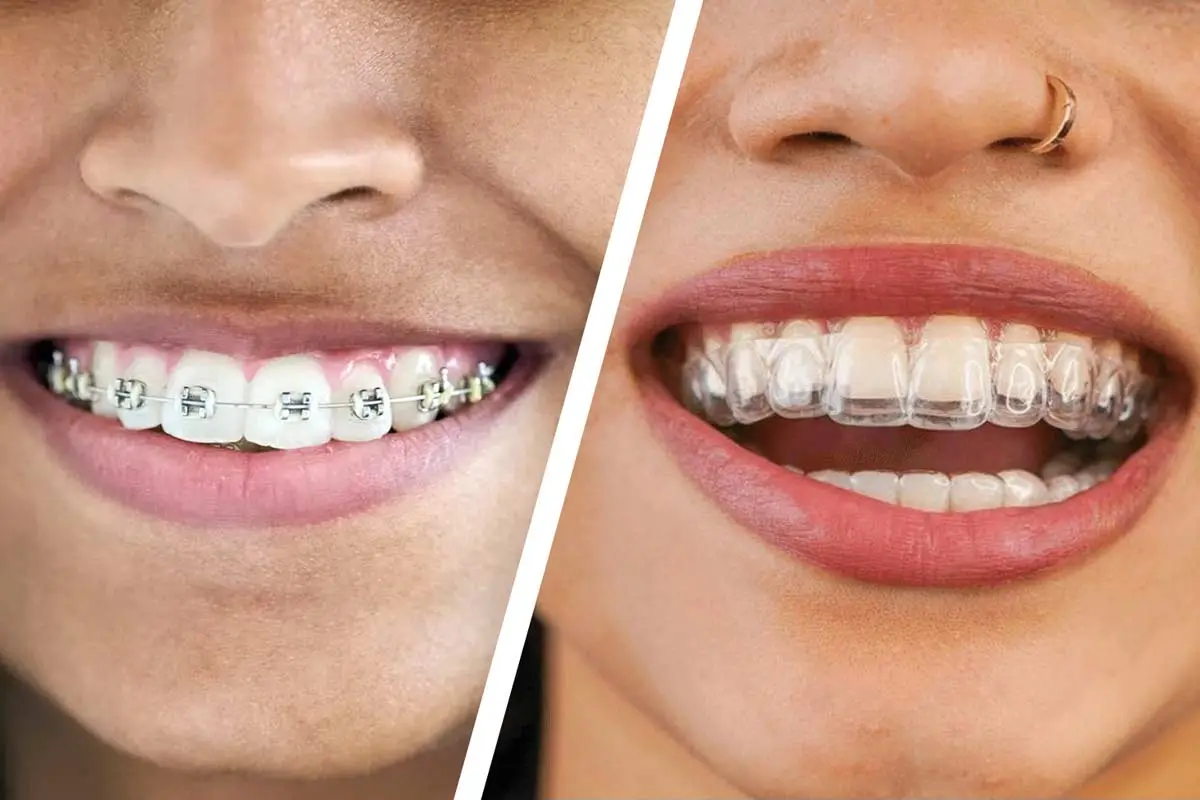
Choosing an orthodontic treatment today is no longer a simple decision between metal brackets and wires. With the rise of Invisalign, patients now compare comfort, aesthetics, lifestyle impact and long term effectiveness more than ever. In the first step of this comparison, Invisalign often stands out as a modern and discreet alternative, while traditional braces continue to represent a time tested orthodontic approach.
 Braces require specialized cleaning tools to reach around brackets and wires. Without proper care, plaque accumulation may increase. Research in preventive dentistry often notes improved hygiene compliance among Invisalign users due to ease of access.
Long term maintenance after treatment also matters. Retainers are typically recommended regardless of the system used. Invisalign treatment often transitions smoothly into clear retainers, maintaining visual consistency.
Braces require specialized cleaning tools to reach around brackets and wires. Without proper care, plaque accumulation may increase. Research in preventive dentistry often notes improved hygiene compliance among Invisalign users due to ease of access.
Long term maintenance after treatment also matters. Retainers are typically recommended regardless of the system used. Invisalign treatment often transitions smoothly into clear retainers, maintaining visual consistency.
This comparison highlights structural differences without positioning one as universally superior.
Understanding Orthodontic Systems with Invisalign in Focus
Orthodontic systems aim to gradually reposition teeth using controlled forces. Traditional braces rely on brackets bonded to the teeth and connected by archwires. Invisalign, on the other hand, uses a series of clear aligners created through digital modeling. What makes Invisalign particularly interesting is its reliance on 3D simulations. These simulations map the entire treatment journey before the first aligner is worn. Braces work progressively as adjustments are made during clinical visits, while Invisalign follows a preplanned digital roadmap. Both systems are grounded in orthodontic biomechanics, yet the experience for the individual differs significantly in daily life, visibility and maintenance routines.Aesthetic and Social Perception of Invisalign vs Braces
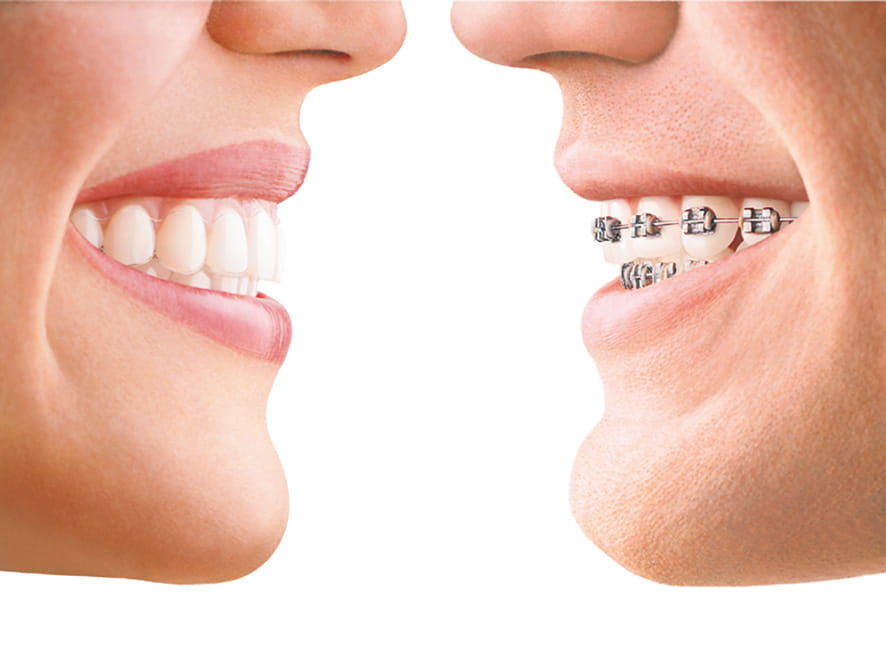
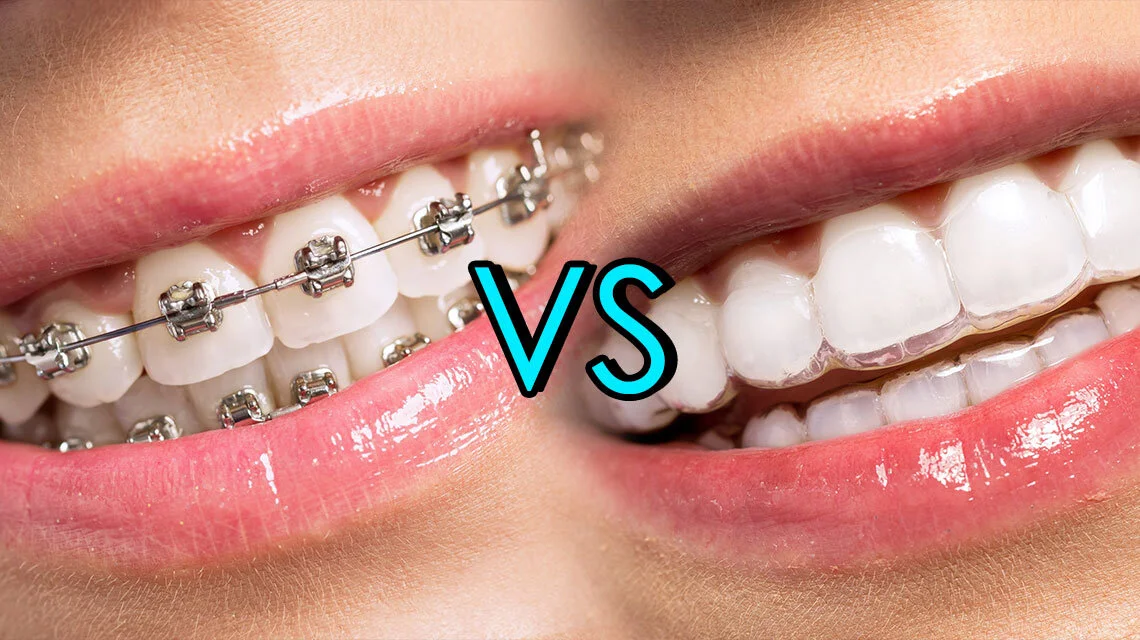
One of the most discussed advantages of Invisalign is appearance. Clear aligners are designed to blend with natural teeth, making them far less noticeable in social or professional environments. This feature has made Invisalign popular among adults and teenagers who prefer subtle treatment. Braces, even with ceramic options, remain visible. For some, this visibility is not a concern and may even signal commitment to dental improvement. However, research in dental psychology suggests that discreet orthodontic solutions like Invisalign can positively influence self confidence during treatment. From presentations to everyday conversations, aligners allow users to smile freely without drawing attention to the treatment process itself.Comfort and Daily Experience with Invisalign Aligners
Comfort is another key factor when comparing braces and Invisalign. Traditional braces can cause irritation due to metal components rubbing against cheeks and lips. Adjustments may also lead to short term discomfort. Invisalign aligners are smooth and custom fitted, reducing friction inside the mouth. While pressure is still applied to move teeth, many users describe the sensation as more controlled and predictable. Daily routines also differ. Invisalign aligners can be removed during meals and oral care, allowing users to maintain regular brushing and flossing habits. Braces require additional tools and techniques to clean around brackets and wires effectively.Treatment Planning and Predictability Using Invisalign Technology
A defining feature of Invisalign is its digital planning process. Advanced software creates a virtual treatment sequence, showing projected tooth movement at each stage. This data driven approach appeals to individuals who value transparency and foresight. Braces rely more on periodic manual adjustments. While highly effective, the final outcome evolves gradually and may involve modifications along the way. Invisalign’s digital predictability does not guarantee identical results for every person, but it does provide a clearer visualization of the intended direction. Studies comparing digital orthodontics and traditional methods highlight increased patient engagement when treatment plans are visually demonstrated, a benefit closely associated with Invisalign systems.Lifestyle Flexibility and Invisalign Compatibility
Lifestyle considerations often influence orthodontic decisions. Invisalign aligners are removable, which allows flexibility during meals, special occasions and sports activities. This removability is frequently cited as a major advantage. Braces are fixed appliances, meaning dietary restrictions are more significant. Sticky or hard foods may damage brackets, requiring caution and adaptation. Invisalign aligners eliminate many of these concerns, as they are removed before eating. However, discipline plays a role. Aligners must be worn consistently to stay aligned with the treatment plan. This aspect of Invisalign appeals to individuals who value autonomy and responsibility in their care routines.Effectiveness and Case Suitability of Invisalign
Effectiveness is often the most critical question. Invisalign is commonly used for mild to moderate alignment concerns, spacing issues and certain bite irregularities. Advances in aligner technology have expanded its application range over time. Braces remain widely used for complex orthodontic cases, including severe misalignments. Their fixed nature allows continuous force application without reliance on patient compliance. Rather than framing this as a competition, many orthodontic analyses suggest that Invisalign and braces serve different profiles. Understanding these profiles helps individuals align expectations with realistic outcomes.Oral Hygiene and Long Term Maintenance with Invisalign
Maintaining oral hygiene during orthodontic treatment is essential for long term dental health. Invisalign aligners can be removed, making brushing and flossing more straightforward. This accessibility supports consistent hygiene habits.
Braces require specialized cleaning tools to reach around brackets and wires. Without proper care, plaque accumulation may increase. Research in preventive dentistry often notes improved hygiene compliance among Invisalign users due to ease of access.
Long term maintenance after treatment also matters. Retainers are typically recommended regardless of the system used. Invisalign treatment often transitions smoothly into clear retainers, maintaining visual consistency.
Psychological and Emotional Aspects of Invisalign Treatment
Beyond physical factors, orthodontic treatment affects emotional wellbeing. Invisalign offers a sense of control, as users can track progress through each aligner stage. This incremental visibility can be motivating. Braces may feel more passive, with progress noticed mainly during appointments. Some individuals appreciate this structure, while others prefer the interactive nature of Invisalign. Dental behavior studies suggest that perceived autonomy and comfort can influence treatment satisfaction. These elements contribute to why Invisalign is often described as a lifestyle oriented orthodontic option.Braces vs Invisalign Comparison Table
| Feature | Braces | Invisalign |
| Visibility | Noticeable | Nearly invisible |
| Removability | Fixed | Removable |
| Oral hygiene | More complex | Easier access |
| Lifestyle flexibility | Limited | High |
| Digital planning | Limited | Advanced 3D modeling |
Choosing Between Braces and Invisalign
Deciding between braces and Invisalign involves balancing aesthetics, comfort, predictability and personal habits. Both systems are rooted in orthodontic science and continue to evolve through research and innovation. At ClinicHI, the focus remains on helping individuals understand their options clearly. By examining daily experience, technology, lifestyle impact and emotional factors, readers can approach orthodontic research with confidence and clarity. Rather than seeking a single best solution, understanding how Invisalign fits into modern orthodontics empowers informed and thoughtful decision making.Get Your Free Consultation
Have questions? Leave your details and we'll get back to you as soon as possible.
Get Free Consultation