
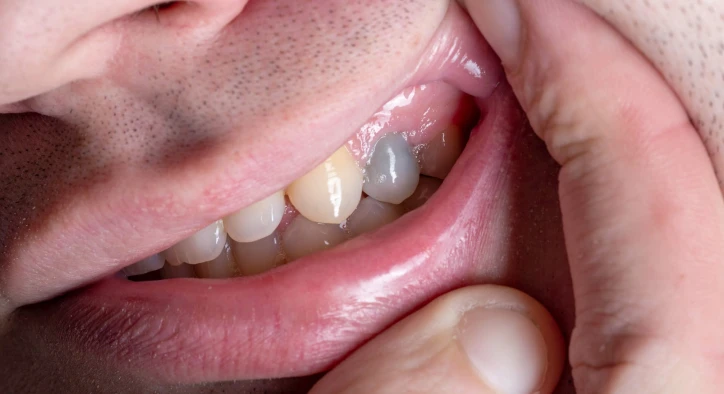
A bright smile often shapes first impressions, which is why Blackened Teeth can feel alarming, confusing, and deeply personal. While many people first associate dark teeth with poor brushing, the reality is far more complex. Blackened Teeth may appear because of stains, tooth decay, trauma, old dental materials, internal discoloration, or even lifestyle habits that slowly alter the color of enamel and dentin over time.
At ClinicHI, we believe oral health topics should be explained with clarity, nuance, and a touch of humanity. Tooth discoloration is not always a simple cosmetic issue, and Blackened Teeth can signal very different conditions depending on whether the dark color is on the surface, within the tooth, or around the gumline.
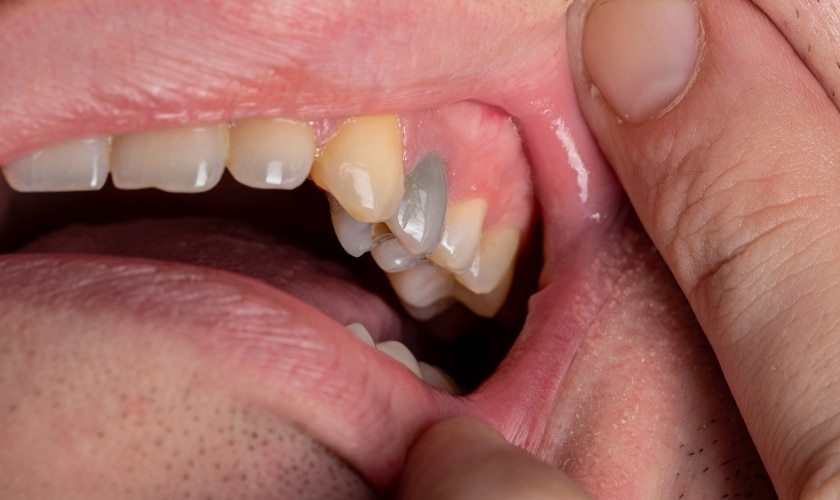
This is why Blackened Teeth should never be reduced to a single cause. Color is a clue, but it is only one clue.
No single treatment fits every dark tooth. That is why online “quick fixes” often disappoint. A stain can be polished away. A dead tooth cannot.

Understanding Blackened Teeth and Why They Happen
Blackened Teeth is a broad term rather than a single diagnosis. In everyday language, people may use it to describe teeth that look black, dark brown, gray, or heavily stained. From a dental perspective, the color change can come from external staining on the enamel, internal damage to the tooth structure, or decay that has progressed enough to alter the tooth’s appearance. The shade and location of the discoloration matter. A dark line near the gums may point toward tartar and staining. A single dark tooth may suggest trauma, nerve damage, or an old restoration. Several darkened teeth may be linked to lifestyle habits, medications, enamel wear, or long-term neglect of plaque buildup. In short, “black teeth” may look similar in the mirror, but their underlying stories can be entirely different. Scientists and clinicians generally distinguish between two major categories of discoloration: extrinsic and intrinsic. Extrinsic discoloration affects the outer layer of the tooth. Intrinsic discoloration develops from within the tooth itself. This distinction matters because the cause often shapes the treatment. Surface stains may respond to hygiene measures or professional cleaning, while internal discoloration may require restorative or cosmetic procedures. Another important detail is that teeth are not naturally paper-white. Healthy teeth vary in shade. Enamel is slightly translucent, and the dentin beneath it has a yellowish tone. When enamel thins, the tooth can appear darker. So in some cases, what looks like Blackened Teeth may actually be the visual result of erosion, wear, or the aging process interacting with deeper tooth layers.Common Causes of Blackened Teeth
The causes of Blackened Teeth range from ordinary to serious. One of the most common explanations is external staining. Dark beverages such as coffee, tea, red wine, and cola contain pigments called chromogens. These can cling to the tooth surface, especially if plaque is present. Tobacco also plays a major role. Over time, nicotine and tar can create brown-to-black stains that settle into porous enamel and along the gumline. Tooth decay is another major factor. When bacteria feed on sugars, they produce acids that weaken enamel. As the process deepens, the tooth may develop brown or black areas. In advanced stages, decay can create holes, crumbling edges, and pronounced dark patches. This kind of discoloration is not merely cosmetic. It can indicate a structural problem that changes both the look and strength of the tooth. Trauma can also make a tooth darken from the inside. A blow to the mouth may damage the pulp, the soft tissue inside the tooth that contains nerves and blood vessels. If the pulp is affected, the tooth can shift from yellow to gray, brown, or almost black over time. This often happens gradually, which is why some people notice the change weeks or even months after an accident. Old fillings and dental materials may contribute as well. Certain metal restorations can create a darkened appearance around the tooth. In some cases, materials used years ago may stain surrounding tooth structure. Similarly, poor oral hygiene can allow plaque to harden into tartar, which can look dark if it absorbs pigments from food and drink. Here is a simple overview:| Possible Cause | How It May Look | Typical Pattern |
| Surface staining | Brown to dark patches | Multiple teeth, especially front teeth |
| Tooth decay | Black spot, hole, or dark cavity | One or more teeth |
| Trauma | Gray or black single tooth | Often one tooth after impact |
| Tartar buildup | Dark line near gums | Along gumline, especially lower front teeth |
| Old restorations | Dark edges or shadowing | Around filled or repaired teeth |
| Enamel wear | Duller, darker overall look | Widespread, gradual |
How Lifestyle and Diet Influence Blackened Teeth
Lifestyle habits often play a larger role in Blackened Teeth than people realize. Daily routines shape the chemistry of the mouth. Foods and drinks rich in pigments can stain enamel, especially when they are consumed frequently without water rinsing or brushing later. Coffee and tea are famous examples, but dark sauces, berries, balsamic vinegar, and sports drinks may also contribute. Smoking and other tobacco use remain among the strongest lifestyle-related factors. Tobacco can create stubborn discoloration that appears yellow at first and then deepens into brown or black tones. It also affects saliva flow and gum health, which may indirectly worsen the environment that allows stains and buildup to persist. Oral hygiene habits matter too. Plaque is soft and can often be removed with brushing and flossing. Tartar, by contrast, hardens and usually needs professional cleaning. When tartar absorbs pigments, it can make teeth appear much darker. In many cases, people who believe they have Blackened Teeth are actually seeing a combination of tartar and stain accumulation rather than deep internal discoloration. Dietary acidity adds another layer. Acidic drinks and foods can slowly weaken enamel. As enamel thins, the darker dentin underneath becomes more visible. This does not always produce a truly black tooth, but it can create a dimmer, older, or darker appearance. The result may be described by patients as “my teeth are turning dark,” even when the process is related to erosion rather than staining alone. A practical way to think about it is this:- Pigments stain the outer surface.
- Acids weaken the protective enamel.
- Plaque and tartar hold onto stains.
- Time intensifies the visual effect.
Blackened Teeth and Dental Conditions Beneath the Surface
Sometimes the dark color is a visible sign of something happening inside the tooth. In these cases, Blackened Teeth may reflect changes beneath the enamel rather than on it. A tooth that has lost vitality may turn gray or black because blood pigments and tissue breakdown products alter the internal structure. This type of discoloration tends to affect a single tooth and may follow trauma, infection, or long-standing decay. Dental decay itself can also work beneath the surface before becoming obvious. What starts as a subtle demineralized area may eventually collapse into a dark cavity. The black color can result from decayed tissue, trapped debris, and bacterial activity. In this stage, the change in appearance often comes with texture changes too. The area may feel rough, soft, or uneven. In some cases, cracks, previous root canal issues, or leakage around restorations may contribute to darkening. Teeth are living structures exposed to pressure, heat, cold, bacteria, and daily wear. A dark tooth is not always painful, and that can be misleading. The absence of pain does not necessarily mean the absence of a problem. Many people with Blackened Teeth only seek help because of the color change, then discover a deeper issue that had progressed quietly. This is one reason dentists often rely on more than a visual exam. X-rays, light tests, percussion tests, and the history of the tooth all help build a more accurate picture. The color alone may suggest a direction, but it rarely tells the whole story.How Blackened Teeth Are Commonly Evaluated
When someone presents with Blackened Teeth, evaluation usually begins with observation and history. A clinician may look at whether one tooth or several teeth are affected, where the discoloration sits, whether there is plaque or tartar, and whether the patient recalls trauma, pain, sensitivity, or previous dental work. The pattern of darkening often provides useful clues. A single dark front tooth may raise different questions than dark buildup near the gumline on multiple teeth. Similarly, a black spot in a molar may suggest decay, while widespread gray-brown discoloration may lead the conversation toward enamel wear, medications, or developmental factors. This is why self-diagnosis can be unreliable. Similar colors can arise from very different mechanisms. Imaging may be used if there is concern about internal damage, decay depth, or infection. In scientific and clinical settings, discoloration is often interpreted alongside structural changes rather than as an isolated symptom. That broader approach helps explain why treatment for Blackened Teeth is so variable. The visible issue may be “black color,” but the actual target of treatment could be tartar, bacteria, dead pulp tissue, weakened enamel, or damaged restoration margins. The evaluation phase is often the most underrated part of the process. People tend to focus on what can whiten or cover the tooth, yet identifying the reason behind the darkening usually determines whether a cosmetic improvement will last.Treatment Options for Blackened Teeth
Treatments for Blackened Teeth depend heavily on the cause. Surface stains may be addressed with professional cleaning, polishing, or whitening approaches where appropriate. If tartar is the main problem, scaling may improve the appearance by removing the hardened deposits that trap dark pigments. These methods are most relevant when the discoloration is external. When decay is involved, the treatment path usually shifts toward restorative care. The darkened portion may need to be cleaned out and repaired with a filling, inlay, onlay, or crown depending on the size and location of the damage. If the pulp is affected, root canal treatment may sometimes be part of the discussion before the tooth is restored cosmetically. If a tooth has darkened after trauma, internal discoloration may be managed in different ways. Some cases are addressed with internal bleaching after endodontic treatment, while others may be improved with veneers or crowns, especially if the tooth structure is weakened or the color change is severe. The best-known cosmetic solutions often work well for stains, but they may not fully solve Blackened Teeth caused by internal damage. Below is a broad treatment map:| Cause | Possible Approach |
| Surface stain | Cleaning, polishing, whitening |
| Tartar buildup | Professional scaling and hygiene support |
| Tooth decay | Removal of decay and restoration |
| Internal discoloration | Endodontic evaluation, internal bleaching, veneer, or crown |
| Old restorations | Replacement or cosmetic correction |
| Structural damage | Crown or other restorative reinforcement |
Cosmetic and Restorative Approaches to Blackened Teeth
The cosmetic side of Blackened Teeth is important because appearance affects confidence, speech comfort, social habits, and how people smile in photos. Yet aesthetics and function often overlap. A dark tooth that is structurally weak may need more than a whitening solution. In those situations, restorative dentistry and cosmetic dentistry meet in the same place. Teeth whitening may help when discoloration is superficial or generalized. However, very dark single teeth often respond differently from a full arch with uniform staining. Veneers can mask color and reshape the front surface of a tooth, making them popular for visible anterior teeth. Crowns offer fuller coverage and may be considered when the tooth is both discolored and compromised. Bonding is another option in selected cases. Composite materials can cover certain dark areas and improve shape. The choice among these methods often depends on the severity of the discoloration, the amount of healthy tooth remaining, bite forces, and the patient’s aesthetic expectations. For many people with Blackened Teeth, the most satisfying result comes from addressing both the color and the underlying structural issue rather than treating the shade alone. From an aesthetic perspective, dentistry increasingly aims for natural-looking outcomes instead of flat, overly white surfaces. That matters because a restored tooth should blend with neighboring teeth, not simply be lighter. In that sense, the treatment of dark teeth is as much about harmony as brightness.
Preventing Blackened Teeth Over Time
Prevention is not a guarantee, but it does shape the long-term odds. The most effective strategies for reducing the risk of Blackened Teeth usually involve consistent plaque control, attention to stain-forming habits, and early observation of small changes before they become dramatic. Surface staining tends to intensify when routine cleaning is inconsistent, and decay becomes more serious when ignored in its earlier stages. Hydration, careful brushing, flossing, and routine cleanings all influence the oral environment. Many dark stains become more visible when plaque and tartar are allowed to remain. Reducing tobacco exposure and being mindful of highly pigmented foods and beverages may also help lower the staining burden over time. For people who are prone to enamel wear, the conversation may also include acidic diets and grinding habits. Another overlooked form of prevention is simply noticing change early. A tooth that turns slightly gray after an injury may not seem urgent, but that visual shift can be meaningful. In the same way, a small black dot may be more manageable than a large cavity discovered months later. Blackened Teeth often look sudden in hindsight, even though the process that caused them was gradual. In practical terms, prevention is less about perfection and more about interruption. The earlier a staining, decay, or trauma-related issue is identified, the more options tend to exist for managing it conservatively.Final Thoughts on Blackened Teeth
Blackened Teeth can be unsettling, but they are not a one-size-fits-all problem. A dark tooth may reflect surface stains, tartar, trauma, decay, aging enamel, or a deeper structural issue. The visual similarity between these conditions is exactly what makes the topic so interesting from a scientific perspective and so tricky from a personal one. At ClinicHI, we see oral health content as most useful when it respects both complexity and readability. If there is one key takeaway, it is this: the appearance of Blackened Teeth is a signal, not a conclusion. Understanding where the color comes from is what turns concern into clarity. Once the cause is better understood, the path forward usually becomes much easier to imagine.Get Your Free Consultation
Have questions? Leave your details and we'll get back to you as soon as possible.
Get Free Consultation