
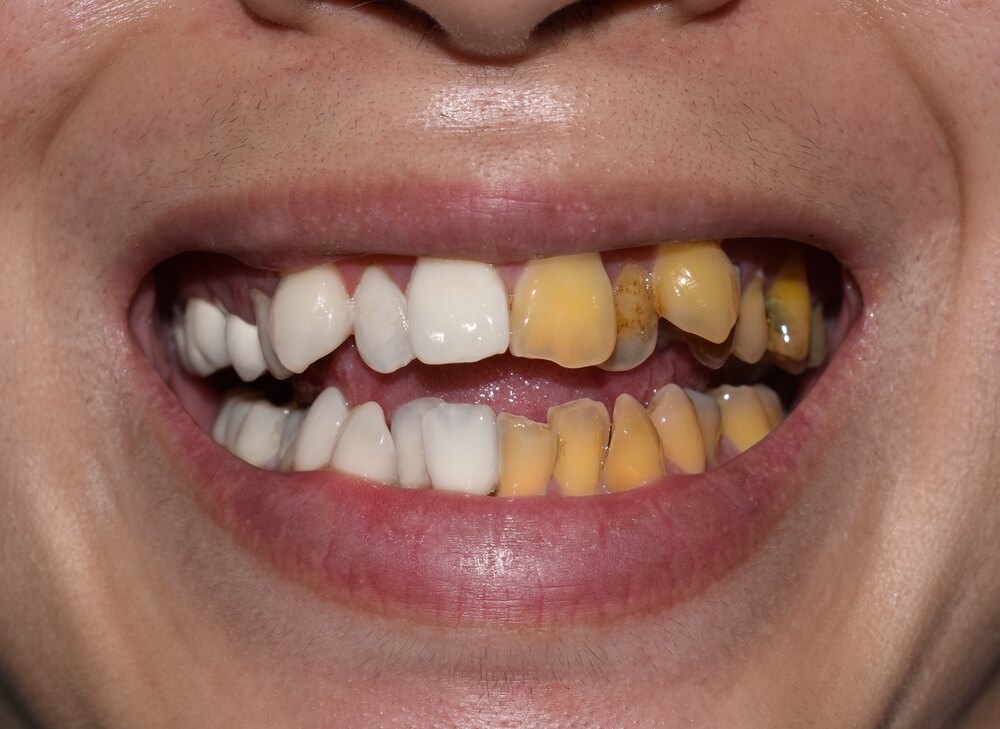
Yellow Teeth are not just an aesthetic concern they tell stories about our habits, diet, and even genetics. The subtle shift from a pearly white to a dull yellow hue often feels like an attack on confidence, yet it’s a completely natural process. Over time, enamel the outer layer of the tooth wears down, revealing the naturally yellow dentin beneath. Add to that a daily cup of coffee, the occasional glass of red wine, and a few too many sodas, and you’ve got the perfect recipe for discoloration.
What’s fascinating is how our modern obsession with a whiter smile has given rise to a booming industry of Yellow Teeth treatments. From homemade remedies involving baking soda and lemon juice to high-tech laser whitening procedures, everyone seems to be on a quest for that dazzling Hollywood smile. But do all whitening methods actually work? And more importantly are they safe for your teeth in the long run?
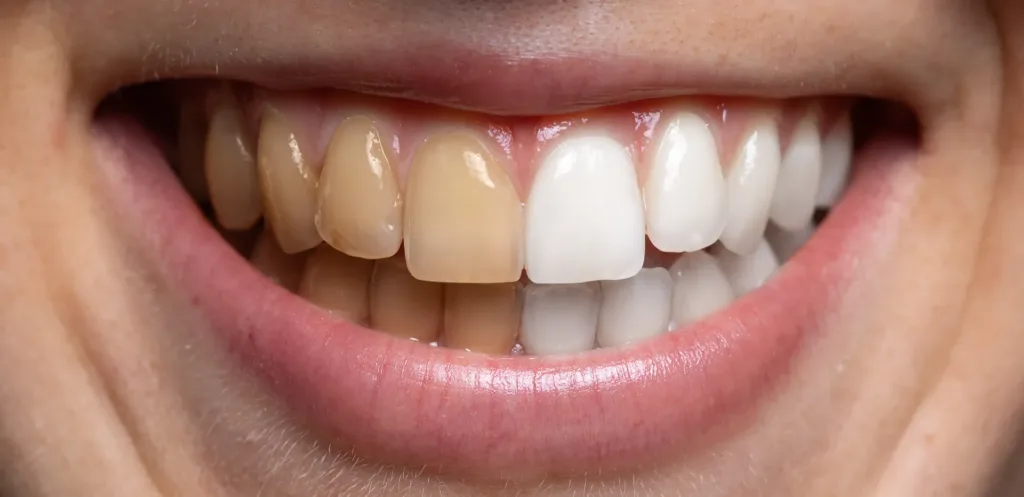
The main problem with these remedies is inconsistency. While they may brighten your smile temporarily, excessive use can damage enamel the very thing protecting your teeth from sensitivity and decay.
Still, the appeal of DIY whitening is undeniable. It’s cheap, accessible, and feels empowering. People love the idea of taking control of their own appearance, and the immediate visual feedback (even if it’s placebo) keeps them hooked.
Yet, when it comes to Yellow Teeth , it’s important to remember that not all discoloration happens on the surface. Deep, intrinsic stains caused by age, trauma, or medication can’t be scrubbed away with baking soda or lemons. For those, professional solutions often deliver more predictable and safer results.
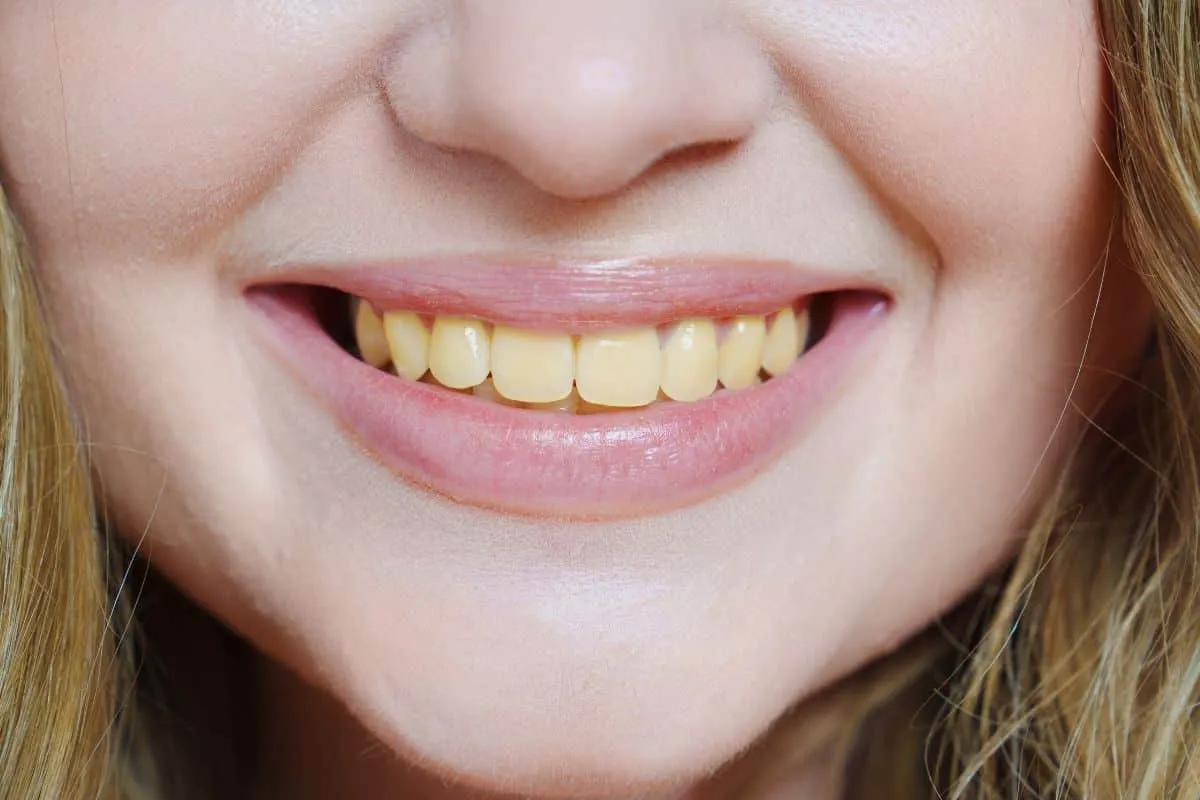
This comparison shows that while home remedies offer affordability and accessibility, professional whitening provides longevity and safety. Think of it like skincare: drugstore scrubs may give instant glow, but a dermatologist’s plan delivers sustainable transformation.
Why Yellow Teeth Happen: More Than Just Coffee and Cigarettes
Let’s break down the main culprits behind Yellow Teeth because it’s rarely just about poor brushing habits.- Diet & Lifestyle: Foods rich in chromogens (like berries, coffee, and wine) can stain enamel, making teeth appear darker.
- Aging: As we grow older, enamel naturally thins, revealing more dentin.
- Medications: Certain antibiotics, such as tetracycline, are known to alter tooth color if used during tooth development.
- Genetics: Some people are simply born with thinner enamel or naturally yellower teeth.
- Poor Oral Hygiene: Plaque buildup can make teeth appear discolored, even if the enamel underneath is still healthy.
DIY Whitening Trends: Do They Really Work on Yellow Teeth?
In the age of social media, DIY whitening hacks are everywhere influencers brushing with activated charcoal, people swishing coconut oil for “oil pulling,” and others applying hydrogen peroxide like it’s mouthwash. The promise? Instant results with household ingredients. But let’s separate fact from fiction.| DIY Method | Claimed Benefit | Scientific Backing |
| Baking Soda | Gently removes surface stains | Partially true can be abrasive if overused |
| Activated Charcoal | Absorbs toxins and stains | Limited evidence may wear enamel |
| Hydrogen Peroxide | Bleaches teeth | Effective in controlled doses, risky when unregulated |
| Oil Pulling | Natural detox | Minimal evidence for whitening effect |
The Myth of the Instant Whitening Fix
There’s a common misconception that Yellow Teeth can be reversed overnight. This idea is largely fueled by marketing from toothpaste commercials to social media filters that make even average smiles look snow-white. In reality, true whitening takes time, consistency, and the right balance of safety and efficacy. Even professional treatments, while faster than DIY methods, don’t work like magic. Most in-clinic whitening systems use peroxide-based gels activated by LED or laser light, which accelerates the process. However, the number of sessions required depends on the depth and cause of discoloration. The truth? Patience pays off. Just like skincare routines or fitness goals, achieving lasting brightness requires discipline and maintenance. In fact, some dental studies show that gradual whitening yields longer-lasting and healthier results than one-time aggressive bleaching.Why People Choose Home Remedies Over Professional Whitening
The popularity of at-home solutions for Yellow Teeth isn’t just about convenience it’s emotional. People often see professional treatments as expensive, intimidating, or even unnecessary. There’s also a growing distrust toward anything “clinical,” as consumers increasingly turn toward natural or “clean” options. However, the trade-off is often results versus safety. While a $10 home kit might promise the same effect as a $300 professional session, the difference lies in precision. Dentists are trained to protect gums, manage sensitivity, and tailor peroxide concentrations to your enamel type something no DIY method can guarantee. This doesn’t mean all home whitening is bad. Whitening strips and dentist-approved home kits can deliver great results when used responsibly. The key is moderation and realistic expectations a brighter smile, not a blinding one.The Science Behind Professional Whitening Treatments for Yellow Teeth
While DIY methods for Yellow Teeth can deliver subtle improvements, professional whitening treatments take things to a scientific level. These procedures are carefully designed to target both extrinsic and intrinsic discoloration the kind that lies deep within the enamel and dentin layers. Professional whitening typically involves hydrogen peroxide or carbamide peroxide gels, which release oxygen molecules that break apart staining compounds. When activated by heat, light, or laser, these molecules penetrate the enamel and chemically alter the stains’ molecular structure. The result? A visibly brighter smile with minimal damage to tooth integrity. According to various dental studies, clinical whitening can lighten teeth by several shades within one or two sessions. However, results depend on individual factors such as enamel thickness, previous staining habits, and even saliva composition. Unlike DIY methods, in-clinic procedures are personalized and closely monitored, significantly reducing the risks of sensitivity or gum irritation.The Emotional Power of a Whiter Smile
The fascination with fixing Yellow Teeth isn’t just a matter of aesthetics it’s deeply psychological. Humans are naturally drawn to brightness and symmetry, both of which are subconsciously linked to youth and health. A whiter smile, therefore, carries symbolic meaning: it’s associated with vitality, confidence, and even social success. Recent behavioral research suggests that people who undergo whitening procedures often experience measurable boosts in self-esteem. They smile more often, engage more confidently in social settings, and even perform better in job interviews. The “smile effect,” as psychologists call it, reflects how appearance subtly shapes self-perception and interpersonal communication. Yet, this psychological boost can turn problematic when the pursuit of perfection becomes obsessive. Over-whitening, sometimes called “bleachorexia,” can erode enamel and cause chronic sensitivity. It’s a powerful reminder that moderation and self-awareness matter as much as the results themselves.
Comparing Longevity: DIY Whitening vs. In-Clinic Results
To understand which method keeps Yellow Teeth at bay longer, we can compare durability, consistency, and maintenance needs between home and professional treatments.| Factor | DIY Whitening | In-Clinic Whitening |
| Average Duration | 2–4 weeks | 6 months to 2 years |
| Result Consistency | Variable; depends on usage | Predictable; professionally monitored |
| Risk of Sensitivity | High if overused | Controlled by dental supervision |
| Maintenance | Frequent touch-ups needed | Minimal; occasional re-whitening |
The Evolution of Whitening Technology
Modern dentistry has turned Yellow Teeth treatment into an art form, combining science and aesthetics. Gone are the days of painful bleaching sessions and harsh chemicals. Today’s whitening systems employ LED lights, low-sensitivity gels, and even AI-driven shade analysis to customize treatment. One emerging technology involves nanohydroxyapatite, a mineral that not only whitens but also remineralizes enamel. Another innovation is cold-light laser whitening, which reduces sensitivity by keeping temperature levels low during activation. These advancements reflect a broader trend: the shift from cosmetic whitening toward holistic dental health. Furthermore, the development of digital shade-matching tools allows professionals to personalize whitening outcomes. Instead of striving for unnaturally white teeth, the goal is harmony matching whiteness to skin tone and natural enamel undertones for a balanced, authentic look.Can Lifestyle Habits Reverse the Effects of Whitening?
After investing in professional treatment, the next challenge for anyone dealing with Yellow Teeth is maintenance. It’s surprisingly easy to undo results through small daily habits. Coffee, tea, and tobacco remain the biggest offenders, but even seemingly harmless foods like tomato sauce or soy can gradually darken enamel. Dentists often recommend a simple “rule of thumb”: if it can stain a white T-shirt, it can stain your teeth. Yet, avoiding these foods entirely isn’t realistic. Instead, rinsing with water after meals, using a straw for colored beverages, and brushing with fluoride toothpaste can help prolong brightness. Interestingly, certain foods may even help protect whitened teeth. Crunchy fruits and vegetables like apples, celery, and carrots naturally scrub the surface of enamel while stimulating saliva flow, which neutralizes acids. Calcium-rich foods such as yogurt and cheese also strengthen enamel, acting as a natural defense against discoloration.The Role of Genetics in Tooth Color
No discussion about Yellow Teeth would be complete without addressing genetics. Tooth color, like eye or hair color, is influenced by inherited traits. Some people naturally have thicker enamel, which appears whiter, while others are genetically predisposed to yellow or gray undertones. Even the shape and translucency of teeth are partially hereditary. So, while whitening treatments can enhance brightness, they can’t alter your natural tooth composition. This explains why not everyone achieves the same “shade of white” and why a realistic approach to whitening is essential. In other words, perfection isn’t the goal authenticity is. Embracing your natural tooth shade while keeping it healthy and radiant is far more sustainable than chasing a blinding white that only looks artificial.Post-Whitening Care: Keeping Yellow Teeth Away for Good
After the bright transformation, the true challenge begins maintenance. Preventing Yellow Teeth from returning is about small, consistent habits that protect both enamel strength and color. Most whitening treatments, whether DIY or professional, temporarily open the pores in enamel, making teeth more vulnerable to staining. For the first 48 hours after any whitening session, avoiding deeply pigmented foods and beverages is crucial. Dentists often recommend what’s called a “white diet” during this period think rice, yogurt, chicken, milk, and apples. These neutral-colored foods minimize staining and allow the enamel to rehydrate naturally. Over time, adopting simple daily routines can extend your whitening results dramatically:- Drink water after every meal – Rinsing helps flush out pigments and acids.
- Brush twice a day with remineralizing toothpaste – It strengthens enamel and preserves brightness.
- Avoid tobacco – Nicotine stains are some of the most resistant and deeply embedded.
- Visit your dentist regularly – Routine polishing removes plaque before it hardens and darkens.
The Future of Whitening: Beyond Yellow Teeth, Toward Natural Harmony
As technology evolves, so does the philosophy behind whitening. The new wave of treatments for Yellow Teeth focuses not on achieving the whitest shade possible, but the most natural and harmonious one. Dental aesthetics is slowly shifting toward personalized whitening where the ideal color is determined by facial features, lip tone, and even personality. Emerging nanotechnology and biocompatible materials are pushing whitening into a more holistic domain. Enamel-safe compounds now aim to restore the mineral balance of teeth while brightening them, essentially healing and whitening at once. LED-based and plasma arc technologies continue to improve speed and comfort, making professional treatments more accessible and less intimidating. There’s also growing interest in sustainable whitening treatments that minimize chemical waste and use plant-derived compounds like papain (from papaya) or bromelain (from pineapple). These enzymes naturally dissolve stains without the harshness of peroxide, representing a promising eco-friendly future for smile care. In short, the science of whitening is maturing from cosmetic enhancement to biological optimization.The Cultural Psychology of Yellow Teeth
The perception of Yellow Teeth isn’t universal. In some cultures, tooth color carries little social meaning, while in others, a gleaming white smile has become a symbol of success and modernity. Western media has particularly shaped this obsession, often linking whiteness to cleanliness, professionalism, and even moral virtue. However, there’s a fascinating cultural shift underway. With the rise of authenticity and body positivity movements, more people are embracing their natural tooth shades. Subtle whitening rather than extreme bleaching has become the new aesthetic ideal. The goal is to enhance, not erase. Interestingly, anthropologists have found that perceptions of attractiveness vary widely across cultures. In Japan, for instance, slightly darker teeth were once considered elegant and refined. This diversity reminds us that beauty standards are not static; they evolve alongside societal values and technology. Thus, whitening is not about conformity but confidence feeling comfortable enough to smile without hesitation.Myths and Realities: What Whitening Can and Can’t Do
Despite all the advances, many myths still surround Yellow Teeth treatments. Let’s debunk a few of the most common misconceptions:- “Whitening weakens your teeth.” – False. When done correctly, whitening doesn’t damage enamel. Problems arise only with overuse or unregulated DIY methods.
- “The whiter, the healthier.” – Not always. Ultra-white teeth can sometimes indicate over-bleaching or enamel thinning. Natural shades with a soft ivory tone are perfectly healthy.
- “Once whitened, teeth stay that way forever.” – Whitening is not permanent. Lifestyle choices, diet, and genetics play ongoing roles in maintaining brightness.
- “All whitening products work the same.” – Completely false. Concentration levels, ingredients, and application methods make a huge difference in both safety and results.
Balancing Confidence and Realism
Perhaps the most valuable lesson about Yellow Teeth is learning to balance confidence with realism. Whitening can enhance your appearance and self-esteem, but it shouldn’t define your worth. Teeth naturally come in different shades, and their health is far more important than their color. A radiant smile is one that feels genuine not necessarily the whitest, but the most confident. Whether achieved through a careful DIY approach or a professional procedure, the ultimate goal is self-expression, not perfection. Whitening, in its most meaningful form, is about reclaiming the comfort to smile freely without filters, without hesitation, and without comparison.The Real Solution for Yellow Teeth
In the end, the quest to fix Yellow Teeth isn’t just about science or beauty it’s about self-care. Whitening, whether at home or in a clinic, works best when approached with knowledge, moderation, and respect for your body’s natural balance. DIY methods may provide small, budget-friendly improvements, but professional whitening offers precision, safety, and lasting results. Still, neither path guarantees perfection only the opportunity to enhance what’s already there. The real secret to a captivating smile lies in consistency: good hygiene, mindful habits, and the confidence to embrace your individuality. After all, the most memorable smiles aren’t the brightest they’re the most authentic.Get Your Free Consultation
Have questions? Leave your details and we'll get back to you as soon as possible.
Get Free Consultation