If your Gums bleed the moment floss snaps between two teeth, you’re not alone and you’re not necessarily “doing it wrong.” Bleeding Gums can be a surprisingly common signal from your mouth’s front-line tissue: the soft, vascular border that seals teeth from the outside world.At ClinicHI, we often hear a familiar story: “I finally started flossing regularly… and then my Gums started bleeding.” That plot twist feels unfair, but it’s also a useful clue. In many cases, bleeding Gums reflect inflammation, technique changes, or plaque-related irritation rather than anything dramatic. Still, recurring Gums bleeding can sometimes connect to broader oral or general health factors so it’s worth understanding the full map.Below is a science-forward (and mildly entertaining) breakdown of why Gums bleed when flossing, what patterns tend to matter, and what dental teams commonly discuss as potential treatments without assuming your situation is identical to anyone else’s.
What Bleeding Gums During Flossing Usually Means
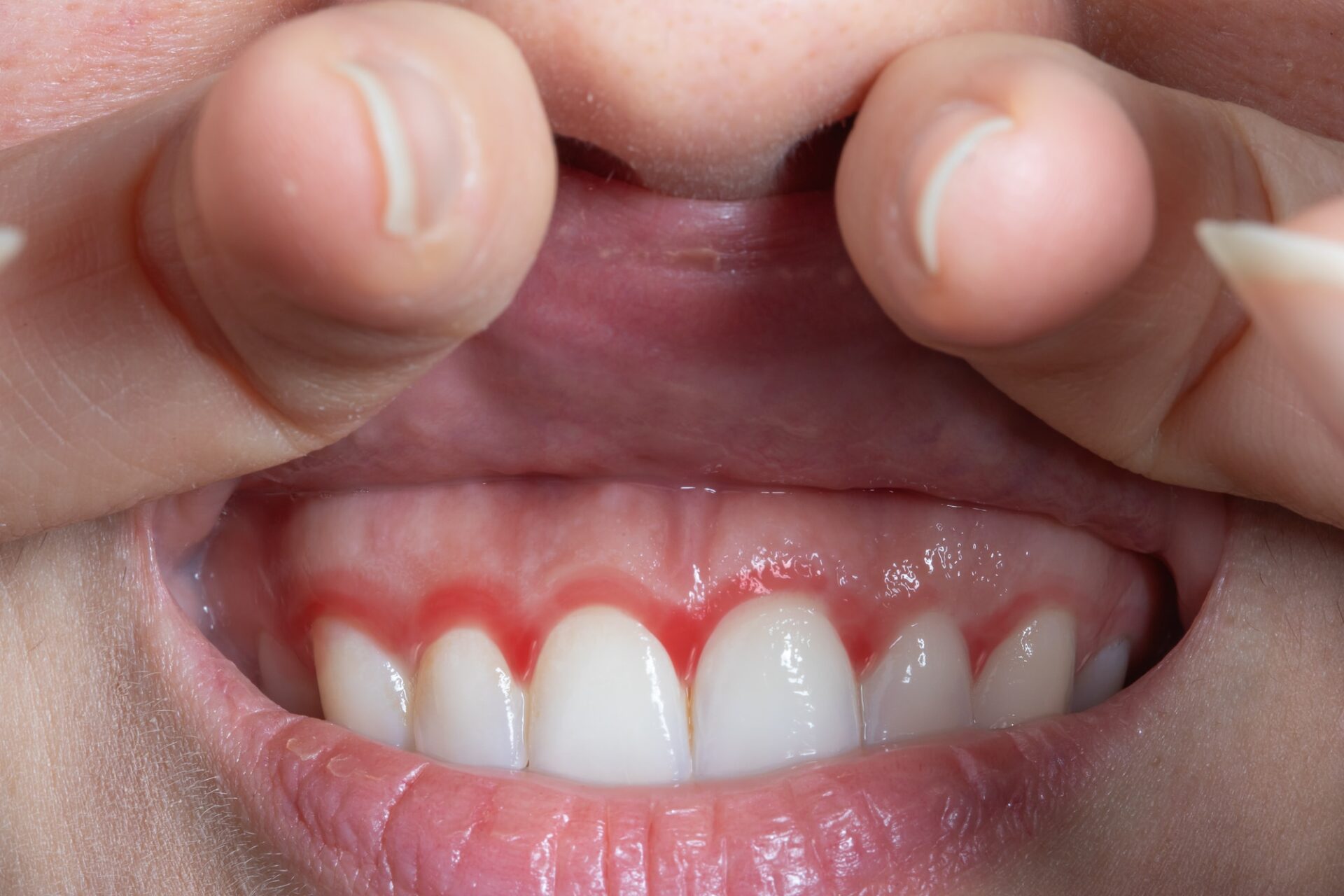
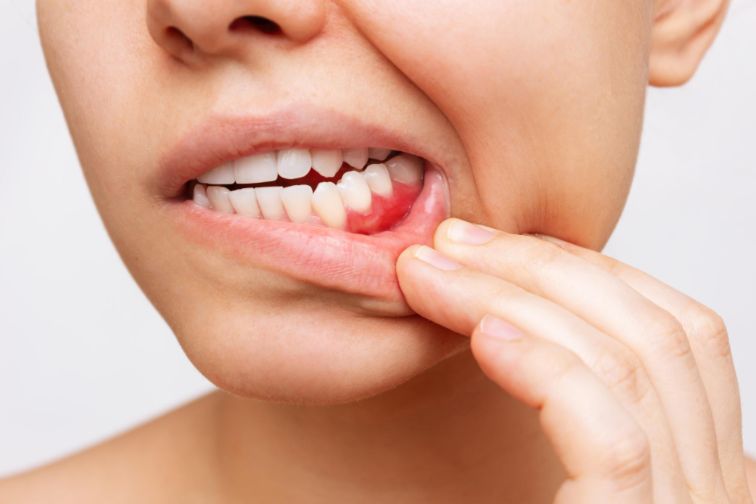
Bleeding Gums are often a sign that the gumline is inflamed or fragile. When floss slides under the contact point and brushes the gingival margin, it can disturb tiny inflamed blood vessels. Think of it like brushing against skin that’s mildly sunburned small friction, big reaction.At the same time, Gums can bleed simply because they’re not used to mechanical cleaning between teeth. If flossing is new (or recently restarted), the tissue may react for a short period as plaque levels and bacterial byproducts shift. In other words, bleeding Gums can be your mouth’s way of saying, “New routine detected.”
The Science of Gums: Why They Bleed So Easily
Gums (gingiva) are not just “pink padding.” They contain a dense network of capillaries and immune cells designed to respond quickly to microbial activity. Because Gums sit next to a bacterial biofilm ecosystem (plaque), the immune system keeps a close watch. That surveillance makes Gums responsive and sometimes reactive.When plaque accumulates near the gumline, immune signaling can increase blood flow and make capillaries more permeable. That’s a fancy way of saying your Gums can become “primed” to bleed with minor provocation. Research syntheses in periodontal literature often describe bleeding on probing (and similarly, floss contact bleeding) as a classic marker associated with gingival inflammation though the exact meaning depends on context, timing, and consistency of bleeding Gums.To make it tangible, here’s what can change in irritated Gums:
More fragile capillaries near the surface
A softer epithelial barrier
Higher inflammatory mediator activity
Increased sensitivity to mechanical disruption (like floss)
Everyday Triggers: Floss Technique, Plaque, and Sensitive Gums
One of the most common (and least dramatic) reasons for bleeding Gums is simple: plaque left between teeth. Flossing removes debris and disrupts biofilm, but the first few passes may scrape against an already-inflamed margin. That friction can make Gums bleed, especially where plaque tends to hide (back teeth, crowded areas, around dental work).Technique also matters. If floss “snaps” down hard and hits the papilla (the small triangle of Gums between teeth), bleeding can follow even when inflammation is mild. People often floss with enthusiasm which is admirable but Gums tend to prefer controlled contact.Common day-to-day triggers linked with bleeding Gums include:
Inconsistent flossing (long gaps, then sudden intense cleaning)
Tight contacts that encourage floss “popping”
Plaque build-up near the gumline
Mouth dryness (saliva normally buffers and protects Gums)
New dental appliances or rough edges that rub Gums
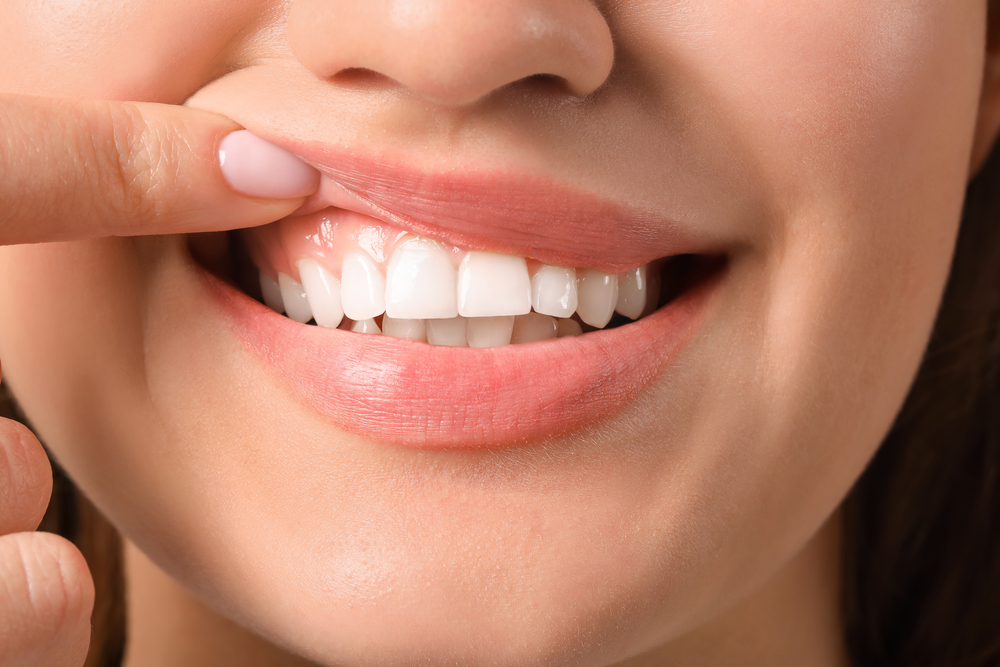
Even if the cause is everyday, the pattern matters. Bleeding Gums in one spot may suggest a local irritant; bleeding Gums everywhere may suggest a broader inflammatory load or systemic factor.Young woman with healthy gums, closeup
When Bleeding Gums Hint at Gingivitis or Periodontitis
If bleeding Gums are frequent especially with redness, swelling, or persistent bad breath clinicians often consider gum inflammation on a spectrum. Gingivitis generally refers to inflammation without deeper support loss, while periodontitis is associated with breakdown of the tissues and bone that support teeth. Not every case of bleeding Gums equals periodontitis, but recurring bleeding can be part of the story.A useful way to think about it is: bleeding Gums can be an early warning light, but the dashboard has other indicators too (pocket depth readings, radiographs, mobility, recession, and clinical attachment measures). Dental professionals combine signs instead of relying on bleeding Gums alone.Here’s a simplified comparison table (informational, not diagnostic):
Pattern around the gumline
What it can be consistent with
What else is often checked alongside bleeding Gums
Bleeding during flossing + mild puffiness
Gingival inflammation (gingivitis)
Plaque levels, tartar, brushing/floss routine
Bleeding Gums + persistent swelling + tenderness
More active inflammation
Pocket measurements, areas trapping food
Bleeding Gums + recession or “longer-looking” teeth
Gumline changes
Attachment levels, brushing abrasion patterns
Bleeding Gums + loose teeth (especially if progressive)
Possible advanced periodontal involvement
X-rays, bone levels, bite forces
If your Gums bleed in the same areas repeatedly, it can be helpful to view it as a location-based clue a specific niche where bacteria, anatomy, or restorations may be complicating cleaning.
Systemic & Lifestyle Factors That Can Increase Bleeding
Sometimes bleeding Gums have less to do with floss and more to do with the body hosting the mouth. Gums are living tissue, influenced by hormones, medications, immune status, and nutrition. Dental literature frequently discusses how pregnancy-related hormonal shifts, certain medications (that affect clotting or tissue response), and conditions like diabetes can be associated with altered gingival inflammation and bleeding tendencies.Lifestyle factors can also stack the deck. Smoking and vaping are often discussed in periodontal research because they can change inflammatory presentation sometimes reducing visible bleeding while still affecting gum health. Stress and sleep disruption may influence immune tone and habits (like nighttime grinding), which can indirectly affect Gums.None of these factors automatically explain bleeding Gums, but they broaden the investigation. If flossing suddenly triggers bleeding Gums after a new medication, a major schedule shift, or a health change, that timing can be meaningful to mention during a dental visit.
Treatments Dentists Discuss for Recurrent Gums Bleeding
Because bleeding Gums can come from different sources, “treatment” often means matching the approach to the likely driver. In many clinics, the starting point is simply identifying whether plaque/tartar is present, whether floss is contacting the Gums harshly, and whether there are local traps (overhangs, crowded teeth, inflamed pockets).Depending on findings, clinicians may discuss options such as:
Professional cleaning to remove tartar that irritates Gums
More targeted interdental cleaning tools (floss alternatives, interdental brushes) for specific spaces
Periodontal evaluation (including pocket measurements) if bleeding Gums are persistent
Reviewing restorations (edges, fit, contours) that may be irritating Gums
Short-term adjuncts sometimes used in dentistry (case-dependent) to lower bacterial load
In some cases, the “treatment” is less about adding something and more about removing friction points like adjusting technique, changing tool size, or addressing a rough margin that repeatedly injures Gums. The goal is usually to reduce inflammation triggers so Gums stop acting like a smoke alarm.
How to Track Your Gums Over Two Weeks (Without Guessing)
Bleeding Gums can feel random until you observe patterns. Many people remember the most dramatic bleed and forget the quiet days. A simple tracking approach can help you describe your Gums clearly to a dental professional, without turning your bathroom into a research lab.One practical idea is to note where and when your Gums bleed, and what else was happening (new floss type, travel, mouth dryness, missed cleanings). This doesn’t diagnose anything, but it turns vague anxiety into useful signals.Here’s a lightweight tracker format:
Day
Where did Gums bleed? (e.g., upper left molars)
Intensity (light/moderate)
Notable context
1
2
3
7
14
If bleeding Gums shrink to fewer sites over time, that often suggests a local/behavioral component. If bleeding Gums persist widely or worsen, that pattern may be worth professional attention.
What to Bring Up at Your Dental Visit (ClinicHI Checklist)
If you choose to book an exam at ClinicHI (or any dental clinic), describing bleeding Gums in a structured way can save time and improve clarity. Rather than saying “my Gums bleed,” you can share the pattern: frequency, location, and what makes it better or worse.Useful points people often mention when discussing Gums bleeding:
“My Gums bleed only in one area” vs “my Gums bleed everywhere”
Whether bleeding happens only with floss or also with brushing
Timing: recent changes in routine, stress, diet, medication, pregnancy, or illness
Any tenderness, swelling, bad taste, or persistent bad breath with bleeding Gums
Whether food consistently gets stuck where Gums bleed
Dental teams typically combine your history with an exam of the gumline, plaque accumulation, tartar, pocket depths, and sometimes radiographs. Bleeding Gums are one clue valuable, but rarely the only one.
Listening to Gums Without Panic
Bleeding Gums during flossing can be your mouth’s way of pointing to inflammation, technique friction, plaque retention, or broader health context. The reassuring part is that Gums are responsive tissue: when the irritant load changes, their behavior can change too. The important part is pattern recognition how often your Gums bleed, where, and alongside what other signs.ClinicHI’s perspective is simple: treat bleeding Gums like useful feedback, not a verdict. With the right questions and a clear description of your symptoms, you and a dental professional can usually narrow down what your Gums are reacting to and what options make sense in your specific situation.
Get Your Free Consultation
Have questions? Leave your details and we'll get back to you as soon as possible.
I have always viewed dentistry as more than just performing treatments; I prioritize building trust-based communication with my patients, aiming to ensure their comfort and satisfaction. My goal is to add both health and aesthetic value to each individual's smile through my knowledge and experience.