
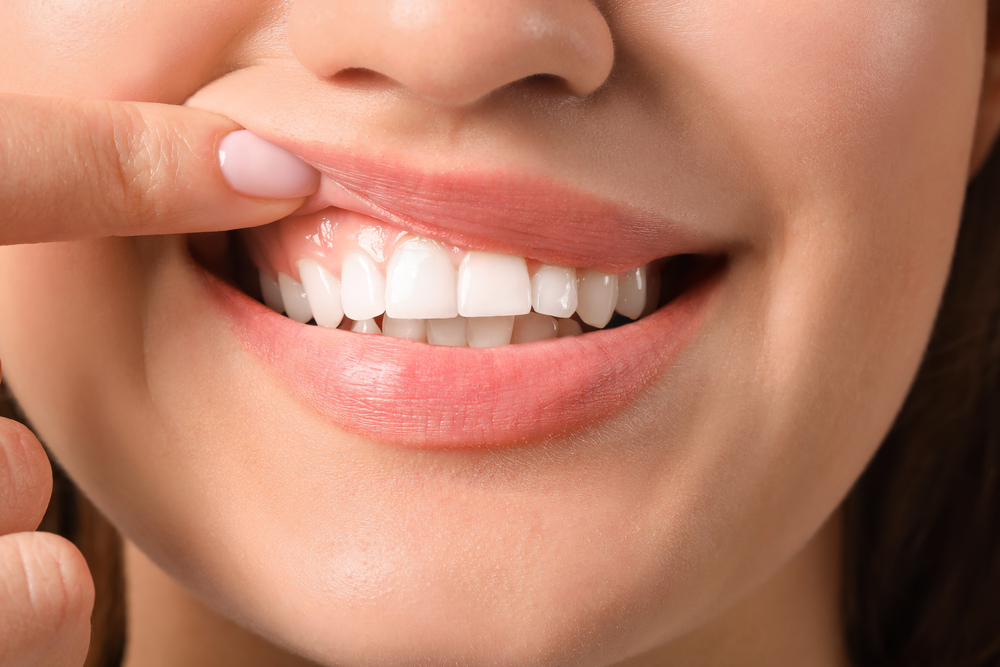
When you smile in front of a mirror, you might notice more than just your teeth: your gums sometimes show prominently, creating what is commonly known as a “gummy smile.” While many people barely notice it, for others it can affect confidence and self-perception. But why exactly do gums appear when smiling, and what underlying factors contribute to this phenomenon?
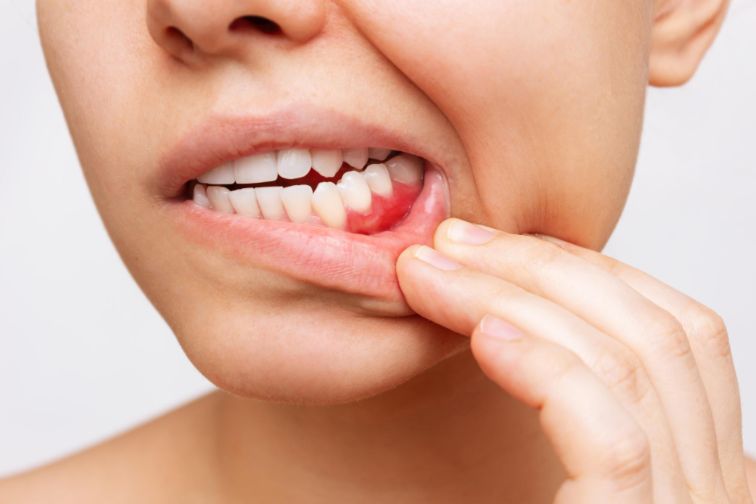
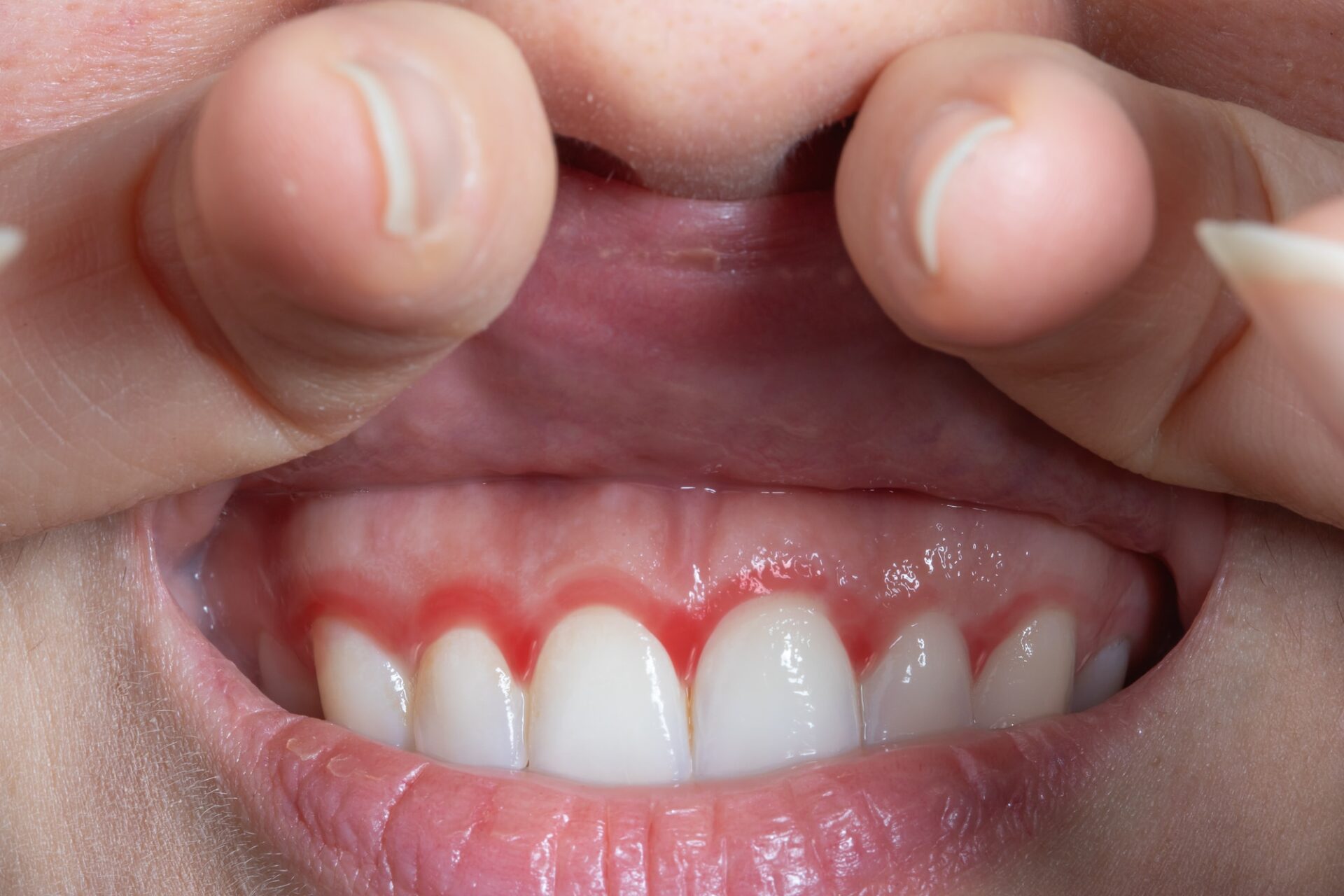 Orthodontic considerations also matter. For instance, over-eruption of certain teeth or misalignment in the upper jaw can accentuate the visibility of gums. Orthodontic treatments aimed at correcting bite and tooth positioning can sometimes indirectly influence how much gingiva is displayed, subtly altering the aesthetic balance between teeth and gums.
The Role of Gums in Oral Anatomy
Your gums, or gingiva, are more than just a pink border around your teeth. They act as a protective barrier, shielding the roots of your teeth and underlying bone from bacteria and trauma. In addition, the gums contribute significantly to the aesthetics of a smile. Visible gums can be influenced by several anatomical factors. For instance, the length and thickness of the upper lip, the size of the teeth, and the amount of gum tissue present all interact to determine how much of your gingiva shows when you smile. Interestingly, some people naturally have shorter upper lips, which allow the gums to peek out more, while others have a lower gum line, resulting in a minimal display.Genetic Factors Behind Prominent Gums
Genetics play a crucial role in how gums appear when smiling. Certain inherited traits can influence lip length, tooth size, jaw structure, and the amount of gum tissue. Studies indicate that individuals with excessive gingival display often have a hereditary predisposition, where a combination of skeletal and soft tissue traits results in more gums showing. Beyond genetics, age-related changes can subtly alter how gums are displayed. As we age, our lips may lengthen slightly, and the surrounding musculature can relax, sometimes reducing the amount of visible gingiva. Conversely, during adolescence, rapid tooth eruption can temporarily expose more gums, making certain smiles appear “gummier” at specific developmental stages.Muscular Influence on Gum Visibility
The muscles responsible for elevating your upper lip are pivotal in determining how much gums are visible. Hyperactive muscles in the upper lip can lift it higher than usual during a smile, resulting in a more pronounced gingival display. Interestingly, research suggests that a hyperactive upper lip is one of the most common contributors to a gummy smile. The levator labii superioris alaeque nasi muscle, in particular, plays a central role. When overly active, this muscle can elevate the lip excessively, revealing more gums than average. This effect varies among individuals, explaining why some people’s gums are naturally more visible even without any dental or skeletal differences.Dental and Orthodontic Factors Affecting Gums
Dental factors also significantly influence how much gums appear when smiling. Teeth that are naturally short, uneven, or worn down may make the surrounding gums more prominent. In some cases, improper eruption of teeth, known as altered passive eruption, can result in excessive gingival display.
Orthodontic considerations also matter. For instance, over-eruption of certain teeth or misalignment in the upper jaw can accentuate the visibility of gums. Orthodontic treatments aimed at correcting bite and tooth positioning can sometimes indirectly influence how much gingiva is displayed, subtly altering the aesthetic balance between teeth and gums.
Skeletal Contributions to Gummy Smiles
Beyond muscles and teeth, the underlying bone structure of the jaw can be a decisive factor in gum visibility. Vertical maxillary excess, a condition where the upper jaw is longer than average, can cause excessive gums to show when smiling. This skeletal variation affects the relative position of teeth and soft tissues, influencing how the smile is perceived. Individuals with vertical maxillary excess often exhibit a consistent display of gums that is noticeable even when their lips are at rest. Understanding this interplay between bone and soft tissue is key to explaining why some smiles reveal more gingiva than others.Lifestyle and Environmental Influences
While anatomy and genetics are primary contributors, lifestyle factors can also affect gum visibility. Chronic gum inflammation, often linked to poor oral hygiene, can lead to swollen gums that are more visible during smiling. Similarly, habits like lip biting or frequent lip stretching can subtly alter how the upper lip moves, influencing the display of gingiva. Even dental procedures, such as crowns or restorations that change tooth height, can modify how gums appear. In addition, habits like thumb-sucking in childhood or prolonged pacifier use may influence jaw and lip development, indirectly affecting the smile later in life.Fun Facts About Gums and Smiling
- Gummy smiles are more common in women than men, partly due to shorter upper lips and higher smile lines.
- Gum display can vary by emotion: genuine, spontaneous smiles often show more gingiva than posed smiles.
- Cultural perceptions differ: in some cultures, visible gums are considered charming, while in others, a “clean” tooth-only smile is preferred.
Understanding Your Gums
The visibility of gums when smiling is a fascinating intersection of anatomy, genetics, dental health, and individual expression. From muscle dynamics and skeletal structure to tooth size and lip length, multiple factors contribute to this natural variation. While some people may seek to reduce the appearance of gums, it’s essential to recognize that this trait is highly individual and often harmless. Understanding the science behind your smile can provide a deeper appreciation for its uniqueness and complexity.Get Your Free Consultation
Have questions? Leave your details and we'll get back to you as soon as possible.
Get Free Consultation