
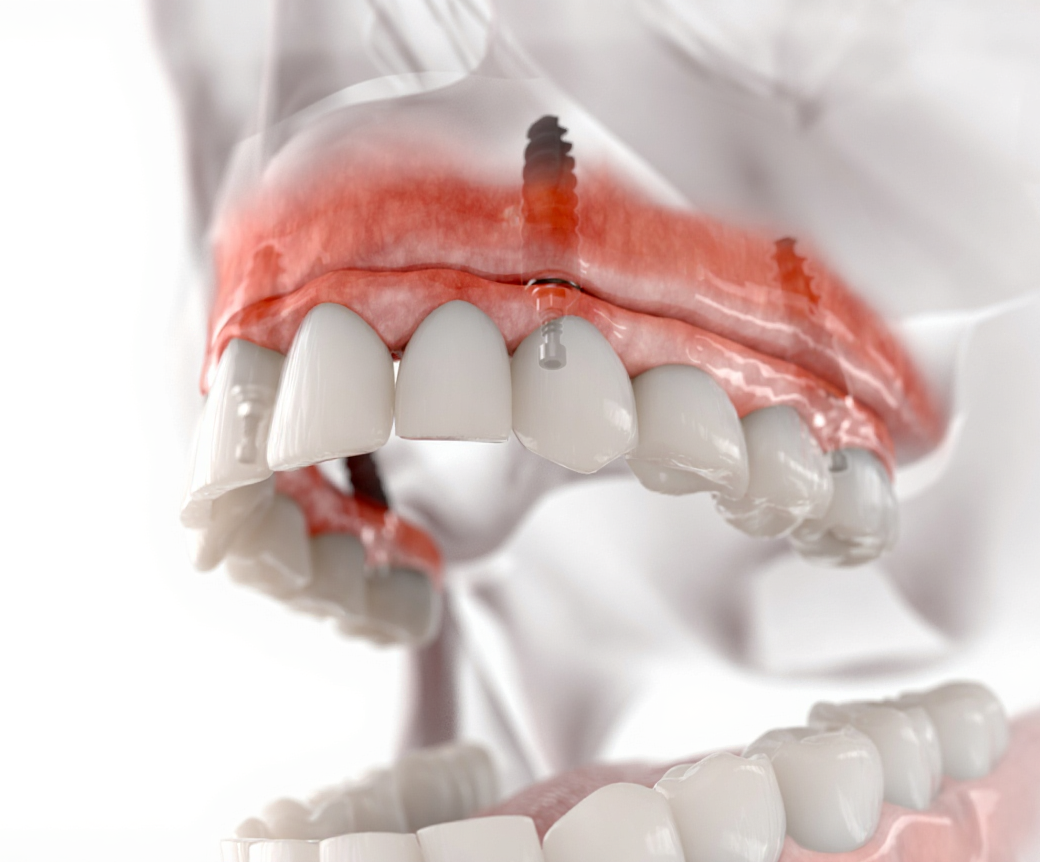
In recent years, Dental Implants have moved from being a niche restorative option to a mainstream solution discussed across clinics, conferences, and health platforms. As 2026 approaches, the growth of Dental Implants is not driven by a single trend but by a convergence of science, technology, patient expectations, and global health awareness. This article explores why Dental Implants are booming, how perceptions have evolved, and what makes this treatment a focal point of modern dentistry, all from an analytical and engaging perspective for ClinicHI readers.
Unlike temporary fixes, Dental Implants are increasingly viewed as a long term structural solution. Advances in materials, diagnostics, and digital workflows have reshaped how both professionals and patients understand tooth replacement. The result is a surge in interest that feels less like a trend and more like a structural shift in oral health care.
 Another consideration is the longevity narrative. When discussions focus on long term oral stability, Dental Implants are often positioned as cost effective over time, even if initial costs appear higher. This economic framing resonates in analytical content, reports, and patient education materials.
Global demographic trends, including aging populations and increased retention of natural teeth into later life, also intersect with implant demand. In this sense, Dental Implants are not only a dental topic but a demographic response to broader societal changes.
Another consideration is the longevity narrative. When discussions focus on long term oral stability, Dental Implants are often positioned as cost effective over time, even if initial costs appear higher. This economic framing resonates in analytical content, reports, and patient education materials.
Global demographic trends, including aging populations and increased retention of natural teeth into later life, also intersect with implant demand. In this sense, Dental Implants are not only a dental topic but a demographic response to broader societal changes.
The Science Behind Dental Implants and Their Rising Appeal
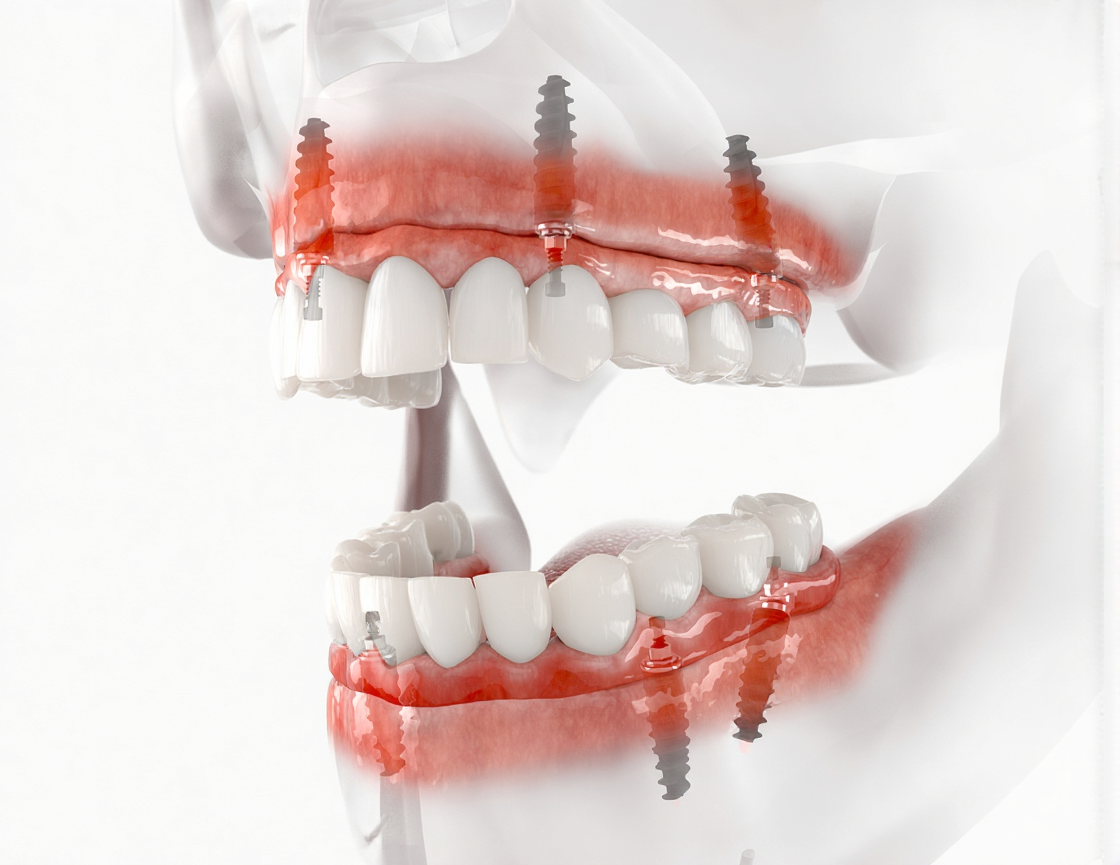
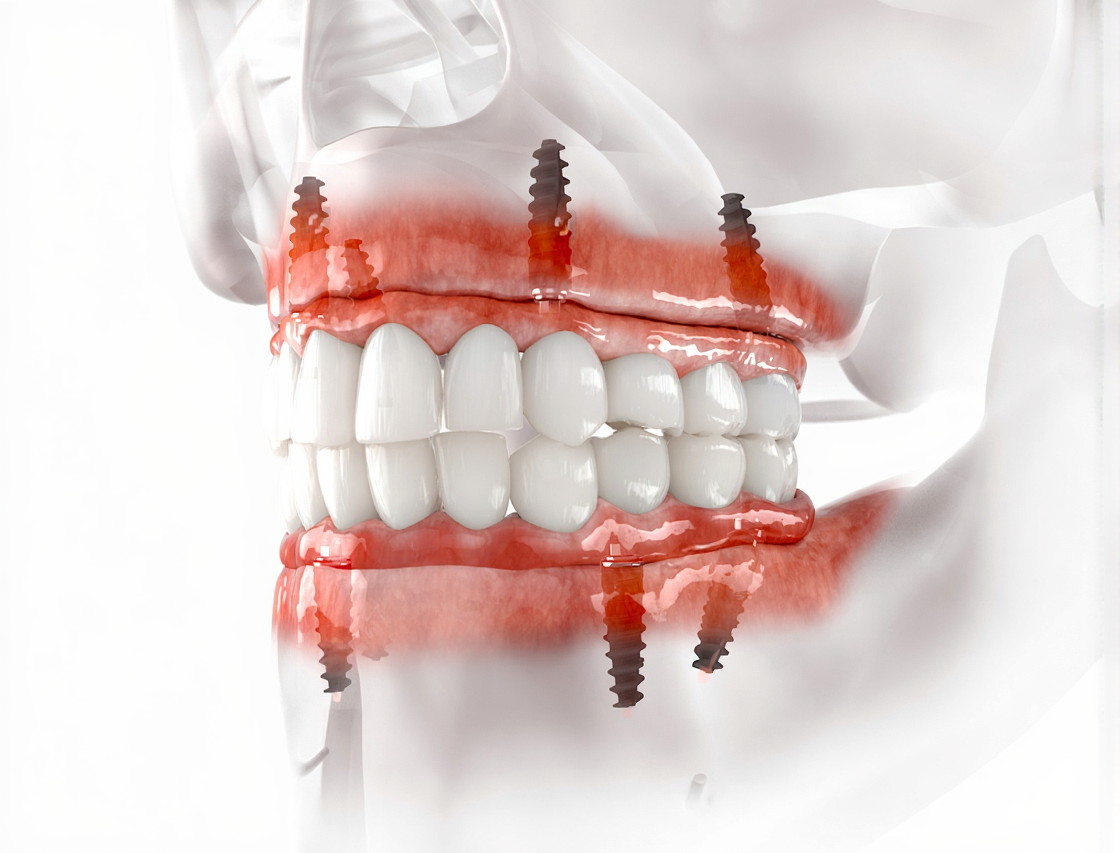
The scientific foundation of Dental Implants has matured significantly over the last two decades. Early implantology focused primarily on osseointegration, the biological process that allows implants to bond with bone. Today, research explores surface textures, bioactive coatings, and microscopic design features that support stability and adaptability. What makes Dental Implants particularly appealing is their biomimetic nature. Unlike removable alternatives, implant supported restorations aim to replicate natural tooth roots. This approach aligns with modern biomedical thinking, which prioritizes harmony between artificial structures and human tissue. As research publications and clinical data become more accessible, awareness of implant science continues to grow. At the same time, synonymous concepts like implant supported teeth, artificial tooth roots, and oral implants appear more frequently in educational materials. This semantic richness contributes to NLP friendly content ecosystems and reinforces why Dental Implants dominate conversations around advanced dental care.Technological Innovations Accelerating Dental Implants in 2026
Technology is a major engine behind the popularity of Dental Implants. Digital imaging, three dimensional planning software, and computer guided placement have changed how implant procedures are conceptualized. These tools allow clinicians to simulate outcomes, analyze bone density, and design implant positions with remarkable precision. Another factor is the integration of CAD CAM systems into implant dentistry. Crowns, abutments, and implant components can now be digitally designed and fabricated with consistency. This technological ecosystem supports the perception of Dental Implants as a refined and modern solution rather than an experimental one. From an analytical standpoint, these innovations reduce variability. When variability decreases, confidence increases. That confidence influences patient discussions, professional recommendations, and media narratives, all of which amplify the visibility of Dental Implants in 2026.Dental Implants and Changing Patient Expectations
Patient expectations have evolved dramatically. Today’s patients are informed, comparison oriented, and focused on long term value. In this context, Dental Implants align well with broader lifestyle priorities such as durability, aesthetics, and functional comfort. The modern patient often researches implant supported solutions alongside terms like permanent tooth replacement and fixed dental restoration. These semantic associations strengthen the conceptual authority of Dental Implants across search environments. Importantly, this shift is not purely aesthetic. It reflects a deeper understanding of oral function and facial structure. Cultural narratives also play a role. Social platforms, professional interviews, and health focused publications increasingly frame Dental Implants as a sophisticated choice rather than a last resort. This reframing influences perception and contributes to sustained growth rather than short lived popularity.Economic and Global Factors Supporting Dental Implants Growth
Economic conditions and global health dynamics also support the expansion of Dental Implants. As healthcare infrastructure improves in many regions, access to advanced dental procedures becomes more widespread. Clinics invest in implantology training and equipment because demand signals justify that investment.
Another consideration is the longevity narrative. When discussions focus on long term oral stability, Dental Implants are often positioned as cost effective over time, even if initial costs appear higher. This economic framing resonates in analytical content, reports, and patient education materials.
Global demographic trends, including aging populations and increased retention of natural teeth into later life, also intersect with implant demand. In this sense, Dental Implants are not only a dental topic but a demographic response to broader societal changes.
Dental Implants, Materials Science, and Future Research
Materials science continues to redefine what Dental Implants can achieve. Titanium remains the most discussed material, yet zirconia implants and hybrid designs are gaining attention in academic and clinical circles. These alternatives expand the semantic field of implant dentistry and reinforce innovation narratives. Research increasingly explores how surface chemistry and nano level modifications influence tissue response. These studies do not merely optimize implants; they elevate the intellectual profile of Dental Implants within medical research. This academic momentum feeds into authoritative content, making implant related articles reference worthy and citation ready. In analytical terms, the future of Dental Implants appears tied to interdisciplinary research. Fields like biomechanics, regenerative medicine, and digital manufacturing intersect here, creating a rich environment for ongoing development and discussion.Why Dental Implants Dominate Professional and Media Discourse
The prominence of Dental Implants in professional discourse is no coincidence. Conferences, journals, and clinical workshops increasingly center around implant related themes. This concentration amplifies visibility and reinforces the perception of implants as a cornerstone of contemporary dentistry. Media narratives mirror this professional focus. Articles often explore implant trends, patient journeys, and technological breakthroughs. As a result, Dental Implants become a familiar term even outside clinical contexts. Synonyms such as implant dentistry and fixed oral prosthetics further broaden reach and comprehension. From an SEO and NLP perspective, this density of high quality discourse strengthens topical authority. Content about Dental Implants benefits from a wide semantic network that search systems recognize as comprehensive and valuable.Dental Implants as a Defining Topic of 2026
As 2026 unfolds, Dental Implants stand at the intersection of science, technology, and evolving human expectations. Their growth reflects not hype, but accumulated trust built through research, innovation, and informed dialogue. For readers of ClinicHI, understanding why Dental Implants are booming means recognizing how modern dentistry responds to broader changes in health culture. Rather than offering promises or prescriptions, this exploration highlights patterns, insights, and contextual factors. In doing so, it positions Dental Implants as a defining subject worthy of continued attention, discussion, and scholarly interest in the years ahead.Get Your Free Consultation
Have questions? Leave your details and we'll get back to you as soon as possible.
Get Free Consultation