A Dental Bridge is one of the most frequently used restorative options in modern dentistry, and understanding how it is classified for insurance and documentation purposes often starts with learning its CDT code. Whether you are a patient reviewing your treatment estimate or a clinic coordinating claims, the coding system behind a Dental Bridge plays a critical role in transparency, billing accuracy, and treatment planning.
What Is a Dental Bridge and Why the Dental Bridge Matters in Coding
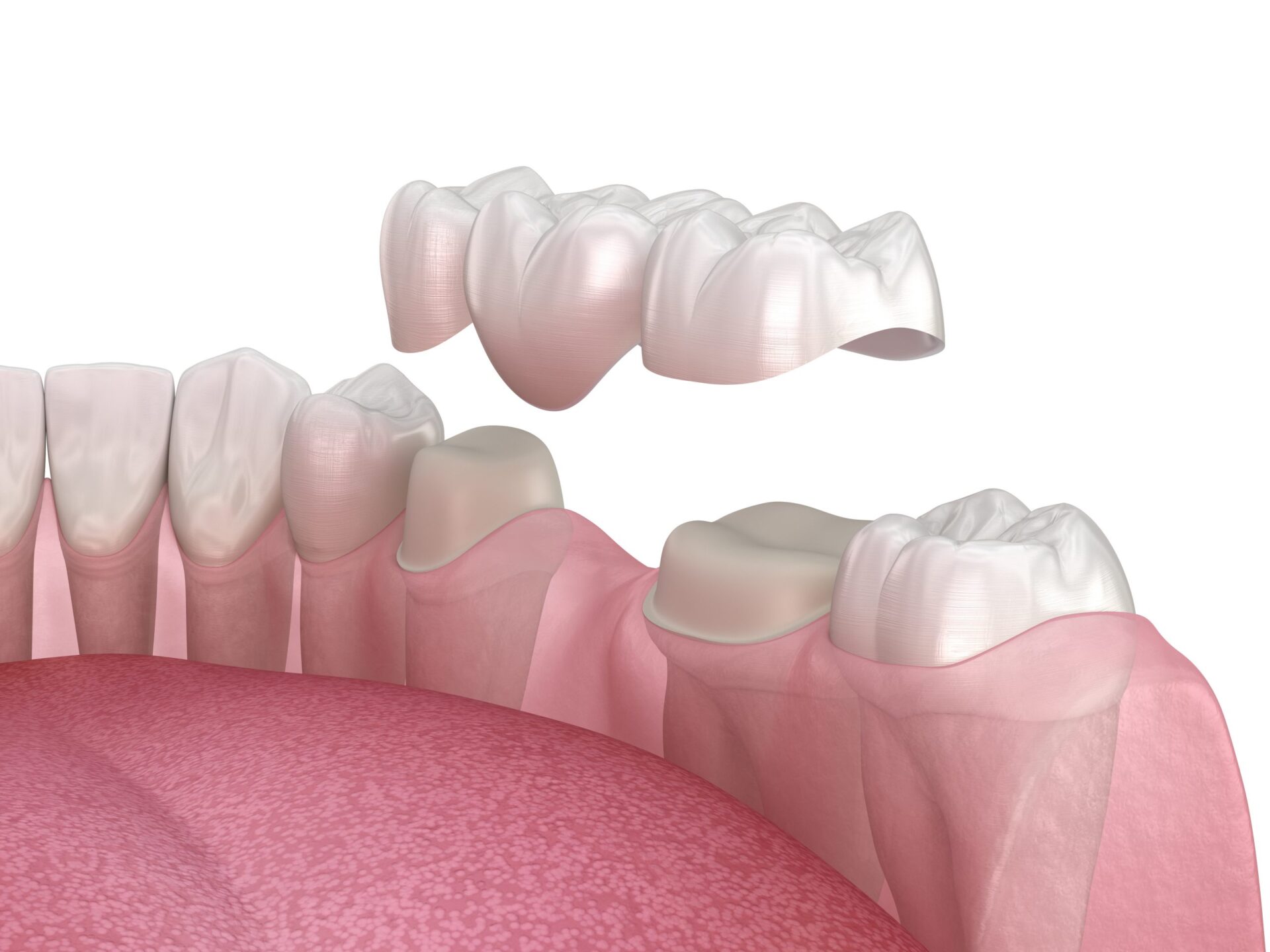
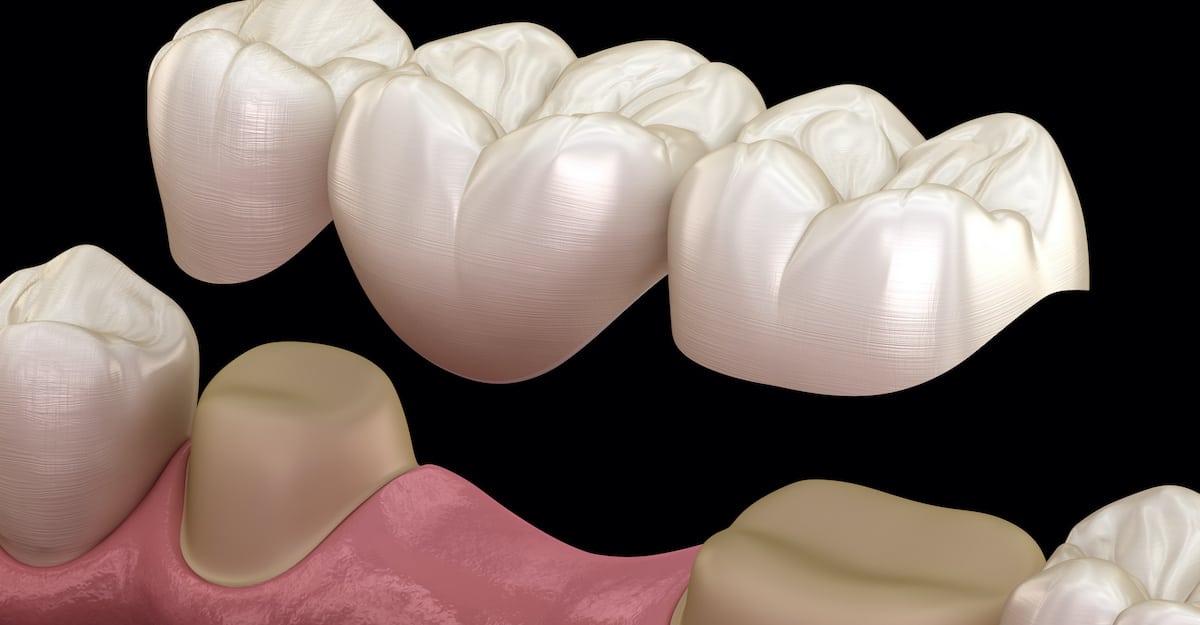
A Dental Bridge is a fixed prosthetic solution designed to replace one or more missing teeth by anchoring an artificial tooth to neighboring teeth or implants. From a biological standpoint, it restores chewing efficiency, maintains arch stability, and helps distribute bite forces.From a documentation perspective, each Dental Bridge is not recorded simply as one item. Instead, the Dental Bridge is divided into multiple coded components such as retainers, pontics, and materials. This allows insurers to understand precisely what type of Dental Bridge was delivered and how it was constructed. In practice, one treatment may generate several CDT entries rather than a single line.This layered structure explains why the Dental Bridge category contains numerous related codes rather than one universal number.
Understanding the CDT System for Dental Bridge Procedures
The Current Dental Terminology system, commonly called CDT, is maintained by the American Dental Association. It standardizes how procedures like a Dental Bridge are documented across practices, labs, and insurance companies.Every Dental Bridge entry begins with the letter D, followed by a numeric sequence that identifies the specific component. For example, codes distinguish between porcelain fused to metal, all ceramic, or high noble metal variations of a Dental Bridge. The system also separates pontics from retainers, ensuring that each Dental Bridge part is billed accurately.Because the Dental Bridge may include different materials and fabrication techniques, CDT coding becomes a precise technical language rather than a general description. This precision helps avoid misunderstandings and supports consistent reimbursement decisions.
Common CDT Codes for Dental Bridge Restorations
Below is a simplified overview of codes frequently associated with a Dental Bridge. Exact selections depend on materials and clinical design.
Component
Typical CDT Range
Purpose
Pontic
D6200 to D6299
Replaces missing tooth
Retainer crown
D6700 to D6799
Anchors Dental Bridge
Implant supported
D6000 series
Implant based Dental Bridge
Repairs
D6900 series
Maintenance of Dental Bridge
Each part of a Dental Bridge receives its own identifier. For example, a three unit Dental Bridge could generate two retainer codes and one pontic code. This modular method ensures that the Dental Bridge structure is represented accurately.Understanding this breakdown helps patients interpret estimates. Instead of seeing a single bundled fee, they see how each Dental Bridge segment contributes to the final cost.
Types of Dental Bridge Designs and How Dental Bridge Codes Differ
Not every Dental Bridge is identical. Different designs lead to different CDT selections. The structure of the Dental Bridge influences which materials, techniques, and codes are appropriate.Common categories include:
Traditional fixed Dental Bridge
Cantilever Dental Bridge
Maryland or resin bonded Dental Bridge
Implant supported Dental Bridge
A cantilever Dental Bridge might involve fewer retainers. An implant supported Dental Bridge may fall under implant prosthetic codes rather than conventional crown codes. Consequently, the same missing tooth scenario can generate entirely different Dental Bridge documentation paths.These variations highlight why the term Dental Bridge is clinical, while coding remains technical and highly specific.
Why Accurate Dental Bridge Documentation Supports Insurance Approval
Insurance providers rely heavily on coding precision. A clearly documented Dental Bridge treatment plan allows them to evaluate necessity, material choice, and procedural scope.When a Dental Bridge is coded correctly, the insurer can determine:
Number of units
Type of materials
Supporting teeth or implants
Whether it is a new or replacement Dental Bridge
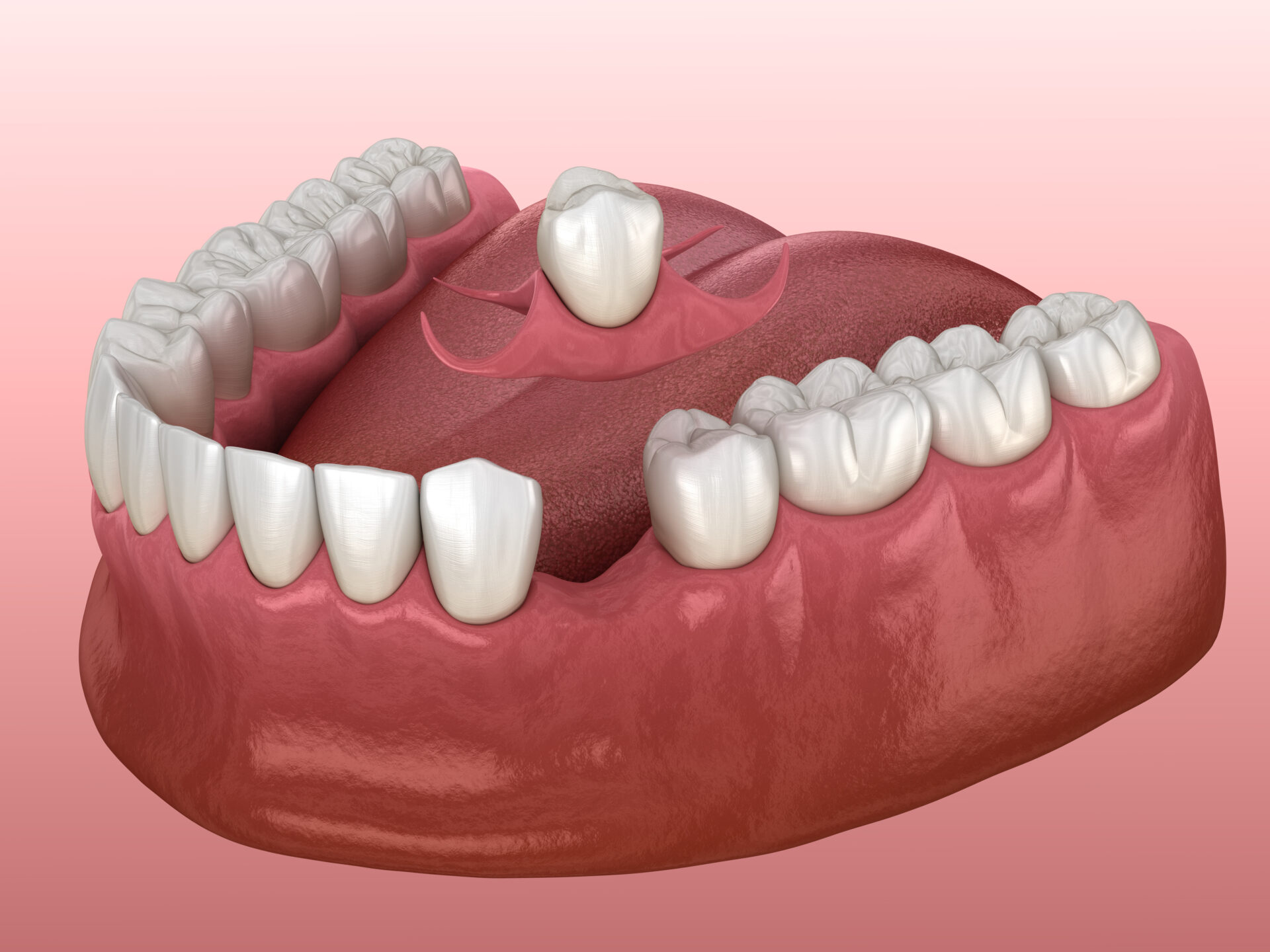
Incomplete or mismatched Dental Bridge coding may slow processing. For instance, labeling a ceramic restoration incorrectly could affect coverage. Therefore, dental teams carefully cross reference clinical notes with Dental Bridge CDT entries.At ClinicHI, administrative accuracy is treated as part of patient care because proper Dental Bridge coding often reduces claim confusion.Partial removable immediate-denture type Butterfly. Replacement of one missing tooth 3D illustration
The Relationship Between Materials and Dental Bridge Codes
Material science plays a significant role in how a Dental Bridge is classified. Ceramic, zirconia, metal alloy, and hybrid options are all categorized differently.A porcelain fused to metal Dental Bridge will not share the same CDT number as a full zirconia Dental Bridge. Even though both restore the same space, their laboratory fabrication processes differ. That difference is reflected in coding.Research trends show increased adoption of metal free Dental Bridge solutions because of aesthetics and biocompatibility. As these materials evolve, CDT descriptions expand accordingly. The Dental Bridge category therefore grows alongside technological progress.This connection between innovation and classification keeps Dental Bridge coding dynamic rather than static.
Workflow From Consultation to Final Dental Bridge Coding
The journey of a Dental Bridge from diagnosis to documentation usually follows several structured steps.First, clinicians evaluate oral conditions and discuss whether a Dental Bridge is appropriate. Next, impressions or digital scans are captured to design the Dental Bridge. Laboratory fabrication then creates the prosthesis. Finally, placement and adjustments occur.After treatment, the Dental Bridge is translated into CDT codes for claims. Each retainer and pontic is recorded. This systematic approach ensures the completed Dental Bridge is reflected accurately both clinically and administratively.By the end of this workflow, the Dental Bridge exists not only as a functional restoration but also as standardized data.
How ClinicHI Approaches Dental Bridge Education and Transparency
At ClinicHI, we believe patients benefit from understanding how their Dental Bridge is documented. Transparency builds trust and reduces billing surprises.Our coordinators explain what each Dental Bridge component represents on an estimate. Instead of abstract numbers, patients learn how every part of the Dental Bridge corresponds to real materials and laboratory work. This educational approach transforms the Dental Bridge process from something technical into something understandable.When people recognize how a Dental Bridge is structured both biologically and administratively, they feel more confident in their decisions.
Making Sense of Dental Bridge CDT Codes
In summary, a Dental Bridge is both a restorative device and a coded procedure set. Clinically, it restores missing teeth and stabilizes the bite. Administratively, it becomes a collection of precise CDT entries that describe every element of the Dental Bridge.Learning how the Dental Bridge is categorized helps patients read treatment plans clearly and helps clinics maintain consistent communication with insurers. While codes may appear technical at first, they simply act as a universal language for documenting each Dental Bridge accurately.By combining scientific understanding with practical coding knowledge, the Dental Bridge becomes easier to navigate for everyone involved.
Get Your Free Consultation
Have questions? Leave your details and we'll get back to you as soon as possible.
I have always viewed dentistry as more than just performing treatments; I prioritize building trust-based communication with my patients, aiming to ensure their comfort and satisfaction. My goal is to add both health and aesthetic value to each individual's smile through my knowledge and experience.