
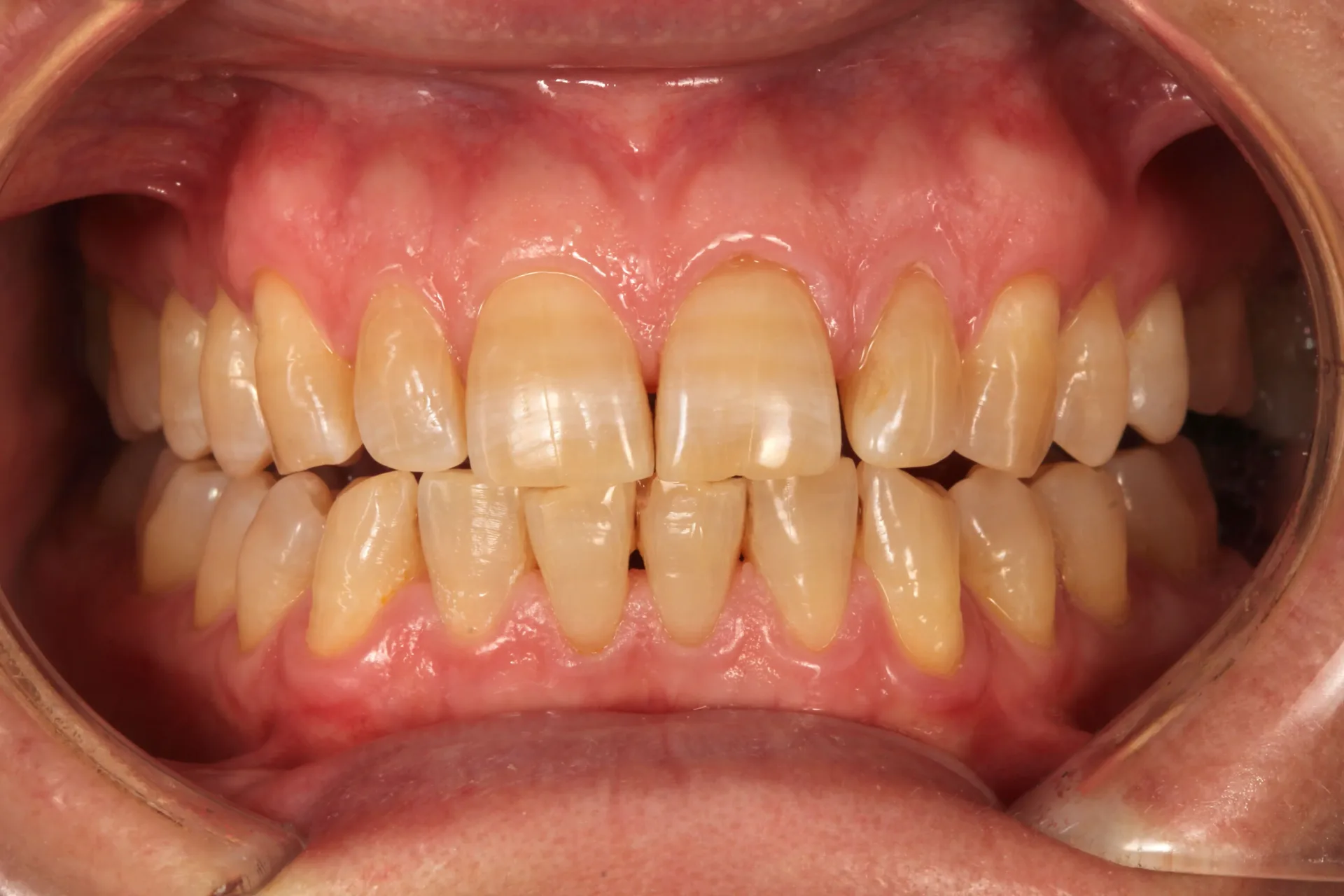
The term Tetracycline Teeth refers to a distinctive form of tooth discoloration associated with exposure to tetracycline group antibiotics during critical stages of tooth development. This condition has drawn attention not only in dentistry but also in medical history, pharmacology, and aesthetics. From subtle yellow tones to deep gray or brown banding, Tetracycline Teeth present a complex interaction between medication, biology, and time.
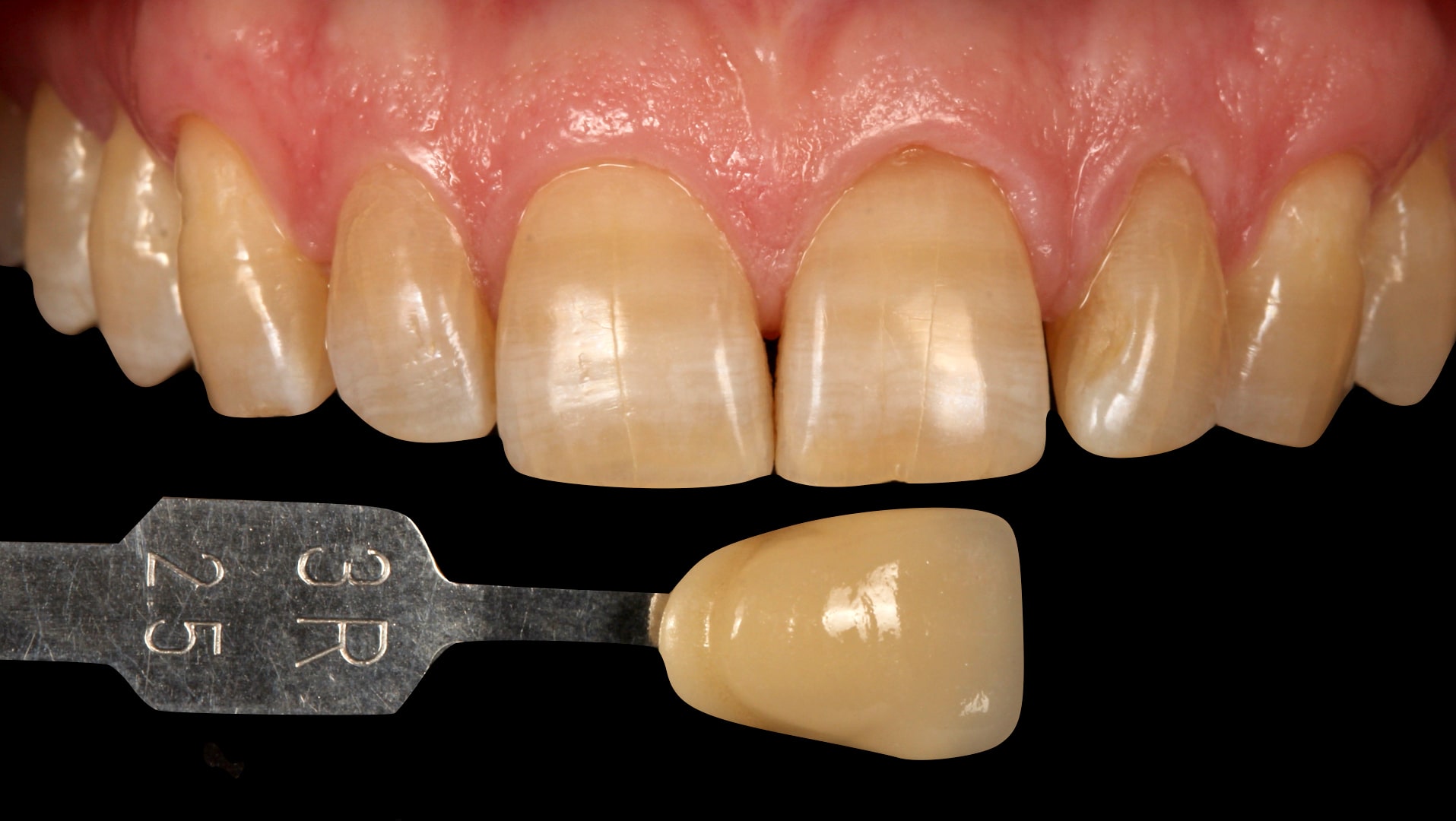
The aesthetic perception of Tetracycline Teeth varies widely across cultures and individuals. While some view it as a purely cosmetic concern, others see it as a marker of medical history. This dual interpretation contributes to the ongoing relevance of the topic.
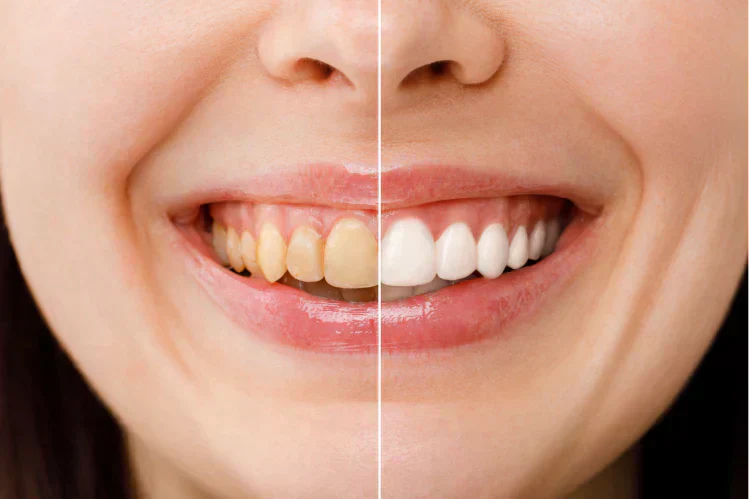
The Origins and Meaning of Tetracycline Teeth
To understand Tetracycline Teeth, it is essential to explore the historical context of tetracycline antibiotics. Introduced widely in the mid 20th century, tetracycline was once considered a breakthrough due to its broad spectrum effectiveness. During that era, its long term effects on developing teeth were not yet fully understood. Tetracycline Teeth develop when tetracycline molecules bind with calcium ions during tooth mineralization. This process causes intrinsic discoloration, meaning the color change occurs from within the tooth structure rather than on the surface. Unlike stains from coffee or smoking, Tetracycline Teeth are deeply integrated into the enamel and dentin layers. What makes this condition particularly interesting is its permanence and variability. Some individuals exhibit faint discoloration, while others develop pronounced horizontal bands. This variation has fueled ongoing academic interest and clinical observation.How Tetracycline Teeth Form During Tooth Development
The formation of Tetracycline Teeth is closely tied to timing. Teeth begin forming long before they erupt into the mouth, starting in early childhood and even before birth. When tetracycline is present in the bloodstream during these periods, it can become incorporated into the developing tooth matrix. Once bound to calcium, tetracycline undergoes oxidation when exposed to light, resulting in darker pigmentation over time. This explains why Tetracycline Teeth may appear lighter in childhood and gradually deepen in color during adolescence or adulthood. Researchers often describe Tetracycline Teeth as a chronological record. The visible bands can sometimes correspond to specific stages of tooth development, almost like growth rings in a tree. This unique feature distinguishes tetracycline related discoloration from other intrinsic dental color changes.Visual Characteristics and Patterns of Tetracycline Teeth
One of the most discussed aspects of Tetracycline Teeth is their visual appearance. Unlike uniform discoloration, this condition often presents in patterns. These patterns are influenced by dosage, duration of exposure, and individual metabolic factors. Common visual traits include:| Characteristic | Description |
| Color Range | Yellow, gray, blue gray, or brown |
| Distribution | Horizontal bands or diffuse staining |
| Symmetry | Often affects multiple teeth evenly |
| Light Reaction | Darkens with UV or natural light |
Scientific Classification of Tetracycline Teeth
In academic literature, Tetracycline Teeth are often classified based on severity. This classification helps researchers and clinicians communicate findings more precisely, even though it does not imply treatment direction. Mild forms may involve light yellow or cream discoloration, while moderate cases show more noticeable gray tones. Severe Tetracycline Teeth can appear dark brown or bluish, sometimes with pronounced banding. This classification underscores an important point. Tetracycline Teeth are not a single uniform condition but a spectrum. Each case reflects a unique combination of biological response and environmental exposure.Psychological and Social Dimensions of Tetracycline Teeth
Beyond biology, Tetracycline Teeth intersect with psychology and social perception. Teeth play a major role in communication, self image, and first impressions. As a result, visible dental differences often carry emotional weight. Studies in dental sociology suggest that individuals with noticeable Tetracycline Teeth may experience heightened self awareness in social settings. However, perceptions are not universally negative. In some narratives, these teeth are seen as distinctive rather than flawed. Understanding Tetracycline Teeth from this broader perspective allows for a more humane and realistic discussion. It shifts the focus from purely clinical descriptors to lived human experience.Modern Research Perspectives on Tetracycline Teeth
Contemporary research on Tetracycline Teeth often explores material science, optics, and historical prescribing practices. Rather than focusing solely on appearance, researchers analyze how tetracycline integrates at the molecular level within dental tissues. Advanced imaging techniques have revealed that Tetracycline Teeth fluoresce under certain light wavelengths. This property has even been used in forensic and anthropological studies, highlighting the unexpected scientific value of this condition. The ongoing academic interest demonstrates that Tetracycline Teeth are not merely a cosmetic footnote. They represent an important chapter in the evolution of medical understanding and patient safety.Cultural and Historical Significance of Tetracycline Teeth
Historically, Tetracycline Teeth serve as a reminder of how medical knowledge evolves. In decades past, the widespread use of tetracycline reflected trust in pharmaceutical innovation. The later recognition of dental effects led to changes in prescribing guidelines worldwide. This shift illustrates a broader lesson in healthcare. What is considered safe and routine today may be reassessed tomorrow. Tetracycline Teeth thus hold symbolic value in discussions about evidence based medicine and long term observation. In cultural terms, the condition has appeared in academic case reports, dental textbooks, and even visual media. Its recognizability has made it a reference point in dental education across generations.Understanding Tetracycline Teeth in a Broader Context
Tetracycline Teeth represent more than a dental discoloration. They embody the intersection of medicine, biology, history, and human perception. By examining how they form, how they appear, and how they are understood socially, we gain a deeper appreciation of their complexity.Get Your Free Consultation
Have questions? Leave your details and we'll get back to you as soon as possible.
Get Free Consultation