
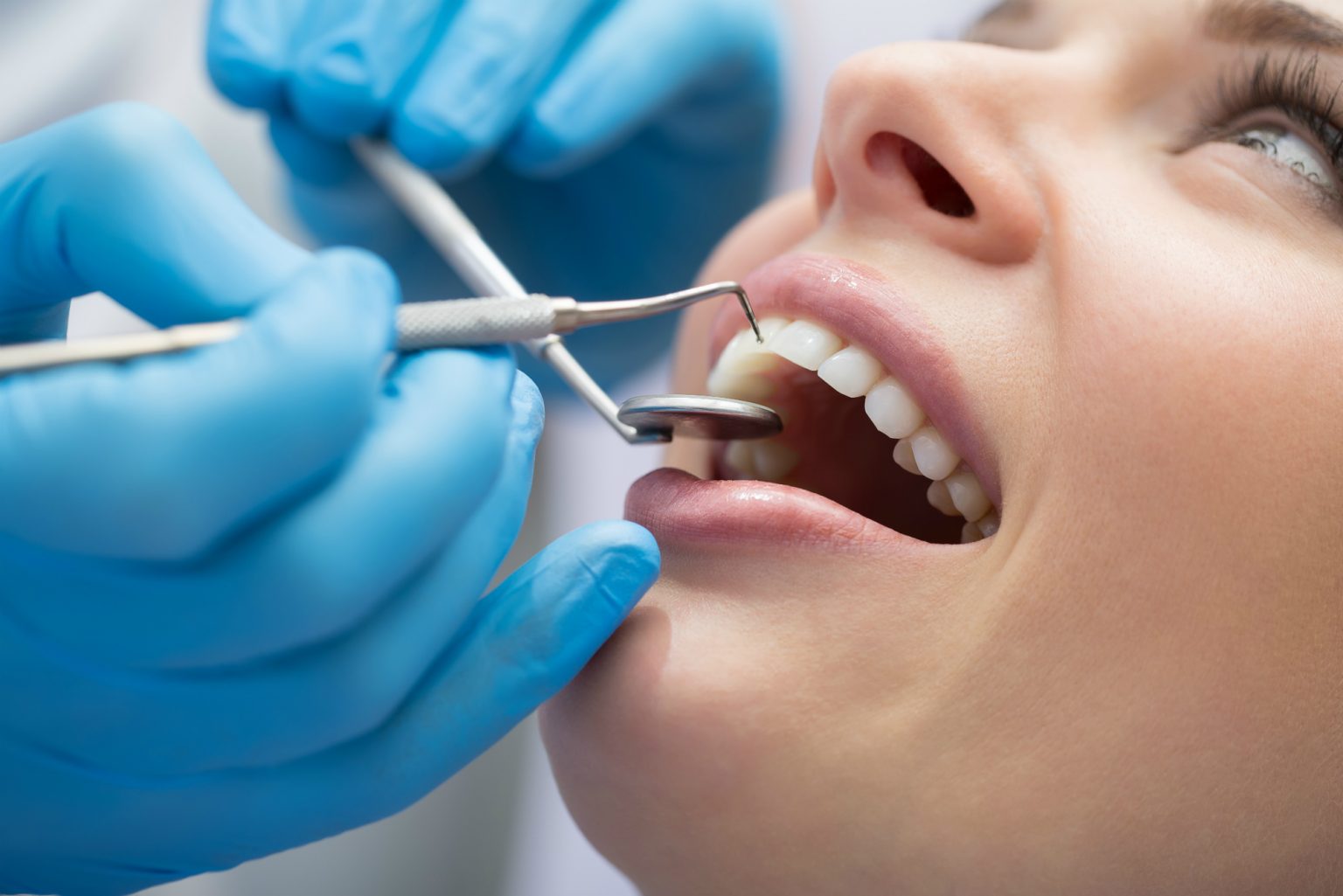
A Dentist checkup is more than a simple visit to a clinic chair; it is a structured evaluation of oral health that helps detect potential problems before they grow into serious concerns. Many people think a routine dental visit is only about cleaning teeth, but a professional Dentist examination covers multiple layers of oral diagnostics, prevention, and patient education. The modern dental approach focuses on maintaining long-term oral harmony rather than reacting to pain or infection after it appears.
Regular consultation with a Dentist is considered a fundamental step in preventive oral care strategies. Clinical observations suggest that patients who schedule periodic oral evaluations tend to experience fewer emergency dental interventions. Although every clinic may have slightly different protocols, most professional dental practices follow a similar structure when performing a checkup.
Understanding what is included in a dentist checkup helps patients feel more confident before visiting their Dentist. Knowing the process reduces anxiety and encourages people to maintain healthier oral habits. At ClinicHI, the philosophy is centered on patient comfort, scientific precision, and long-term oral stability.
Dentist Examination and Initial Oral Assessment
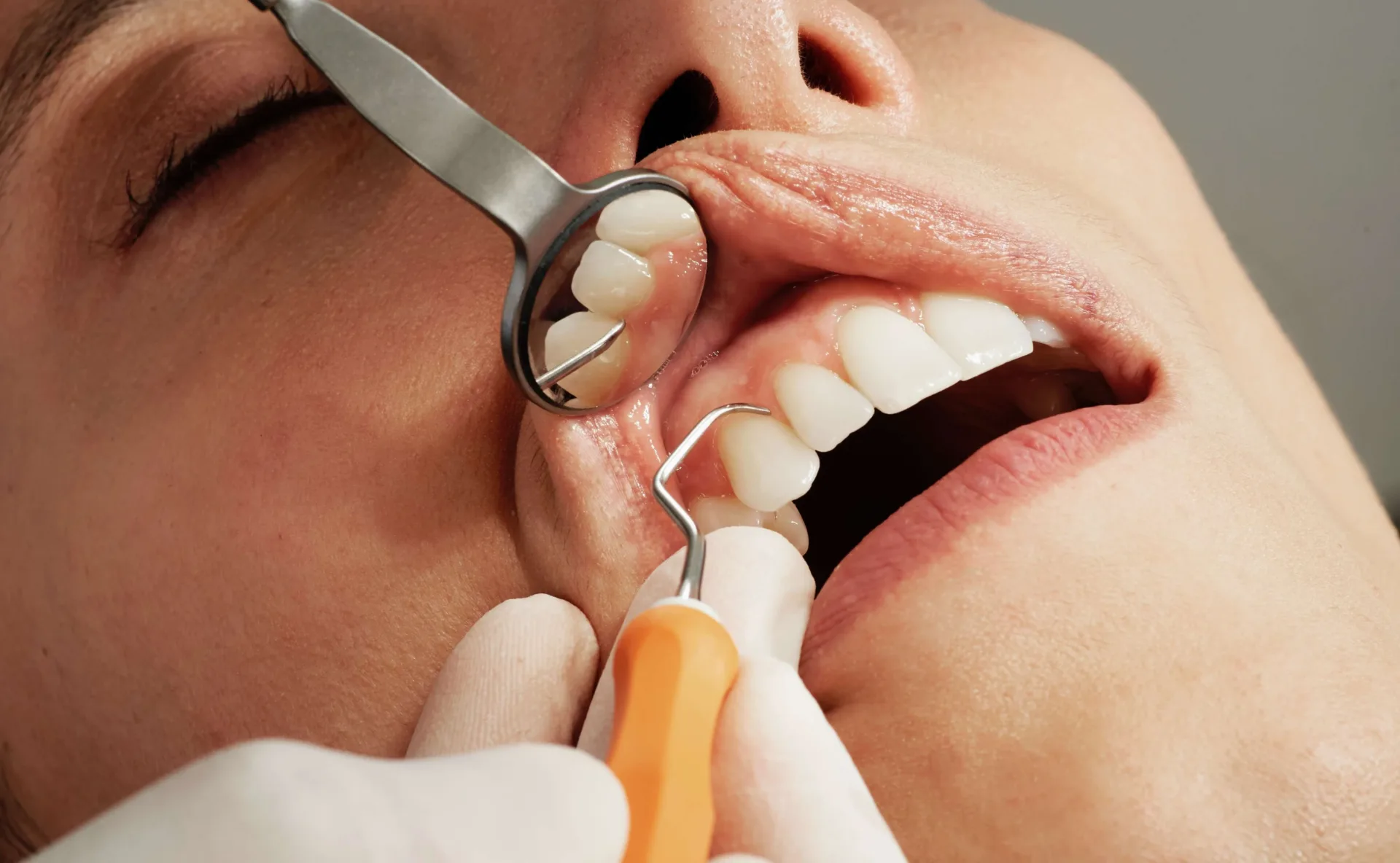
The first stage of a Dentist checkup usually begins with a comprehensive oral examination. The dentist visually inspects the teeth, gums, tongue, and surrounding oral tissues to evaluate overall health conditions. This step allows early identification of inflammation, discoloration, or structural abnormalities. During this phase, the Dentist may also review your medical history because oral health is closely connected with systemic health. Certain medications, chronic diseases, or lifestyle habits can influence dental conditions. The professional evaluation helps the clinician personalize the treatment approach according to individual needs. Two important observations are usually made during the assessment. First, the structural condition of enamel and dentin layers is evaluated. Second, gum tissue color, swelling, and bleeding tendency are examined. Even minor signs detected during a Dentist visit can help prevent future periodontal complications. Patients often wonder whether this stage is painful. Generally, the examination performed by a qualified Dentist is completely non-invasive. The purpose is simply observation and diagnostic analysis rather than intervention.Dental Cleaning and Plaque Management in Dentist Visits
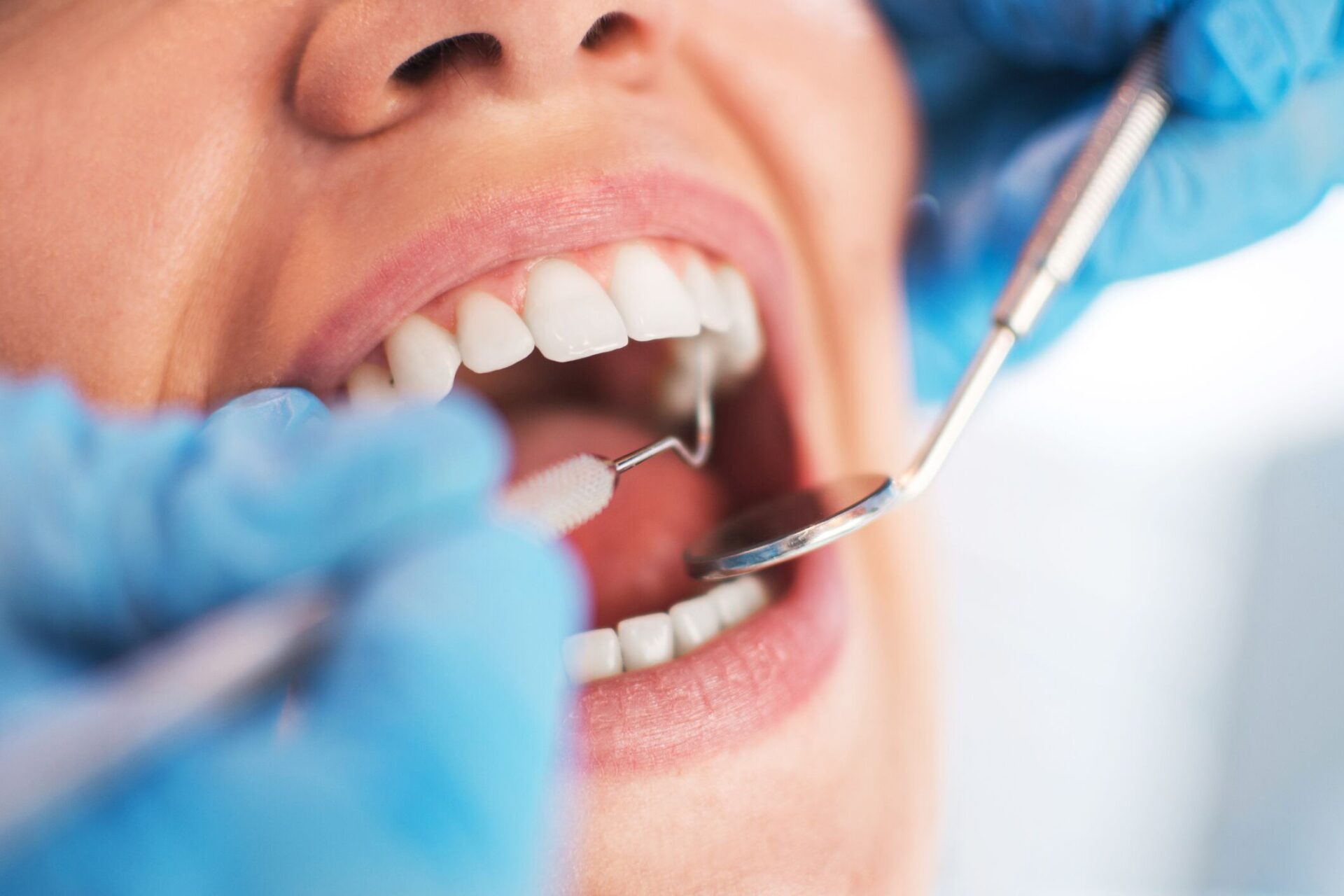
Professional cleaning is one of the most appreciated parts of a Dentist checkup. Dental plaque is a biological film composed of bacteria, food residues, and saliva proteins. If plaque is not removed regularly, it can harden into tartar, which is more difficult to eliminate. A skilled Dentist or dental hygienist uses specialized instruments to remove plaque and calculus deposits from tooth surfaces. This process improves gum health and reduces the risk of inflammation. Scientific observations show that routine cleaning sessions contribute to long-term oral ecosystem balance. Cleaning procedures performed by a Dentist are often combined with polishing techniques. Polishing helps smoothen microscopic irregularities on tooth surfaces. Smooth surfaces are less likely to attract bacterial accumulation, which supports healthier oral microbiota. Interestingly, dental cleaning also influences aesthetic appearance. After a checkup, many patients notice that their teeth look brighter and more polished. This visual improvement is one of the psychological benefits of visiting a Dentist regularly.X-Ray Imaging and Diagnostic Technology in Dentist Care
Modern dental medicine relies heavily on imaging technologies during a Dentist checkup. Dental radiography allows clinicians to observe hidden anatomical structures that cannot be seen during visual examination. X-ray imaging is particularly useful for detecting cavities between teeth, root abnormalities, and bone density changes. A professional Dentist uses these images to plan preventive or therapeutic interventions if necessary. There are several types of dental imaging methods used in contemporary practice. Some focus on single tooth evaluation, while others provide panoramic visualization of the jaw structure. These diagnostic tools help the Dentist understand internal oral conditions with remarkable accuracy. Although some patients express concern about radiation exposure, dental imaging uses very low radiation doses. The risk associated with diagnostic dental X-rays is considered minimal when performed under clinical safety guidelines. This makes imaging a reliable component of a complete Dentist checkup.Gum Health Evaluation During a Dentist Appointment
Gum health plays a central role in oral wellness. A professional Dentist checkup always includes periodontal tissue assessment because gum diseases can progress silently without noticeable symptoms. The dentist measures pocket depth around the teeth to evaluate inflammation levels. Deep periodontal pockets may indicate chronic bacterial activity. Early detection by a skilled Dentist can help control gum disease progression before bone damage occurs. Bleeding gums are another important signal evaluated during checkups. While occasional bleeding may not always indicate serious illness, frequent bleeding is considered a warning sign that requires attention from a Dentist. Research in oral medicine suggests that periodontal health is linked with general systemic wellness. Some studies associate chronic gum inflammation with cardiovascular and metabolic conditions, which increases the importance of regular Dentist monitoring.
Dental Education and Lifestyle Guidance from Your Dentist
A significant yet often overlooked part of a Dentist checkup is patient education. After examination and cleaning, the dentist usually provides personalized oral care recommendations. These recommendations may include brushing techniques, flossing frequency, and dietary considerations. The purpose is not to impose strict rules but to help patients develop sustainable oral hygiene habits with guidance from their Dentist. Dietary discussions may also occur during this stage. Certain foods are more likely to promote bacterial growth or enamel erosion. A knowledgeable Dentist explains how food choices interact with oral chemistry without creating unnecessary restrictions. The educational component of a checkup transforms the visit from a simple medical procedure into a long-term health partnership between patient and Dentist.How Often Should You Visit a Dentist?
Frequency of dental visits depends on individual oral health conditions. Many people visit their Dentist every six months, although some patients may require more frequent monitoring. Individuals with chronic gum disease, orthodontic treatment, or systemic health problems might need closer observation by a professional Dentist. On the other hand, people with stable oral health may follow standard preventive schedules. Consistency is more important than exact timing. Maintaining regular contact with a trusted Dentist helps identify changes early and keeps treatment costs manageable over time.The Value of Regular Dentist Checkups
A Dentist checkup represents a preventive health investment rather than a response to pain or disease. Through visual examination, cleaning procedures, diagnostic imaging, and patient education, dental professionals help maintain oral balance. Visiting a professional Dentist allows individuals to protect not only their teeth but also their overall quality of life. Oral health influences social confidence, nutrition habits, and long-term medical risk management. For these reasons, routine dental evaluation is considered one of the fundamental elements of modern healthcare culture. ClinicHI aims to deliver scientific, patient-centered dental services where comfort and diagnostic accuracy coexist. Understanding what is included in a Dentist checkup encourages people to take proactive steps toward healthier smiles and stronger oral structures.Get Your Free Consultation
Have questions? Leave your details and we'll get back to you as soon as possible.
Get Free Consultation