
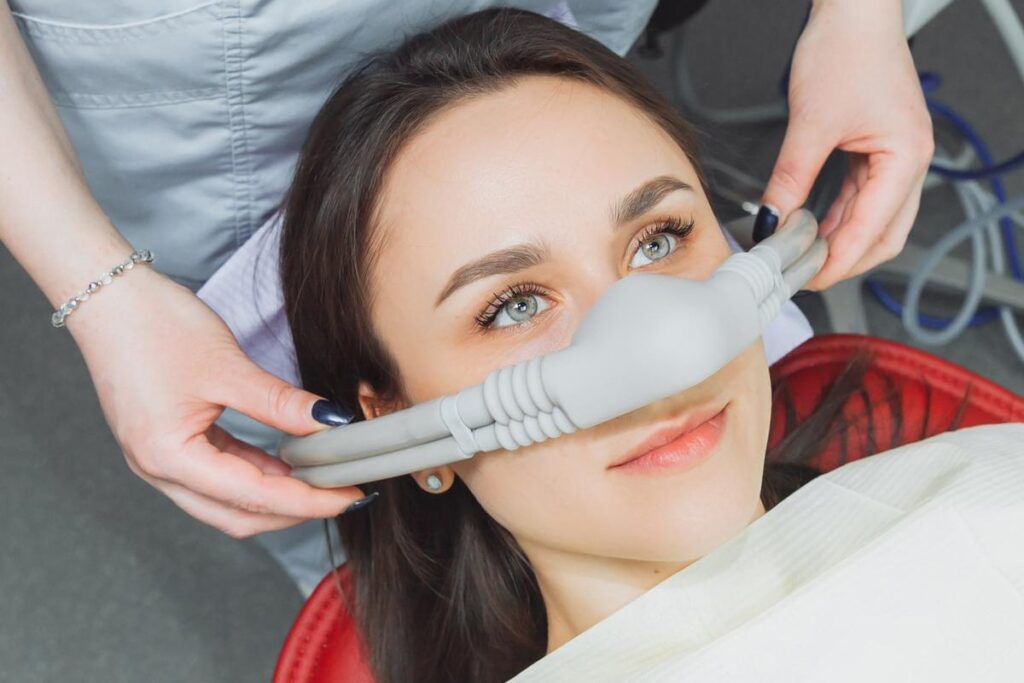
Dental Sedation has transformed the way patients experience modern dentistry. For many individuals, anxiety, sensitive gag reflexes, or complex procedures can turn a routine appointment into a stressful event. With Dental Sedation, however, dental care becomes significantly more manageable, controlled, and patient friendly.
At ClinicHI, understanding the science behind Dental Sedation helps patients feel more confident before stepping into the treatment room. Rather than being a single technique, Dental Sedation is an umbrella term that covers several methods designed to relax patients while maintaining safety and communication.
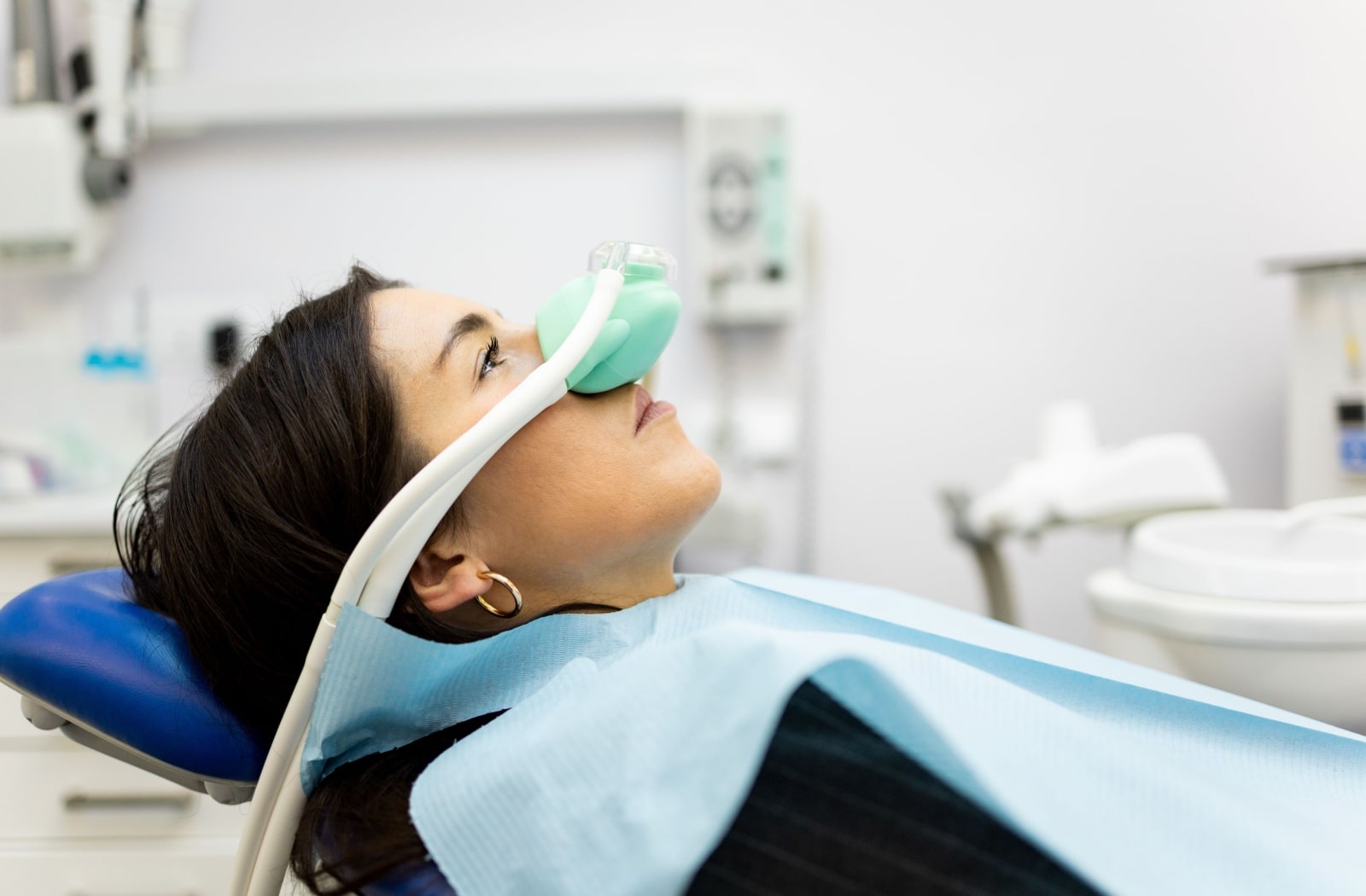
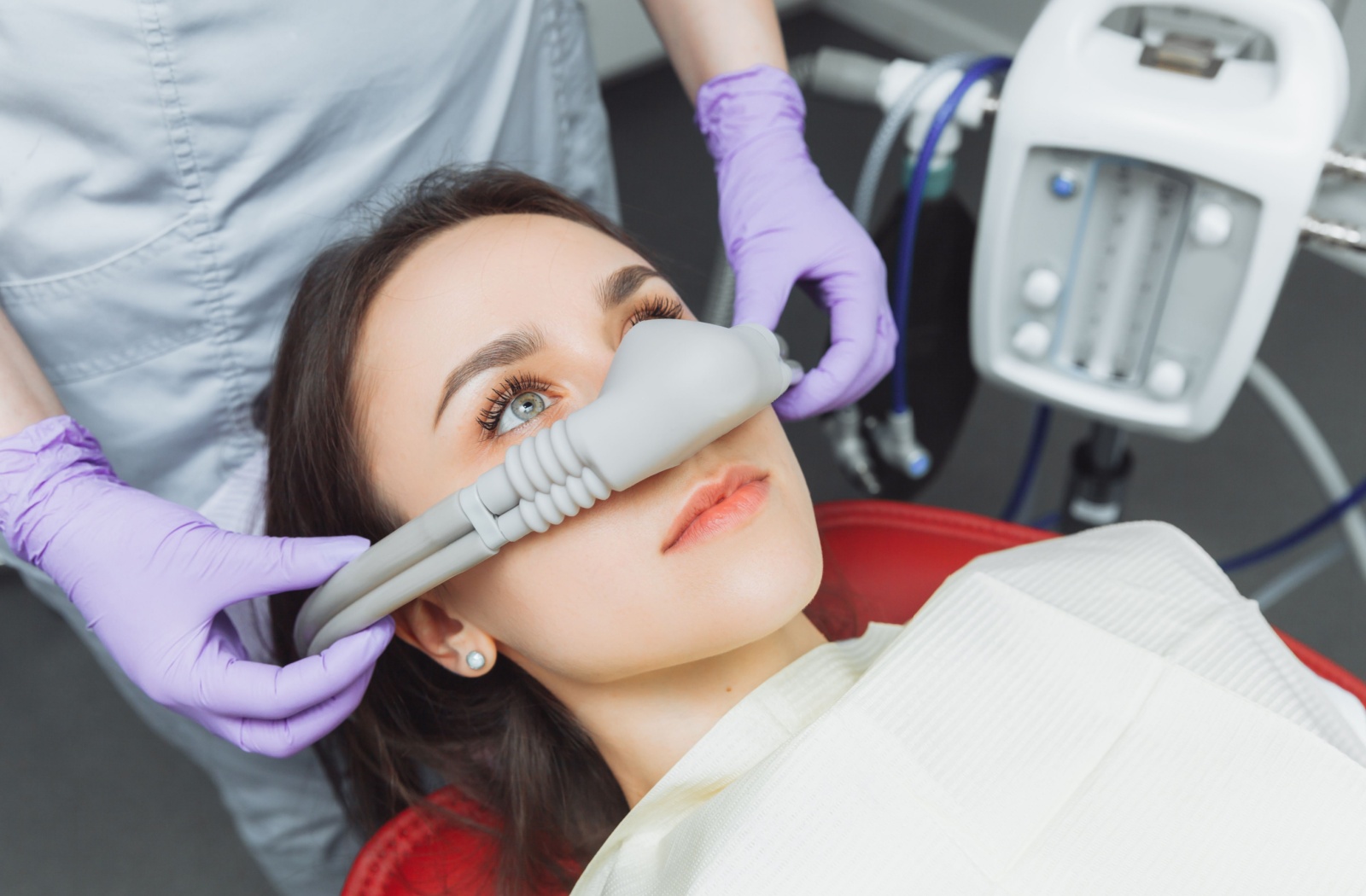
This comparison highlights how Dental Sedation varies in intensity and duration.
What Is Dental Sedation and How Does It Work?
Dental Sedation refers to the use of pharmacological techniques that help patients relax during dental procedures. Unlike general anesthesia, most forms of Dental Sedation allow patients to remain conscious while reducing anxiety, discomfort perception, and procedural stress. From a neurobiological perspective, Dental Sedation works by modulating the central nervous system. Many sedative agents influence gamma aminobutyric acid receptors, which play a role in calming neural activity. This creates a state of relaxation that may include mild drowsiness, decreased awareness of time, and reduced emotional reactivity. Importantly, Dental Sedation does not necessarily eliminate pain. Instead, it complements local anesthesia, which blocks nerve transmission at the treatment site. Together, they create a controlled and comfortable dental environment.Types of Dental Sedation Used in Modern Dentistry
Dental Sedation can be delivered in several forms, depending on patient needs and the complexity of the procedure. The main categories include inhalation sedation, oral sedation, intravenous sedation, and general anesthesia.1. Inhalation Sedation
Often known as nitrous oxide sedation, this method involves breathing a controlled mixture of oxygen and nitrous oxide through a mask. It is considered one of the mildest forms of Dental Sedation. Patients typically remain awake but feel light, calm, and less sensitive to stress. The effects wear off quickly once the gas is discontinued, making it suitable for shorter procedures.2. Oral Sedation
Oral Dental Sedation involves taking prescribed medication before the appointment. The level of relaxation varies from minimal to moderate sedation. Patients may feel drowsy and may remember less of the procedure. Because the onset and duration depend on metabolism, this form of Dental Sedation requires careful assessment.3. Intravenous Sedation
Intravenous Dental Sedation is administered directly into the bloodstream. It allows more precise control of sedation depth and works rapidly. Patients often enter a deeply relaxed state and may have limited memory of the treatment. Continuous monitoring is standard practice to ensure safety.4. General Anesthesia
Although technically distinct from typical Dental Sedation, general anesthesia may be used in complex surgical cases. Patients are fully unconscious and require advanced monitoring.
Comparison Table of Dental Sedation Methods
| Type | Conscious? | Onset Speed | Recovery Time | Typical Use |
| Inhalation | Yes | Fast | Very Short | Mild anxiety |
| Oral | Yes | Moderate | Several Hours | Moderate anxiety |
| IV | Semi conscious | Very Fast | Variable | Surgical procedures |
| General Anesthesia | No | Fast | Longer | Complex surgery |
Who May Consider Dental Sedation?
Dental Sedation is often discussed for individuals who experience dental anxiety. Studies suggest that dental fear can affect a significant percentage of adults globally, sometimes leading to postponed care. Beyond anxiety, Dental Sedation may be relevant for:- Patients with a strong gag reflex
- Individuals undergoing lengthy procedures
- People with difficulty sitting still
- Those with heightened tooth sensitivity
Benefits and Potential Considerations of Dental Sedation
The primary benefit of Dental Sedation is psychological comfort. Reduced anxiety can create a more positive dental experience and may encourage consistent oral health visits. Another advantage of Dental Sedation is procedural efficiency. Relaxed patients allow dentists to work with fewer interruptions, which can shorten overall treatment time. However, as with any medical intervention, Dental Sedation involves considerations. Temporary side effects such as mild dizziness, nausea, or drowsiness can occur. Individual responses vary based on health history, medications, and body chemistry. Modern guidelines emphasize patient screening, medical history review, and monitoring during Dental Sedation to maintain safety standards.The Science Behind Safety in Dental Sedation
Safety protocols in Dental Sedation rely on decades of anesthesiology research. Continuous monitoring of oxygen saturation, heart rate, and blood pressure is common in moderate to deep sedation cases. Pharmacological agents used in Dental Sedation are selected based on predictable onset, duration, and reversibility. For example, certain medications have reversal agents that can rapidly counteract sedative effects if necessary. Training and certification are equally important. Clinics that provide Dental Sedation follow structured guidelines regarding dosage calculation, airway management, and emergency preparedness.Dental Sedation and Patient Experience
Patient perception of Dental Sedation often includes feeling calm, detached from procedural sounds, and less aware of time passing. For many, the appointment feels shorter than expected. Psychological studies indicate that positive early experiences with Dental Sedation may reduce long term dental avoidance behavior. When fear is replaced with comfort, routine care becomes easier to maintain. At ClinicHI, patient education is considered an essential component of Dental Sedation. Understanding what to expect reduces uncertainty, which itself lowers anxiety levels.How Dental Sedation Is Selected
The choice of Dental Sedation depends on multiple variables:- Complexity of the procedure
- Duration of treatment
- Patient anxiety level
- Age and medical history
- Personal preferences
Get Your Free Consultation
Have questions? Leave your details and we'll get back to you as soon as possible.
Get Free Consultation