

Have you ever wondered why some people have noticeably protruding teeth? The condition commonly known as Buck Teeth is more than just a cosmetic concern it reflects a complex interplay of genetics, dental development, and sometimes lifestyle factors. In this article, brought to you by ClinicHI, we dive deep into Buck Teeth, exploring its causes, implications, and the intriguing science behind it.
Understanding these causes is essential, as it highlights that Buck Teeth is not a single-factor condition but a combination of anatomical and behavioral influences.
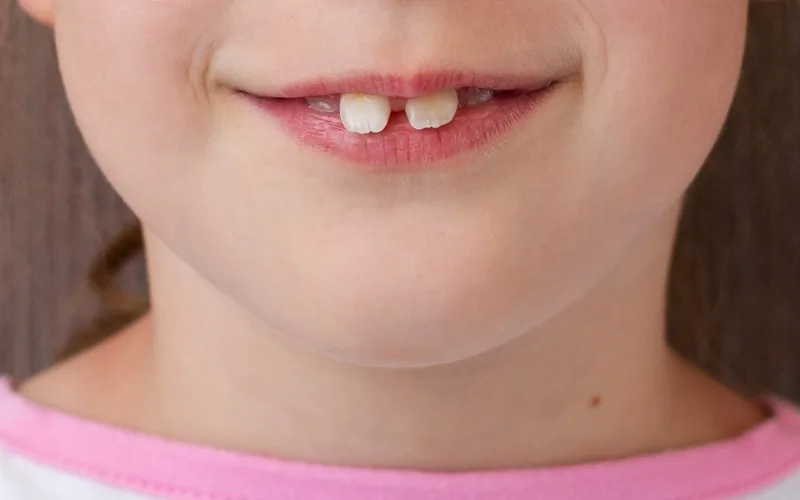
These perspectives remind us that Buck Teeth are not merely a “problem” but a feature shaped by genetics, behavior, and culture.
What are Buck Teeth?
Buck Teeth, medically referred to as overjet, describe a dental condition where the upper front teeth extend outward significantly over the lower teeth. While mild cases may be barely noticeable, pronounced Buck Teeth can influence speech, chewing efficiency, and facial aesthetics. Interestingly, not all cases of Buck Teeth stem from genetics alone. Environmental factors, oral habits, and even early dental care can shape the alignment of teeth over time. A study published in the Journal of Orthodontics highlighted that up to 30% of children experience some degree of overjet during their developmental years, though severity varies widely. Understanding Buck Teeth requires more than simply noting the outward position of teeth it’s about analyzing jaw growth, tooth eruption patterns, and craniofacial development. In essence, Buck Teeth is as much a story of the jaw as it is of the teeth themselves.Causes of Buck Teeth
Several factors contribute to the development of Buck Teeth, ranging from hereditary influences to habitual behaviors. Let’s break these down:- Genetics: A significant portion of Buck Teeth cases are inherited. Parents with pronounced overjets may pass on jaw structures that predispose children to protruding upper teeth.
- Jaw Discrepancies: Sometimes the upper jaw grows more rapidly than the lower jaw, creating a mismatch that pushes the teeth outward. Researchers have found that skeletal patterns play a crucial role in the severity of Buck Teeth.
- Oral Habits: Prolonged thumb sucking, pacifier use, or tongue thrusting during childhood can encourage upper teeth to shift forward. Behavioral studies indicate that habits persisting beyond age 3–4 may significantly impact dental alignment.
- Delayed or Misaligned Tooth Eruption: The timing of baby teeth shedding and adult teeth eruption can affect how teeth align. Crowding or delayed eruption may contribute to the formation of Buck Teeth.
| Cause | Description | Potential Impact |
| Genetics | Inherited jaw and tooth structure | Predisposition to overjet |
| Jaw Discrepancies | Uneven growth of upper vs. lower jaw | Visible protrusion |
| Oral Habits | Thumb sucking, pacifier use, tongue thrusting | Tooth misalignment over time |
| Delayed Tooth Eruption | Late shedding of primary teeth | Crowding or protrusion |
Effects of Buck Teeth on Daily Life
Having Buck Teeth can go beyond aesthetics. While some may embrace it as a unique feature, others experience practical and social challenges. Speech and Pronunciation: Protruding teeth can interfere with proper tongue placement, occasionally causing lisping or difficulty articulating certain sounds. Oral Health Risks: Teeth that extend outward may be more prone to accidental trauma. Additionally, misalignment can create areas difficult to clean, increasing the risk of cavities and gum issues. Psychological Impact: Especially in children and adolescents, noticeable Buck Teeth may affect confidence. Social studies have shown that dental appearance can influence peer interactions and self-esteem. Even though the effects vary, understanding the potential consequences of Buck Teeth emphasizes why monitoring dental development is crucial from an early age.
Treatment Options for Buck Teeth
Addressing Buck Teeth can involve a range of approaches, depending on severity, age, and underlying causes. Modern dentistry offers solutions that go beyond aesthetics, aiming to restore function and alignment. Orthodontic Treatments: Braces remain the most common method for correcting Buck Teeth. By gradually repositioning teeth, braces help achieve proper occlusion. Advanced techniques, such as clear aligners, provide a less visible option for adults and teenagers seeking discreet correction. Surgical Interventions: In severe cases, particularly where jaw growth discrepancies are involved, orthognathic surgery may be recommended. This procedure realigns the upper and lower jaws, creating a balanced bite and improving facial symmetry. Research from the International Journal of Oral and Maxillofacial Surgery indicates that combined orthodontic and surgical approaches can significantly enhance both function and aesthetics in extreme cases of Buck Teeth. Cosmetic Considerations: For minor protrusions, veneers or bonding may improve appearance without extensive orthodontics. While these solutions do not correct jaw alignment, they offer a temporary visual improvement.Prevention of Buck Teeth
Preventing Buck Teeth often focuses on early intervention and awareness of habits during childhood.- Monitor Oral Habits: Limiting thumb sucking and pacifier use after age 3–4 can reduce the risk of teeth protrusion. Tongue thrusting exercises may also help redirect pressure away from the front teeth.
- Regular Dental Check-Ups: Early orthodontic assessments, typically recommended around ages 7–8, can identify potential alignment issues before they become pronounced. Dentists can guide growth patterns with functional appliances if needed.
- Healthy Oral Practices: Encouraging proper chewing, biting, and swallowing habits supports balanced jaw development. Although these factors may seem minor, they cumulatively influence dental alignment over time.
Interesting Facts and Research About Buck Teeth
Beyond treatment and prevention, Buck Teeth present fascinating insights into dental science and evolution:- Evolutionary Perspective: Anthropologists note that jaw and tooth alignment in humans has changed over centuries. Dietary shifts from coarse to soft foods have impacted jaw development, indirectly influencing prevalence of Buck Teeth.
- Genetic Studies: Recent genetic research suggests that specific gene variations can affect craniofacial development, increasing susceptibility to overjet conditions. These findings highlight that Buck Teeth are partly a natural variation within the human population.
- Cultural Views: Interestingly, perceptions of Buck Teeth differ worldwide. In some East Asian cultures, slight protrusion is considered cute or endearing, illustrating that dental aesthetics are socially constructed as well as biological.
| Aspect | Insight |
| Evolution | Softer diets correlate with smaller jaws, higher overjet prevalence |
| Genetics | Gene variations influence craniofacial growth |
| Cultural Perception | Aesthetic acceptance varies across regions |
Potential Challenges in Daily Life with Buck Teeth
Even with mild cases, Buck Teeth can influence everyday experiences:- Eating and Chewing: Misaligned teeth may cause uneven pressure, occasionally leading to discomfort or wear.
- Oral Hygiene: Protruding teeth can create hard-to-reach areas, necessitating careful brushing and flossing.
- Social and Psychological Factors: Studies show that dental appearance can affect social interactions, especially during adolescence. Awareness and support can help mitigate negative effects.
Long-Term Outlook for Buck Teeth
The long-term effects of Buck Teeth depend on severity and intervention timing. Mild cases may remain largely cosmetic, causing minimal functional issues. However, significant overjet can contribute to:- Dental Wear: Misaligned teeth can experience uneven stress, leading to enamel erosion over time.
- Jaw Discomfort: Chronic misalignment may affect the temporomandibular joint (TMJ), occasionally causing tension or discomfort.
- Speech Adaptations: Persistent protrusion may slightly alter pronunciation patterns, although most people adapt naturally.
Myths and Misconceptions About Buck Teeth
Buck Teeth often carry social and cultural myths. Let’s address some common misconceptions:- Buck Teeth Only Affect Appearance: While aesthetics are noticeable, functional concerns like chewing, oral hygiene, and speech can also be involved.
- They Are Always Genetic: Although inheritance is significant, environmental factors and childhood habits play crucial roles.
- Braces Are the Only Solution: Orthodontics is common, but surgery, aligners, and minor cosmetic adjustments may also be appropriate depending on severity.
At What Age Can Buck Teeth Be Corrected?
Orthodontic assessments are typically recommended around ages 7–8. Early intervention can guide jaw growth and prevent severe protrusion. Children who receive timely evaluations often experience shorter treatment times and better long-term outcomes.Can Buck Teeth Be Influenced by Diet?
Indirectly, yes. Evolutionary studies suggest that softer modern diets reduce jaw development, which can increase overjet prevalence. While diet alone doesn’t create Buck Teeth, it interacts with genetics and jaw growth patterns to influence severity.Can Buck Teeth Impact Oral Health?
Yes. Protruding teeth may be harder to clean, slightly raising the risk of cavities and gum issues. Regular brushing, flossing, and dental check-ups help minimize these risks. In some cases, orthodontic treatment further enhances oral hygiene by aligning teeth properly.Are All Cases of Buck Teeth Noticeable?
No. Mild overjets may be barely visible but can still subtly affect bite mechanics. Some individuals have functional challenges without obvious cosmetic protrusion, which is why professional dental evaluation is important.Embracing Knowledge About Buck Teeth
Buck Teeth are a natural variation influenced by genetics, behavior, and jaw development. While they may present aesthetic or functional challenges, understanding causes, effects, and treatment options empowers individuals to make informed decisions. ClinicHI emphasizes that knowledge is key: recognizing Buck Teeth as part of craniofacial diversity encourages proactive dental care, early orthodontic assessment, and informed choices about interventions. Far from being a simple cosmetic concern, Buck Teeth offer a window into human biology, development, and cultural perception a reminder that our smiles reflect both science and individuality.Get Your Free Consultation
Have questions? Leave your details and we'll get back to you as soon as possible.
Get Free Consultation