
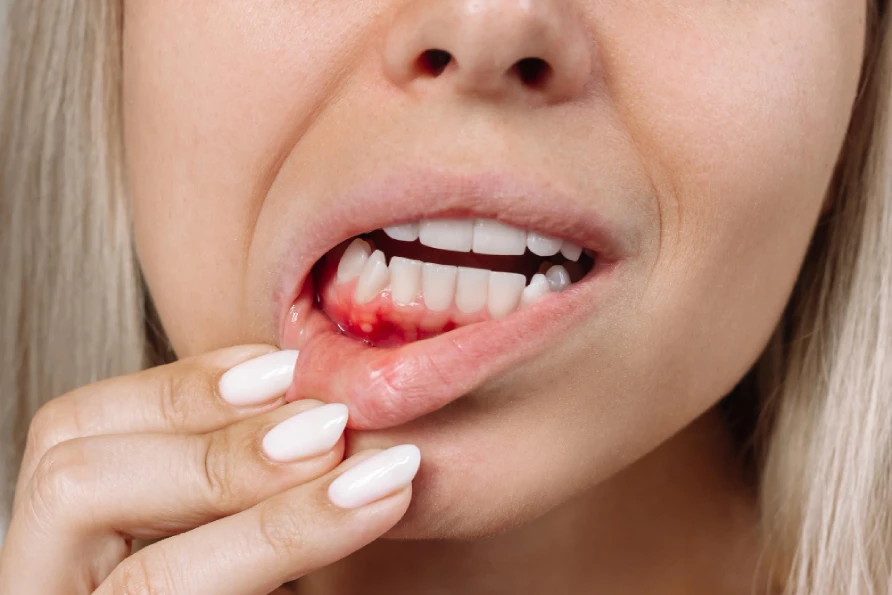
When the gum tissue that surrounds your teeth starts to pull back or wear away, more of the tooth or its root becomes exposed a condition known as Gum Recession. While it may seem like a minor cosmetic issue at first, it often signals deeper oral health concerns involving bone loss, sensitivity, and potential tooth instability. Understanding what causes it, how it develops, and what can help slow or improve it is crucial for maintaining long-term oral wellness.
Modern dental research emphasizes that Gum Recession isn’t merely about the gums themselves. It reflects a combination of biological, mechanical, and behavioral factors from genetics to brushing technique. At ClinicHI, experts examine these layers holistically, considering how lifestyle and anatomy intersect to influence gum health.
As the table indicates, early intervention during the first two stages provides the best chance to stabilize the gums and protect against further deterioration.
Research suggests that once the gum margin passes a critical level, the body cannot naturally regenerate lost tissue. Instead, preventive and restorative approaches are required to maintain oral stability.
What Exactly Is Gum Recession?
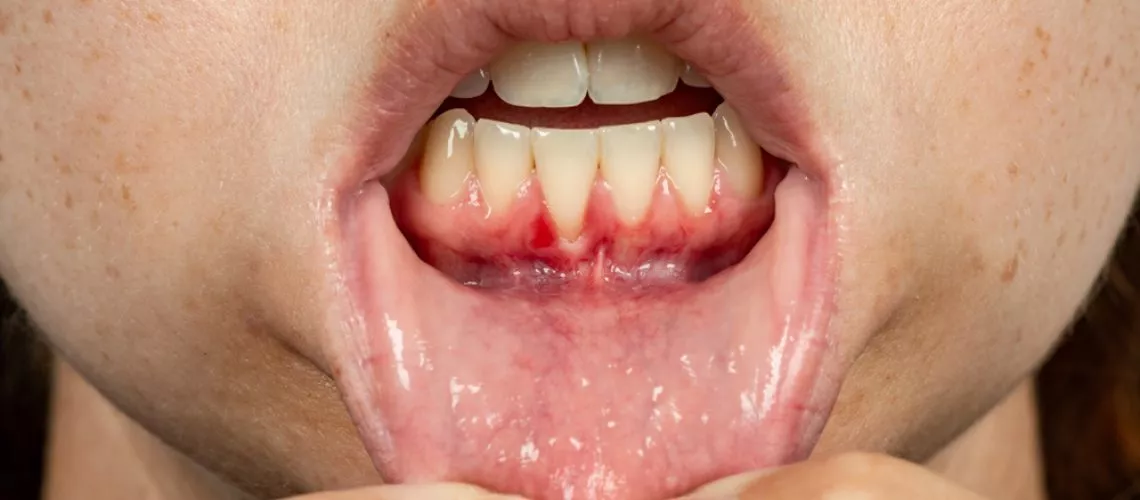
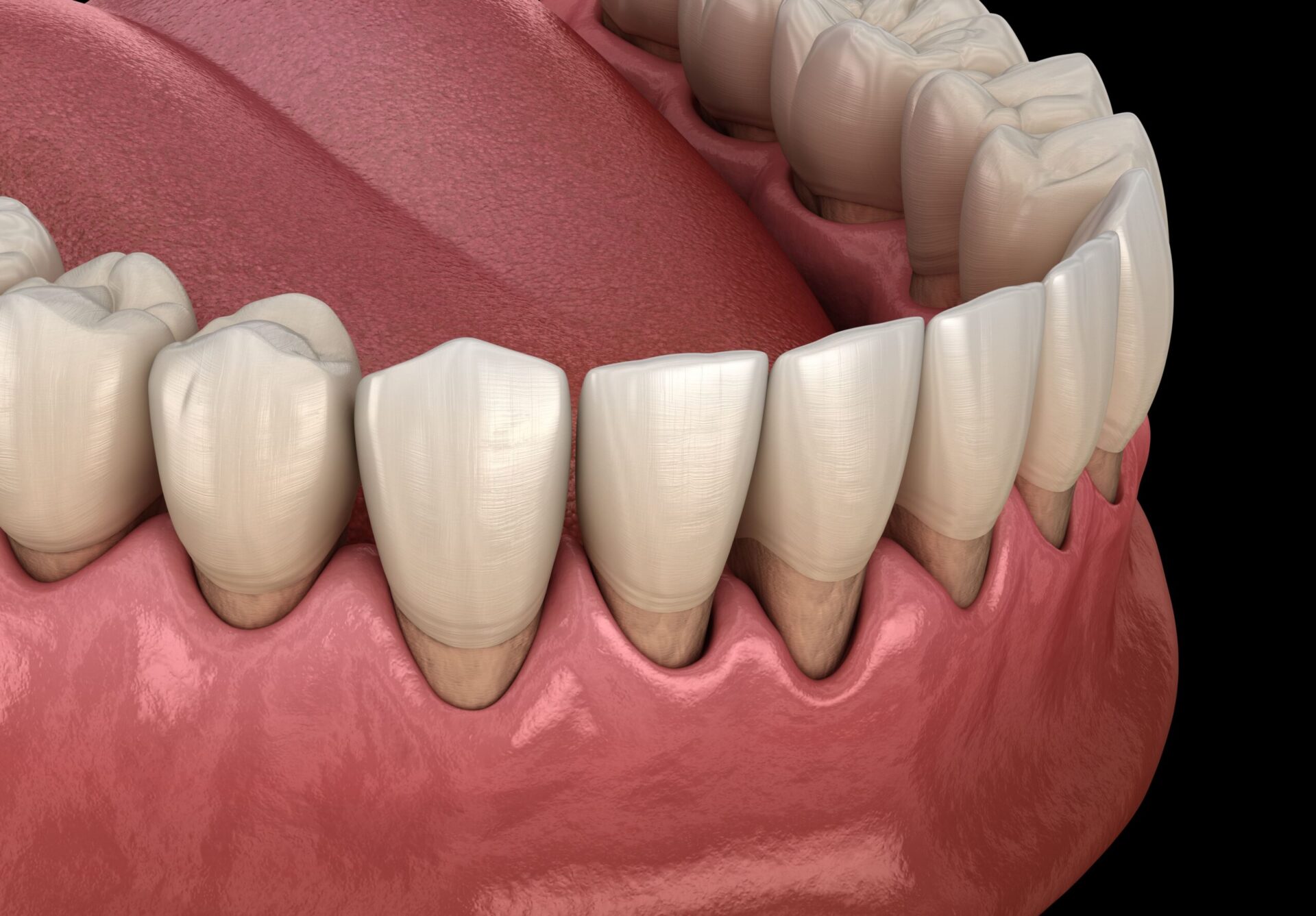
Gum Recession refers to the gradual loss or retraction of gum tissue from around the teeth. This process can occur slowly, often going unnoticed until tooth roots become visibly exposed or sensitivity increases. Clinically, it’s not an isolated disease but a symptom or consequence of other underlying oral issues. To understand its significance, imagine the gums as a natural protective collar around each tooth. When this collar weakens, the underlying structures dentin, root surface, and bone lose their shield. In many cases, gingival recession may progress silently, with early signs such as:- Teeth appearing longer than before
- Slight notches near the gum line
- Increased sensitivity to temperature changes
- Darker root surfaces visible near the gum margin
What Causes Gum Recession?
There is no single cause of Gum Recession. Instead, it develops from a combination of mechanical, genetic, and bacterial factors that affect the gums’ resilience and attachment to the teeth. Understanding these factors can clarify why some people experience recession even with good oral hygiene.1. Overbrushing or Aggressive Brushing
Using excessive force or a hard-bristled toothbrush can wear down the gum line over time. Microscopic trauma caused by daily abrasion slowly pushes the tissue away from the tooth, especially on the front teeth and canines.2. Periodontal (Gum) Disease
Chronic inflammation triggered by bacterial plaque weakens the supporting tissues around teeth. When left untreated, this leads to Gum Recession, bone loss, and sometimes tooth mobility. The body’s immune response to infection accelerates tissue degradation.3. Misaligned Teeth or Bite Pressure
Uneven distribution of bite forces can strain specific gum areas, causing localized recession. Orthodontic imbalances or bruxism (teeth grinding) amplify this mechanical stress.4. Genetic and Anatomical Factors
Some individuals naturally have thinner gum tissue or less bone coverage, making them more prone to gingival recession despite proper care.5. Hormonal and Systemic Influences
Hormonal fluctuations during pregnancy, menopause, or thyroid disorders can alter gum vascularity and tissue response, contributing to Gum Recession in susceptible individuals.How Does Gum Recession Progress Over Time?
The progression of Gum Recession is typically slow, yet irreversible once significant tissue loss occurs. In the early stages, minor gum detachment might not produce discomfort, but as the condition advances, symptoms become more noticeable. The general progression can be understood in three stages:| Stage | Description | Visible Changes |
| Early Recession | Mild gum detachment with little to no sensitivity | Slight tooth elongation |
| Moderate Recession | Noticeable root exposure, temperature sensitivity | Yellowish root surface visible |
| Advanced Recession | Deep tissue loss, bone exposure, mobility risk | Severe aesthetic and functional impact |
Can Gum Recession Be Reversed?
In most cases, Gum Recession cannot be entirely reversed once tissue has been lost. However, its progression can be controlled and sometimes improved through clinical and behavioral measures that strengthen the remaining gums and prevent further loss. A few supportive strategies commonly explored in clinical discussions include:- Soft-bristle brushing and gentle pressure Switching to softer brushes reduces mechanical abrasion. Modern electric toothbrushes with pressure sensors can assist in retraining brushing habits.
- Managing gum inflammation Regular professional cleanings remove plaque accumulation below the gum line, limiting the bacterial contribution to recession.
- Correcting bite and alignment In cases of malocclusion, orthodontic adjustment may redistribute pressure evenly across teeth, minimizing local trauma.
- Tissue regeneration and grafting techniques In advanced cases, periodontists may use connective tissue grafts or guided regeneration membranes to rebuild the lost gum line.
Natural Ways to Support Gum Health
While modern dentistry offers advanced procedures to manage Gum Recession, prevention often begins with simple, daily habits that protect the gums’ structural integrity. Supporting gum tissue naturally doesn’t mean relying on unverified home remedies it means understanding the body’s biology and adopting behaviors that align with it. Healthy gums rely on a stable environment balanced oral microbiota, steady circulation, and minimal mechanical stress. Nutritional balance, hydration, and saliva quality all contribute to this. For instance, vitamins C and D, omega-3 fatty acids, and antioxidants are known to play indirect roles in maintaining connective tissue resilience and reducing inflammation. Additionally, mindful oral hygiene brushing twice daily with soft circular motions and using interdental brushes instead of harsh flossing can slow down the microscopic trauma that leads to Gum Recession. The goal is not to scrub but to sweep bacteria away gently without harming the protective gingival barrier. Another underestimated factor is stress management. Chronic tension often leads to jaw clenching or bruxism, which exerts continuous pressure on gums and teeth. Mindful relaxation, night guards, and postural awareness during the day all contribute to healthier gums over time.Daily Habits That Prevent Gum Recession
Sustainable gum care stems from consistency rather than intensity. The following practices, when integrated into a daily routine, form a strong defense against Gum Recession and its associated complications.1. Brush Gently, Not Aggressively
The “harder is better” myth is one of the primary causes of gingival recession. The gum tissue doesn’t need force it needs finesse. Using a soft-bristled toothbrush and fluoride toothpaste with minimal pressure cleans effectively without abrasion. The proper technique involves holding the brush at a 45-degree angle toward the gum line and using short, sweeping motions.2. Don’t Skip the Tongue
A coated tongue harbors bacteria that can inflame gum tissues indirectly. Cleaning the tongue daily supports a balanced oral environment, reducing the bacterial load responsible for gum inflammation and potential Gum Recession.3. Keep Hydration High
Saliva is a natural defense against bacteria and acid. Staying hydrated ensures that the mouth maintains its protective flow, buffering pH levels and washing away irritants that can stress the gum line.4. Schedule Professional Checkups
Regular dental visits typically every six months are crucial for identifying early signs of Gum Recession. Professional scaling and polishing remove plaque and calculus deposits that are impossible to eliminate through brushing alone. Clinics like ClinicHI emphasize preventive screenings using digital tools to monitor subtle gum margin changes over time.5. Limit Tobacco and Alcohol
Both tobacco and excessive alcohol compromise blood flow to gum tissues. Research shows that smokers are significantly more likely to experience advanced gingival recession, as the reduced oxygenation limits tissue repair capacity.6. Chew Mindfully
Biting fingernails, ice, or hard objects introduces unnecessary pressure points. Over time, these micro-traumas contribute to gum detachment. Balanced chewing on both sides of the mouth helps distribute mechanical stress evenly. By merging these habits into your daily life, gum health becomes a form of self-maintenance not merely a response to symptoms. Most importantly, these actions build a foundation for long-term stability that complements professional dental care.The Role of Modern Dentistry in Managing Gum Recession
Today’s dental approaches to Gum Recession blend precision diagnostics with biologically compatible treatments. The emphasis has shifted from symptomatic correction to proactive preservation.Digital Diagnostics and 3D Imaging
At advanced clinics like ClinicHI, 3D CBCT imaging and digital periodontal mapping allow professionals to visualize soft tissue and bone in microscopic detail. This ensures accurate identification of Gum Recession depth and localized causes, guiding targeted treatment plans.Minimally Invasive Procedures
Modern periodontology favors procedures that preserve as much of the natural tissue as possible. Pinhole Surgical Technique (PST), for example, enables clinicians to reposition gum tissue without traditional graft incisions, reducing recovery time and improving aesthetics.Regenerative Biomaterials
Guided tissue regeneration and biocompatible membranes encourage the body’s own cells to rebuild attachment fibers. Such regenerative dentistry principles, while complex, show promising results in stabilizing and reinforcing areas affected by gingival recession.Interdisciplinary Care
Because Gum Recession often intersects with orthodontics, prosthodontics, and even nutrition, integrated treatment is becoming the standard. Collaboration between specialists ensures that both functional and aesthetic outcomes are achieved without over-treatment. These innovations show that gum management is evolving from corrective surgery to holistic prevention and regeneration a significant step forward for dental health worldwide.Why Gum Recession Matters Beyond Aesthetics
For many people, Gum Recession first becomes noticeable when the smile looks slightly “longer” or uneven. While this aesthetic change can affect confidence, its true importance lies beneath the surface. Receding gums alter the delicate balance that protects tooth roots, exposing them to temperature sensitivity, decay, and even structural loss. Beyond aesthetics, gum tissue acts as a biological barrier shielding underlying bone and nerves from external stimuli. When that barrier thins or retreats, it triggers a cascade of issues: root caries, plaque accumulation, and bone resorption. Research in periodontology highlights that untreated Gum Recession can eventually compromise the stability of even otherwise healthy teeth. Furthermore, the relationship between gum health and systemic health continues to attract global scientific attention. Chronic inflammation in oral tissues has been associated with cardiovascular, metabolic, and inflammatory conditions. In that sense, maintaining stable gums supports not only dental aesthetics but also general wellness.How Patients Can Take Control of Their Gum Health
Managing Gum Recession is not just about visiting the dentist when something feels wrong it’s about understanding the signals your body gives and responding early. Patients play an active role in both prevention and management through observation, discipline, and collaboration with dental professionals.Step 1 - Recognize the Early Signs
Before significant tissue loss occurs, gingival recession may present with mild symptoms: brief sensitivity to cold air, small notches near the gum line, or subtle bleeding after brushing. Noticing these indicators early enables intervention before irreversible changes develop.Step 2 - Adopt a Gentle, Consistent Routine
Gum care should never feel harsh. Gentle brushing, correct flossing, and mouthwashes with balanced pH help sustain a stable environment around the teeth. Mechanical consistency is more valuable than aggressive effort.Step 3 - Personalize Your Dental Plan
No two cases of Gum Recession are identical. A thin biotype, orthodontic history, or specific bite pattern may alter what “care” means for each individual. Custom treatment whether through minor contouring or regenerative therapy ensures that gum management aligns with each patient’s unique oral anatomy.Step 4 - Stay Informed
Dentistry evolves quickly, with new technologies emerging every year. Awareness of regenerative biomaterials, laser-assisted therapies, and digital diagnostics allows patients to ask informed questions and choose evidence-based treatments. The empowering truth is that gum health isn’t fixed it can be actively nurtured through awareness, daily practice, and professional partnership.Long-Term Care Strategies for Lasting Oral Health
Long-term protection against Gum Recession depends on consistency and balance. While short-term solutions may reduce symptoms, sustainable strategies keep gum tissue resilient throughout life.- Maintain Regular Professional Monitoring Routine dental visits every six months help identify subtle changes before they progress. At ClinicHI, advanced imaging systems allow precise tracking of gum margin shifts, bone density, and soft-tissue tone over time.
- Manage Occlusal Forces Clenching, grinding, or uneven bite pressure accelerates gingival recession. Custom night guards, bite adjustments, or occlusal balancing techniques help redistribute forces across all teeth.
- Use Biocompatible Oral Products Alcohol-free rinses and enamel-safe toothpastes prevent chemical irritation. Some modern formulations include natural enzymes and gentle fluoride levels that strengthen enamel without inflaming the gum line.
- Cultivate a Whole-Body Approach Gum resilience reflects overall health. Balanced nutrition, hormonal stability, stress management, and sufficient hydration all influence the gums’ ability to regenerate micro-tissue daily.
- Embrace Preventive Aesthetics For individuals already affected by Gum Recession, modern dentistry offers aesthetic refinements such as soft-tissue grafting, micro-veneers, and pink porcelain restorations that restore both protection and harmony to the smile.
A Smarter Way to Think About Gum Recession
In a world that often focuses on the brightness of teeth, the quiet importance of gums is easy to overlook. Yet they form the foundation upon which every healthy smile stands. Gum Recession reminds us that oral health is dynamic shaped by habits, genetics, and care decisions we make daily. Modern dentistry no longer treats gums as passive tissue. Instead, they are understood as living structures that adapt, heal, and reflect systemic balance. At ClinicHI, every evaluation of Gum Recession integrates advanced diagnostics with a patient-centered philosophy aiming not just to repair, but to preserve the natural architecture of the mouth. A beautiful smile isn’t only about the teeth; it’s about the quiet strength of the gums that support them. Protecting that foundation is not an obligation it’s an investment in lifelong health, confidence, and natural beauty.Get Your Free Consultation
Have questions? Leave your details and we'll get back to you as soon as possible.
Get Free Consultation