
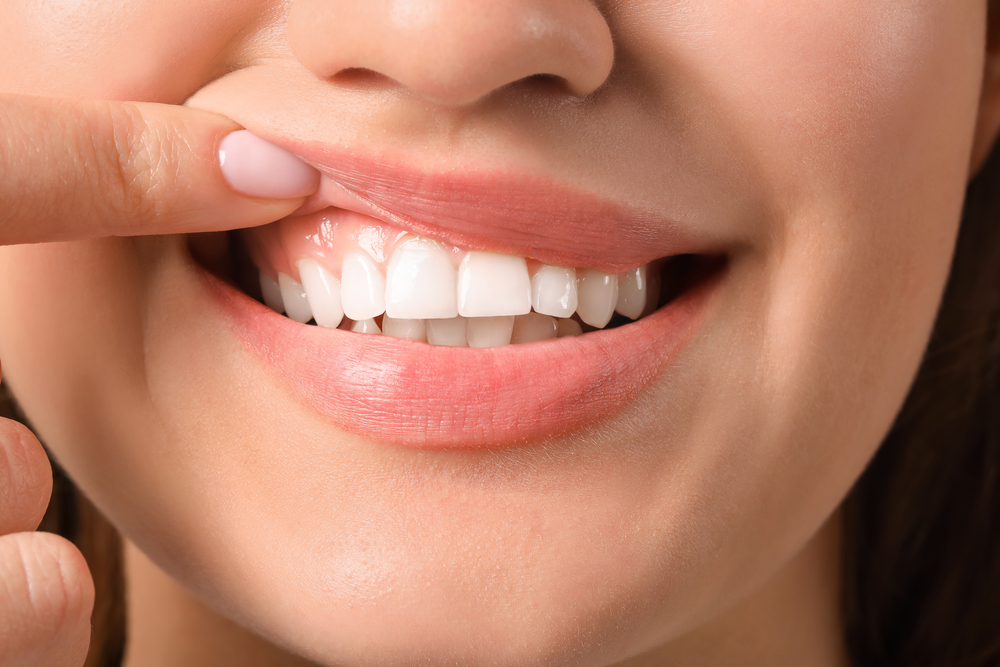
Have you ever felt an unusual tickle in your mouth that just wouldn’t go away? Itchy gums are more common than many realize, and while they might seem trivial at first, they can indicate a range of underlying conditions. From simple irritations to more complex oral health issues, understanding why your gums feel itchy is key to maintaining a healthy mouth and a confident smile. In this article, we will explore the various causes, potential triggers, and interesting insights surrounding itchy gums.
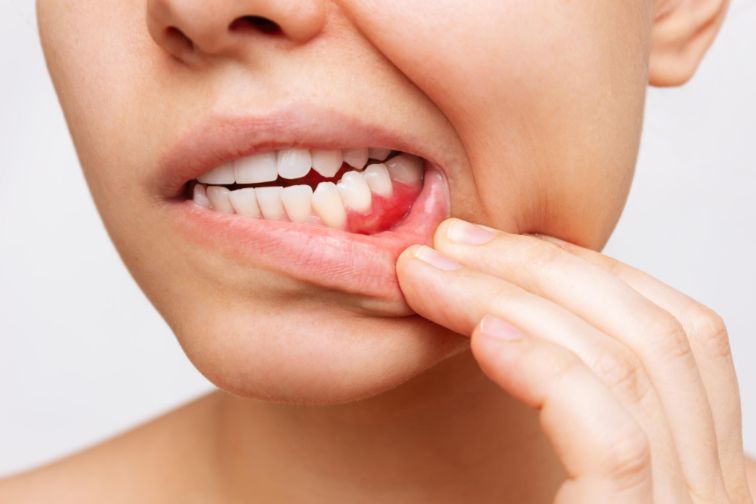
Ensuring a balanced diet rich in fruits, vegetables, and fortified foods can help maintain healthy gums and minimize itchy gums.
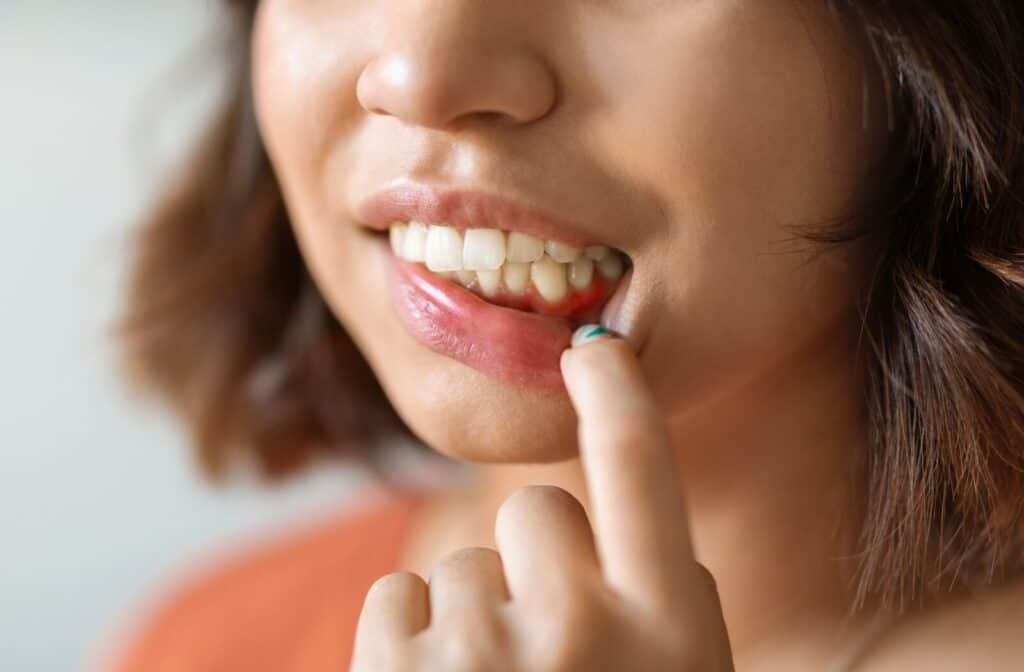
Common Triggers of Itchy Gums
Itchy gums often arise due to minor irritations, but several specific triggers are frequently involved. One of the most common causes is plaque buildup, which can inflame the gum tissue and create a persistent itching sensation. Plaque contains bacteria that release toxins, provoking the gums to respond with irritation. Another major trigger is allergic reactions. Many people experience itchy gums after consuming certain foods, dental products, or medications. Ingredients like sodium lauryl sulfate in toothpaste or flavoring agents in chewing gums can irritate sensitive gum tissue. Even seasonal allergens, such as pollen, can indirectly provoke gum discomfort through oral allergy syndrome.The Role of Gingivitis in Itchy Gums
Gingivitis, the early stage of gum disease, is a well-documented cause of itchy gums. This condition occurs when bacterial accumulation along the gum line leads to inflammation. A study published in the Journal of Clinical Periodontology noted that early gingivitis often manifests with subtle symptoms, including itching, mild swelling, and bleeding during brushing. Gingivitis is usually reversible with proper oral hygiene. Flossing, gentle brushing, and regular dental cleanings can reduce bacterial load, calming the itchy gums. However, ignoring gingivitis can allow it to progress to periodontitis, where the itch is accompanied by more serious complications like gum recession and bone loss.Oral Hygiene Products and Itchy Gums
Interestingly, some dental products themselves can trigger itchy gums. Toothpaste, mouthwashes, and even floss can contain chemical agents that irritate sensitive tissues. Sodium lauryl sulfate, triclosan, and certain flavoring compounds are known irritants. People with a predisposition to gum sensitivity may experience tingling, burning, or itching after using these products. Switching to hypoallergenic toothpaste or alcohol-free mouthwash can significantly reduce irritation. Additionally, choosing soft-bristled toothbrushes and avoiding overly vigorous brushing can help minimize mechanical irritation that contributes to itchy gums.Nutritional Deficiencies Linked to Itchy Gums
Certain vitamin deficiencies have been linked to gum discomfort and itchy gums. Vitamins such as C, K, and B complex play critical roles in gum health. Vitamin C deficiency, for instance, can weaken connective tissues and impair collagen formation, leading to gum inflammation and itching. A table summarizing key nutrients and their connection to itchy gums:| Nutrient | Role in Gum Health | Effect of Deficiency |
| Vitamin C | Collagen synthesis | Bleeding, itchiness |
| Vitamin K | Blood clotting | Prolonged irritation |
| Vitamin B12 | Tissue regeneration | Tingling and discomfort |
| Calcium | Bone support | Weak gums, sensitivity |
Hormonal Changes and Itchy Gums
Hormonal fluctuations, particularly in women, can contribute to itchy gums. Puberty, pregnancy, and menopause all trigger changes in hormone levels that affect gum sensitivity and vascularization. During pregnancy, for example, increased estrogen and progesterone can amplify the body’s response to plaque, making gums more prone to itchiness and swelling. This connection is supported by multiple clinical studies, highlighting that women often report increased oral sensitivity during specific life stages. Awareness of these hormonal effects can guide individuals in adjusting oral care routines during these periods.Systemic Conditions and Itchy Gums
Sometimes, itchy gums can be a symptom of broader health conditions. Autoimmune diseases like lichen planus or diabetes may manifest in oral tissues, including gums. People with lichen planus often experience persistent itching accompanied by white or red patches on the gums. Similarly, uncontrolled diabetes can alter the immune response, leading to gum inflammation and itchiness. While not every case of itchy gums indicates a systemic disease, persistent or severe itching warrants professional evaluation to rule out underlying conditions.Behavioral and Lifestyle Factors
Lifestyle habits also play a significant role in itchy gums. Smoking, alcohol consumption, and poor hydration can all exacerbate gum irritation. Tobacco reduces blood flow to gum tissues, slowing repair and increasing susceptibility to inflammation. Alcohol can dehydrate oral tissues, amplifying itching sensations. Even stress has been linked to gum discomfort. High stress levels can weaken immune response, allowing minor irritations to escalate into noticeable itchy gums. Maintaining a healthy lifestyle with balanced diet, regular exercise, and stress management can help mitigate these effects. Itchy gums are a multifaceted phenomenon, influenced by hygiene habits, nutrition, systemic health, hormonal changes, and lifestyle factors. While often benign, persistent itching may indicate deeper oral or systemic issues. By understanding the various triggers and patterns, individuals can make informed decisions about their oral care and when to seek professional advice. Ultimately, a combination of attentive hygiene, proper nutrition, and lifestyle awareness forms the foundation for healthy gums free from itchiness.Get Your Free Consultation
Have questions? Leave your details and we'll get back to you as soon as possible.
Get Free Consultation