
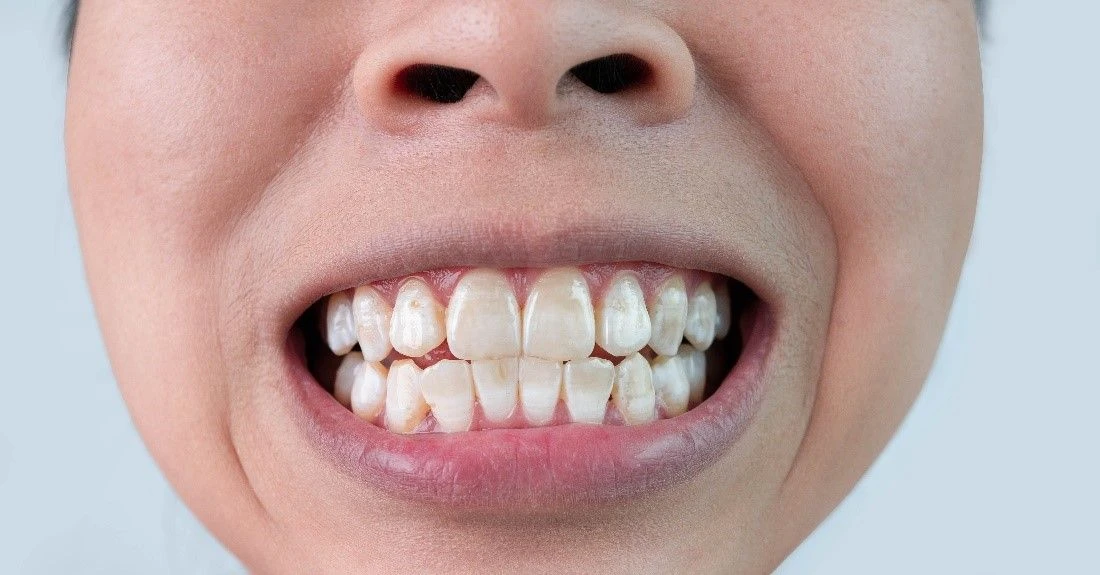
Tooth Remineralization is often described as the natural process through which minerals are redeposited into tooth enamel, helping it regain strength and balance after exposure to acids. In everyday life, enamel constantly faces challenges from diet, oral bacteria, and environmental factors. This dynamic makes the concept both scientifically fascinating and practically relevant, especially for people curious about how teeth maintain their resilience over time.
Unlike dramatic dental procedures, Tooth Remineralization operates quietly in the background. It reflects the body’s ability to support enamel repair on a microscopic level. Understanding how this process works helps explain why some teeth remain strong despite daily stress, while others show early signs of wear or sensitivity. This article explores the science, mechanisms, and modern perspectives surrounding this topic, blending research-based insight with an engaging narrative.
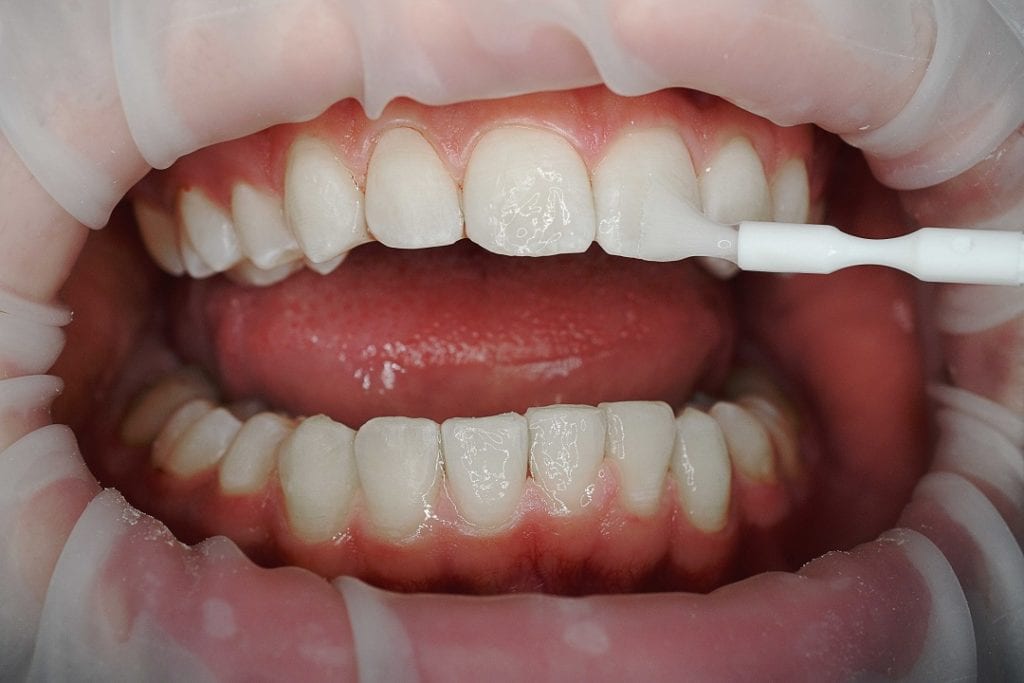
When demineralization dominates, enamel becomes more vulnerable. When Tooth Remineralization has the advantage, enamel stability improves. This constant cycle explains why enamel condition can change gradually rather than suddenly.
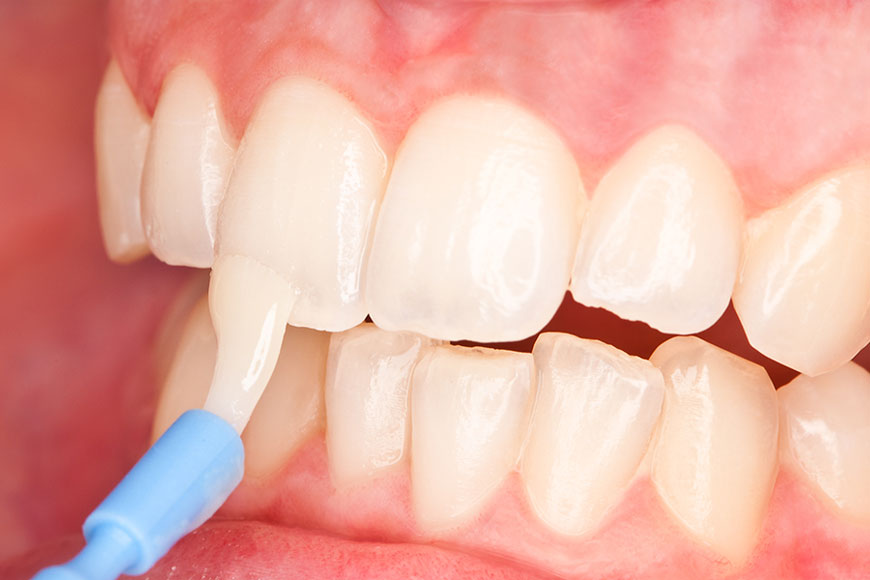
Understanding the Science Behind Tooth Remineralization
At its core, Tooth Remineralization refers to the movement of minerals such as calcium and phosphate back into enamel crystals. Enamel itself is not alive, yet it responds to chemical changes in the mouth. When acids lower the pH, minerals can leave the enamel surface. When conditions normalize, minerals may return, restoring balance. This constant cycle is part of what makes teeth surprisingly durable. Rather than being static structures, they exist in a state of equilibrium. Researchers often describe this balance as a tug of war between mineral loss and mineral gain. Tooth Remineralization represents the side of the equation that supports structural stability and visual smoothness of enamel.Tooth Remineralization and Enamel Structure
Enamel is made up of tightly packed hydroxyapatite crystals. These crystals are responsible for hardness, translucency, and resistance to pressure. When mineral density drops, enamel can appear dull or porous. Tooth Remineralization focuses on restoring mineral density within these crystals rather than rebuilding enamel entirely. Microscopic studies show that early enamel changes do not always result in visible damage. This is why Tooth Remineralization is often discussed in the context of early-stage enamel changes. At this stage, enamel may still look intact, yet subtle mineral shifts are already occurring beneath the surface.The Role of Saliva in Tooth Remineralization
Saliva plays a central role in Tooth Remineralization. It acts as a natural buffer, helping neutralize acids while supplying essential minerals. Saliva also forms a protective film on teeth, known as the pellicle, which regulates how minerals move in and out of enamel. Variations in saliva composition can influence how effectively Tooth Remineralization occurs. Factors like hydration, stress, and daily habits affect saliva flow and mineral content. This explains why enamel behavior may differ significantly from person to person, even when routines appear similar.Tooth Remineralization vs Demineralization Dynamics
To fully grasp Tooth Remineralization, it helps to contrast it with demineralization. Demineralization happens when acids dominate the oral environment, drawing minerals out of enamel. Remineralization, on the other hand, occurs when conditions allow minerals to redeposit. These processes do not happen in isolation. They alternate throughout the day, sometimes within minutes. Tooth Remineralization is not about reversing all damage but about maintaining balance. When this balance favors mineral gain, enamel remains stronger and more visually consistent.Historical Perspectives on Tooth Remineralization
The idea of Tooth Remineralization gained attention as dental research moved away from purely mechanical views of enamel. Earlier models treated enamel loss as irreversible. Modern research challenged this assumption by demonstrating that early enamel changes could stabilize under the right conditions. Scientific literature now often frames Tooth Remineralization as a preventive and adaptive phenomenon rather than a cure. This shift changed how professionals and researchers discuss enamel health, emphasizing observation, timing, and understanding rather than immediate intervention.Why Tooth Remineralization Attracts Scientific Interest
What makes Tooth Remineralization especially intriguing is its intersection of chemistry, biology, and daily behavior. It is influenced by pH levels, mineral saturation, and even circadian rhythms. Researchers continue to study how enamel responds to repeated cycles of mineral loss and gain. This ongoing interest has led to new materials, models, and hypotheses about enamel resilience. While not all findings translate directly into everyday outcomes, they deepen our understanding of how Tooth Remineralization fits into the broader picture of oral science and human biology. In the next section, the focus will shift toward how modern dental research interprets Tooth Remineralization in real-world contexts, including materials, observations, and evolving scientific debates.How Tooth Remineralization Works Inside the Enamel
Tooth Remineralization is a dynamic process that takes place at the microscopic level of the enamel. Tooth enamel may appear solid and unchanging, but in reality it is constantly interacting with acids, minerals, and saliva. When acids produced by bacteria or acidic foods weaken enamel, minerals such as calcium and phosphate can be lost. Remineralization refers to the natural process in which these lost minerals are gradually redeposited into the enamel structure. Saliva plays a central role in Tooth Remineralization. It acts as a mineral reservoir and helps neutralize acids in the mouth. When the oral environment shifts back toward a neutral pH, minerals become more stable and can reattach to weakened enamel areas. This balance between mineral loss and mineral gain determines whether enamel strengthens or continues to weaken over time.The Science Behind Tooth Remineralization and Mineral Balance
From a scientific perspective, Tooth Remineralization depends on equilibrium. Enamel is primarily composed of hydroxyapatite crystals, which require calcium and phosphate ions to remain stable. When acids lower the pH in the mouth, these crystals begin to dissolve. When conditions improve, the same ions can return and reinforce the enamel surface. Researchers often describe Tooth Remineralization as a surface-level recovery rather than a deep structural rebuild. Early-stage enamel softening may respond positively to mineral reabsorption, while more advanced damage typically cannot. This distinction explains why timing and consistency are frequently emphasized in discussions around enamel health, without framing the process as a guaranteed solution.Tooth Remineralization vs Demineralization
Understanding Tooth Remineralization becomes easier when compared directly with demineralization. These two processes occur simultaneously in the mouth and are influenced by diet, oral habits, and biological factors.| Process | What Happens | General Impact |
| Demineralization | Acids remove minerals from enamel | Weakens enamel structure |
| Remineralization | Minerals redeposit into enamel | Strengthens enamel surface |
Factors That Influence Tooth Remineralization
Several variables may influence how efficiently Tooth Remineralization occurs. Saliva composition, oral pH, and exposure to minerals all contribute to the process. Individuals naturally vary in saliva flow and mineral content, which means remineralization capacity can differ from person to person. Lifestyle patterns also play a role in how Tooth Remineralization unfolds. Frequent exposure to acidic beverages may shift the balance toward mineral loss, while neutral conditions allow minerals to reattach more easily. These influences do not act in isolation but interact continuously throughout the day.Tooth Remineralization in Modern Dental Research
Recent studies explore how Tooth Remineralization can be supported through material science and bioactive compounds. Researchers analyze how calcium-based compounds, phosphate systems, and fluoride alternatives interact with enamel crystals. The goal is to better understand how enamel responds at the molecular level without overstating outcomes. What makes Tooth Remineralization especially interesting in research is its preventive focus. Instead of restoring enamel mechanically, scientists examine how natural repair mechanisms might be supported earlier in the enamel breakdown timeline. This perspective has influenced how enamel health is discussed in modern dentistry literature.Why Tooth Remineralization Attracts So Much Attention
The growing interest in Tooth Remineralization reflects a broader shift toward preservation rather than replacement. Enamel does not regenerate in the traditional sense, which makes mineral reinforcement an appealing concept. The idea of supporting what already exists resonates with people seeking conservative dental approaches. At the same time, Tooth Remineralization is often misunderstood as a cure-all. Scientific discussions tend to emphasize its limitations alongside its potential. Recognizing both sides helps create a more accurate picture of what remineralization can and cannot contribute to long-term enamel stability.Long-Term Perspectives on Tooth Remineralization
Tooth Remineralization is often discussed as a gradual and cumulative phenomenon rather than an instant change. Over time, enamel responds to its environment by continuously adjusting its mineral content. This long-term perspective explains why remineralization is usually framed as a supportive process instead of a dramatic transformation. Small, repeated mineral gains may contribute to enamel stability, especially when conditions remain favorable. From an observational standpoint, Tooth Remineralization aligns closely with how the body naturally maintains balance. Teeth are exposed daily to cycles of stress and recovery. Remineralization represents the recovery phase, where enamel regains some of what it has lost. Understanding this slow rhythm helps clarify why expectations around enamel strengthening tend to focus on consistency rather than speed.Common Misconceptions About Tooth Remineralization
One of the most widespread misunderstandings about Tooth Remineralization is the idea that enamel can fully rebuild itself once damaged. Scientific discussions usually make a clear distinction between early enamel changes and advanced structural loss. Remineralization may support surface-level reinforcement, but it does not recreate enamel in the way bone regenerates. Another misconception is that Tooth Remineralization happens independently of daily habits. In reality, it is closely linked to oral conditions such as acidity, saliva flow, and mineral availability. These variables interact constantly, making remineralization part of a broader biological system rather than a standalone solution.
Tooth Remineralization and the Role of Emerging Materials
In recent years, Tooth Remineralization has gained attention due to advances in dental materials. Researchers explore bioactive compounds designed to interact with enamel at a microscopic level. These materials are studied for how they release calcium and phosphate ions in environments where enamel needs reinforcement. What makes this area particularly interesting is how Tooth Remineralization is approached indirectly. Instead of forcing change, modern materials aim to create favorable conditions that allow enamel to stabilize naturally. This concept reflects a broader scientific trend toward working with biological processes rather than overriding them.Comparing Natural and Assisted Tooth Remineralization
Natural Tooth Remineralization occurs continuously through saliva and mineral exchange. Assisted remineralization refers to methods or materials designed to support this natural cycle. While the mechanisms differ slightly, both rely on the same fundamental principle: restoring mineral balance at the enamel surface. The comparison highlights an important point about Tooth Remineralization. Whether supported or entirely natural, the process depends on time, consistency, and environment. This explains why discussions around remineralization often emphasize balance instead of quick outcomes.Tooth Remineralization in the Context of Preventive Dentistry
Preventive dentistry increasingly centers on concepts like Tooth Remineralization because they focus on preservation rather than repair. Instead of addressing damage after it occurs, remineralization-oriented thinking looks at how enamel integrity can be supported earlier in the process. This perspective positions Tooth Remineralization as part of a broader preventive philosophy. It does not replace restorative treatments, but it helps explain how enamel health can be maintained before more invasive measures become relevant. This shift reflects changing priorities in both research and public awareness.Final Thoughts on Tooth Remineralization
Tooth Remineralization represents a fascinating intersection of biology, chemistry, and long-term oral stability. Rather than offering instant results, it illustrates how subtle, ongoing processes shape enamel strength over time. Its value lies in understanding how teeth naturally respond to their environment. When viewed realistically, Tooth Remineralization adds depth to conversations about enamel health without overstating its impact. By appreciating both its potential and its limits, readers gain a clearer, more balanced understanding of how enamel maintenance fits into the larger picture of dental science.Get Your Free Consultation
Have questions? Leave your details and we'll get back to you as soon as possible.
Get Free Consultation