
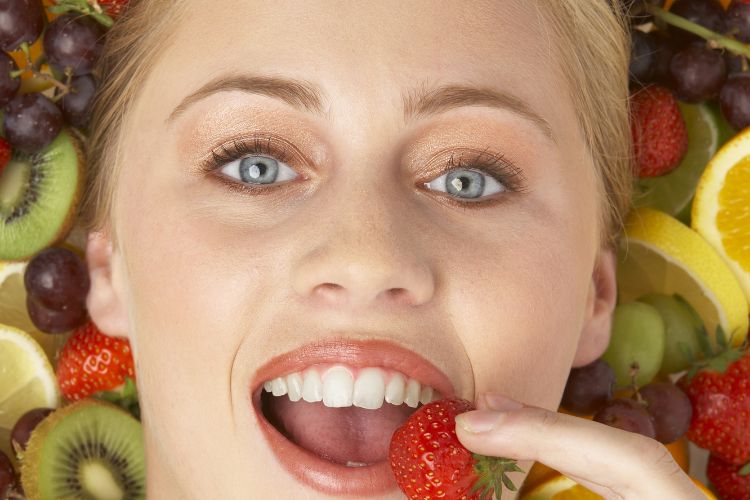
In recent years, interest in natural teeth whitening has grown rapidly as people become more curious about how everyday habits and foods influence tooth color. Rather than focusing only on cosmetic procedures, many now explore how diet, oral environment, and lifestyle interact with enamel over time.
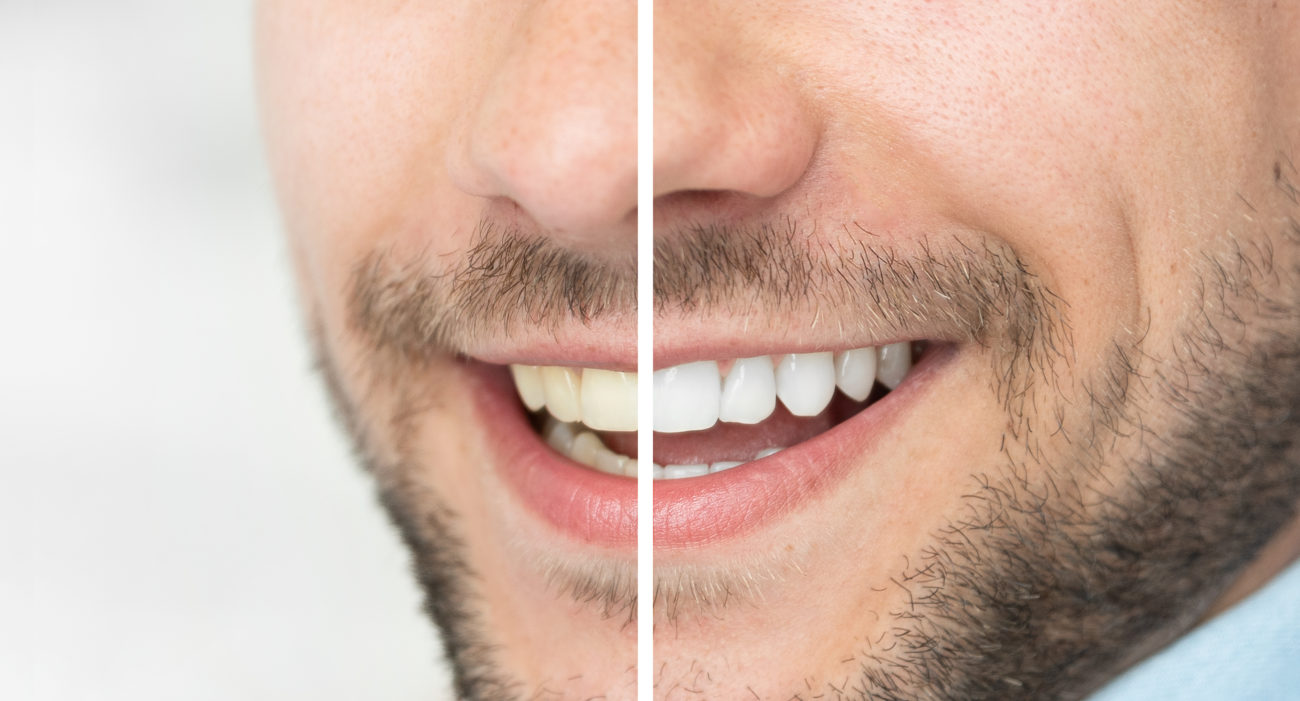
This table illustrates patterns rather than promises. In natural teeth whitening research, these comparisons help frame hypotheses rather than conclusions.
How Natural Teeth Whitening Is Linked to Everyday Foods
The idea behind natural teeth whitening often starts with how foods interact with the tooth surface. Teeth are covered by enamel, a mineral rich layer that can temporarily absorb pigments from food and drinks. Some foods are discussed in scientific literature because they may influence surface stains or saliva production. Researchers frequently explore the relationship between chewing, saliva flow, and enamel cleanliness. Increased saliva production is believed to help rinse away particles that could otherwise linger on the tooth surface. In this sense, discussions around natural teeth whitening are closely tied to oral biomechanics rather than instant visual changes. It is also important to note that foods associated with natural teeth whitening are usually evaluated for their texture, acidity, and enzymatic content. These properties are studied individually, not as miracle solutions, which helps explain why results are often described as subtle or gradual.Crunchy Fruits and Natural Teeth Whitening Effects
Crunchy fruits are frequently mentioned in conversations about natural teeth whitening, largely because of their fibrous structure. Apples, pears, and similar fruits require significant chewing, which increases saliva flow and creates a mild mechanical cleansing effect on the teeth. From a research perspective, this chewing action is sometimes compared to a gentle polishing process. While it does not alter the intrinsic color of enamel, it may reduce the buildup of external stains over time. This is one reason crunchy fruits are often included in broader discussions of natural teeth whitening strategies. Another interesting aspect is water content. Fruits with high water levels can dilute sugars and acids during chewing. Studies examining oral pH changes suggest that this dilution may limit how long staining compounds remain in contact with enamel, indirectly supporting the idea of natural teeth whitening through dietary patterns.Dairy Products and Natural Teeth Whitening Discussions
Dairy products occupy a unique place in natural teeth whitening research. Cheese, yogurt, and milk contain calcium and phosphates, minerals that are also present in enamel. Scientific discussions often focus on how these minerals interact with the tooth surface after consumption. Some studies analyze how dairy consumption may influence remineralization processes. While remineralization does not equal whitening, it can affect how light reflects off enamel, which may visually impact brightness. This optical component is one of the more intriguing angles within natural teeth whitening research. Texture also plays a role. Firmer cheeses, for example, require chewing and stimulate saliva, which again ties back to oral cleansing mechanisms. This combination of mineral content and physical interaction explains why dairy often appears in analytical reviews of natural teeth whitening related foods.Vegetables and Their Role in Natural Teeth Whitening
Raw vegetables such as carrots, celery, and cucumbers are commonly referenced when exploring natural teeth whitening. Their fibrous structure and low pigment content make them interesting from both a mechanical and chemical perspective. Chewing raw vegetables can create friction against the tooth surface. Researchers sometimes describe this as a mild abrasive action, although far gentler than toothpaste abrasives. Within natural teeth whitening literature, this gentle abrasion is discussed as a way to reduce surface residue rather than change tooth color itself. Additionally, vegetables with high water content may help wash away food debris. This rinsing effect is often highlighted in analytical discussions of natural teeth whitening, especially when comparing diets rich in raw produce versus highly processed foods.Enzymes and Natural Teeth Whitening Potential
Certain fruits contain enzymes that have sparked curiosity in natural teeth whitening conversations. Pineapple, for example, contains bromelain, while papaya contains papain. Laboratory studies sometimes examine how these enzymes break down proteins. In theory, these enzymatic actions could influence the protein based film on teeth where stains adhere. While this concept is still under investigation, it remains a fascinating topic within natural teeth whitening research circles. Scientists are careful to emphasize that enzyme concentration, exposure time, and oral conditions vary greatly. What makes this area compelling is the crossover between food science and dentistry. Enzyme behavior, oral microbiology, and enamel chemistry all intersect here, making enzyme rich foods a recurring subject in advanced natural teeth whitening analyses.Nuts, Seeds, and Texture Based Natural Teeth Whitening
Nuts and seeds are another category often included in discussions of natural teeth whitening due to their coarse texture. Almonds, walnuts, and sunflower seeds require significant chewing, which increases saliva flow and creates friction against enamel. Scientific observations suggest that this friction may help dislodge particles from the tooth surface. While subtle, this mechanical interaction supports why nuts are sometimes grouped with other foods associated with natural teeth whitening effects. In addition, nuts and seeds are typically low in artificial coloring agents. When dietary patterns are analyzed, lower exposure to staining compounds is often linked with discussions around maintaining tooth brightness, reinforcing their relevance to natural teeth whitening narratives.Comparing Foods Often Linked to Natural Teeth Whitening
Below is a comparative overview used in educational contexts to explain why certain foods are discussed in relation to natural teeth whitening:| Food Category | Common Feature | Scientific Interest |
| Crunchy fruits | High fiber and water | Saliva stimulation |
| Raw vegetables | Firm texture | Mild surface friction |
| Dairy products | Mineral content | Enamel interaction |
| Enzyme rich fruits | Proteolytic enzymes | Stain film breakdown |
| Nuts and seeds | Coarse structure | Mechanical cleansing |
Lifestyle Context Around Natural Teeth Whitening
It is difficult to separate natural teeth whitening from broader lifestyle discussions. Researchers often emphasize that dietary habits exist alongside beverage consumption, oral hygiene routines, and genetic factors. For example, frequent exposure to deeply pigmented drinks may counteract any subtle effects associated with foods linked to natural teeth whitening. This balance is why many scientific papers focus on overall patterns rather than individual foods. Another point of interest is perception. Psychological studies suggest that people who adopt diets associated with natural teeth whitening may become more aware of oral aesthetics in general. This heightened awareness can influence how results are perceived, adding another layer to the topic. The fascination with natural teeth whitening reflects a broader curiosity about how everyday choices influence appearance and health. While foods alone are not presented in scientific literature as definitive whitening solutions, their textures, mineral content, and enzymatic properties offer intriguing insights. By examining crunchy fruits, vegetables, dairy, enzyme rich foods, and nuts through a research oriented lens, it becomes clear that natural teeth whitening is less about instant change and more about cumulative effects and oral environment dynamics. This balanced understanding is what makes the topic both scientifically rich and engaging for readers interested in dental wellness. ClinicHI aims to provide content that encourages informed curiosity rather than quick fixes, helping readers explore dental topics with depth and clarity.Get Your Free Consultation
Have questions? Leave your details and we'll get back to you as soon as possible.
Get Free Consultation