
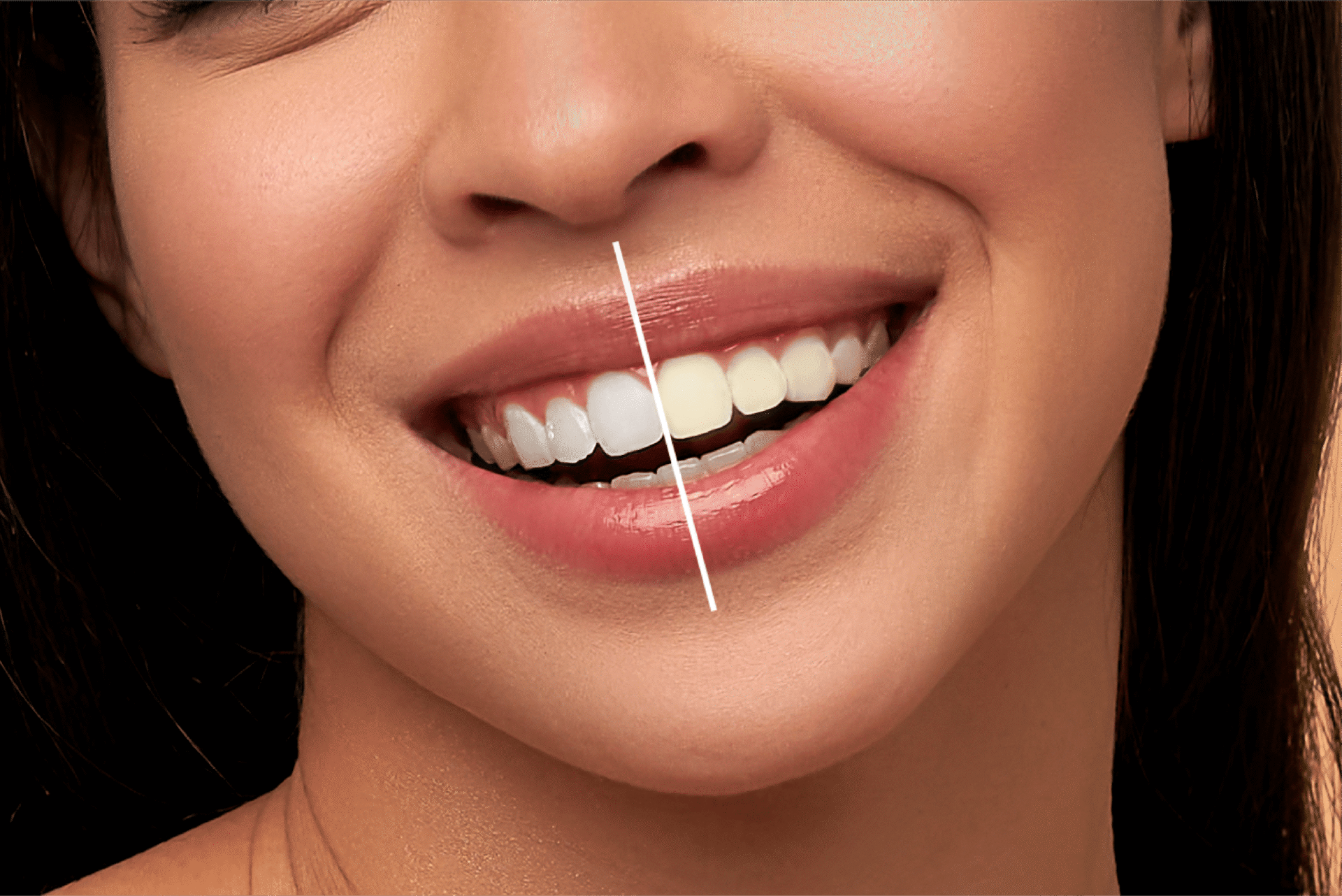
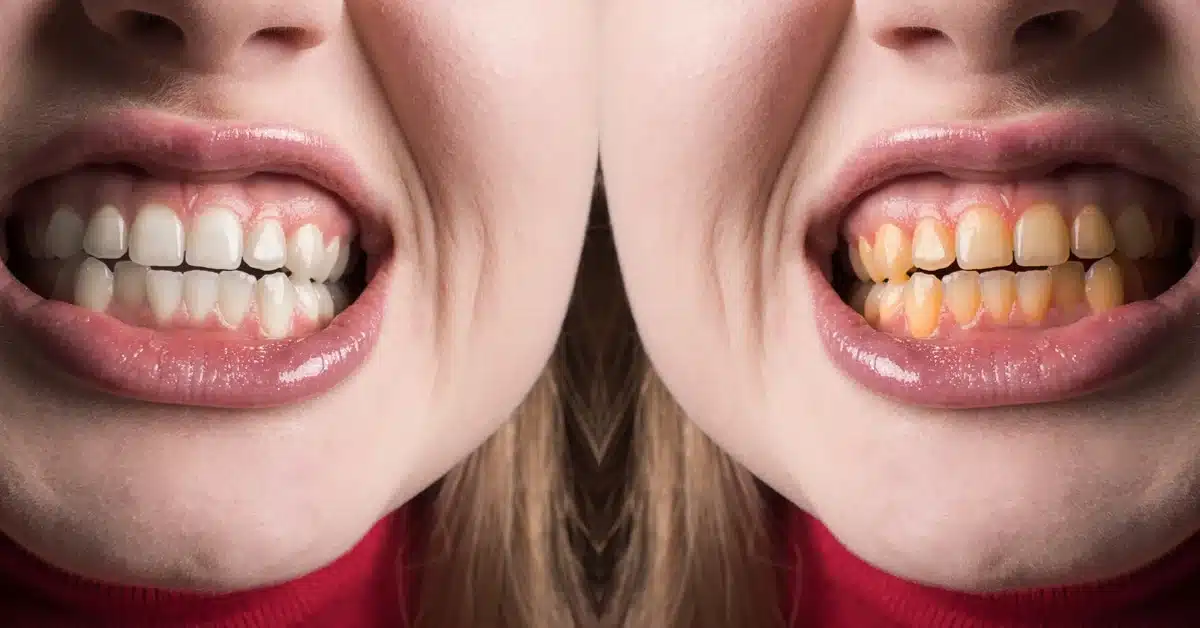
Teeth Whitening has become a popular cosmetic dental procedure that appeals to people of various ages seeking a brighter smile. The process involves using chemical agents or advanced technologies to reduce discoloration caused by stains, aging, or lifestyle habits. Understanding at what age teeth whitening can safely be performed requires examining dental development, enamel thickness, and potential sensitivity issues.
Dental professionals emphasize that age is more than just a number; the maturity of teeth and the underlying oral structures plays a pivotal role. Younger teeth, particularly those in children and early teens, are more susceptible to enamel damage and may react differently to whitening agents. Therefore, while many adults can undergo these procedures safely, the timing for younger patients should be carefully considered.
Developmental Stages and Teeth Whitening Safety
During the early years, children’s teeth both primary (baby) and permanent are still developing. Teeth Whitening is generally not recommended for children under 12 because their enamel is thinner and more permeable. Excessive exposure to bleaching agents can cause sensitivity, irritation, or uneven whitening. Pediatric dentists often advise postponing cosmetic treatments until permanent teeth have fully erupted and enamel has matured. For teenagers, minimal whitening procedures or specialized low-concentration gels may be considered under professional supervision. These measures reduce risks while allowing gradual cosmetic improvement. Understanding the developmental stage ensures that the treatment not only enhances appearance but also preserves long-term oral health.Different Methods of Teeth Whitening and Age Suitability
Various teeth whitening methods exist, including in-office bleaching, take-home trays, and over-the-counter products. Each method carries its own set of considerations depending on the patient’s age. In-office treatments tend to be more controlled and precise, making them suitable for older teens and adults. Take-home kits require patient compliance and careful monitoring, which may not be suitable for younger users. Over-the-counter solutions often contain higher concentrations of peroxide or abrasive substances, increasing the risk of enamel damage if used improperly. Age-appropriate selection ensures that the treatment is effective, safe, and sustainable.Lifestyle Factors Affecting Teeth Whitening Results
Lifestyle habits significantly influence the success and longevity of teeth whitening. Consuming staining foods and beverages, such as coffee, tea, red wine, or heavily pigmented sauces, can accelerate discoloration even after treatment. Similarly, tobacco use contributes to persistent staining and can diminish the overall results. For younger patients, dietary and oral hygiene education is essential. Introducing healthy habits alongside cosmetic procedures encourages maintenance of the achieved results. By understanding the interplay between lifestyle choices and whitening efficacy, patients of all ages can optimize their treatment outcomes.Managing Sensitivity and Oral Health Considerations
Sensitivity is a common concern during and after teeth whitening. Younger patients may experience temporary discomfort due to thinner enamel or less developed dental pulp. Adults with pre-existing dental conditions, such as cavities, gum recession, or enamel erosion, are also at risk of heightened sensitivity. Dentists recommend conducting a thorough oral examination before initiating whitening procedures. Fluoride treatments, desensitizing agents, and professional guidance can minimize discomfort while ensuring that the procedure does not compromise oral health. Sensitivity management is therefore a critical aspect when considering age and individual dental conditions.Psychological and Social Aspects of Teeth Whitening
Cosmetic dentistry, including teeth whitening, often carries psychological benefits. A brighter smile can improve self-confidence, social interactions, and overall quality of life. However, for adolescents and teenagers, the decision to undergo whitening should involve parental guidance and realistic expectations. Educational discussions about the procedure, potential risks, and anticipated results can help young patients understand that cosmetic enhancement is supplementary to healthy oral care. Developing a balanced perspective on appearance and wellness reinforces responsible dental habits while addressing aesthetic desires.Professional Guidelines and Recommendations by Age
Professional dental associations provide recommendations for teeth whitening based on age groups. Most guidelines advise that routine whitening should be reserved for individuals whose permanent teeth have fully matured, usually around ages 14–16, with stricter control in younger patients. For adults, there are fewer age restrictions, though maintaining oral health and monitoring for sensitivity remain critical. Personalized treatment plans consider the patient’s dental history, enamel quality, and lifestyle habits. This structured approach ensures safe and effective cosmetic results across different age groups.Long-Term Effects of Teeth Whitening Across Ages
Teeth Whitening results are not permanent, and the longevity of the effect varies with age. Younger patients may experience faster re-staining due to lifestyle habits or incomplete enamel maturation, while adults often maintain results longer if oral hygiene is consistent. Understanding these patterns helps patients set realistic expectations and plan follow-up treatments. For both teens and adults, routine dental check-ups and professional cleanings are essential to prolong the whitening effects. Combining cosmetic treatment with preventive care ensures that teeth remain healthy and aesthetically pleasing over the long term.Home-Based Whitening vs. Professional Treatments
Home-based teeth whitening products, such as strips or gels, are popular due to convenience and affordability. However, age considerations are crucial. Younger patients may struggle with proper application, increasing the risk of uneven results or enamel irritation. Adults generally have the dexterity and discipline to follow instructions correctly, making at-home methods more suitable. Professional treatments, whether in-office or supervised take-home trays, provide controlled application and tailored concentrations. This ensures safety, particularly for sensitive or younger teeth, and allows for monitoring of any adverse reactions. Age-appropriate choice of method significantly impacts the effectiveness and safety of whitening procedures.Dietary Considerations and Teeth Whitening Maintenance
Nutrition plays a key role in maintaining teeth whitening results. Foods rich in calcium and phosphorus, such as dairy products, help strengthen enamel, while acidic or highly pigmented foods can accelerate discoloration. Younger patients, especially teenagers, may require guidance on dietary choices to avoid undermining cosmetic results. For adults, moderation of staining beverages like coffee, tea, and red wine is recommended. Combining dietary awareness with proper oral hygiene enhances the durability of whitening outcomes. This holistic approach illustrates that cosmetic benefits are optimized when paired with healthy lifestyle habits.Risks and Limitations of Teeth Whitening by Age
While teeth whitening is generally safe when applied appropriately, there are risks and limitations. Younger patients may be prone to enamel sensitivity, and overuse of whitening agents can cause irreversible damage. Adults with pre-existing dental issues may face similar risks if procedures are conducted without proper evaluation. Awareness of potential side effects, such as temporary sensitivity or gum irritation, is essential. Patients should understand that results vary, and excessive expectations can lead to overuse. Professional guidance mitigates these risks, ensuring a balance between aesthetics and oral health.Technological Advancements in Teeth Whitening
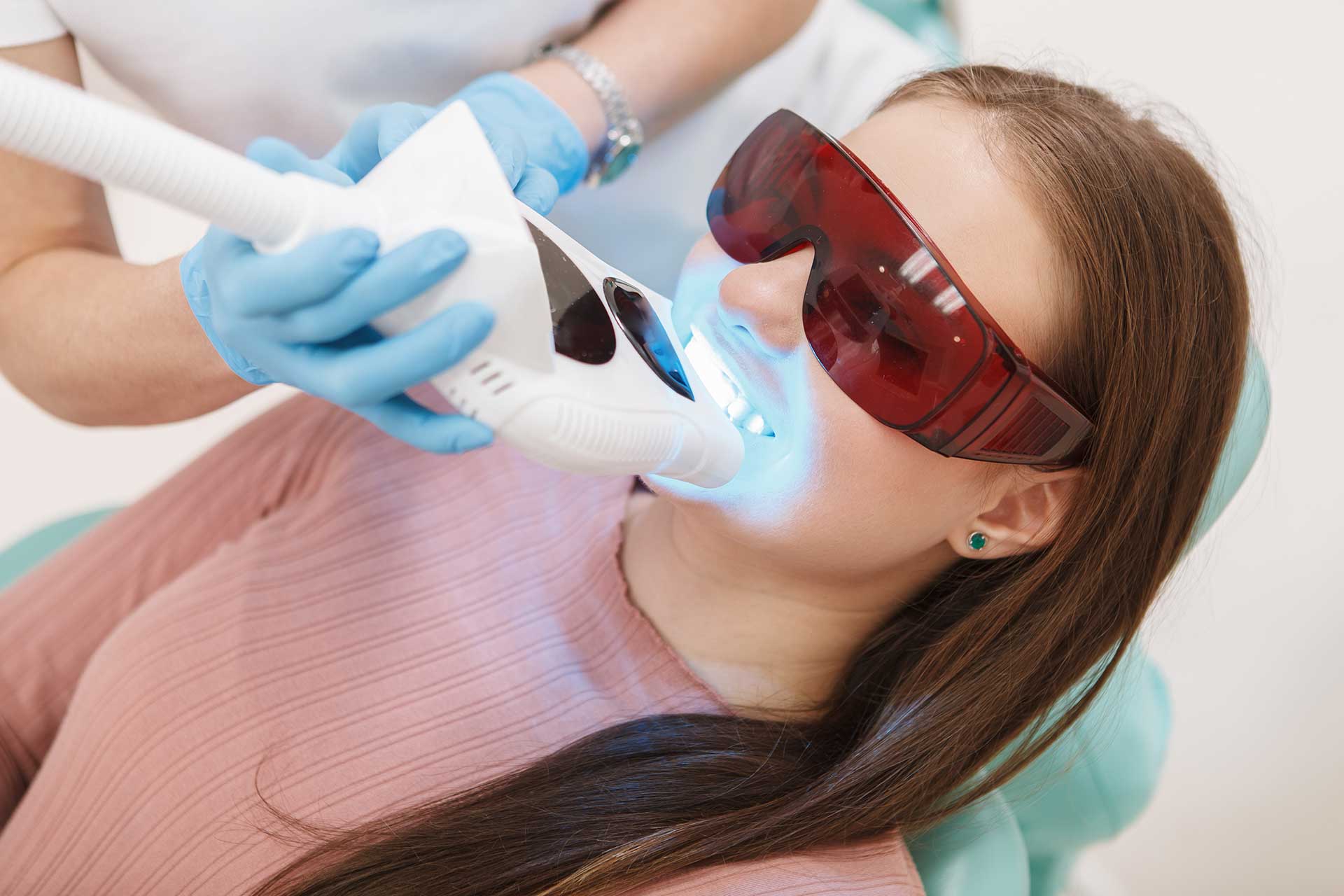
Modern advancements in teeth whitening technology offer safer and more effective options across different age groups. Low-concentration bleaching gels, LED-enhanced treatments, and custom-fitted trays allow for precision while minimizing sensitivity. These innovations enable dentists to tailor procedures based on age, enamel condition, and lifestyle, ensuring optimized outcomes. Continuous improvements in dental technology make cosmetic enhancement accessible while prioritizing safety and long-term dental integrity.Psychosocial Impacts of Teeth Whitening at Different Ages
The social perception of a bright smile influences self-esteem, professional interactions, and social confidence. For adolescents, a youthful smile can enhance peer interactions and reduce self-consciousness. Adults often experience enhanced self-image and professional confidence. Teeth Whitening can thus have meaningful psychosocial benefits when performed appropriately. Understanding the psychological dimension alongside dental safety ensures that cosmetic goals are achieved without compromising oral health or creating undue pressure on younger individuals.Age Guidelines for Safe Teeth Whitening
Teeth Whitening is generally recommended for individuals whose permanent teeth have fully erupted, usually around the age of 14–16. Younger patients may experience enamel sensitivity or incomplete development, making aggressive whitening unsuitable. Pediatric dentists often suggest delaying cosmetic procedures until the teeth and gums are mature enough to tolerate bleaching agents safely. For adults, there is no strict upper age limit, but considerations such as enamel wear, gum recession, or existing dental restorations must be taken into account. Older patients may require customized treatments or lower-concentration gels to prevent sensitivity or uneven results. Understanding these age-related differences ensures both safety and optimal outcomes.
Managing Sensitivity in Teeth Whitening
A common side effect of teeth whitening is temporary tooth sensitivity, which can occur across all age groups. Younger patients may experience heightened discomfort due to thinner enamel, while adults may notice sensitivity if pre-existing dental conditions exist. To minimize sensitivity, professionals often recommend using desensitizing toothpaste before and after treatment, avoiding excessive whitening sessions, and using lower-concentration bleaching gels. Following these precautions helps maintain comfort while achieving effective results.Teeth Whitening for Teenagers: Special Considerations
Teenagers often seek teeth whitening to enhance their smile, but specific care is necessary. Over-the-counter products can be misused, leading to uneven whitening or enamel damage. Supervised treatments from dental professionals are recommended to ensure safety and proper application. Education on oral hygiene, dietary habits, and moderation in cosmetic interventions is crucial for this age group. Balancing cosmetic desires with developmental considerations ensures healthy, long-lasting results without compromising dental integrity.Adult Teeth Whitening: Optimizing Long-Term Results
For adults, teeth whitening focuses on sustainable and predictable results. Professional assessments help determine the most suitable method based on enamel condition, staining patterns, and lifestyle. Combining whitening treatments with routine dental care maximizes efficacy. Adults also benefit from tailored maintenance strategies, such as touch-up treatments, avoiding staining foods, and regular professional cleanings. This comprehensive approach reinforces the cosmetic benefits while protecting overall oral health.Combination Treatments and Innovations
Modern dentistry allows combining teeth whitening with other cosmetic procedures, such as veneers or bonding, to enhance aesthetic outcomes. Innovations like LED-assisted whitening or low-concentration gels provide safer, faster results suitable for diverse age groups. Customized approaches ensure that each patient, whether adolescent or adult, receives a treatment plan that balances efficacy, comfort, and long-term dental preservation. Professional oversight remains essential to adapt procedures to individual needs.Long-Term Maintenance and Lifestyle Recommendations
Sustaining teeth whitening results depends on a combination of oral hygiene, diet, and follow-up care. Regular brushing, flossing, and professional cleanings minimize re-staining. Avoiding highly pigmented foods or beverages immediately after treatment prolongs cosmetic effects. Patients should also maintain realistic expectations, recognizing that gradual re-discoloration is normal. By integrating whitening into a holistic dental care routine, individuals can enjoy long-lasting results without compromising enamel health.Personalized Approach to Teeth Whitening by Age
Teeth Whitening is a safe and effective cosmetic procedure when tailored to age and dental health. Adolescents benefit from professional supervision and conservative approaches, while adults can explore more intensive treatments with controlled maintenance. Ultimately, the decision to whiten teeth should consider developmental stage, enamel integrity, lifestyle habits, and desired outcomes. A personalized, evidence-informed strategy ensures that teeth whitening provides aesthetic satisfaction while safeguarding oral health across all age groups.Get Your Free Consultation
Have questions? Leave your details and we'll get back to you as soon as possible.
Get Free Consultation