
A bright smile often begins with habits that seem simple but have a surprisingly deep impact over time. Teeth Scaling is one of those topics that sits at the intersection of science, daily hygiene, and long-term oral comfort. While brushing and flossing are widely discussed, Teeth Scaling often receives less attention than it deserves, even though it may play an important role in keeping teeth and gums cleaner, fresher, and easier to maintain.
At ClinicHI, we believe oral health content should be clear, evidence-aware, and genuinely useful. That is why this guide explores Teeth Scaling in a practical and engaging way, without turning the subject into a list of rigid rules or medical claims. Instead, we will look at how scaling is commonly understood, why tartar matters, what current research trends suggest about plaque control, and why regular professional cleaning is so often linked with healthier-looking smiles.
Experiences vary from person to person. Some individuals describe scaling as mildly uncomfortable, especially if there is significant sensitivity or gum irritation. Others find it straightforward and quick. The level of buildup, gum condition, and personal sensitivity all influence how the appointment feels. In general oral health conversations, Teeth Scaling is often presented as more manageable than people expect before they have it done.
What Is Teeth Scaling and Why Does It Matter?
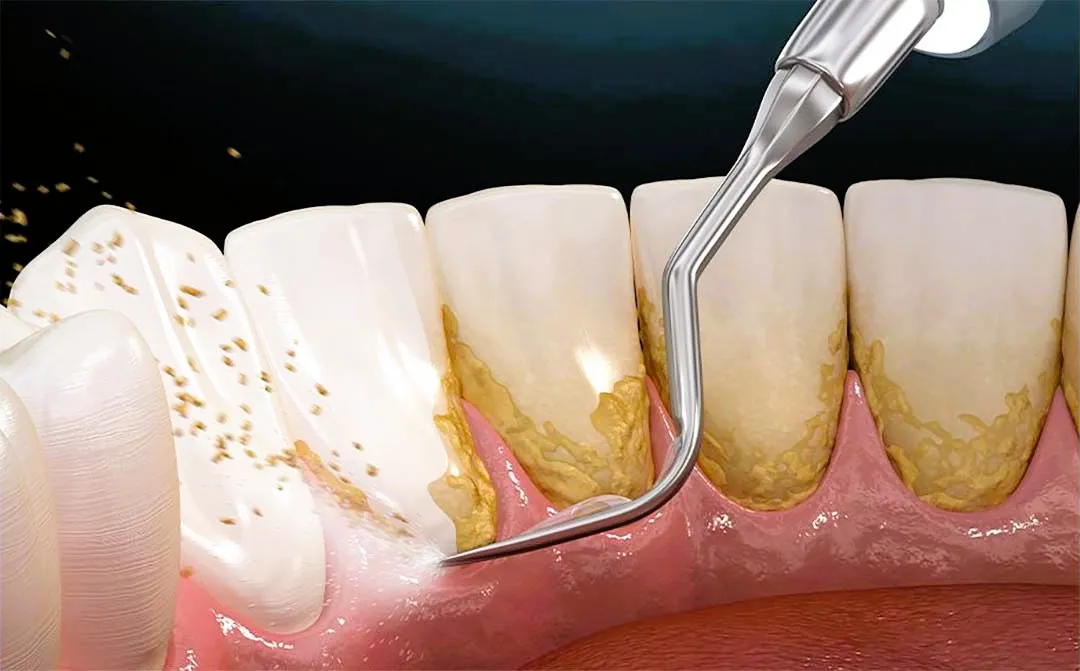
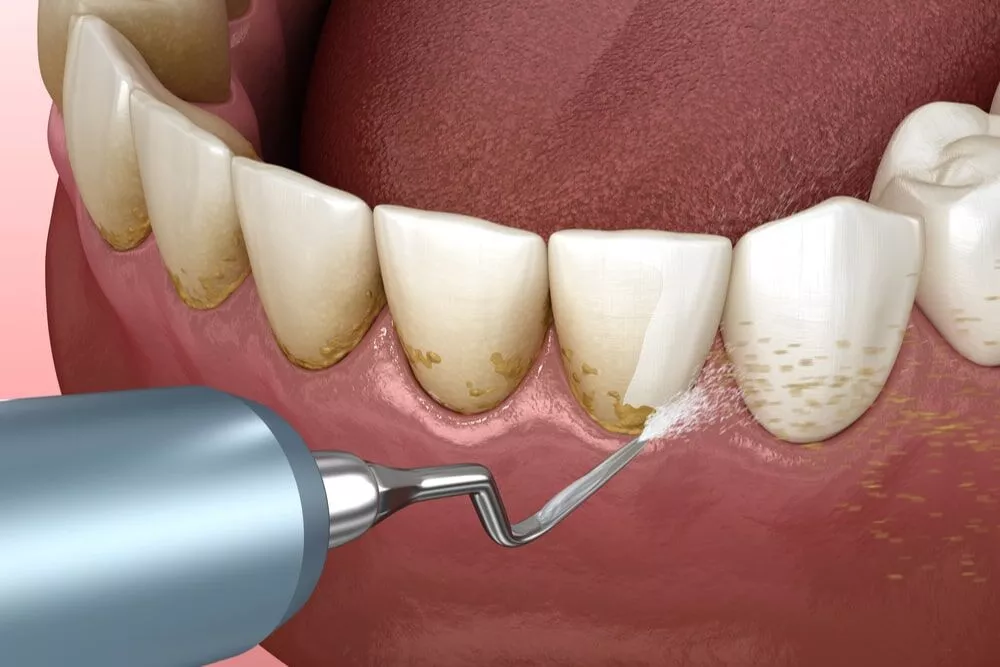
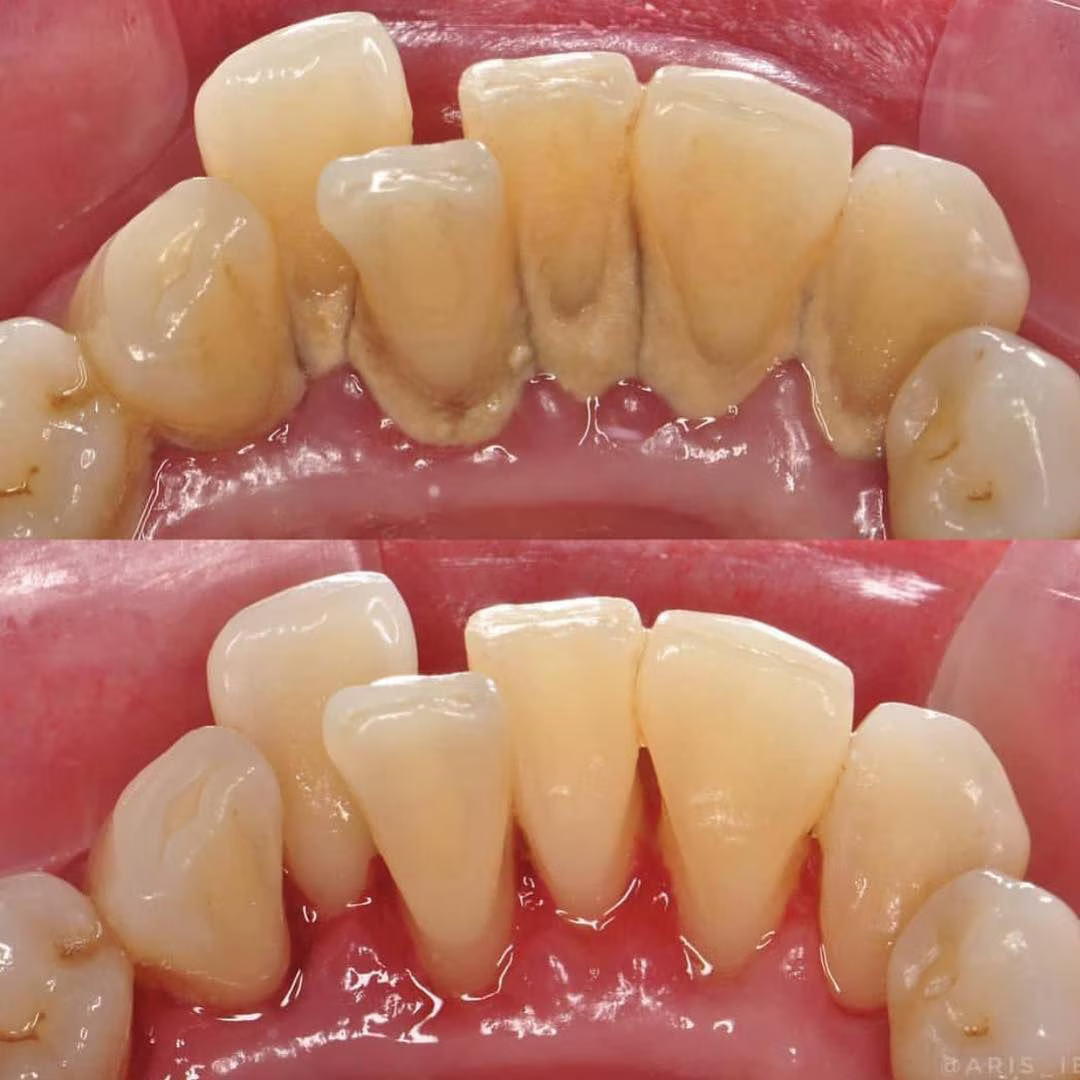
Teeth Scaling generally refers to the professional removal of hardened plaque, often called tartar or calculus, from the surfaces of the teeth and around the gumline. Unlike soft plaque, tartar cannot usually be removed effectively with ordinary brushing alone once it has mineralized. This is one reason dental cleaning methods that include scaling are widely discussed in preventive oral care. From a biological perspective, the mouth is a complex ecosystem. Bacteria naturally live there, and many are harmless in balance. The issue begins when bacterial biofilm builds up and remains on tooth surfaces for too long. Over time, that biofilm can harden. When it does, it creates rough surfaces where more plaque may gather more easily. Teeth Scaling is therefore often seen as a mechanical way to interrupt that cycle. The importance of scaling is not only cosmetic. Clean tooth surfaces can feel smoother, and many people report a fresher mouth after plaque and tartar removal. More importantly, tartar accumulation near the gums may be associated with irritation, bleeding during brushing, and difficulty maintaining oral hygiene. For that reason, professional scaling is often included in discussions about gum maintenance and preventive dentistry. There is also a practical side to the matter. The cleaner the tooth surface, the easier routine home care may feel. In simple terms, Teeth Scaling can be understood as a reset point. It does not replace daily brushing and flossing, but it may support them by removing deposits that everyday tools may no longer handle well.How Plaque Becomes Tartar and Where Teeth Scaling Fits In
Plaque is a sticky film made up of bacteria, saliva components, and food debris. It begins forming on the teeth quite quickly after cleaning. This is normal. The real issue is persistence. If plaque is not disturbed regularly, minerals in saliva can help it harden into tartar. Once tartar forms, it tends to cling firmly to tooth surfaces. This transformation matters because tartar is not just old plaque. Its rough texture creates an environment where new bacterial layers can accumulate more efficiently. In that sense, tartar may act like a platform for further buildup. That is where Teeth Scaling becomes relevant. It is designed to remove these hardened deposits from places that are difficult to clean thoroughly at home. Research in preventive dentistry has consistently emphasized the connection between biofilm control and oral health maintenance. Although individual needs vary, studies often point to the value of reducing the bacterial load on tooth and gum surfaces. Teeth Scaling, in this context, is not an isolated treatment but part of a broader hygiene strategy. Another important point is that tartar does not always build in obvious places. It can collect behind the lower front teeth, along the outer surfaces of upper molars, and near the gumline where saliva ducts contribute to mineral deposition. Some people are also more prone to tartar formation than others due to saliva composition, oral habits, crowding, or inconsistent cleaning patterns. That variability helps explain why scaling intervals may differ between individuals.Signs That May Suggest a Need for Teeth Scaling
The mouth often gives subtle clues when tartar buildup is present. One of the most common signs is a rough or uneven feeling on the teeth, especially near the gumline. Some people notice that even after brushing carefully, their teeth do not feel completely smooth. This may be one of the everyday observations linked with hardened deposits. Another common clue is discoloration. Tartar can appear yellowish, brownish, or off-white, depending on its location and whether it has picked up pigments from tea, coffee, tobacco, or other foods. While not every stain means tartar, visible buildup near the gums may lead people to ask whether Teeth Scaling is needed. Gum changes are another piece of the puzzle. Mild swelling, a tendency to bleed during brushing, or persistent bad breath are often discussed alongside plaque and calculus accumulation. These signs do not point to one single cause, but they may suggest that professional evaluation and cleaning could be helpful in understanding what is happening. Some people are surprised to learn that tartar can also form below the gumline. This is not always visible in a mirror. Because of that, the absence of obvious buildup does not automatically mean there is none. In many oral care discussions, Teeth Scaling is presented as important not only for what can be seen, but also for what may be quietly developing in less visible areas.What Happens During Teeth Scaling?
For many people, uncertainty is the most intimidating part of the process. In simple terms, Teeth Scaling usually involves the use of specialized tools to remove tartar and plaque deposits from the teeth. These may include hand instruments, ultrasonic devices, or a combination of both. The exact approach can vary depending on the amount and location of the buildup. Ultrasonic tools commonly use high-frequency vibration along with water to help loosen deposits. Hand instruments may then be used for more detailed cleaning of specific surfaces. The goal is not to reshape the teeth, but to clean away material that should not be there in the first place. This is why many people describe the result as a cleaner, smoother feeling rather than a dramatic physical change. Below is a simple overview of how the process is commonly understood:| Stage | What It Typically Involves | Why It Matters |
|---|---|---|
| Initial assessment | Visual check of teeth and gums | Helps identify buildup areas |
| Deposit removal | Tartar and plaque are removed | Reduces rough surfaces |
| Surface refinement | Additional cleaning or polishing may follow | Can improve smoothness |
| Hygiene discussion | General care habits may be reviewed | Supports maintenance at home |
Common Myths About Teeth Scaling
Misunderstandings about scaling are surprisingly widespread. One of the most repeated myths is that scaling “damages” teeth by scraping away enamel. In reality, the intention of Teeth Scaling is to remove tartar deposits, not healthy tooth structure. People sometimes mistake the newly smooth feeling after cleaning as a sign that something was taken away from the tooth, when it may simply be the absence of hardened buildup. Another myth is that scaling makes teeth loose. What can actually happen is that heavy tartar deposits may have been masking an existing gum issue or filling spaces around the teeth visually. Once the buildup is removed, the true condition of the area becomes more noticeable. This can create the impression that the procedure caused looseness, when the underlying problem may have been present beforehand. A third myth is that if gums bleed, cleaning should be avoided. In many cases, bleeding is one of the reasons plaque and tartar control are discussed in the first place. Of course, every oral condition is individual, and only an in-person examination can clarify what is happening. Still, the idea that visible irritation means cleaning should never happen is too simplistic. Then there is the belief that scaling is purely cosmetic. Although cleaner-looking teeth are certainly a visible benefit, discussions around Teeth Scaling usually extend well beyond appearance. Gum comfort, breath freshness, and the management of plaque-retentive surfaces are all part of the conversation.Teeth Scaling and Long-Term Oral Hygiene Habits
Professional cleaning and home care are often treated as separate topics, but they work best when understood together. Teeth Scaling may remove tartar that has already formed, yet the daily formation of plaque continues. That means brushing, interdental cleaning, and general oral hygiene habits still shape what happens between appointments. One useful way to think about scaling is as periodic maintenance rather than a substitute for routine care. If plaque is disrupted consistently at home, tartar may accumulate more slowly. If home care is irregular, deposits may return faster. This relationship helps explain why professional cleaning is often discussed as part of a system rather than a standalone event. Behavioral research in oral health often suggests that people maintain hygiene routines more effectively when they understand cause and effect. Seeing or feeling tartar removed can make the process tangible. It turns an abstract concept into a physical experience. For many, that creates stronger awareness of how everyday habits influence long-term oral cleanliness. The following habits are commonly associated with better plaque control:- Brushing carefully twice a day with suitable technique
- Cleaning between teeth with floss or interdental tools
- Paying attention to gumline areas where buildup tends to collect
- Limiting habits that contribute to persistent staining or debris retention
- Keeping track of changes in breath, gum comfort, or tooth texture
Who May Benefit Most From Teeth Scaling?
Not everyone develops tartar at the same rate. Some people seem to accumulate it quickly even with reasonable brushing habits, while others notice very little visible buildup. This difference may be related to saliva chemistry, tooth alignment, diet patterns, smoking, appliance use, or how effectively plaque is removed from difficult areas. People with crowded teeth often find certain surfaces harder to clean. Those who wear retainers, aligners, or other appliances may also notice more plaque retention in hidden spaces. In such situations, Teeth Scaling may be especially relevant because the mechanical challenge of cleaning is greater from the start. There is also the age factor, though it is not absolute. As habits, dexterity, and gum conditions shift over time, oral hygiene needs can change. Some adults discover that the care routine that once seemed enough no longer keeps buildup under control. Others become more aware of tartar simply because they are looking more closely at preventive health overall. A general pattern often discussed in clinical settings is that scaling is particularly relevant for people who notice recurring tartar, gumline discoloration, rough tooth surfaces, or persistent oral freshness issues. Again, these are not diagnoses. They are common reasons the topic of professional cleaning enters the conversation.
The Difference Between Teeth Scaling and Ordinary Cleaning
The language around dental care can be confusing because the terms “cleaning,” “polishing,” and Teeth Scaling are sometimes used interchangeably in casual conversation. However, they do not always mean exactly the same thing. Polishing often refers to smoothing or buffing the surfaces of the teeth after deposits have been removed. Scaling specifically refers to the removal of hardened buildup. This distinction matters because a polished tooth surface may feel cleaner, but polishing alone does not necessarily address tartar that is firmly attached near the gumline. In that sense, scaling is often the more foundational step when calculus is present. Without removing the hardened layer first, the rest of the cleaning process may be less meaningful. Another difference is depth. Surface stain removal may improve appearance, while Teeth Scaling is generally more focused on plaque-retentive deposits that affect oral cleanliness over time. That is why the term appears so often in preventive dentistry discussions rather than only cosmetic ones. Understanding these terms can help people ask more informed questions and make sense of what their oral care appointments involve. Clarity reduces anxiety, and oral health conversations tend to be more productive when the vocabulary is less mysterious.Why Regular Attention to Teeth Scaling Supports a Healthier Smile
There is something quietly powerful about consistency. Oral health is rarely shaped by one dramatic moment. It is more often the result of small patterns repeated over months and years. Teeth Scaling fits into that picture as one of the professional tools used to manage what daily cleaning may miss, especially once plaque has hardened into tartar. The value of regular attention lies in interruption. Tartar buildup, once established, creates rough surfaces that may encourage further accumulation. By removing those deposits, scaling can make the mouth easier to maintain and may support cleaner-feeling teeth and calmer-looking gums. The benefit is not about perfection. It is about reducing the conditions that make oral hygiene harder. At ClinicHI, we see Teeth Scaling as part of a thoughtful, science-aware approach to oral care. It is a practical topic, but not a trivial one. Understanding what scaling is, what it does, and why it matters helps transform it from an unfamiliar procedure into a meaningful part of long-term dental maintenance. In the end, healthy-looking teeth are not only about shine. They are also about the invisible details that support comfort, cleanliness, and confidence over time.Get Your Free Consultation
Have questions? Leave your details and we'll get back to you as soon as possible.
Get Free Consultation