
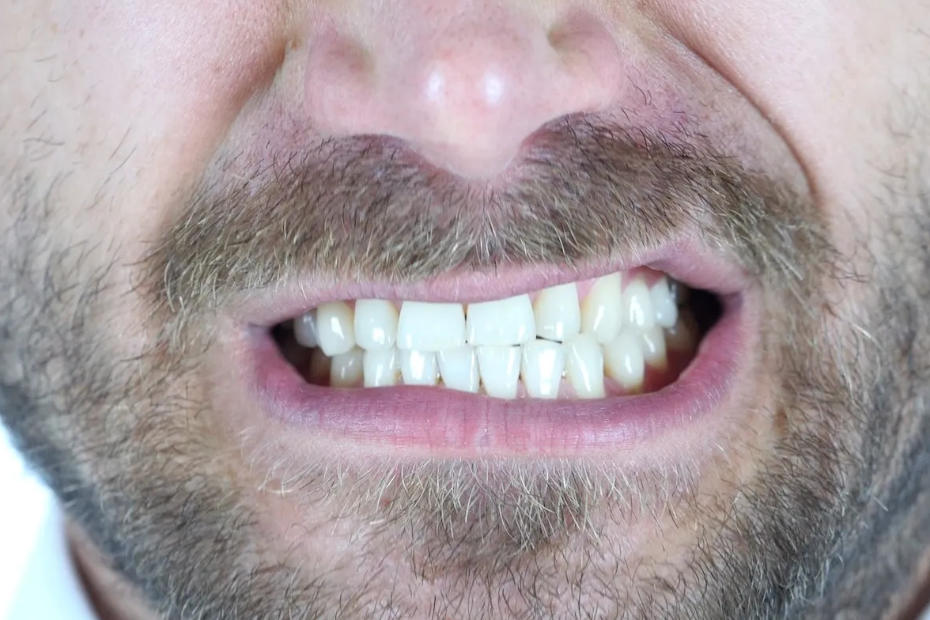
Teeth Grinding is a common condition characterized by involuntary clenching or grinding of the teeth, usually during sleep. The phenomenon, also known as bruxism, can affect individuals of all ages and is often linked to both psychological and physiological factors. While occasional grinding may seem harmless, chronic patterns can lead to enamel erosion, jaw pain, headaches, and disrupted sleep cycles. Recognizing the underlying triggers is essential for managing the condition effectively.
Stress is one of the most frequently cited contributors to teeth grinding. Psychological tension, anxiety, and daily pressures can activate the body’s sympathetic nervous system, leading to involuntary jaw clenching. Similarly, sleep-related disorders such as obstructive sleep apnea may exacerbate grinding due to interrupted breathing patterns and frequent micro-arousals, which cause heightened muscle activity during sleep.
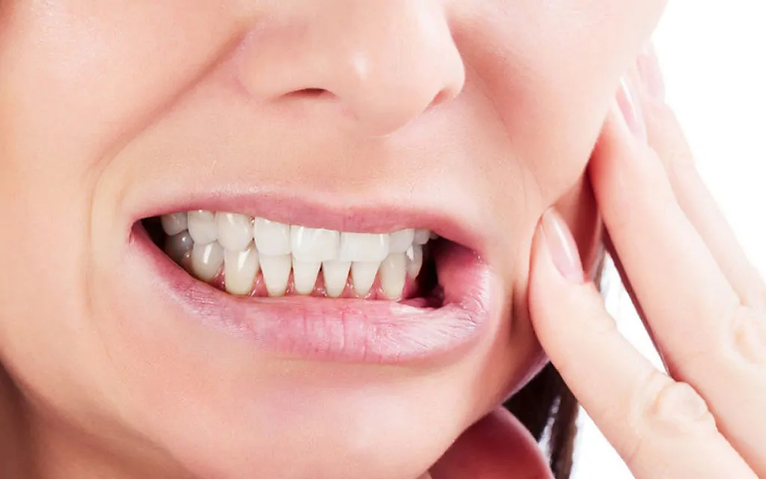
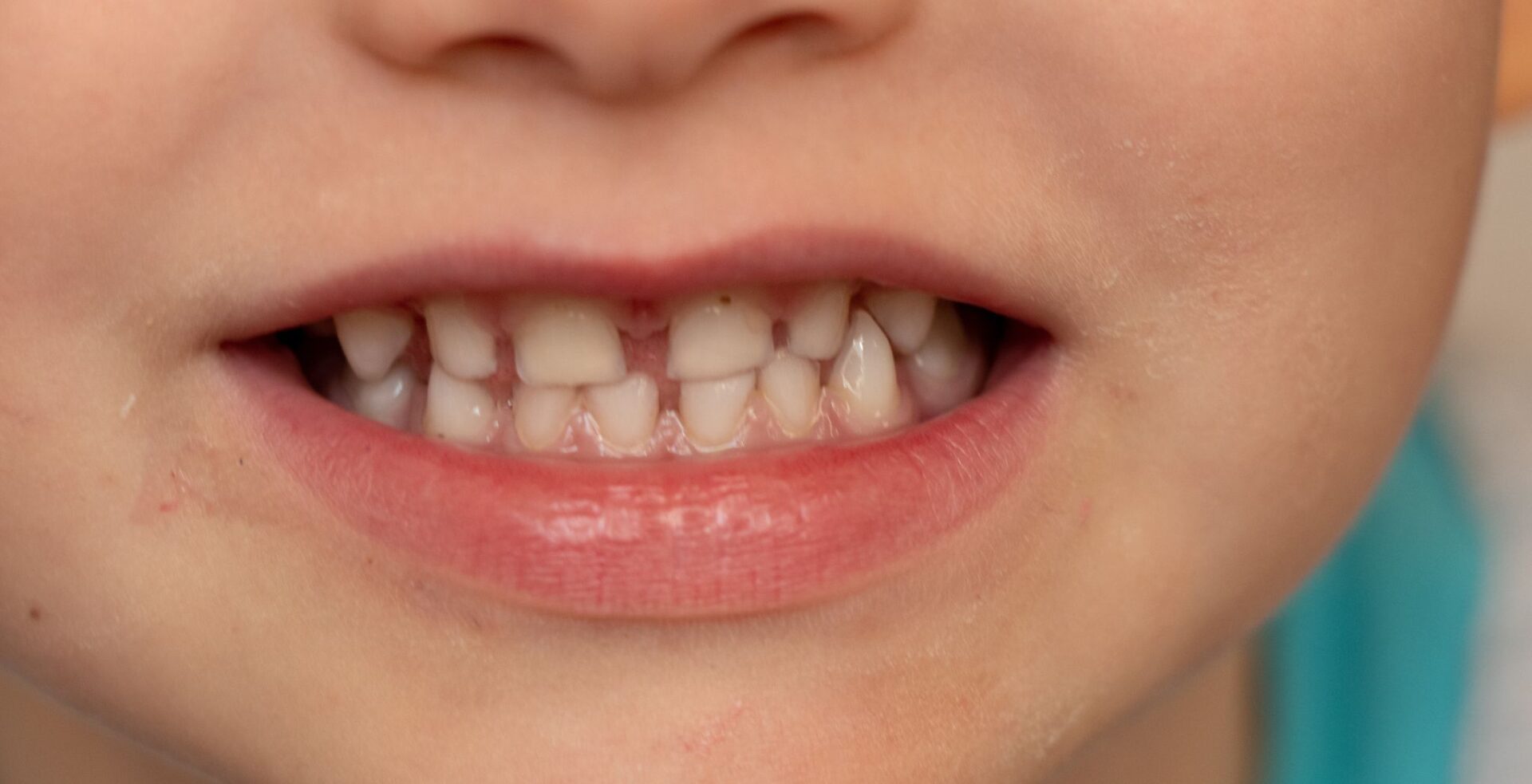
Stress as a Trigger for Teeth Grinding
Chronic stress has a measurable effect on teeth grinding. Research shows that individuals under prolonged mental or emotional strain exhibit higher rates of nocturnal bruxism. The body’s stress response involves increased cortisol levels and heightened sympathetic nervous activity, both of which can lead to involuntary jaw contractions. Behavioral studies suggest that high-pressure environments such as demanding work schedules, academic challenges, or personal conflicts can intensify teeth clenching, particularly during sleep when conscious control is minimal. Relaxation techniques, mindfulness practices, and stress management may mitigate these effects by reducing overall sympathetic activation.Sleep Apnea and Its Role in Teeth Grinding
Sleep apnea, particularly obstructive sleep apnea (OSA), is a significant physiological contributor to teeth grinding. During apneic episodes, the airway collapses, causing brief awakenings that trigger involuntary jaw movements. These micro-arousals can activate the masticatory muscles, leading to repetitive grinding throughout the night. Patients with OSA often experience fragmented sleep, which amplifies daytime fatigue and stress, creating a cyclical pattern that exacerbates bruxism. Polysomnography studies indicate a strong correlation between the frequency of apneic events and the intensity of nocturnal teeth grinding, suggesting that addressing sleep apnea can directly influence grinding behavior.The Interplay Between Stress and Sleep Apnea in Bruxism
The combination of psychological stress and sleep apnea creates a compounded effect on teeth grinding. Stress elevates muscle tension and cortisol levels, while sleep apnea induces repeated micro-arousals, each contributing to nocturnal jaw activity. This dual pathway explains why some individuals exhibit severe grinding even if one factor alone seems moderate. Understanding this interaction is critical for designing effective interventions. For example, patients who only address stress management without evaluating sleep quality may see limited improvement, whereas a holistic approach targeting both stress reduction and airway management yields better outcomes.Behavioral and Lifestyle Modifications to Reduce Teeth Grinding
Implementing behavioral strategies can significantly reduce teeth grinding. Stress management techniques including meditation, yoga, and cognitive-behavioral therapy help decrease sympathetic nervous system activation. Establishing a calming bedtime routine may also reduce involuntary clenching. Additionally, lifestyle adjustments such as avoiding caffeine and alcohol before bedtime, maintaining consistent sleep schedules, and engaging in regular physical activity contribute to overall relaxation and reduced bruxism episodes. These approaches are often combined with dental appliances for optimal results.Dental Appliances and Clinical Interventions for Teeth Grinding
Occlusal guards, or night guards, are commonly used to protect teeth and manage teeth grinding. These devices distribute bite forces evenly, preventing enamel damage and alleviating jaw discomfort. Dentists may also evaluate bite alignment and recommend orthodontic adjustments in severe cases. In more complex scenarios, addressing underlying sleep apnea through continuous positive airway pressure (CPAP) devices or surgical interventions can significantly reduce nocturnal bruxism. Coordination between dental professionals and sleep specialists ensures comprehensive management of grinding triggered by physiological and psychological factors.Managing Teeth Grinding Through Integrated Approaches
Understanding the multifactorial nature of teeth grinding is essential. Both stress and sleep apnea independently and synergistically contribute to nocturnal jaw activity, creating the potential for long-term dental and musculoskeletal complications. A holistic approach combining stress reduction, sleep management, dental interventions, and lifestyle modifications offers the most sustainable path to mitigating bruxism. Recognizing and addressing these underlying factors ensures improved oral health, reduced discomfort, and better overall quality of sleep.Lifestyle Factors Amplifying Teeth Grinding
Beyond stress and sleep apnea, other lifestyle factors can exacerbate teeth grinding. High caffeine intake, alcohol consumption, and tobacco use are all associated with increased nocturnal bruxism. Stimulants like caffeine elevate sympathetic nervous activity, while alcohol can disrupt normal sleep architecture, leading to more frequent arousals and involuntary jaw movements. Sedentary lifestyles may also contribute indirectly by increasing baseline stress levels and reducing overall muscle relaxation. Incorporating moderate physical activity not only helps manage stress but also improves sleep quality, reducing the likelihood of grinding episodes.Nutritional Influences on Teeth Grinding
Dietary habits can subtly influence teeth grinding patterns. Nutrient deficiencies, particularly in magnesium, calcium, and B-vitamins, may affect neuromuscular function and muscle relaxation, making clenching more likely. Magnesium, for instance, plays a role in regulating muscle contractions, and its deficiency can increase susceptibility to nocturnal jaw tension. Conversely, a balanced diet rich in whole foods, adequate hydration, and minerals that support neuromuscular health can reduce the intensity and frequency of teeth grinding. While diet alone does not eliminate bruxism, it complements other behavioral and medical interventions for optimal results.Psychological Approaches to Managing Teeth Grinding
Cognitive and behavioral strategies are particularly effective for stress-induced teeth grinding. Techniques like mindfulness meditation, progressive muscle relaxation, and guided imagery help lower cortisol levels and reduce involuntary jaw contractions. Journaling and cognitive-behavioral therapy (CBT) can also uncover triggers such as workplace stress, relationship conflicts, or sleep anxieties. By addressing these root causes, individuals can mitigate the psychological component of bruxism, which often interacts with physiological triggers like sleep apnea.Medical Assessment and Sleep Studies
In cases where sleep apnea is suspected, medical evaluation and polysomnography are crucial. Sleep studies allow clinicians to identify apneic episodes and correlate them with instances of teeth grinding. This data informs individualized treatment plans, which may include CPAP therapy, positional therapy, or oral appliances designed to maintain airway patency during sleep. Regular dental check-ups are equally important. Dentists can monitor enamel wear, jaw alignment, and temporomandibular joint health. By combining dental assessments with sleep evaluations, patients receive a comprehensive approach that targets both the symptoms and underlying causes of bruxism.Integrating Multidisciplinary Approaches for Sustainable Relief
Effective management of teeth grinding often requires a multidisciplinary approach. Collaboration between dentists, sleep specialists, and mental health professionals ensures that both the physiological and psychological components of bruxism are addressed. For example, a patient may use a night guard to prevent tooth damage, implement relaxation strategies to reduce stress, and follow CPAP therapy to manage sleep apnea. Integrating these interventions enhances long-term outcomes and reduces the likelihood of recurrence.Monitoring and Long-Term Strategies for Teeth Grinding
Tracking progress is essential in managing teeth grinding. Keeping a sleep diary, noting stress levels, and observing the frequency of jaw tension can provide insights into triggers and treatment effectiveness. Periodic reassessment by dental and sleep professionals ensures that interventions remain aligned with the patient’s evolving needs. Over time, adopting consistent routines, maintaining healthy sleep hygiene, and addressing lifestyle factors contribute to sustained reduction in grinding episodes. Awareness and proactive management can significantly improve oral health, sleep quality, and overall well-being.Long-Term Effects of Untreated Teeth Grinding
Chronic teeth grinding can lead to a variety of long-term oral and systemic consequences. Enamel erosion, tooth fractures, and increased tooth sensitivity are among the most common dental issues. Over time, temporomandibular joint (TMJ) disorders can develop, causing jaw pain, headaches, and limited mouth opening. Beyond dental complications, persistent bruxism may impact overall well-being. Sleep disruption caused by grinding or sleep apnea can contribute to daytime fatigue, impaired cognitive function, and mood disturbances. Understanding these long-term risks underscores the importance of timely assessment and intervention.Technological Tools to Track and Manage Teeth Grinding
Emerging technology offers innovative ways to monitor teeth grinding. Wearable devices and smartphone-connected sensors can track jaw movements during sleep, providing objective data for both patients and clinicians. These tools can quantify grinding episodes, correlate them with sleep stages, and even detect environmental or behavioral triggers. Integrating technology into treatment plans allows for precise monitoring, enabling adjustments to interventions like night guards, stress management strategies, or CPAP therapy.Dental Interventions and Appliances
Dentists often recommend oral appliances to protect teeth and alleviate jaw strain. Custom-fitted night guards are the most common solution, designed to distribute bite forces evenly and prevent enamel wear. Some devices also reposition the jaw slightly to reduce TMJ stress and promote muscle relaxation. For severe cases, dental correction or orthodontic adjustments may be necessary. These interventions aim to improve bite alignment and minimize mechanical stress, complementing other behavioral and medical strategies for teeth grinding management.
Lifestyle Modifications for Reducing Grinding Episodes
Practical lifestyle adjustments can significantly reduce the severity of teeth grinding. Limiting caffeine and alcohol, maintaining regular sleep schedules, and engaging in daily relaxation exercises all contribute to lowering nocturnal jaw tension. Incorporating stress management practices such as yoga, meditation, or deep breathing before bedtime can help reduce the frequency and intensity of grinding episodes. Combining these lifestyle measures with professional interventions creates a comprehensive, holistic approach.Case Studies and Observational Insights
Clinical observations reveal that patients who address both stress and sleep-related factors show the most improvement in teeth grinding. For example, combining CPAP therapy for obstructive sleep apnea with behavioral stress reduction techniques often reduces grinding frequency more effectively than either approach alone. Similarly, patients adhering to dietary adjustments, consistent exercise, and relaxation routines demonstrate better long-term outcomes. These insights highlight the necessity of a multifactorial strategy for managing bruxism.Integrating Knowledge for Effective Management
In summary, teeth grinding is influenced by a complex interplay of stress, sleep disorders, lifestyle factors, and physiology. A multidisciplinary, evidence-informed approach that combines dental care, sleep medicine, psychological strategies, and lifestyle modifications yields the best results. Regular monitoring, proactive adjustments, and patient education are essential for sustainable relief. By addressing both the symptoms and root causes of bruxism, individuals can protect their oral health, improve sleep quality, and enhance overall quality of life.Get Your Free Consultation
Have questions? Leave your details and we'll get back to you as soon as possible.
Get Free Consultation