
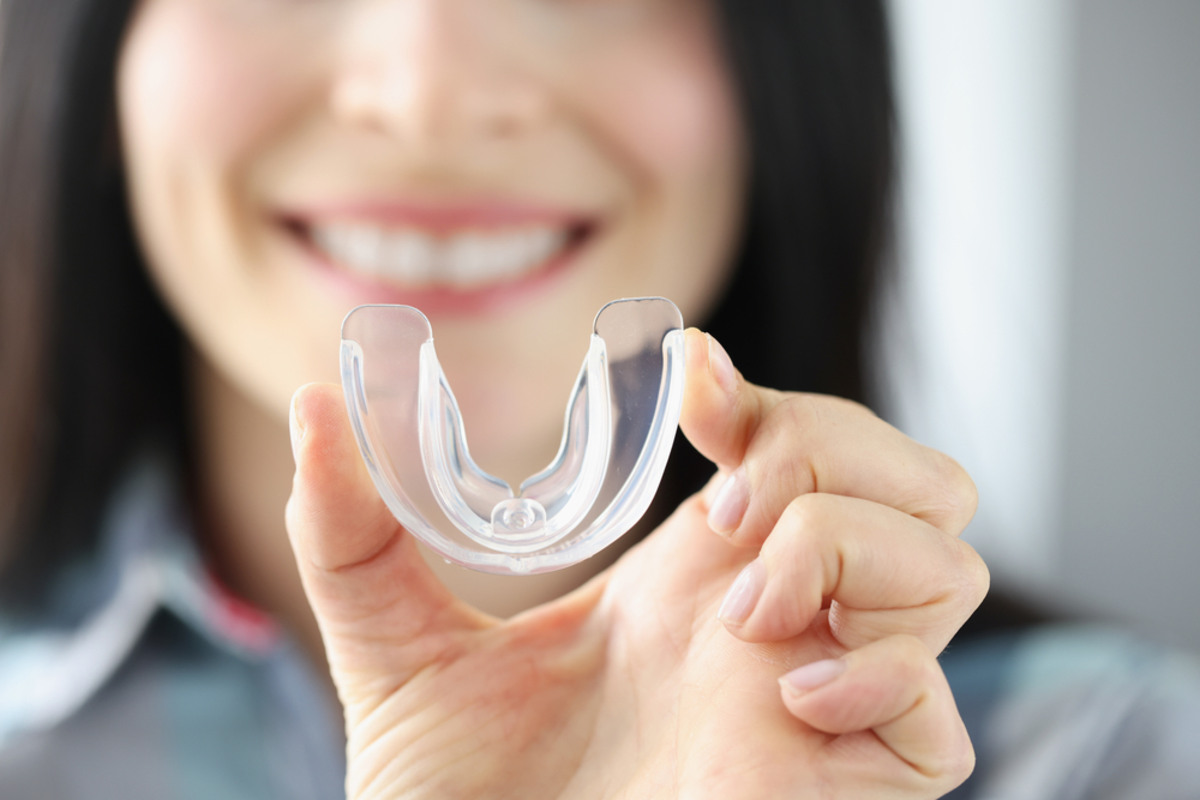
Sleep related breathing disorders have become one of the most discussed health topics of the last decade. Among non invasive options, the Mouth Guard has emerged as a frequently explored device for people looking to better understand snoring and sleep apnea management. At ClinicHI, we often see growing curiosity around how a Mouth Guard works, who may benefit from it, and what science actually says about its potential role in airway support during sleep.
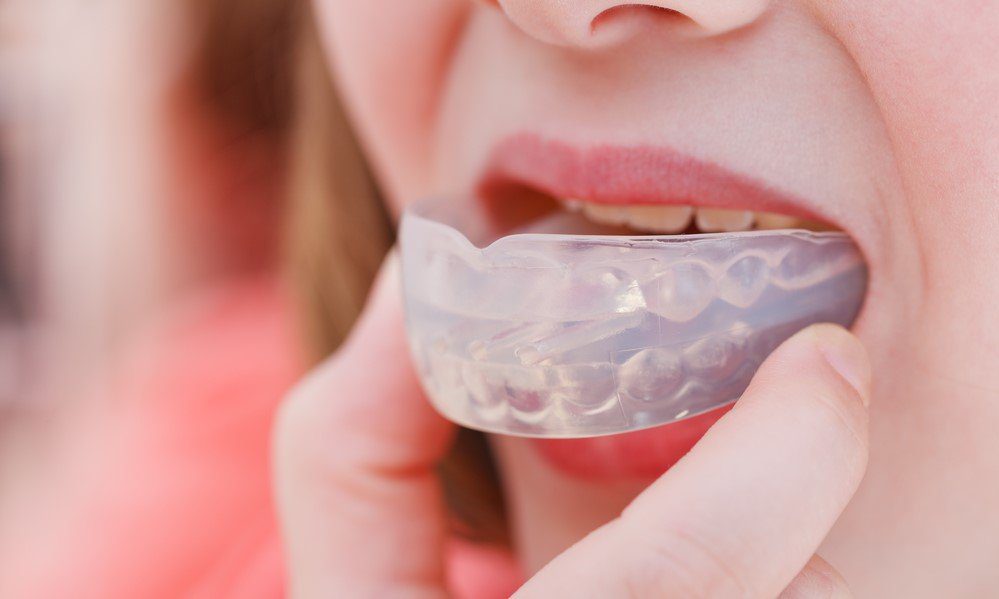
Studies comparing these devices often emphasize fit accuracy as a factor influencing adherence and comfort. However, no universal device works equally for every anatomy.
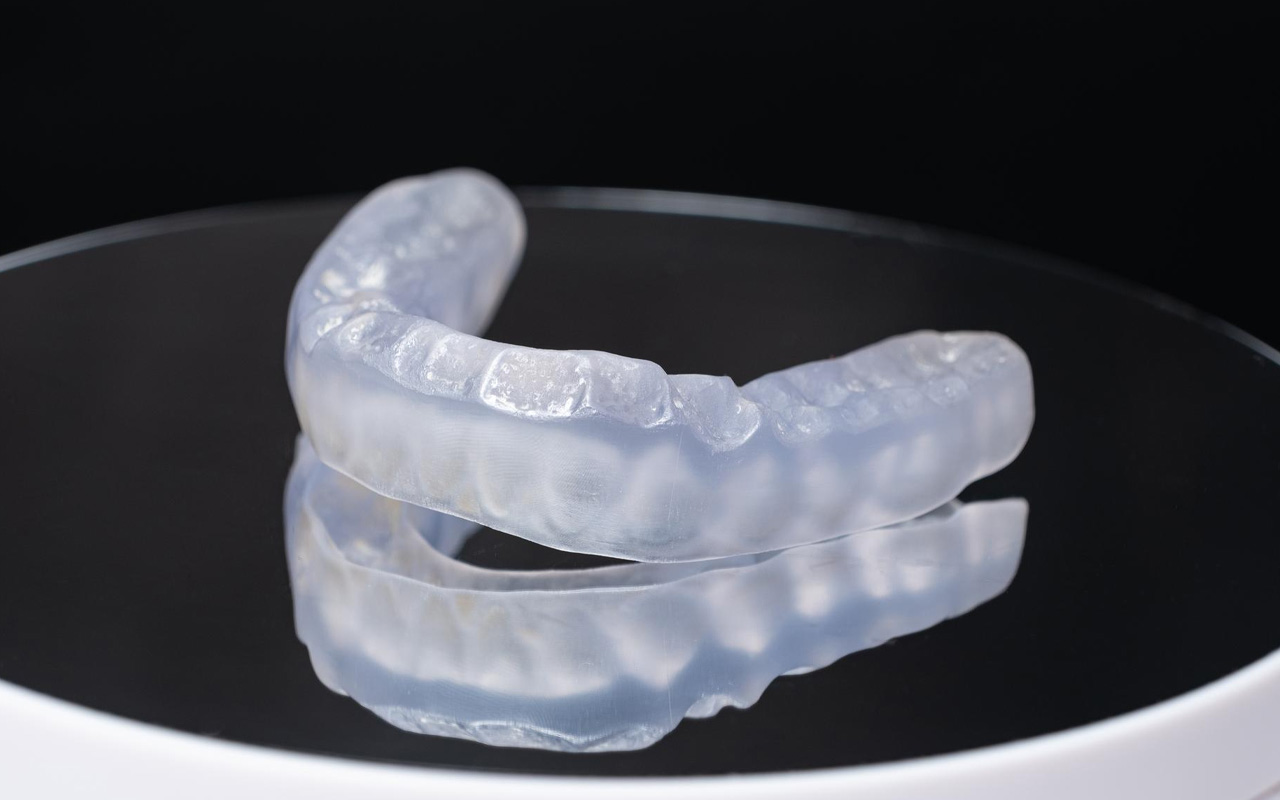
What Is a Mouth Guard and How Does It Work During Sleep?
A Mouth Guard designed for sleep apnea is typically categorized as an oral appliance that repositions the lower jaw slightly forward. This type of Mouth Guard is often referred to as a mandibular advancement device. The goal is to help maintain a more open upper airway during sleep. From an anatomical perspective, sleep apnea episodes are often associated with airway collapse at the level of the tongue base or soft palate. By gently advancing the mandible, a Mouth Guard may increase the airway’s anteroposterior diameter. This subtle mechanical shift can influence airflow dynamics and reduce tissue vibration that contributes to snoring sounds. Researchers studying airflow mechanics have noted that small positional adjustments of the jaw can alter pharyngeal muscle tension. While outcomes vary between individuals, the Mouth Guard represents a structural approach rather than a pharmacological one. It focuses on biomechanics rather than medication.Types of Mouth Guard Devices Used for Sleep Apnea
Not all devices are identical. The term Mouth Guard covers several categories of oral appliances. Understanding these variations is essential when comparing options.1. Custom Fitted Oral Appliance
A dentist fabricated Mouth Guard is tailored to the patient’s dental structure. It typically offers more precise mandibular advancement and improved comfort.2. Boil and Bite Device
These are semi customizable options softened in hot water and molded at home. While more accessible, their precision may be limited compared to a custom Mouth Guard.3. Tongue Retaining Device
Instead of advancing the jaw, this variant stabilizes the tongue. Though technically different, it is often grouped under the broader concept of a Mouth Guard. Below is a simplified comparison:| Feature | Custom Mouth Guard | Boil and Bite | Tongue Retainer |
| Fit Precision | High | Moderate | Moderate |
| Adjustability | Yes | Limited | Limited |
| Comfort Level | Often Higher | Variable | Variable |
| Clinical Oversight | Yes | No | Sometimes |
The Science Behind Mouth Guard Use in Obstructive Sleep Apnea
Obstructive sleep apnea involves repeated upper airway obstruction during sleep. A Mouth Guard attempts to address this by repositioning oral structures. Several sleep medicine reviews suggest oral appliances can reduce apnea hypopnea index values in mild to moderate cases, though responses differ. Biomechanical modeling studies indicate that mandibular advancement increases tension in the genioglossus muscle. This muscle plays a critical role in preventing airway collapse. A Mouth Guard may indirectly stabilize this region by adjusting jaw posture. It is important to note that clinical research often compares oral appliances to CPAP therapy. While CPAP is widely recognized for effectiveness, some analyses show higher patient adherence with a Mouth Guard due to comfort and portability. Effectiveness and usability are different variables, and long term outcomes depend on both. ClinicHI emphasizes that device selection should consider anatomical factors, dental structure, and sleep study findings. The science supports the concept, but individual variability remains significant.Who Might Consider a Mouth Guard for Snoring and Sleep Apnea?
The Mouth Guard is commonly discussed in the context of mild to moderate obstructive sleep apnea. Individuals experiencing primary snoring without severe airway obstruction may also explore this option. Typical characteristics seen in candidates include:- Retrognathic jaw structure
- Airway narrowing at the tongue base
- Intolerance to CPAP devices
- Preference for non surgical approaches
Benefits and Limitations of Using a Mouth Guard
Like any therapeutic device, the Mouth Guard has advantages and constraints. A balanced evaluation helps set realistic expectations.Potential Advantages
First, portability. A Mouth Guard is compact and travel friendly. Unlike larger machines, it requires no electricity. Second, noise reduction. Many partners report reduced snoring intensity when mandibular positioning is improved. Third, patient adherence. Some observational data suggests that individuals may use a Mouth Guard more consistently than bulkier equipment.Possible Limitations
Jaw discomfort can occur, particularly during adaptation. Some users report transient bite changes upon waking. These typically resolve, but monitoring is essential. Additionally, severe obstructive sleep apnea may not respond sufficiently to a Mouth Guard alone. Clinical evaluation helps clarify expected outcomes. Scientific literature generally frames oral appliances as part of a broader therapeutic spectrum rather than a standalone universal remedy.How a Mouth Guard Compares to CPAP and Other Therapies
Continuous Positive Airway Pressure remains one of the most studied therapies in sleep medicine. However, real world adherence varies. The Mouth Guard offers a mechanical alternative that does not rely on air pressure. Key distinctions include:- Mechanism: CPAP uses pneumatic splinting, while a Mouth Guard uses mandibular repositioning.
- Equipment: CPAP involves a machine and mask, whereas a Mouth Guard is intraoral.
- Noise: Oral appliances operate silently.
Long Term Considerations and Adaptation to a Mouth Guard
Adaptation is a process. When first using a Mouth Guard, mild muscle tension or salivation changes may occur. Over time, neuromuscular adaptation often improves comfort. Longitudinal studies suggest that regular monitoring supports optimal outcomes. Gradual mandibular titration allows incremental adjustments. This process aims to balance airway improvement with joint comfort. Dental follow up may assess occlusal changes. Since the Mouth Guard exerts positional force nightly, periodic evaluation ensures structural harmony remains intact. At ClinicHI, we view follow up care as integral rather than optional. The device itself is only part of the equation. Patient education and monitoring complete the framework.A Thoughtful Perspective on the Mouth Guard for Sleep Health
The Mouth Guard represents a biomechanical approach to snoring and obstructive sleep apnea management. By subtly adjusting jaw position, this oral appliance seeks to support airway stability during sleep. While research highlights promising results in selected populations, outcomes depend on anatomy, device precision, and consistent use. Rather than framing the Mouth Guard as a miracle solution, it is more accurate to describe it as a scientifically grounded option within a broader spectrum of sleep apnea strategies. Its portability, quiet operation, and reversibility make it appealing to many individuals exploring alternatives. ClinicHI remains committed to evidence informed dialogue, patient centered evaluation, and transparent discussion of benefits and limitations. Sleep health is multifactorial, and understanding each option empowers informed decision making.Get Your Free Consultation
Have questions? Leave your details and we'll get back to you as soon as possible.
Get Free Consultation