
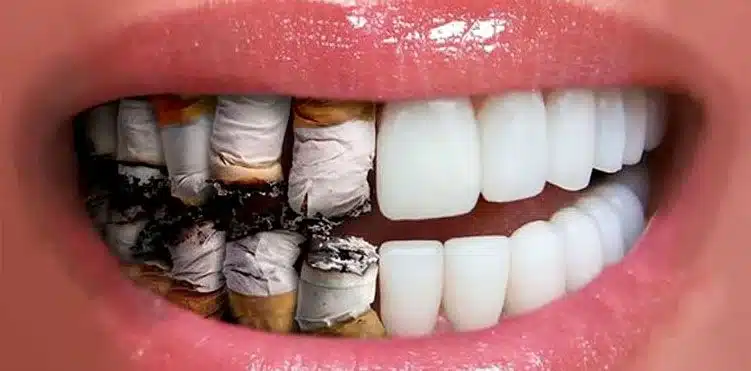
Smoking and Oral Health has long been a topic of concern among dental experts and health professionals. The connection between cigarette use and oral diseases is not only scientifically proven but also visible in millions of smiles worldwide. Cigarette smoke doesn’t just stain teeth it disrupts the delicate balance of the mouth, weakening gums, altering saliva composition, and damaging the tissues that protect your teeth. Understanding how this happens is the first step toward preserving a healthy, confident smile.
This table illustrates how the daily habit of smoking creates a chain reaction of oral issues, some of which can be irreversible if not addressed early.
Of course, full recovery depends on various factors such as age, duration of smoking, and overall hygiene habits. But the biological potential for improvement remains strong, regardless of how long a person has smoked.
The Deep Connection Between Smoking and Oral Health
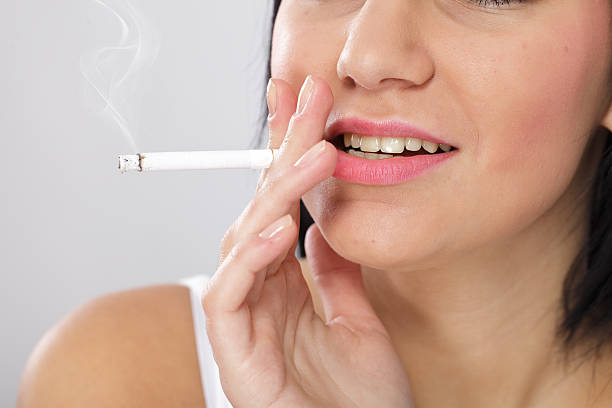
When exploring Smoking and Oral Health, one must understand that the mouth is the very first victim of tobacco smoke. Every puff delivers thousands of toxic chemicals that interact directly with the gums, tongue, and enamel. Over time, this exposure alters the natural environment of the mouth, creating an ideal condition for bacteria to thrive. Nicotine, a key ingredient in tobacco, restricts blood flow to the gum tissue. This means less oxygen and fewer nutrients reach the areas that need them most. As a result, even small injuries in the mouth heal more slowly. Many smokers don’t realize that their gum disease symptoms such as bleeding, swelling, or sensitivity are masked because smoking dulls the body’s natural inflammatory response.How Cigarettes Affect the Natural Balance of the Mouth
The biological ecosystem of the mouth depends heavily on saliva. Saliva helps wash away food particles, neutralize acids, and control bacterial growth. However, cigarette smoke alters this balance dramatically. People who smoke regularly often experience dry mouth, a condition known medically as xerostomia, which can increase the risk of cavities and bad breath. Furthermore, the constant exposure to heat and toxins changes the oral microbiome. Harmful bacteria multiply, while beneficial ones diminish. This shift can trigger conditions like periodontitis an advanced form of gum disease that can eventually lead to tooth loss.| Effect of Smoking | Impact on Oral Health |
| Reduced blood flow | Slower healing, gum tissue damage |
| Saliva reduction | Dry mouth, higher cavity risk |
| Microbiome imbalance | Increased bacterial infections |
| Toxin exposure | Weakened enamel and discoloration |
Why Teeth Lose Their Shine: The Aesthetic Impact
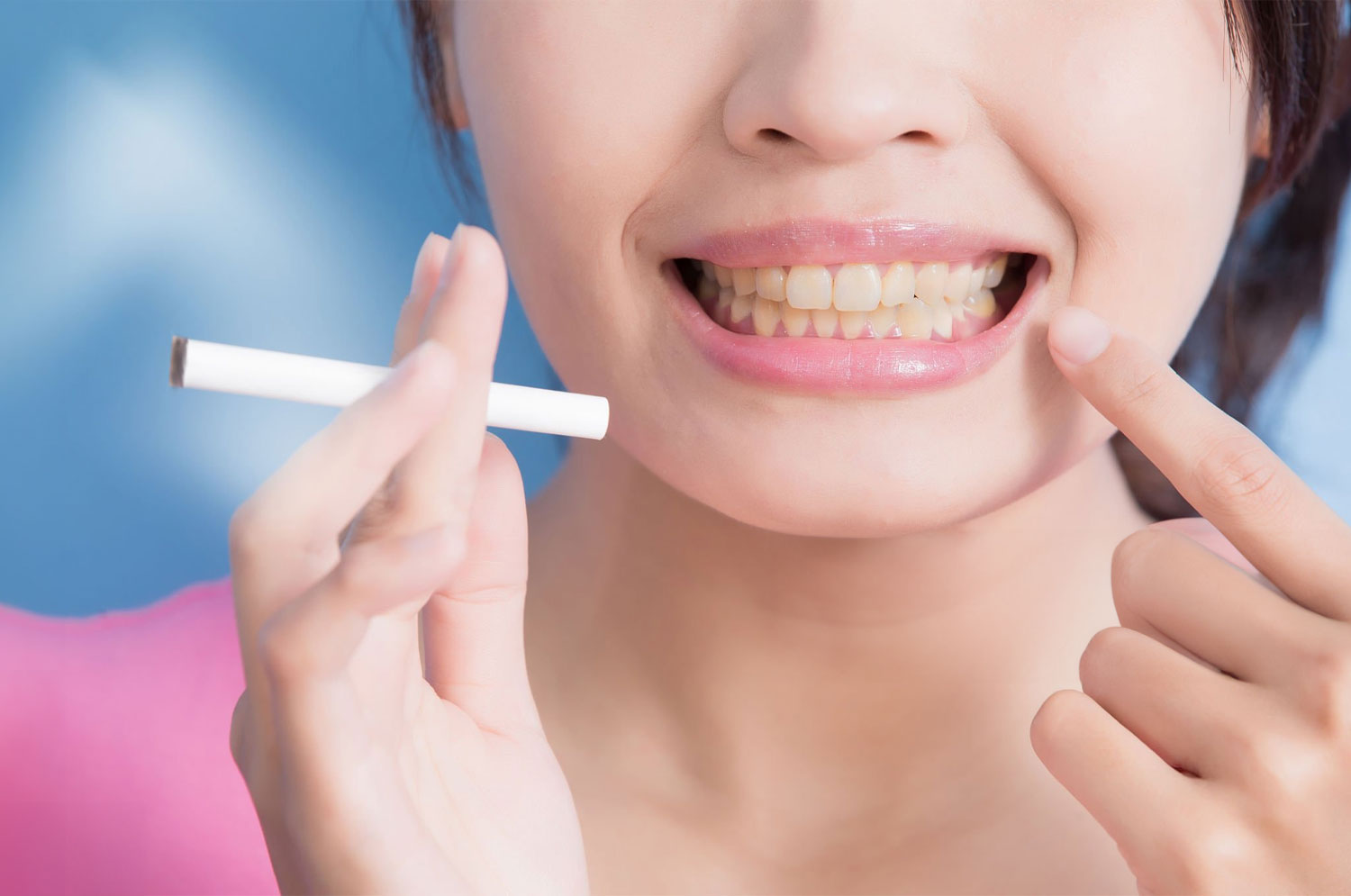
The most visible consequence of Smoking and Oral Health problems is tooth discoloration. Nicotine and tar, when exposed to oxygen, produce a yellowish or brown pigment that clings stubbornly to enamel. Over time, even professional cleanings may struggle to fully restore the natural whiteness of the teeth. But the aesthetic damage doesn’t stop there. Smokers often develop persistent halitosis (bad breath) due to bacterial buildup and tissue decay. Even more, the lips and soft tissues around the mouth may appear darker because of repeated exposure to heat and smoke, giving a prematurely aged look to the face.The Hidden Dangers Beneath the Surface
One of the most alarming aspects of Smoking and Oral Health is how silently damage can progress. Many smokers assume their teeth are fine because they don’t feel pain. Yet, beneath the surface, the bone supporting the teeth may already be deteriorating. Gum disease advances without obvious symptoms, and by the time tooth mobility or loss occurs, significant damage is already done. Scientific reviews have also found a strong link between tobacco use and oral cancer. While not every smoker develops it, the risk is significantly higher due to continuous exposure to carcinogenic substances. The tongue, inner cheeks, and throat are particularly vulnerable areas.Can the Effects of Smoking on Oral Health Be Reversed?
The good news is that the body has an incredible ability to heal especially once exposure to harmful substances stops. Within weeks of quitting, blood circulation begins to improve, and gum tissue receives more oxygen. Over time, some of the oral bacteria levels start to normalize, and bad breath decreases. Dentists recommend regular cleanings and check-ups to monitor recovery. While stains and lost bone tissue may not fully return to their original state, the progression of damage can be stopped. The earlier smoking cessation happens, the more natural function and appearance can be preserved.The Psychological Side of Smoking and Oral Health
Beyond the biological damage, Smoking and Oral Health are deeply connected to emotional and social aspects of well-being. A smile often defines first impressions. Stained or damaged teeth can lead to lowered self-confidence, social withdrawal, and even anxiety during interactions. Interestingly, many people report that quitting smoking not only improves their physical health but also boosts their mood and self-esteem. The renewed brightness of the smile serves as a visual reward for personal progress a symbol of taking back control over one’s health and image.Protecting Your Smile from the Effects of Smoking
The story of Smoking and Oral Health is not just about tooth stains or gum problems it’s about understanding how every puff can slowly change the landscape of your mouth. The effects may be gradual, but they are powerful. Cigarette smoke touches every part of your oral system, from your taste buds to the roots of your teeth. Whether you’re a current smoker or someone trying to quit, awareness is the key to prevention. Your mouth reflects your overall health, and every step you take toward reducing tobacco use is a step toward preserving that reflection. A healthy smile isn’t just about aesthetics it’s a powerful indicator of vitality, confidence, and longevity.The Biological Science Behind Smoking and Oral Health
When discussing Smoking and Oral Health, it’s impossible to ignore the scientific mechanisms driving the damage. Cigarette smoke contains over 7,000 chemicals, hundreds of which are toxic and at least 70 known to cause cancer. Once inhaled, these substances enter the bloodstream and saliva, influencing nearly every biological process in the mouth. Nicotine constricts blood vessels, reducing oxygen delivery to oral tissues. This lack of oxygen slows cell regeneration, weakens the immune response, and makes gums more vulnerable to infection. Carbon monoxide further compounds the issue by interfering with oxygen absorption, leaving oral tissues effectively “suffocating” over time. In this oxygen-deprived environment, harmful anaerobic bacteria flourish. These bacteria, particularly Porphyromonas gingivalis and Tannerella forsythia, are closely linked to periodontitis. Research published in the Journal of Clinical Periodontology found that smokers have a 3- to 6-fold higher prevalence of these pathogens compared to non-smokers. This biological imbalance is a key reason gum disease is both more severe and more resistant to treatment among smokers.The Invisible Enemy: How Smoking Alters Oral Bacteria
A fascinating yet troubling aspect of Smoking and Oral Health is how cigarette smoke reshapes the microbiome the complex community of bacteria living in the mouth. In a healthy mouth, beneficial bacteria help maintain pH balance and protect against harmful invaders. However, regular exposure to tobacco smoke tilts this balance drastically. Studies using DNA sequencing have shown that smokers’ mouths harbor a less diverse microbiome. The beneficial Streptococcus species decline, while aggressive bacteria that thrive in oxygen-poor environments increase. This microbial shift triggers chronic inflammation, which further damages gum tissue and bone. The process works like a loop:- Smoking reduces oxygen levels.
- Anaerobic bacteria multiply.
- Inflammation increases.
- Blood flow decreases even more.
How Smoking Affects Healing After Dental Treatments
Dentists often note that smokers experience slower recovery times after procedures such as tooth extractions, implants, or gum surgeries. The link again circles back to Smoking and Oral Health interactions at the cellular level. Nicotine restricts the formation of new blood vessels, a process known as angiogenesis, which is essential for wound healing. Additionally, smokers produce less collagen a protein that forms the structural framework of gums and soft tissues. Without adequate collagen, wounds remain open longer, increasing the risk of post-surgical infection. In implant dentistry, this delayed healing can even cause implant failure because the bone doesn’t integrate properly with the titanium structure. For these reasons, most dental professionals strongly recommend quitting or at least temporarily pausing smoking before and after surgery to allow tissues the best possible chance to heal.The Taste Factor: How Smoking Dulls Sensory Experience
Few people realize that Smoking and Oral Health issues also extend to taste perception. Cigarette smoke damages the taste buds on the tongue, reducing their sensitivity. This happens because nicotine constricts the tiny blood vessels feeding these taste receptors, and toxins in smoke can alter the structure of the papillae themselves. Smokers often report needing more salt or sugar in their food to achieve the same taste satisfaction. Over time, this dulling effect can lead to poor dietary choices, compounding oral health problems through increased acid and sugar exposure. Fortunately, many ex-smokers notice a significant improvement in their sense of taste within weeks of quitting, highlighting how adaptable the human body can be once toxins are removed.Reversing the Effects: What Happens When You Quit
The connection between Smoking and Oral Health doesn’t have to end in damage there’s hope in recovery. Once smoking stops, the mouth begins to heal almost immediately. Saliva production increases, the microbiome starts to rebalance, and blood circulation improves. Within just a few weeks, gums appear healthier and bleeding decreases. Here’s an approximate timeline based on findings from dental health research:| Time After Quitting | Oral Health Improvements |
| 24 hours | Oxygen levels in blood improve |
| 1 week | Taste and smell sensitivity begin to return |
| 1 month | Circulation to gums increases |
| 3–6 months | Inflammation and bleeding reduce significantly |
| 1 year | Risk of gum disease begins to drop toward non-smoker levels |
The Psychological Reward of a Healthier Smile
The relationship between Smoking and Oral Health also influences emotional well-being. A damaged smile can affect how individuals perceive themselves and how others perceive them. Many people describe the act of quitting as not just a physical liberation but an emotional renewal. Seeing whiter teeth, fresher breath, and healthier gums provides immediate, visible reinforcement for maintaining the decision to stay smoke-free. Interestingly, researchers in behavioral psychology have found that oral self-care such as brushing, flossing, and dental check-ups tends to increase significantly after quitting smoking. This positive feedback loop reinforces healthier habits that extend beyond oral hygiene to overall lifestyle improvement.Scientific Insights: Why Prevention Still Matters
Although the mouth can heal, prevention remains the most effective strategy when it comes to Smoking and Oral Health. Dental professionals emphasize routine cleanings, fluoride use, and regular check-ups as the best defense. These visits help detect early signs of gum disease or precancerous lesions before they progress. Moreover, emerging research in regenerative medicine is exploring how stem-cell-based therapies and bioengineered tissues could one day reverse smoking-related gum damage. While still in early stages, these studies show promise in helping future generations recover from tobacco’s lasting oral effects.
Global Trends and the Future of Smoking and Oral Health
The impact of Smoking and Oral Health is not just an individual concern it’s a global public health issue. According to the World Health Organization (WHO), over 1 billion people worldwide use tobacco in some form, exposing millions to preventable oral diseases. While awareness campaigns have reduced smoking rates in many countries, the oral health consequences continue to burden healthcare systems and individuals alike. Recent epidemiological studies show that populations with high tobacco usage have significantly higher rates of gum disease, oral cancer, and tooth loss. For example, a 2022 study in The International Journal of Dental Hygiene found that smokers over 40 were twice as likely to experience severe periodontitis compared to non-smokers of the same age. These findings emphasize that Smoking and Oral Health remain deeply interconnected issues that extend beyond aesthetics, affecting longevity and systemic health.Innovations in Dental Science for Smokers
As research deepens, dental science is exploring innovative ways to mitigate the impact of smoking. Preventive strategies now include:- Targeted antimicrobial treatments: Designed to rebalance the oral microbiome disrupted by smoking.
- Advanced laser therapies: Used to remove damaged tissue and stimulate healing in gum disease.
- Regenerative approaches: Stem-cell therapy and biomaterials are being tested to rebuild bone and gum tissue lost due to tobacco use.
Lifestyle Factors That Amplify or Reduce Risk
The effects of Smoking and Oral Health are influenced by more than just tobacco. Factors such as diet, oral hygiene, alcohol consumption, and genetic predisposition all play a role. For instance:- High sugar intake accelerates decay in already weakened enamel.
- Poor brushing and flossing habits allow harmful bacteria to flourish.
- Alcohol can intensify inflammation and tissue damage.
Real-World Case Studies: Observing the Effects
Clinical observations highlight the dramatic impact of smoking on oral health:- Case 1: A 50-year-old male smoker with 30 years of history showed advanced gum recession, yellow-brown tooth staining, and early bone loss despite daily brushing. After quitting and following a professional dental cleaning and periodontal therapy plan, improvements in gum health and decreased inflammation were noted within six months.
- Case 2: A 35-year-old female smoker developed chronic halitosis and enamel erosion. Upon quitting, her saliva composition normalized, taste perception returned, and the risk of further enamel erosion decreased.
The Societal and Psychological Dimensions
Beyond physical health, Smoking and Oral Health influence social interactions, self-esteem, and even professional perception. Studies suggest that individuals with visibly healthy smiles are more likely to experience positive social feedback, better self-confidence, and improved mental health. Conversely, smokers often report social stigma related to stained teeth, bad breath, and gum disease. This emotional burden can motivate individuals to quit, highlighting the interplay between oral health, psychology, and lifestyle choices.The Lasting Lessons of Smoking on Oral Health
The relationship between Smoking and Oral Health is multifaceted, spanning biology, psychology, aesthetics, and public health. Cigarette smoke disrupts the oral microbiome, reduces blood flow, damages soft and hard tissues, and accelerates aging of the mouth. Yet, the story does not end in inevitability. Scientific evidence shows that quitting smoking allows for partial recovery of gum tissue, a rebalance of oral bacteria, improved taste, and a reduced risk of oral diseases. Combined with proper oral hygiene, regular dental care, and lifestyle adjustments, individuals can significantly protect and even restore aspects of their oral health. Ultimately, understanding the profound effects of smoking empowers people to make informed choices. A healthy smile is not merely cosmetic it reflects the complex, resilient biology of the mouth and the proactive steps taken to preserve it. The journey toward better oral health may be challenging, but it is scientifically rewarding, socially impactful, and deeply transformative.Get Your Free Consultation
Have questions? Leave your details and we'll get back to you as soon as possible.
Get Free Consultation