
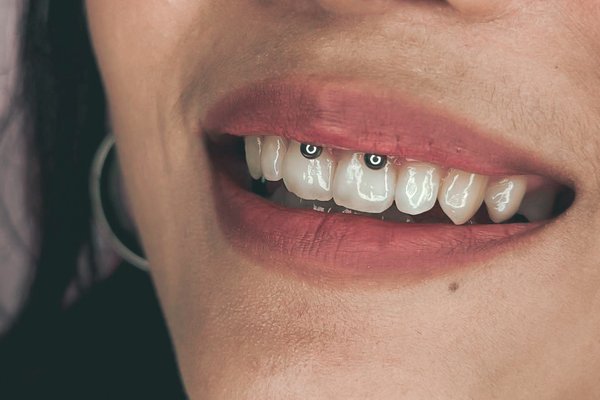
Smiley Piercing is often mentioned in conversations about oral aesthetics, self expression, and subtle body modifications, yet its relationship with gum health is rarely explored in depth. Positioned on the thin frenulum connecting the upper lip to the gums, this piercing may appear small and harmless. However, its location places it in constant interaction with sensitive oral tissues, which raises important questions worth unpacking.
At first glance, a strong Smiley Piercing seems almost invisible, revealing itself only when the wearer smiles widely. This discreet nature has contributed to its popularity, especially among those seeking minimalist piercings. Still, what makes it visually appealing is also what makes it biologically intriguing. The gums, unlike skin, respond differently to repeated contact, pressure, and foreign objects.
This article explores the hidden dynamics behind Smiley Piercing and gum interaction. Instead of offering instructions or medical advice, it focuses on understanding mechanisms, observations, and perspectives that help explain why this piercing sparks ongoing debate in dental and cultural discussions.
Understanding Smiley Piercing and Oral Anatomy
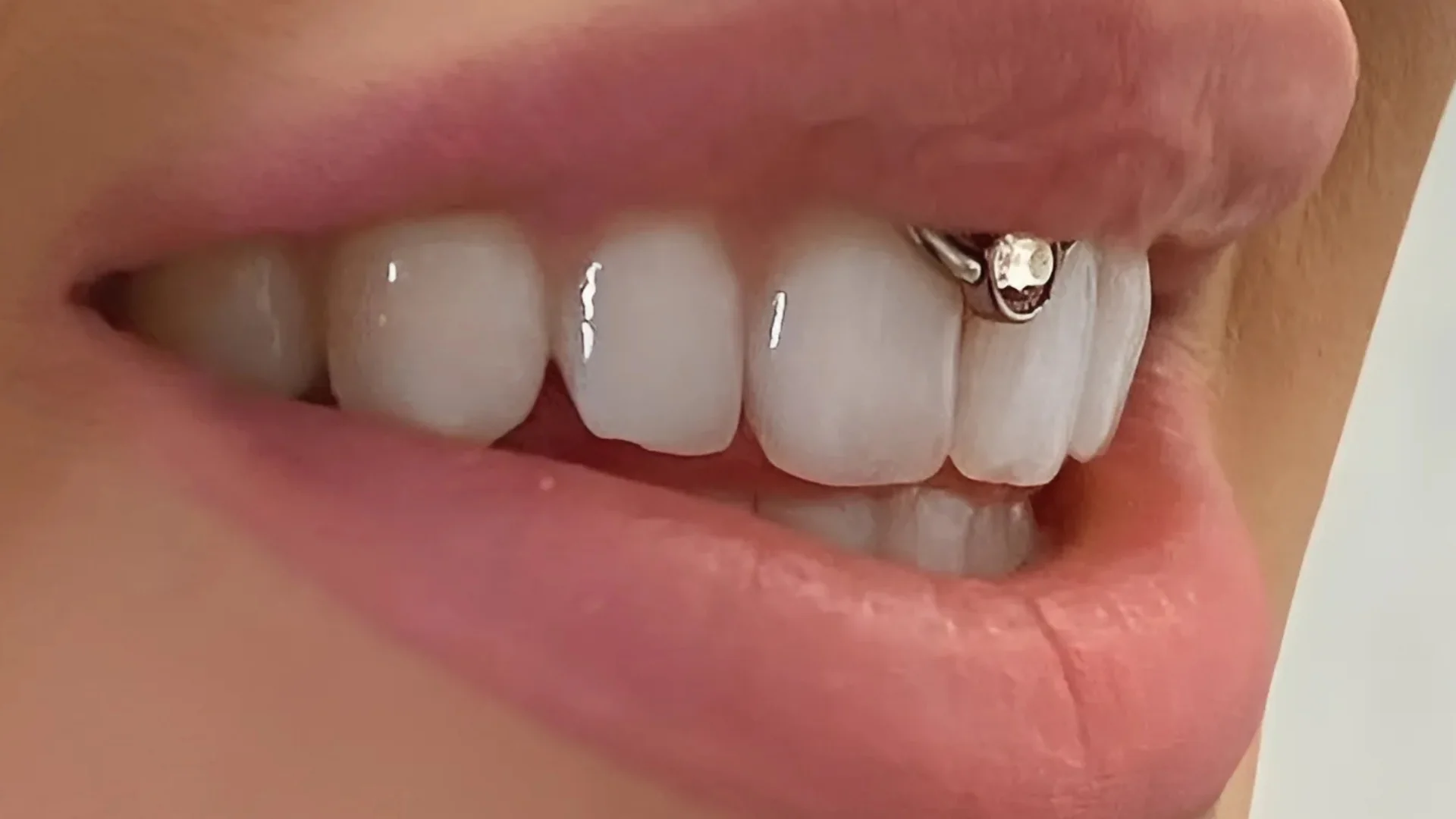
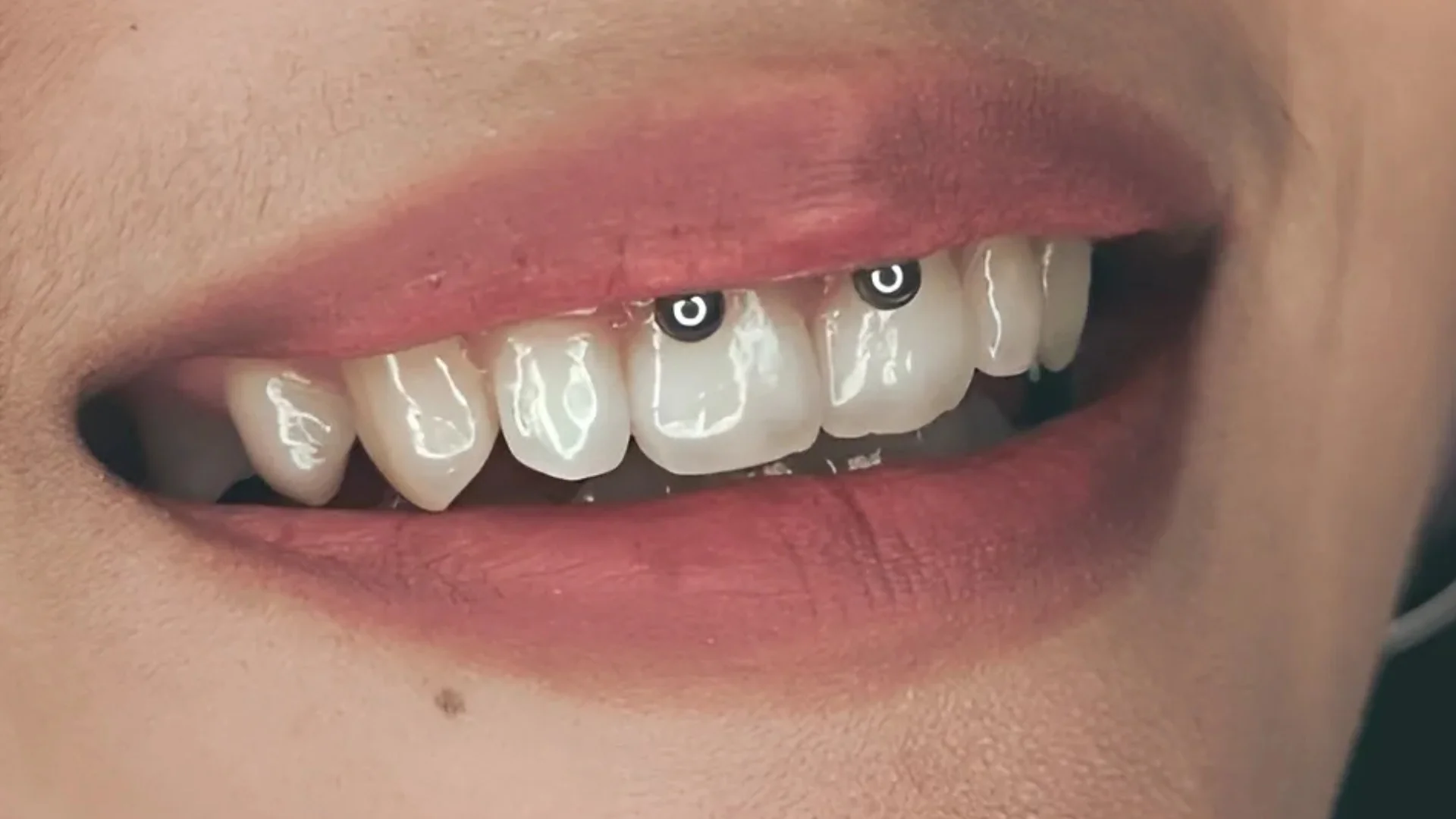
To understand how a strong Smiley Piercing may influence gum tissue, it helps to first consider where it sits anatomically. The piercing passes through the upper labial frenulum, a narrow fold of tissue that plays a stabilizing role between the lip and gums. This area is small, flexible, and highly vascular, meaning it reacts quickly to irritation. Because the frenulum is not designed to bear weight or friction, adding jewelry introduces a new variable. Each movement of the lips during speaking, eating, or smiling creates micro interactions between the piercing and surrounding tissue. Over time, these repeated interactions may shape how the gums respond, adapt, or become stressed. Another aspect often overlooked is proximity. A Smiley Piercing rests close to the gum margin and upper front teeth. This closeness means that even slight shifts in jewelry position can bring it into contact with enamel or soft tissue. The oral environment is dynamic, and anything placed within it becomes part of that motion system.Why Smiley Piercing Attracts Attention in Dental Discussions
The popularity of strong Smiley Piercing has naturally drawn attention from dental observers, not because of aesthetics, but because of location. Unlike piercings placed on the tongue or lips, this one sits directly above the gums, an area known for sensitivity and gradual change. Dental discussions often frame gum tissue as resilient yet vulnerable. It adapts slowly and responds to long term patterns rather than short exposures. When a Smiley Piercing is present, it becomes a constant factor rather than an occasional influence. This continuity is what makes it interesting from an observational standpoint. There is also the element of invisibility. Since the piercing is hidden most of the time, changes around it may go unnoticed for long periods. This delayed awareness is frequently mentioned in anecdotal observations, where individuals only recognize gum changes after extended wear.Material, Movement, and Micro Contact
One of the most discussed variables around Smiley Piercing is jewelry material. Metals differ in weight, smoothness, and rigidity, which influences how they behave inside the mouth. Even polished surfaces still interact with moisture, plaque, and tissue in complex ways. Movement is another key factor. A strong Smiley Piercing does not stay still. It shifts with facial expressions, laughter, and speech. Each movement creates subtle contact points that repeat thousands of times daily. While each interaction is minor, their cumulative effect is what draws analytical interest. Micro contact does not necessarily mean immediate discomfort. In many cases, sensations are neutral or unnoticeable at first. The question explored in scientific discussions is how these micro contacts might influence gum texture, positioning, or sensitivity over extended periods.Smiley Piercing and Perceived Gum Changes
Perception plays a powerful role in how people interpret the effects of Smiley Piercing. Some describe feeling increased awareness in the gum area, while others notice no difference at all. This variation highlights how individual anatomy and habits shape outcomes. Gums are living tissue, constantly responding to pressure and environment. When a strong Smiley Piercing is introduced, the gums may adapt subtly, much like they do with orthodontic appliances or dental restorations. These adaptations are often gradual rather than dramatic. What makes this topic compelling is not certainty, but variability. Observations differ widely, suggesting that gum response is influenced by multiple intersecting factors rather than a single cause.Cultural Meaning Versus Biological Reality
Beyond biology, Smiley Piercing carries cultural meaning. It is often associated with playfulness, rebellion, or personal style. This symbolic value can sometimes overshadow conversations about physical interaction with oral tissues. When cultural identity meets biological structure, tension emerges. A strong Smiley Piercing may represent confidence or creativity, yet it exists within a space governed by anatomy and long term tissue behavior. Understanding both sides creates a more balanced perspective. Rather than framing the piercing as good or bad, many discussions focus on awareness. Recognizing that aesthetic choices interact with biological systems encourages more informed conversations without judgment.Early Observations and Ongoing Curiosity
Early observations around Smiley Piercing are largely descriptive rather than conclusive. They note patterns, sensations, and visual changes without claiming universal outcomes. This open ended nature keeps the topic active in both social and academic spaces. Interest continues because the piercing occupies a unique position. It is small, discreet, and culturally expressive, yet biologically intimate. A strong Smiley Piercing sits at the intersection of appearance and anatomy, making it a subject that resists simple categorization. In the next part, the focus will shift toward how gum tissue responds over time and why duration may matter as much as placement.Smiley Piercing and Long Term Interaction With Gum Tissue
Smiley Piercing becomes more complex to understand when time is introduced into the equation. Short term presence and long term exposure are not experienced in the same way by oral tissues. Gums respond gradually, often showing subtle shifts rather than immediate reactions. This slow response makes long term interaction one of the most discussed aspects surrounding this piercing. Over months or years, a strong Smiley Piercing remains in constant proximity to the gum line. Unlike temporary contact, this ongoing presence may influence how tissue positions itself around the jewelry. Some observers describe slight changes in texture or sensitivity, not as sudden events, but as evolving impressions that develop quietly. Time also amplifies small habits. Frequent lip movement, unconscious touching with the tongue, or repetitive smiling patterns all interact with the piercing. These behaviors vary from person to person, which may explain why long term experiences with Smiley Piercing differ so widely.Smiley Piercing and Friction Based Dynamics
Friction is one of the key concepts used when discussing strong Smiley Piercing in relation to gums. The upper frenulum is not a static structure. It stretches, compresses, and moves continuously. Jewelry placed in this area becomes part of that motion system. Every smile creates a small shift. Every word spoken introduces micro movement. Over time, this friction may shape how nearby gum tissue responds. Importantly, this does not suggest immediate harm or guaranteed outcomes. Instead, it highlights why the topic is often framed around probability and observation rather than certainty. The oral environment also adds layers to friction dynamics. Saliva, temperature changes, and natural bacterial presence all influence how surfaces interact. A Smiley Piercing exists within this complex ecosystem, making its behavior more nuanced than a surface level piercing.Psychological Awareness and Oral Sensitivity
Another often overlooked dimension of Smiley Piercing is psychological awareness. Once a piercing is placed in the mouth, individuals may become more conscious of sensations that previously went unnoticed. This heightened awareness can shape how gum changes are perceived. Some people report feeling increased sensitivity simply because attention is focused on the area. Others describe moments of forgetfulness, where the piercing blends into the background of daily life. This fluctuation between awareness and neutrality affects how experiences are interpreted. A strong Smiley Piercing can therefore influence perception as much as physical response. The mind and body work together in processing sensation, making subjective experience an important part of the discussion.Smiley Piercing Compared to Other Oral Piercings
When compared to tongue or lip piercings, Smiley Piercing occupies a unique category. Its placement is less exposed to direct impact, yet closer to gum tissue than most alternatives. This middle ground makes comparisons both useful and limited. Tongue piercings interact heavily with teeth, while lip piercings engage more with outer tissue. A strong Smiley Piercing interacts subtly with both gums and teeth, depending on movement and jewelry shape. This dual interaction is why it often appears in comparative discussions. Rather than ranking piercings by risk or comfort, these comparisons usually aim to highlight structural differences. Each placement brings its own pattern of interaction, shaped by anatomy rather than intention.Jewelry Design and Its Influence on Interaction
Design choices play a significant role in how Smiley Piercing behaves over time. Shape, thickness, and closure style all affect movement patterns. Even small differences in jewelry design can alter how often contact occurs with gum tissue. A strong Smiley Piercing with smoother contours may glide differently than one with sharper edges or decorative elements. Weight distribution also matters. Heavier jewelry may rest differently, while lighter pieces may shift more freely during facial movement. These design variables add another layer of individuality. Two people with the same piercing placement may experience entirely different interactions simply due to jewelry choice, reinforcing the idea that outcomes are not uniform.The Role of Observation Rather Than Assumption
One consistent theme in discussions about Smiley Piercing is the importance of observation over assumption. Because the piercing operates in a subtle and highly individualized space, generalized conclusions often fall short. Instead of focusing on definitive claims, many analyses emphasize patterns and tendencies. They explore how gum tissue typically responds to repeated contact, how movement influences interaction, and how perception shapes experience. A strong Smiley Piercing becomes a case study in variability rather than a fixed scenario. This observational approach keeps the conversation open ended. It allows space for ongoing curiosity, personal reflection, and evolving understanding without forcing a singular narrative. In the next section, attention will turn toward social perception, aesthetics, and how visibility influences the way people think about Smiley Piercing beyond biological interaction.Smiley Piercing and Social Visibility
Smiley Piercing gains much of its cultural attention from the way it appears only during certain facial expressions. Unlike many body modifications, it remains hidden in neutral moments and reveals itself during a smile. This selective visibility shapes how it is perceived socially and emotionally. Because the piercing emerges during positive expressions, it often becomes associated with playfulness or individuality. A strong Smiley Piercing can feel like a personal detail rather than a constant visual statement. This intermittent presence influences how others notice it and how wearers relate to it over time. Social reactions also vary widely. Some view it as subtle and intriguing, while others interpret it as unconventional. These responses are shaped by context, cultural norms, and personal attitudes toward oral piercings in general.Smiley Piercing and Aesthetic Interpretation
Aesthetics play a central role in why Smiley Piercing remains popular despite ongoing discussions about oral interaction. The minimalist nature of the piercing appeals to those who prefer understated forms of self expression. Jewelry choice strongly influences this aesthetic impact. Smaller, polished designs tend to blend naturally with the smile, while more decorative pieces draw deliberate attention. A strong Smiley Piercing can shift from subtle to expressive based entirely on styling decisions. This adaptability makes it attractive to individuals who want control over how visible their modification appears. The piercing becomes less about permanence and more about selective presentation.Smiley Piercing in the Context of Personal Identity
For many, Smiley Piercing functions as a personal marker rather than a public statement. Its location allows wearers to decide when it becomes part of their outward identity. This selective exposure aligns with broader trends in customizable self expression. Some individuals describe their strong Smiley Piercing as an intimate detail, known only to close circles. Others enjoy the element of surprise when it appears during conversation or laughter. Both perspectives highlight how placement influences meaning. This relationship between identity and visibility adds depth to discussions that might otherwise focus only on physical interaction. The piercing becomes part of a narrative rather than just a modification.
Smiley Piercing and Long Term Perception Shifts
Over time, perceptions of Smiley Piercing often evolve. Initial excitement may give way to neutrality, or curiosity may deepen into appreciation. These shifts mirror how people adapt to any long term change in appearance. What feels prominent in the beginning may eventually feel integrated. A strong Smiley Piercing can transition from novelty to familiarity without losing its symbolic value. This process reflects broader patterns of adaptation and self normalization. Importantly, long term perception is influenced not only by physical comfort, but by how the piercing fits into daily routines and self image.Smiley Piercing as a Topic of Ongoing Discussion
The question of whether Smiley Piercing affects gums continues to generate discussion because it sits at the intersection of biology, aesthetics, and psychology. Rather than producing definitive answers, the topic invites layered interpretation. Different voices contribute different angles. Some focus on tissue behavior, others on personal experience, and others on cultural meaning. A strong Smiley Piercing becomes a shared reference point for these conversations. This diversity of perspectives keeps the discussion active and evolving. Instead of closure, it encourages continued observation and informed curiosity.Smiley Piercing as a Concluding Reflection
In conclusion, Smiley Piercing cannot be understood through a single lens. Its interaction with gums, its visual presence, and its role in personal identity all intersect to shape experience. Rather than being defined by assumptions, a strong Smiley Piercing invites thoughtful consideration. It highlights how small design choices, movement patterns, and perception can influence long term understanding.Get Your Free Consultation
Have questions? Leave your details and we'll get back to you as soon as possible.
Get Free Consultation