
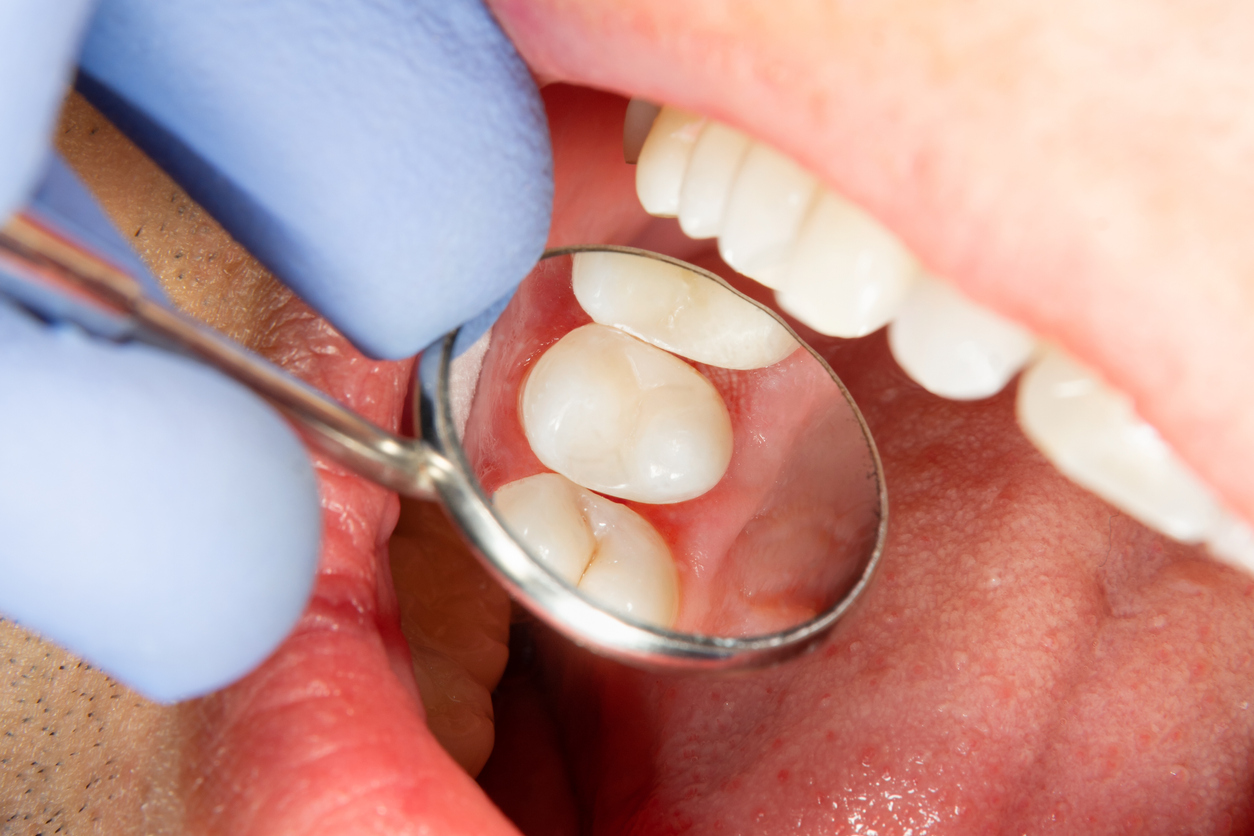
Sealing Teeth has become a frequent topic of debate among dental enthusiasts, parents, and even adults considering preventive care. While the practice is widely promoted for cavity prevention, questions persist: could sealing teeth have hidden drawbacks? Understanding the science behind sealing teeth, its long-term implications, and how it interacts with natural enamel is crucial for anyone curious about modern dental practices.
Experts often recommend a combination approach, where sealants are applied alongside traditional preventive measures. Sealing Teeth enhances protection but works best when integrated into a holistic oral care routine.
What Are Sealing Teeth?
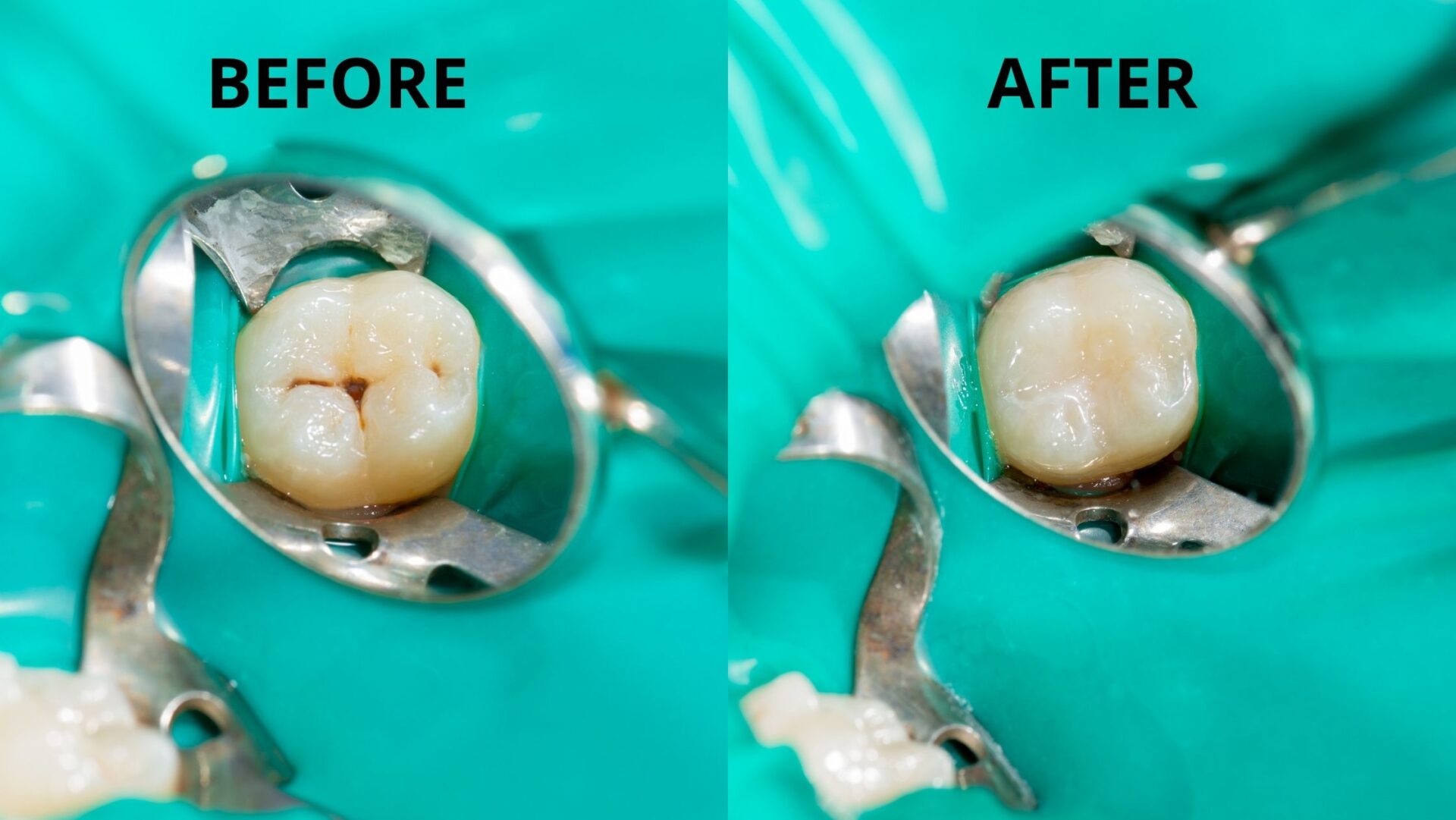
Sealing Teeth refers to a preventive dental procedure where a protective resin is applied to the grooves and pits of teeth, especially molars. These surfaces are prone to decay because their deep fissures can trap food particles and bacteria, which brushing alone cannot fully remove. Sealants act as a barrier, shielding enamel from acids and microbial attacks. Modern dentistry uses advanced resin materials that bond to enamel and can release fluoride over time, adding another layer of protection. However, the effectiveness depends heavily on proper application. If a sealant is improperly cured or applied unevenly, it may allow bacteria to infiltrate underneath, potentially accelerating decay rather than preventing it.The Historical Evolution of Sealing Teeth
Dental sealants were introduced in the mid-20th century as a method to combat high cavity rates in children. Early formulations were prone to wear and often required frequent replacement. Today, technological advancements in sealing teeth materials ensure longer-lasting protection and better adhesion to enamel. Cultural adoption varies worldwide. In some countries, sealants are standard in pediatric care, whereas in others, they are applied selectively, often guided by cavity risk assessment. Despite decades of use, public opinion remains divided, largely due to misconceptions and anecdotal reports of side effects.How Sealing Teeth Works
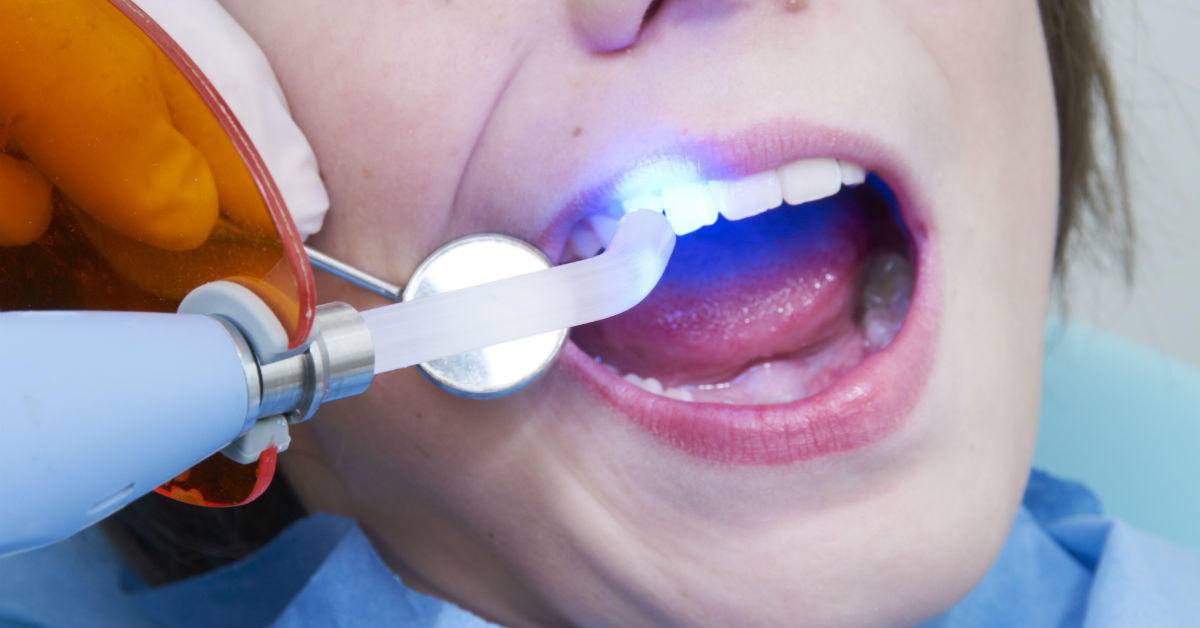
The process of sealing teeth involves several steps: cleaning the tooth surface, etching the enamel slightly to promote bonding, applying the resin, and curing it with a light to harden the material. The sealant fills microscopic fissures, creating a smooth surface resistant to bacterial colonization. Studies indicate that when applied correctly, sealing teeth can reduce molar decay by up to 80% in children. However, improper application can lead to gaps, microleakage, and even enamel erosion if the surface is over-etched. Periodic dental check-ups are therefore essential to maintain both the seal and overall oral health.Scientific Perspectives on Sealing Teeth
From a scientific viewpoint, sealing teeth is generally considered a preventive measure rather than a treatment. Research shows that fluoride-releasing sealants not only protect against decay but may also contribute to remineralization of early lesions. However, critics argue that reliance on sealants might reduce emphasis on proper brushing and flossing, potentially creating a false sense of security. Biomechanical studies reveal that sealants slightly alter the surface topography of teeth, which can influence how bite forces distribute. While negligible in most cases, long-term monitoring is advised, especially in children with mixed dentition, to ensure optimal dental function.Potential Misconceptions About Sealing Teeth
Many believe that sealing teeth is entirely risk-free. While complications are rare, they can include allergic reactions to resin components, minor tooth sensitivity, or improper bonding. Another common misconception is that sealants permanently prevent cavities. In reality, sealants wear down over time and require monitoring or replacement, reinforcing the need for routine dental evaluations. Additionally, some people confuse sealants with cosmetic coatings. Sealants are functional and preventive, not aesthetic, although they may slightly smooth the tooth surface, making it easier to clean.Long-Term Effects of Sealing Teeth
Sealing Teeth is designed as a preventive measure, but what happens over the long term? Scientific studies suggest that properly applied sealants can last anywhere from 5 to 10 years. The material gradually wears down, and small chips or cracks can develop, which is why regular dental check-ups are critical. Some research highlights that microleakage tiny gaps between the enamel and sealant can occur over time. While generally minor, microleakage can trap bacteria and acids, paradoxically increasing the risk of decay if left unchecked. However, most dentists agree that these risks are far outweighed by the protective benefits, especially in high-cavity-risk patients.Comparing Sealing Teeth to Alternative Preventive Measures
While sealing teeth is effective, it is not the only preventive strategy. Fluoride varnishes, meticulous brushing and flossing, and dietary management all contribute to oral health.| Preventive Method | Benefits | Considerations |
| Sealing Teeth | Protects fissures, reduces decay risk | Needs periodic monitoring |
| Fluoride Varnish | Strengthens enamel, remineralizes | Requires repeated applications |
| Oral Hygiene | Reduces bacterial load | Depends on consistency and technique |
| Diet Modification | Limits sugar exposure | Requires long-term compliance |
Lifestyle Factors Affecting Sealing Teeth
Lifestyle choices significantly impact the effectiveness of sealing teeth. High-sugar diets, acidic beverages, and poor brushing habits can reduce the longevity of sealants. Smoking and certain medications may also affect enamel integrity and bonding efficiency. Children, especially, benefit from a combination of sealants and education on proper oral hygiene. Studies show that kids who receive sealants but neglect brushing may still experience cavities elsewhere, emphasizing that sealing teeth is a protective tool, not a substitute for daily care.Psychological and Behavioral Perspectives
Interestingly, the act of applying sealing teeth can influence behavior. Parents and dentists report that children with sealants tend to be more motivated to maintain oral hygiene, viewing the sealants as a tangible protective measure. Conversely, some adults may develop a false sense of security, assuming sealants make brushing and flossing unnecessary. Behavioral studies suggest reinforcing education alongside the procedure ensures the maximum benefit of sealing teeth over time.Potential Risks and Controversies
Despite widespread approval, sealing teeth has sparked debates regarding safety and necessity. A minority of studies question the long-term chemical exposure from resins, although current formulations are biocompatible and FDA-approved. Other concerns involve improper application. Uneven surfaces, trapped saliva during bonding, or insufficient curing can compromise sealant integrity. These factors highlight the importance of professional application and routine monitoring to mitigate risks while reaping preventive benefits.Sealing Teeth in Adult Dentistry
While sealants are commonly associated with children, adults can also benefit. Adults with deep fissures or a history of cavities may see reduced decay rates with sealing teeth. Clinical research shows that even in adult molars, properly applied sealants can lower the incidence of posterior tooth decay by up to 70%. Adults often require additional evaluation, as enamel hardness and occlusion patterns differ from children, which may affect the choice of sealant material and application technique.Scientific Insights on Sealing Teeth
Sealing Teeth has been extensively studied in both pediatric and adult populations. Research consistently demonstrates that properly applied sealants can reduce occlusal cavity formation by up to 80% in high-risk teeth. The effectiveness largely depends on the material used, the clinician’s technique, and the patient’s oral habits. Modern resin-based sealants offer a strong bond, durability, and minimal risk of adverse reactions, making them a staple in preventive dentistry. Despite some misconceptions, there is no credible evidence suggesting that sealants inherently harm healthy teeth; instead, they function as a protective layer that complements natural enamel defenses.Integration with Modern Dental Practices
In contemporary dentistry, sealing teeth is often combined with fluoride treatments, routine cleanings, and patient education. Dentists emphasize that sealants are not a replacement for brushing, flossing, or diet management. Rather, they serve as an additional layer of protection, especially in deep grooves where food particles and bacteria tend to accumulate. Studies highlight that patients who receive sealants alongside consistent oral hygiene demonstrate the most significant reduction in caries incidence. This combination approach reinforces that sealants are preventive tools, not standalone solutions.Economic and Public Health Considerations
From a public health perspective, sealing teeth represents a cost-effective preventive measure. Treating cavities after they occur is far more expensive than applying sealants proactively. Governments and health organizations often recommend sealant programs in schools, particularly for children from high-risk communities. Evidence shows that these programs not only reduce the prevalence of dental decay but also promote awareness about oral health. In adults, preventive sealing can prevent costly restorative procedures and maintain long-term dental functionality, underscoring the value of sealants beyond immediate aesthetics.
Addressing Common Misconceptions
A frequent concern is that sealing teeth might interfere with natural tooth function or cause enamel damage. Scientific evaluations have disproven these fears; when applied correctly, sealants do not harm the underlying enamel or disrupt bite alignment. Another misconception is that once teeth are sealed, patients no longer need regular dental check-ups. On the contrary, regular examinations are essential to monitor sealant integrity and ensure oral health is maintained comprehensively. Understanding these nuances helps demystify the procedure and clarifies its role as a preventive, rather than corrective, measure.The Role of Lifestyle and Diet
While sealants offer protection, lifestyle factors remain crucial. Sugary foods, acidic beverages, and irregular brushing can undermine the benefits of sealing teeth. Nutrition, hydration, and routine oral care work synergistically with sealants to create a holistic defense against decay. Studies emphasize that children who adopt healthy oral habits alongside sealants experience fewer cavities than those relying solely on sealants. Adults, too, see optimal outcomes when combining sealants with preventive care strategies, highlighting the interaction between behavior, environment, and dental interventions.Future Directions in Sealant Technology
The field of dental sealants continues to evolve. Innovations such as bioactive materials, fluoride-releasing sealants, and nanotechnology-enhanced resins are expanding the potential benefits of sealing teeth. Early studies suggest these next-generation sealants may provide longer-lasting protection, improved enamel remineralization, and even antibacterial properties. Such advancements demonstrate that preventive dentistry is not static; it adapts to scientific discoveries while maintaining safety and efficacy standards. Patients can look forward to more effective, durable, and health-conscious sealant options in the coming years.Final Reflections on Sealing Teeth
In summary, sealing teeth is a scientifically validated preventive measure that complements natural oral defenses. While not a substitute for daily hygiene or dietary care, sealants offer significant protection against cavities, particularly in high-risk teeth and populations. Long-term studies confirm that when combined with routine check-ups, proper nutrition, and good oral habits, sealants contribute meaningfully to overall dental health. Far from being “unhealthy,” sealing teeth represents a proactive, evidence-based approach to maintaining a healthy, resilient smile for both children and adults alike.Get Your Free Consultation
Have questions? Leave your details and we'll get back to you as soon as possible.
Get Free Consultation