

A root canal is a dental procedure that addresses infections inside the tooth's pulp, often saving a tooth that might otherwise be lost. This process, also referred to as root canal therapy or canal root therapy, has become a standard solution for severe dental pain, decay, or injury affecting the tooth's innermost tissues.
Modern dentistry provides many techniques to make a root canal less stressful and more efficient. Innovations like ozone therapy for root canal treatments are being explored as alternative approaches to traditional methods. Understanding what is root canal therapy and its nuances can help patients make informed choices.
How Long Does Root Canal Therapy Take?
The duration of root canal therapy depends on the tooth’s condition and the complexity of the infection. Typically, a single session can last between 30 to 90 minutes. Some cases require multiple visits, especially if the infection has spread extensively or if a more detailed cleaning is necessary.
-
Single-visit treatments: Often possible for less complicated teeth.
-
Multi-visit treatments: Recommended for molars or teeth with multiple canals.
Knowing how long does root canal therapy take helps manage expectations and plan follow-ups efficiently.
Signs You Might Need Root Canal Therapy
Recognizing when root canal therapy is necessary is crucial for dental health. Common indicators include:
-
Persistent toothache or sensitivity to hot and cold.
-
Swelling or tenderness in nearby gums.
-
Darkening or discoloration of the tooth.
A dentist for root canal therapy can evaluate these symptoms and determine the appropriate intervention. Early treatment often prevents more invasive procedures later.
Pulpotomy vs Root Canal Therapy
Both pulpotomy and root canal therapy aim to treat pulp issues but differ in scope:
| Feature | Pulpotomy | Root Canal Therapy |
|---|---|---|
| Scope | Only removes diseased pulp from the crown portion | Removes pulp from crown and root canals |
| Age Group | Usually pediatric cases | Mostly adult teeth |
| Recovery | Quicker | Slightly longer |
Understanding pulpotomy vs root canal therapy allows patients to discuss alternatives with their dental professional.
Root Canal Therapy Cost
The root canal therapy cost varies depending on the tooth, location, and dental clinic. Factors include:
-
Number of canals in the tooth
-
Complexity of the infection
-
Materials used for filling and restoration
Generally, molars with multiple canals are more expensive than single-canal teeth. If you are considering additional procedures like dental implants after tooth extraction, discussing costs upfront helps plan treatment efficiently.
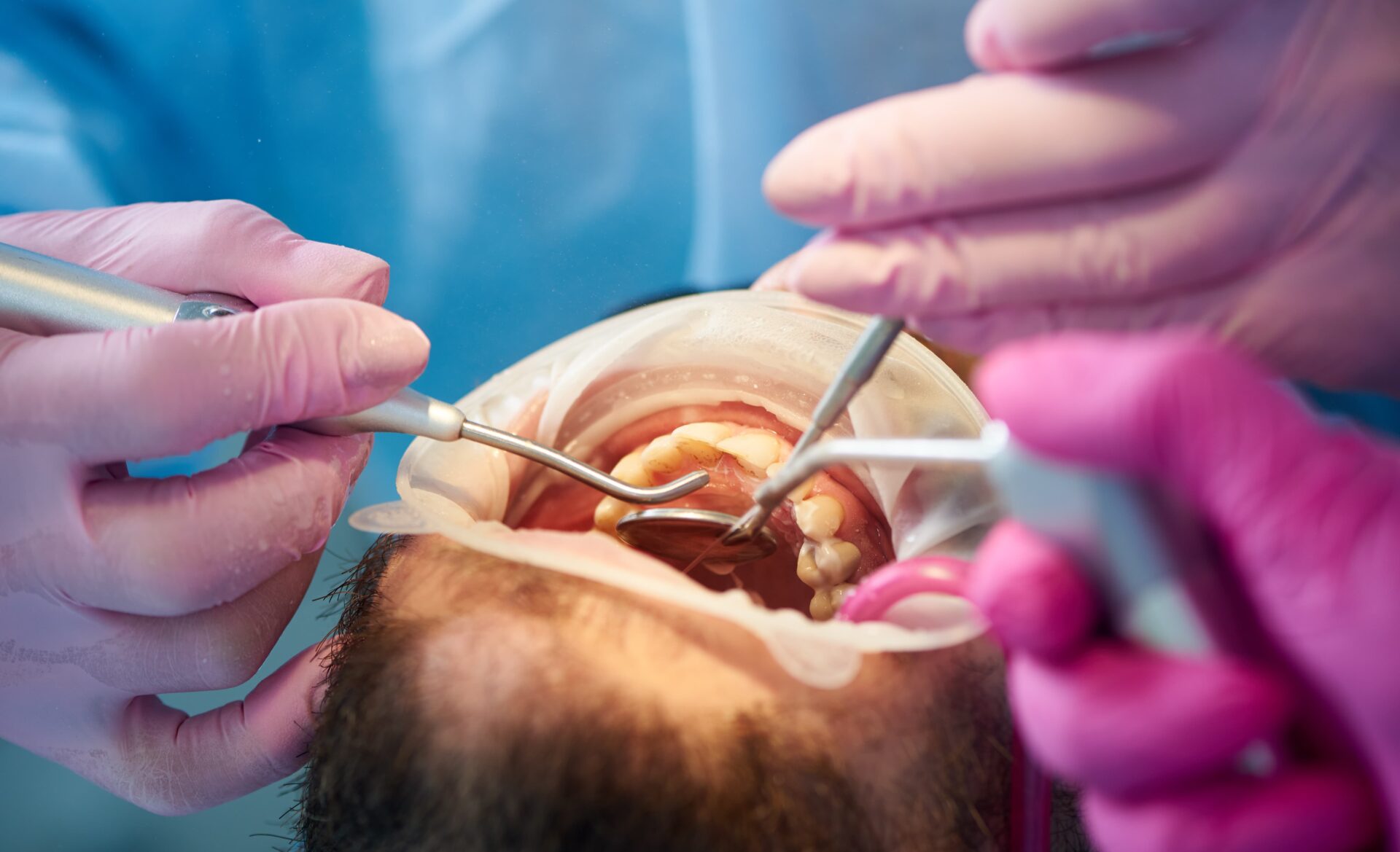
Is a Root Canal Painful?
Modern root canal therapy is designed to minimize discomfort. Local anesthesia ensures the procedure is mostly pain-free. Some patients may experience mild soreness or sensitivity after treatment, which typically resolves in a few days.
Using advanced techniques, dentists can make canal root therapy almost as comfortable as a routine filling, debunking the common myth that root canals are extremely painful.
Ozone Therapy Alternative to Root Canal
An emerging approach, ozone therapy for root canal, can sometimes serve as an alternative. Ozone has antibacterial properties that may disinfect infected pulp without traditional drilling.
While not yet standard practice everywhere, studies suggest ozone therapy can reduce bacterial load and enhance healing, making it a topic worth discussing with a dental professional about are there any alternatives to root canal therapy.
What to Eat After Root Canal Therapy
Post-treatment care is essential. After root canal therapy, patients should consider:
-
Soft foods like yogurt, mashed potatoes, and soups
-
Avoiding extremely hot or cold beverages
-
Chewing on the opposite side of the treated tooth
Proper diet supports recovery and prevents additional stress on the tooth.
Who Performs Root Canal Therapy?
Typically, endodontists are specialists trained for root canal therapy, although general dentists can perform many procedures. Knowing what specialist performs root canal therapy helps patients choose the right provider.
Scheduling a consultation ensures that your dental professional can address any concerns regarding procedure complexity, alternatives, or post-care.
When is Root Canal Therapy Necessary?
Root canal therapy near me is often needed when infection reaches the pulp or when trauma damages the tooth’s nerve. Common scenarios include:
-
Deep cavities
-
Cracked or chipped teeth
-
Repeated dental procedures on the same tooth
Understanding when is root canal therapy necessary helps in timely intervention and preventing tooth loss.

How Do You Know If You Need a Root Canal?
Knowing what are the signs I need root canal therapy helps prevent serious complications. Common indicators include:
-
Persistent tooth pain or throbbing
-
Sensitivity to hot or cold that lingers
-
Swelling in gums or face
-
Darkening of the affected tooth
Consulting a contact page to reach a dental professional ensures accurate diagnosis and timely treatment.
Is Root Canal Therapy the Same as a Root Canal?
Yes, root canal therapy is the formal term for the procedure commonly called a root canal. It involves removing infected pulp, cleaning the canals, and sealing the tooth.
Sometimes, a pulpectomy is also referred to as root canal therapy, particularly in pediatric or specialized cases. Understanding terminology helps patients make informed decisions.
How Long Does It Take to Recover from a Root Canal?
Recovery time for root canal therapy is generally short:
-
Mild soreness for 1–3 days is common
-
Over-the-counter pain relief often suffices
-
Follow-up appointments ensure proper healing
Adhering to post-treatment care, including dietary adjustments and oral hygiene, supports a smooth recovery.
Root Canal Therapy Side Effects
While root canal therapy side effects are usually minimal, some may include:
-
Temporary tenderness or swelling
-
Minor discoloration of the treated tooth
-
Rarely, prolonged sensitivity or infection
Most side effects resolve quickly and are managed with professional guidance.
Are There Any Alternatives to Root Canal Therapy?
Some alternatives exist, depending on the tooth condition:
-
Ozone therapy for root canal as a minimally invasive option
-
Tooth extraction followed by dental implants
-
Conservative pulp capping in select cases
Discussing are there any alternatives to root canal therapy with a qualified dentist ensures the best personalized approach.
Understanding Root Canal Therapy
In summary, root canal therapy is a critical dental procedure that saves teeth, relieves pain, and maintains oral health. From understanding how long does root canal therapy take to evaluating what specialist performs root canal therapy, patients are empowered to make informed choices.
Modern dentistry offers innovations like ozone therapy alternative to root canal, improving comfort and outcomes. Whether addressing urgent pain or planning restorative solutions, knowledge about root canal therapy cost, recovery, and side effects helps create realistic expectations.
By consulting professionals through contact options and exploring treatment alternatives, patients ensure effective and timely care.
Get Your Free Consultation
Have questions? Leave your details and we'll get back to you as soon as possible.
Get Free Consultation