
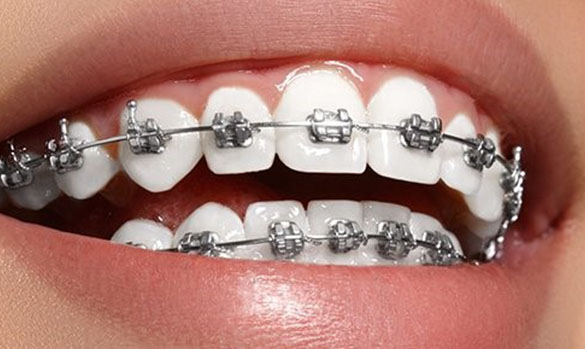
Wearing braces introduces a unique set of challenges for maintaining oral hygiene, as food particles and plaque can accumulate around brackets and wires. Understanding how to prevent tooth decay during orthodontic treatment is essential to ensure both a healthy smile and effective treatment results. While braces straighten teeth, they also create new surfaces where bacteria can thrive, so proactive care is key to avoiding cavities and enamel damage.
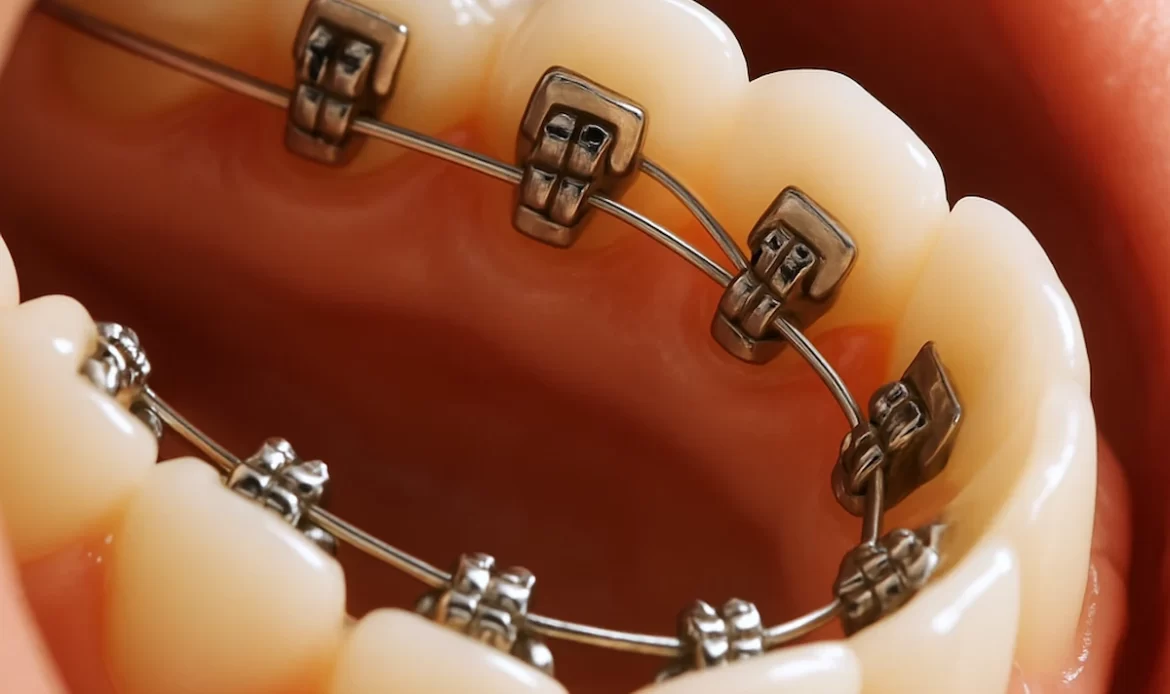
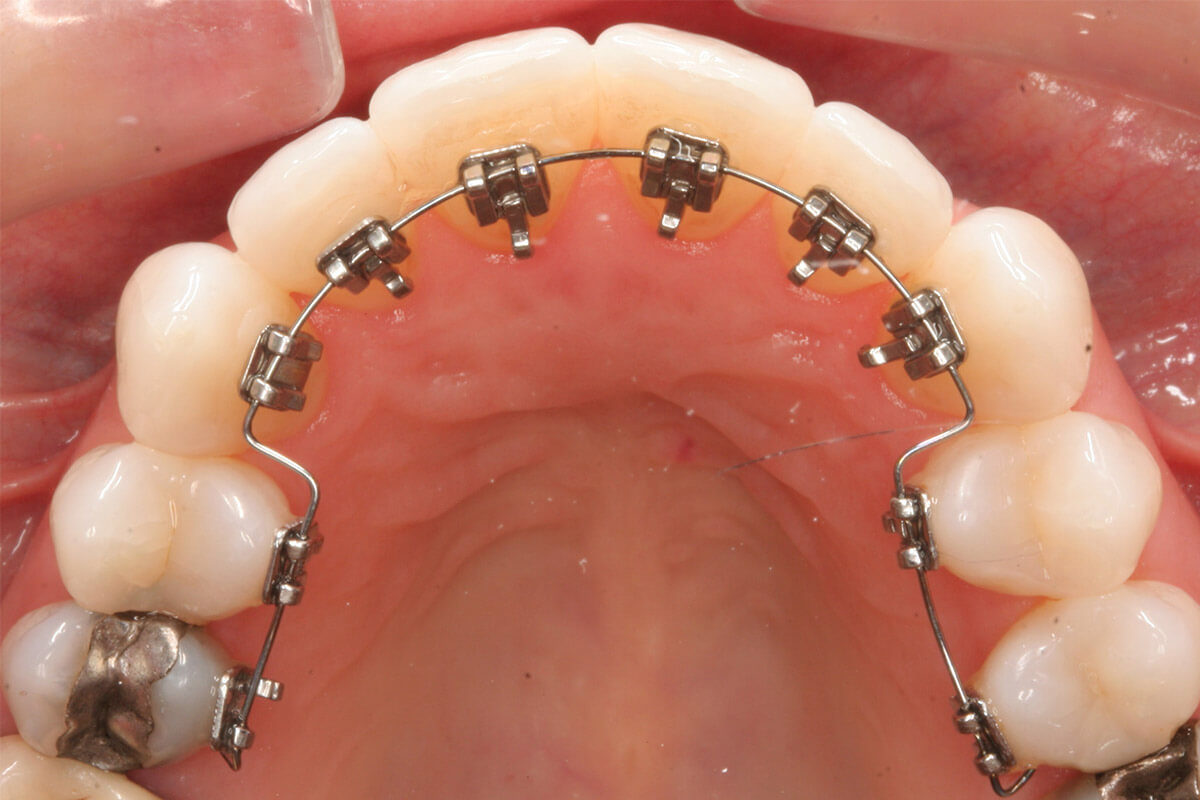
Understanding the Risks of Tooth Decay with Braces
Braces change the way we clean our teeth. The brackets, wires, and bands create tiny nooks where plaque can hide, increasing the risk of tooth decay. Sugar and acid from the foods we consume become trapped around orthodontic hardware, creating an environment conducive to enamel erosion. Research indicates that patients with braces who fail to maintain diligent oral care show higher rates of white spot lesions, a precursor to cavities. Even minor lapses in brushing or flossing can have a compounded effect over time, making daily hygiene a critical aspect of orthodontic success.Braces and Plaque: The Hidden Connection
Plaque is a sticky biofilm of bacteria that constantly forms on teeth. Braces exacerbate plaque retention because the hardware obstructs natural saliva flow, which normally helps neutralize acids and wash away debris. To combat this, orthodontists recommend specialized tools such as interdental brushes, floss threaders, and water flossers. These devices can reach areas around brackets and under wires where standard toothbrushes often fall short. Consistent removal of plaque reduces the risk of decay and keeps the teeth and gums healthy throughout treatment.Effective Brushing Techniques for Braces
Proper brushing technique is the foundation of decay prevention with braces. Using a soft-bristled toothbrush at a 45-degree angle to the gum line ensures that both enamel and gum margins are cleaned effectively. Each bracket should be cleaned from multiple angles top, bottom, and front using gentle, circular motions. Electric toothbrushes with orthodontic heads can improve plaque removal efficiency. Patients should brush for at least two minutes twice daily, paying particular attention to the spaces around brackets and wires. Brushing immediately after meals is particularly effective at minimizing acid exposure from food residues.Flossing and Interdental Cleaning with Braces
Flossing with braces is more complex but equally important. Traditional floss can be threaded between teeth using floss threaders or orthodontic-specific floss. Interdental brushes are excellent for cleaning around brackets, helping dislodge food particles that are difficult to reach otherwise. Neglecting interdental cleaning allows bacteria to flourish in the spaces between teeth, which can lead to cavities or gum inflammation. Establishing a daily flossing routine ensures comprehensive oral care, complementing brushing and mouth rinse use.Dietary Habits to Minimize Tooth Decay with Braces
What you eat plays a crucial role in preventing decay while wearing braces. Sticky, sugary, or hard foods can adhere to brackets and wires, increasing the risk of plaque formation. Limiting sugary snacks, carbonated drinks, and acidic foods helps reduce acid attacks on enamel. Instead, choose nutrient-dense foods such as fruits, vegetables, and dairy products, which support enamel health and overall oral resilience. Drinking water after meals can also help rinse away particles and dilute acids, serving as a simple yet effective preventive measure.Fluoride and Protective Measures for Braces
Fluoride is a key ally in preventing tooth decay with braces. Fluoride toothpaste strengthens enamel, making it more resistant to acid attack. In some cases, orthodontists may recommend additional fluoride treatments or mouth rinses to provide extra protection for high-risk areas around brackets. Sealants may also be applied to molars to prevent decay in grooves that are difficult to clean. Combining fluoride use with proper brushing, flossing, and dietary habits creates a comprehensive defense against cavities during orthodontic treatment.Professional Dental Check-Ups During Braces
Regular dental visits are essential when wearing braces. Even with diligent home care, professional cleanings help remove plaque and tartar buildup that are difficult to reach. Dentists and hygienists can identify early signs of tooth decay, white spot lesions, or gum inflammation before they progress into more serious issues. During check-ups, dental professionals may use fluoride varnishes or other protective treatments to reinforce enamel strength. Additionally, orthodontists can assess the condition of braces themselves, ensuring that brackets, wires, and bands are intact and properly positioned to avoid areas where plaque can accumulate excessively.The Role of Mouthwash and Antimicrobial Rinses
Using mouthwash can provide an extra layer of protection against tooth decay while wearing braces. Antimicrobial rinses reduce bacteria in the mouth, decreasing the risk of cavities and gum disease. Fluoride-containing mouthwashes further strengthen enamel, making teeth more resistant to acid attacks. Patients should choose alcohol-free formulas to avoid irritation and dry mouth, which can worsen plaque retention. Daily use of mouthwash complements brushing and flossing, creating a triple defense system that is particularly important for those with braces.Managing Orthodontic Emergencies to Prevent Decay
Orthodontic emergencies, such as broken brackets or protruding wires, can make oral hygiene more challenging and increase the risk of tooth decay. Promptly addressing these issues helps prevent food from getting trapped and bacteria from proliferating. Patients should follow orthodontist instructions for handling emergencies at home and schedule professional repairs when needed. Keeping braces in optimal condition reduces areas where plaque can accumulate and maintains effective treatment progress.Common Mistakes to Avoid with Braces
Even with careful care, certain habits can undermine oral health with braces. Brushing too aggressively can damage enamel or gums, while skipping flossing allows plaque to build between teeth. Frequent consumption of sugary or sticky foods can accelerate decay around brackets. Additionally, neglecting to wear orthodontic appliances as instructed, such as elastics or retainers, may indirectly contribute to poor oral hygiene by altering tooth alignment and creating hard-to-clean areas. Recognizing and correcting these mistakes early is key to preventing cavities during treatment.Long-Term Benefits of Proper Oral Care with Braces
Maintaining consistent oral hygiene while wearing braces ensures long-term dental health beyond the treatment period. Patients who establish strong brushing, flossing, and mouthwash routines are less likely to experience post-orthodontic cavities or enamel defects. Effective oral care not only protects teeth but also supports the success of orthodontic treatment, leading to a straighter, healthier, and more aesthetically pleasing smile. This foundation of healthy habits can last a lifetime, providing benefits well beyond the months spent wearing braces.Integrating Technology for Better Oral Hygiene
Digital tools and apps can help patients track their oral hygiene routines, reminding them to brush, floss, and rinse effectively while wearing braces. Smart toothbrushes with built-in timers, pressure sensors, or connectivity features guide users to clean more thoroughly, reducing the risk of decay. These technologies provide feedback that encourages consistent care and accountability. By combining traditional oral hygiene practices with modern tools, patients can maintain optimal dental health throughout their orthodontic journey.Diet Adjustments to Protect Teeth with Braces
Nutrition plays a critical role in preventing tooth decay while wearing braces. Certain foods, particularly sugary, sticky, or hard items, can damage brackets and increase cavity risk. Patients are advised to favor softer, less sugary options and to rinse or brush after meals whenever possible. Eating balanced meals with plenty of fiber, lean proteins, and calcium-rich foods helps strengthen enamel and supports gum health. Incorporating crunchy vegetables like carrots or apples can naturally clean teeth surfaces, assisting in plaque removal around braces.Fluoride Treatments and Sealants
Professional fluoride treatments can significantly reduce the risk of tooth decay for patients with braces. These treatments strengthen enamel and provide added protection against acid attacks caused by bacteria and dietary sugars. In some cases, dental sealants are applied to molars to further shield vulnerable surfaces from cavities. Regular application, combined with proper brushing and flossing, ensures comprehensive defense against decay. Orthodontists may also recommend fluoride toothpaste or rinses specifically designed for patients undergoing braces treatment.Behavioral Habits That Support Dental Health
Consistency in oral hygiene practices is essential for those wearing braces. Brushing twice a day with proper technique, flossing daily using specialized tools like threaders or water flossers, and maintaining regular dental check-ups all contribute to decay prevention. Additionally, patients should be mindful of habits like nail-biting, chewing ice, or using teeth to open packaging, which can damage both teeth and braces, creating pockets for bacteria and increasing decay risk.Managing Sensitivity During Orthodontic Treatment
Some patients experience temporary tooth sensitivity while wearing braces, especially when enamel is exposed or brackets are adjusted. Using soft-bristled toothbrushes and desensitizing toothpaste can mitigate discomfort and maintain brushing effectiveness. Addressing sensitivity promptly is important because avoiding brushing or flossing due to discomfort can inadvertently increase tooth decay risk. Gentle care techniques ensure enamel and gums remain healthy throughout treatment.
Combining Preventive Strategies for Maximum Effect
The most effective approach to avoid tooth decay with braces combines multiple strategies: proper brushing, flossing, mouthwash use, dietary adjustments, fluoride treatments, and regular dental visits. Each method reinforces the others, creating a comprehensive defense system. By integrating behavioral, technological, and professional interventions, patients can achieve optimal oral health, maintain the integrity of braces, and enjoy the full benefits of orthodontic treatment without the setback of cavities or enamel damage.Final Thoughts on Maintaining Dental Health with Braces
In conclusion, maintaining oral hygiene and preventing tooth decay during braces treatment requires a multifaceted approach. Consistency, awareness, and proactive care are essential. When patients combine meticulous home care, professional guidance, and lifestyle adjustments, they not only protect their teeth but also support the long-term success of their orthodontic treatment. A straight, healthy smile is the ultimate reward, and avoiding decay during the journey ensures that the results of braces last for years to come. Prioritizing dental health during this critical period establishes habits that can benefit the patient well beyond the orthodontic process.Get Your Free Consultation
Have questions? Leave your details and we'll get back to you as soon as possible.
Get Free Consultation