
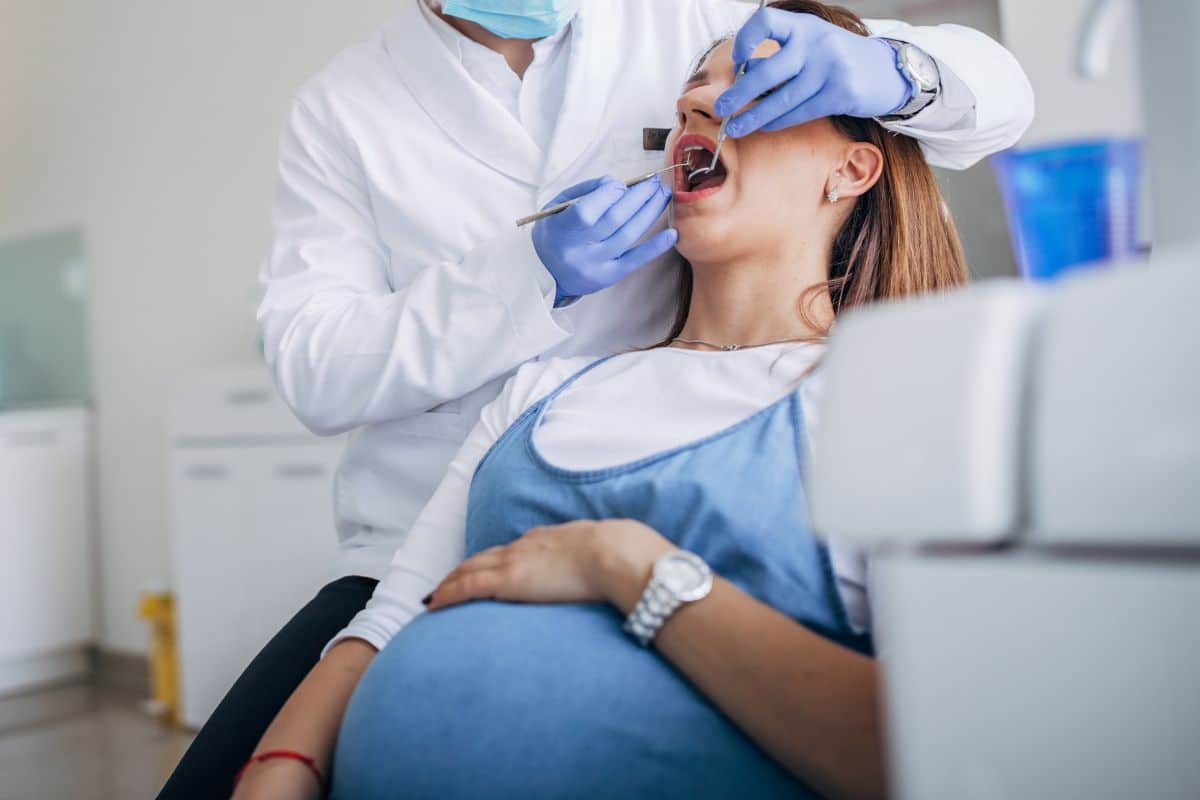
Pregnancy Dental Care is often overlooked, yet it plays a crucial role in maintaining both maternal and fetal health. During pregnancy, hormonal fluctuations, changes in eating habits, and increased blood flow can make oral health more vulnerable. Scientific studies highlight that untreated dental issues during pregnancy may contribute to complications such as preterm birth, low birth weight, and gum disease. Understanding the importance of proactive dental attention during this period is essential for expectant mothers seeking to maintain optimal health for themselves and their babies.
This data demonstrates why structured pregnancy dental care is essential to minimize risks and optimize outcomes.
Understanding the Role of Pregnancy Dental Care in Overall Health
Pregnancy Dental Care extends beyond merely keeping teeth clean; it directly influences systemic health. Hormonal changes, particularly increases in progesterone and estrogen, can alter the body’s inflammatory responses, making gums more susceptible to infection. Research published in the Journal of Periodontology suggests that pregnant women with untreated gum disease are at a higher risk of developing gestational complications. Moreover, oral infections can release bacteria into the bloodstream, potentially affecting fetal development. Preventive care, such as regular check-ups and professional cleanings, ensures that minor issues like plaque buildup or early-stage gingivitis do not escalate into more serious conditions. This highlights how pregnancy dental care serves as a preventive measure for both oral and overall systemic health.Common Oral Health Challenges During Pregnancy
Pregnancy introduces a range of dental challenges that require attention. Morning sickness, a frequent symptom, exposes teeth to stomach acids, which can erode enamel over time. Increased snacking and cravings for sugary foods also raise the risk of cavities. Studies indicate that nearly 60% of pregnant women experience some form of gum inflammation, often referred to as "pregnancy gingivitis." Additionally, hormonal changes may cause gums to swell and bleed, and in some cases, lead to the formation of benign growths called “pregnancy tumors” or pyogenic granulomas. Although these are typically non-cancerous, they underscore the necessity of pregnancy dental care to monitor changes and address any oral health concerns promptly.Benefits of Regular Pregnancy Dental Care Appointments
Routine dental visits during pregnancy offer multiple advantages. Firstly, early detection of cavities, gingivitis, or other oral conditions allows for safer and more conservative treatment options. Preventive procedures, such as professional cleaning, fluoride treatments, and oral hygiene guidance, can significantly reduce the risk of dental emergencies. Secondly, consistent care provides education on oral hygiene tailored to pregnancy needs. For instance, dentists may recommend specific brushing and flossing techniques to combat increased plaque buildup or advise on diet adjustments to minimize enamel erosion. In essence, regular pregnancy dental care appointments create a comprehensive strategy for protecting both maternal and fetal well-being.Hormonal Changes and Their Impact on Pregnancy Dental Care
Pregnancy Dental Care is profoundly affected by the hormonal shifts that occur during gestation. Elevated levels of progesterone and estrogen can increase gum sensitivity, making inflammation more pronounced. Scientific literature shows that these hormonal changes can reduce the immune system’s ability to fight oral bacteria, resulting in higher susceptibility to gingivitis and periodontitis. Interestingly, these hormonal fluctuations can also cause temporary changes in taste perception and saliva composition. Saliva becomes less alkaline, which can reduce its natural protective properties against decay-causing bacteria. Understanding this connection allows expectant mothers to anticipate oral health challenges and prioritize preventive care as part of their pregnancy routine.Nutritional Considerations for Optimal Pregnancy Dental Care
Maintaining oral health during pregnancy is closely tied to nutrition. Nutrients such as calcium, vitamin D, and phosphorus are essential for strengthening teeth and supporting gum health. A deficiency in these nutrients may exacerbate the risk of enamel erosion and gum disease. Pregnant women are often advised to balance their intake of carbohydrates and sugars to minimize cavity risk. Foods rich in protein, fiber, and essential vitamins contribute to saliva production and maintain oral pH balance. Regular meals with minimal sugary snacks, combined with diligent oral hygiene, reinforce pregnancy dental care efforts and provide an added layer of protection for both mother and child.Safe Dental Procedures During Pregnancy
One common concern is whether dental procedures are safe during pregnancy. According to research and dental guidelines, most preventive and necessary treatments can be safely performed. Routine cleanings, cavity fillings with local anesthetics, and certain imaging procedures with protective shielding are considered safe. However, elective cosmetic treatments or procedures requiring general anesthesia are generally deferred until postpartum. The timing of treatments is also important; the second trimester is typically viewed as the safest period for non-emergency dental care. This structured approach ensures pregnancy dental care is both effective and safe for maternal and fetal health.Oral Hygiene Practices Tailored to Pregnancy
Daily oral hygiene routines become even more critical during pregnancy. Brushing at least twice a day with fluoride toothpaste and using dental floss or interdental brushes can prevent plaque accumulation. Some dental professionals suggest using a soft-bristled brush to minimize gum irritation. Mouth rinses containing antimicrobial agents may also reduce bacterial load, though pregnant women should consult their dentist for pregnancy-safe options. Implementing these daily practices strengthens pregnancy dental care, mitigates inflammation, and reduces the likelihood of complications.The Connection Between Oral Health and Preterm Birth
Emerging research has highlighted a link between poor oral health and pregnancy outcomes. Studies published in journals like Obstetrics & Gynecology indicate that untreated periodontal disease may increase the risk of preterm birth and low birth weight. Inflammatory mediators released by oral infections can enter the bloodstream and trigger systemic responses, potentially affecting fetal development. This evidence underscores the importance of proactive pregnancy dental care as a preventive strategy for both oral and overall maternal-fetal health.Preparing for Postpartum Oral Health
While pregnancy is a critical period for dental care, planning for postpartum oral health is equally important. Hormonal levels gradually normalize, but enamel erosion, gum sensitivity, and cavities developed during pregnancy may persist if untreated. New mothers are encouraged to maintain consistent oral hygiene, schedule follow-up dental appointments, and monitor any lingering inflammation. Integrating pregnancy dental care practices into postpartum routines ensures long-term oral health and reduces the risk of future dental complications.Integrating Pregnancy Dental Care Into Your Routine
Pregnancy Dental Care should be considered a key component of prenatal wellness. Integrating dental check-ups with other prenatal visits helps ensure a holistic approach to health. Scheduling professional cleanings every trimester, maintaining daily brushing and flossing routines, and monitoring changes in gum and teeth health create a proactive strategy. Creating a structured routine also reduces the likelihood of dental emergencies, which can be stressful during pregnancy. Furthermore, education about oral care habits such as rinsing after vomiting due to morning sickness or using fluoride toothpaste reinforces the protective role of pregnancy dental care in overall health.Technology and Innovations in Pregnancy Oral Health
Modern dentistry offers advanced tools to improve pregnancy dental care outcomes. Digital imaging with minimal radiation, laser treatments for gum issues, and specialized hygiene tools make dental care safer and more effective for expectant mothers. Moreover, mobile apps and tele-dentistry consultations allow pregnant women to track oral health, receive reminders, and even consult professionals without leaving home. Such innovations demonstrate how technology supports better adherence to dental care protocols during pregnancy, improving maternal and fetal outcomes.
Comparative Analysis of Dental Risks During Pregnancy
To illustrate the impact of oral health during pregnancy, the table below summarizes common conditions, their prevalence, and potential effects:| Oral Condition | Approx. Prevalence | Potential Impact on Pregnancy | Recommended Action |
| Gingivitis | 50–70% | Inflammation, discomfort | Regular cleanings, proper brushing |
| Periodontitis | 5–20% | Preterm birth risk, systemic infection | Early intervention, professional care |
| Enamel Erosion | 20–30% | Increased cavity risk | Diet adjustments, fluoride treatments |
| Pyogenic Granuloma (Pregnancy Tumor) | 2–5% | Localized gum growth, irritation | Monitoring, removal if necessary |
Key Takeaways on Pregnancy Dental Care
- Proactive Monitoring: Regular check-ups prevent minor issues from becoming serious complications.
- Hormonal Awareness: Understanding how hormones influence oral health allows targeted preventive strategies.
- Nutrition and Hygiene: Balanced diets and consistent oral hygiene strengthen natural defenses.
- Safe Treatments: Most preventive and urgent procedures are safe during pregnancy, particularly in the second trimester.
- Long-term Planning: Incorporating dental care into postpartum routines ensures ongoing oral health benefits.
Elevating Maternal and Fetal Health Through Pregnancy Dental Care
In conclusion, pregnancy dental care is not just about a healthy smile it is integral to maternal and fetal well-being. Scientific evidence emphasizes the connection between oral health and systemic outcomes, including preterm birth and low birth weight. By understanding hormonal effects, maintaining proper oral hygiene, scheduling regular dental visits, and utilizing modern innovations, pregnant women can significantly reduce dental risks. The combination of awareness, proactive care, and professional guidance forms the backbone of effective pregnancy dental care, ensuring healthier pregnancies and laying the foundation for lifelong oral wellness.Get Your Free Consultation
Have questions? Leave your details and we'll get back to you as soon as possible.
Get Free Consultation