
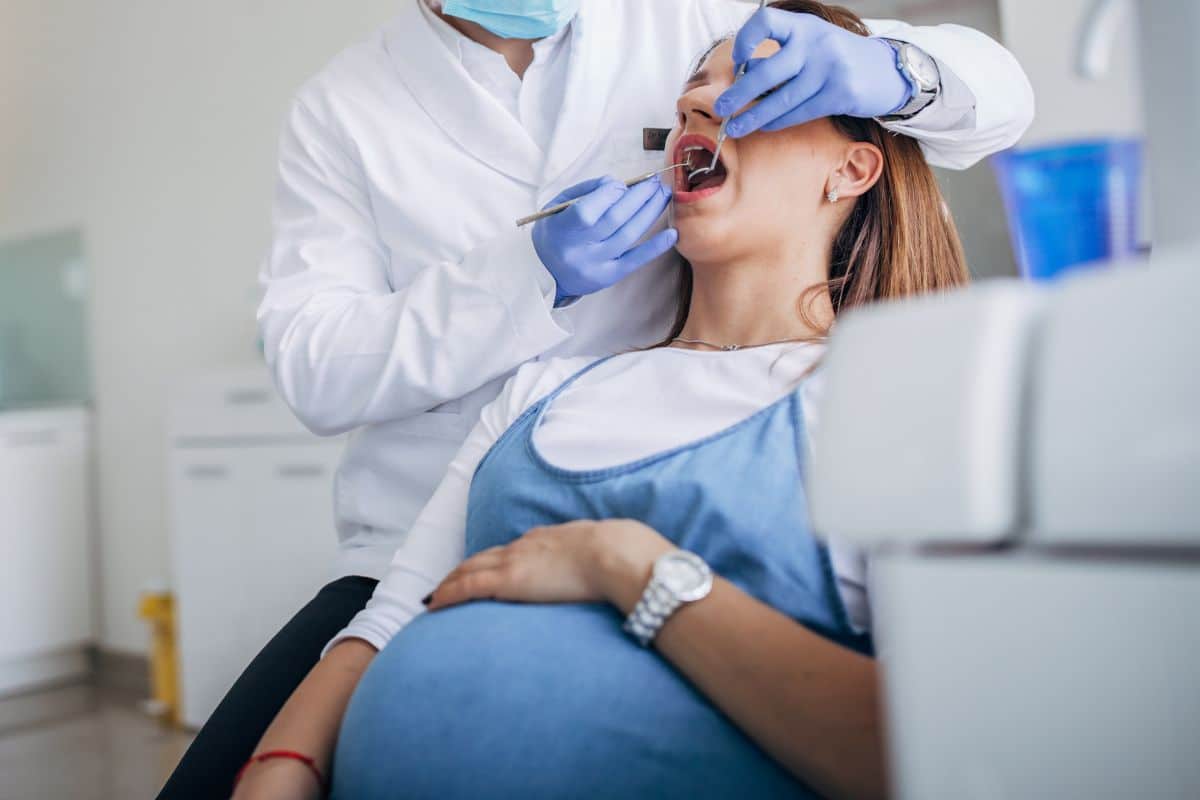
Pregnancy introduces one of the most transformative periods in a person’s life physically, hormonally, and emotionally. Within this major shift, Pregnancy Dental Care becomes an essential yet often underestimated component of overall prenatal well-being. Many expecting individuals wonder whether oral health truly changes during pregnancy, and research over the last decade consistently highlights how changes in saliva composition, immune response, and dietary habits can influence the mouth more dramatically than people expect.
Understanding the principles of Pregnancy Dental Care isn’t about offering medical advice but about explaining why the mouth behaves differently during gestation, which factors influence these changes, and how awareness can help individuals feel more secure throughout the process. ClinicHI has observed that many pregnant patients simply seek clearer explanations, not complex terminology so this article approaches the subject with scientific nuance and approachable language.
This comparison helps illustrate why Pregnancy Dental Care requires more awareness not because the mouth becomes dramatically different, but because the variables influencing it become more dynamic.
How Hormonal Changes Influence Pregnancy Dental Care
Hormonal fluctuations during pregnancy especially progesterone and estrogen influence tissues throughout the body, including the gums. This is one of the earliest reasons why Pregnancy Dental Care becomes relevant. Many people report noticing that their gums feel more sensitive or appear puffier, not because something is “wrong,” but because the tissues respond differently to everyday stimuli. Another interesting observation from clinical studies is that increased blood flow to oral tissues may heighten how the gums react to plaque accumulation. This doesn’t automatically point to long-term dental issues, but it helps explain why routine habits may suddenly feel less effective. When discussing Pregnancy Dental Care, experts often emphasize that awareness of these biological shifts helps reduce unnecessary worry.The Microbiome Shift and Its Role in Pregnancy Dental Care
The oral microbiome the complex ecosystem of bacteria naturally present in the mouth can subtly shift during pregnancy. This aspect of Pregnancy Dental Care has gained attention because microbial balance affects everything from breath to gum comfort. Some researchers note that hormonal changes may gently influence the growth of certain bacteria, although the degree varies from person to person. Another layer of this microbiome shift is related to dietary patterns. People may consume more frequent snacks or experience cravings that introduce additional sugar exposure. Combined with natural changes in saliva composition, this creates conditions where the microbiome behaves differently. When evaluating Pregnancy Dental Care , it becomes important not to focus on fear-based narratives but to simply understand that biological systems adjust in logical, predictable ways during pregnancy.Pregnancy Dental Care and Common Oral Sensations You Might Notice
Many individuals describe certain oral sensations appearing out of nowhere during pregnancy. Some report a metallic taste, others mention shifts in saliva texture, and some speak about sudden temperature sensitivity. While these sensations may feel unfamiliar, they often fall within normal ranges described in prenatal research. Such changes help illustrate why Pregnancy Dental Care is a topic with growing scientific interest. Oral tissues respond to systemic changes long before external physical symptoms appear. Understanding these mechanisms helps patients interpret sensations not as “alarming signs” but as natural byproducts of a complex physiological journey. It also helps normalize the diversity of experiences because not everyone feels the same thing, and that variety itself is part of the scientific story.How Morning Sickness Influences Pregnancy Dental Care
Morning sickness is one of the better-known experiences during early pregnancy, but its effect on the mouth is rarely discussed. Repeated exposure to stomach acid may temporarily change enamel texture, which is why research on Pregnancy Dental Care often references acid-related sensitivity. These changes are not inherently dangerous but simply reflect how enamel interacts with low pH conditions. Additionally, some individuals reduce brushing frequency during morning sickness due to nausea triggers. This connection between behavior and oral sensation helps explain why understanding Pregnancy Dental Care can help expecting individuals feel less anxious about routine changes. These insights come from observational data and patient narratives rather than strict clinical directives, which helps keep the topic approachable yet scientifically grounded.Pregnancy Dental Care and Eating Habits: What Science Observes
Pregnancy often brings shifts in appetite, taste preferences, and meal frequency. Researchers studying Pregnancy Dental Care frequently explore how more frequent meals introduce different patterns of oral pH fluctuation. These subtle pH changes contribute to how the mouth feels throughout the day sometimes stickier, sometimes drier, and sometimes more sensitive. Cravings for citrus fruits, pickles, or carbohydrate-rich snacks can interact with enamel moment by moment. Again, this isn’t about giving dietary rules just understanding the biochemistry of the mouth. Recognizing these changes empowers individuals to interpret oral sensations without unnecessary worry and helps demystify the broader conversation around Pregnancy Dental Care .Behavioral Patterns and Their Effects on Pregnancy Dental Care
Behavior shifts during pregnancy often influence how individuals interact with their oral environment. Someone who once brushed vigorously may suddenly feel uncomfortable using strong mint toothpaste. Another person may notice that their brushing routine becomes irregular due to fatigue or nausea. These behavioral changes are part of the human experience, and they indirectly shape how Pregnancy Dental Care is perceived during this period. Longitudinal surveys show that expecting individuals sometimes gravitate toward gentler oral habits. This does not imply neglect rather, it reflects a heightened awareness of bodily sensations. When we examine Pregnancy Dental Care , these behavioral shifts help researchers understand why certain oral symptoms feel more pronounced or why some people describe their gums as “reactive.” Each individual responds differently, and that variability enriches the scientific picture.Saliva Composition and Its Influence on Pregnancy Dental Care
Saliva plays a central role in the oral ecosystem, acting as a natural buffer against acids, aiding digestion, and maintaining tissue lubrication. During pregnancy, small chemical adjustments may occur within saliva changes in enzyme activity, pH, or mineral content. These subtle modifications explain why Pregnancy Dental Care gains importance in scientific literature. For example, some individuals describe their saliva as thicker or more foamy, while others say it feels insufficient or dry at certain times of day. These experiences are not medical “problems” but physiological reactions shaped by hydration, hormone levels, and even emotional states. Understanding these mechanisms makes Pregnancy Dental Care feel less mysterious and helps individuals contextualize what they feel day to day.Dental Visits During Pregnancy and Their Place Within Pregnancy Dental Care
Many expecting individuals wonder how dental appointments fit into Pregnancy Dental Care. Some feel hesitant, influenced by cultural beliefs or outdated assumptions. Others embrace routine visits as part of their prenatal wellness. What’s particularly interesting in data from dental researchers is that attitudes, rather than biological limitations, shape most people’s decisions about dental care during pregnancy. What experts often highlight is the radiation question. Patients frequently ask whether dental X-rays are universally unsafe. Modern studies emphasize that protective measures significantly reduce exposure, but perception often matters more than physics. When discussing Pregnancy Dental Care, it becomes clear that communication and reassurance play just as strong a role as clinical techniques.Pre-Pregnancy vs. Pregnancy Dental Care Factors
A helpful way to understand how oral health interacts with pregnancy is to examine a comparative overview. The table below summarizes general shifts not strict medical rules observed in scientific literature.| Factor | Pre-Pregnancy Oral Environment | Pregnancy Oral Environment (General Observations) |
| Hormonal Influence | Stable baseline | Heightened tissue response |
| Saliva Composition | Balanced, predictable | Slight pH/fluidity variations |
| Dietary Patterns | Consistent habits | Cravings, increased snacking |
| Gum Sensitivity | Standard levels | Increased sensitivity reported |
| Microbiome Activity | Balanced colonization | Fluctuations influenced by hormones |
Emotional and Psychological Dimensions of Pregnancy Dental Care
Pregnancy is as emotional as it is physical. Anxiety, excitement, and anticipation can subtly shape the way people interpret oral sensations. For example, mild gum tenderness may feel alarming simply because individuals are more attuned to bodily feedback during this period. These emotional layers make Pregnancy Dental Care more than a biological topic they make it a psychological one. Some individuals describe feeling uneasy when they notice metallic taste, morning dryness, or color changes in their gums. These sensations often fall within normal variation, but emotional interpretation can amplify concern. That’s why many prenatal researchers emphasize validating patient experiences. In the context of Pregnancy Dental Care , acknowledging emotional factors helps build clearer, more human-centered explanations.
How Cultural Beliefs Shape Pregnancy Dental Care Awareness
Cultural narratives strongly influence how people view oral care during pregnancy. In some communities, dental visits are encouraged as part of prenatal wellness; in others, dental procedures are avoided due to myths or misunderstandings. These cultural elements provide rich qualitative data for researchers studying Pregnancy Dental Care globally. Certain cultures link gum bleeding with nutrient deficiency, while others believe tooth loss is an unavoidable part of pregnancy. Though these beliefs are not medically grounded, they influence behavior and expectations. Understanding these cultural frameworks allows healthcare professionals to communicate more effectively and reduces unnecessary anxiety around Pregnancy Dental Care .Environmental Factors and Their Subtle Impact on Pregnancy Dental Care
Environmental conditions such as humidity levels, seasonal changes, or air quality can influence how the mouth feels. During pregnancy, individuals often report that these seemingly minor factors feel more noticeable. This is part of why Pregnancy Dental Care becomes an interesting interdisciplinary subject for both dental specialists and researchers studying systemic physiology. For instance, dry indoor air may amplify sensations of oral dryness, and colder climates may make certain teeth feel more reactive to temperature. These responses don’t necessarily signal damage; rather, they reflect how pregnancy heightens sensory awareness. Understanding these connections helps create a fuller picture of Pregnancy Dental Care beyond the traditional clinical perspective.Nutritional Patterns and Their Interplay With Pregnancy Dental Care
Nutrition takes on a new level of importance during pregnancy. Not in the sense of providing dietary rules, but in understanding how changes in food frequency and preference interact with the mouth. When individuals shift from structured meals to spontaneous snacking, the oral environment adapts accordingly, which is why Pregnancy Dental Care is often tied to nutritional studies. Some individuals gravitate toward citrus, others toward carbohydrates, and some toward protein-heavy meals. Each category influences oral pH differently. These physiological nuances help explain why enamel, saliva flow, and gum sensation may vary day to day. Recognizing this variety allows individuals to interpret these shifts as natural elements of Pregnancy Dental Care rather than signs of concern.How Sleep and Fatigue Influence Pregnancy Dental Care
Sleep quality changes during pregnancy for many people sometimes due to discomfort, sometimes due to hormonal influence. Fatigue can subtly shape oral habits, such as brushing duration or motivation. These behavior-based adjustments indirectly influence the dynamics of Pregnancy Dental Care. Researchers analyzing sleep patterns have noted that individuals may wake up experiencing dryness or a thicker saliva texture during pregnancy. This contributes to the general “difference” many people feel in their mouths. These insights don’t aim to pathologize pregnancy experiences but to normalize them: recognizing that physiology behaves differently when rest patterns shift is part of understanding Pregnancy Dental Care holistically.The Science Behind Gum Sensitivity and Pregnancy Dental Care
Gum sensitivity is one of the most frequently reported experiences among pregnant individuals, but its origins are complex. Rather than pointing to a single cause, studies show a combination of hormone-related tissue responses, microbiome fluctuation, and immune system modulation. This interplay explains why Pregnancy Dental Care is often described as multifactorial rather than linear. Some people feel heightened sensitivity when brushing; others notice redness without discomfort. These variations help paint a fuller scientific picture. The gums act as responsive tissues reacting not only to physical stimuli but to systemic hormonal signals. This makes Pregnancy Dental Care a valuable subject for both dental and prenatal research.Practical Awareness Tips Supported by Pregnancy Dental Care Research
A helpful way to synthesize research insights is to highlight common awareness points frequently mentioned across dental studies. Bunlar öneri değil; yalnızca bilimsel literatürde sık geçen davranışsal gözlemlerin bir listesi:- People often prefer softer-textured foods during pregnancy, which influences how the teeth and gums feel throughout the day.
- Increased snacking frequency tends to create shorter intervals between pH fluctuations in the mouth.
- Heightened sensitivity may lead individuals to adjust brushing pressure, inadvertently creating new oral sensations.
- Morning dryness or metallic taste often correlates with changes in saliva composition and hydration levels.
- Cravings may temporarily influence enamel sensation as oral acidity shifts throughout the day.
Understanding Pregnancy Dental Care as a Holistic Experience
Pregnancy transforms nearly every system in the body, including the oral environment. The goal of examining Pregnancy Dental Care isn’t to present strict rules or medical directives but to shed light on the natural, scientifically documented changes that many individuals experience. From hormonal fluctuations and microbiome shifts to emotional interpretation and cultural influences, every factor plays a role in shaping how the mouth feels during pregnancy. ClinicHI’s purpose in sharing this comprehensive overview is to help individuals feel informed rather than overwhelmed. When people understand the mechanisms behind sensations, they often feel more at ease, more confident, and more connected to their own experience. That is the true value of knowledge in prenatal oral awareness: transforming uncertainty into clarity without creating unnecessary alarm. Pregnancy is a remarkable journey. And within that journey, understanding Pregnancy Dental Care offers a small but meaningful window into how the body adapts, evolves, and prepares for new life scientifically, emotionally, and holistically.Get Your Free Consultation
Have questions? Leave your details and we'll get back to you as soon as possible.
Get Free Consultation