
When it comes to achieving a flawless smile, the debate over Porcelain vs. Composite Veneers has been ongoing for years. Both options promise aesthetic improvements, yet they differ in material composition, longevity, cost, and maintenance. Understanding these differences is crucial for anyone considering a smile transformation, as the choice impacts not only appearance but also durability and oral health over time.
Material Differences Between Porcelain vs. Composite Veneers
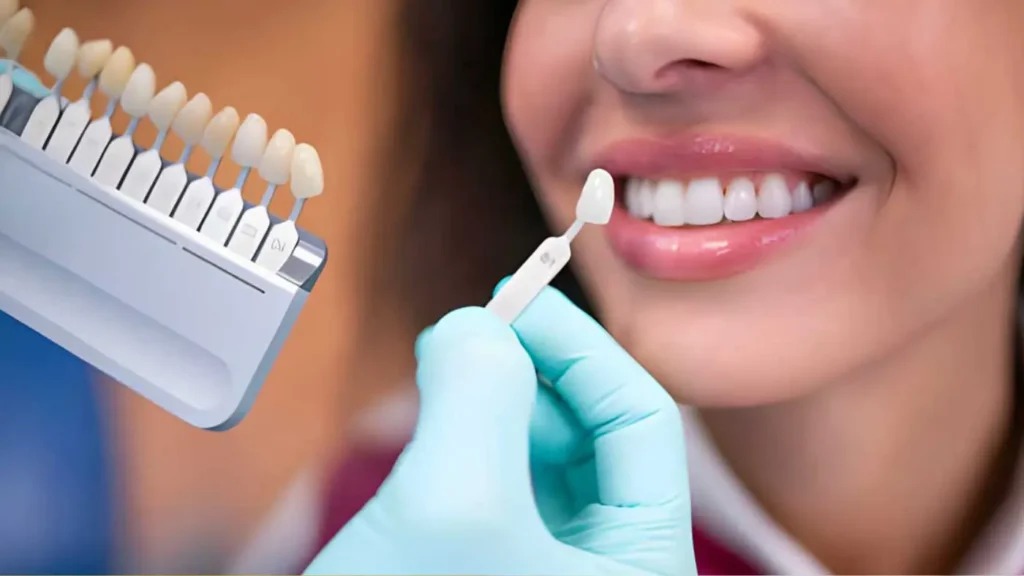
The most fundamental distinction between Porcelain vs. Composite Veneers lies in the materials used. Porcelain veneers are crafted from high-quality ceramic, which closely mimics natural tooth enamel. This gives them superior translucency, stain resistance, and longevity. On the other hand, composite veneers are made from resin-based materials that can be applied directly to the teeth or fabricated in a lab. While composite veneers are often preferred for their minimally invasive procedure, porcelain veneers excel in durability. Porcelain tends to maintain color and shine over time, resisting discoloration from coffee, wine, and smoking, whereas composites may require more frequent touch-ups.Longevity and Durability in Porcelain vs. Composite Veneers
Longevity is a key factor when weighing Porcelain vs. Composite Veneers. Porcelain veneers can last between 10 to 20 years with proper care, offering long-term stability. Composite veneers, however, generally last between 5 to 7 years. This is largely due to their material composition, which is more prone to wear, chipping, or staining. It is important to note that both types require maintenance, but the frequency and extent differ. Porcelain veneers often need fewer interventions, while composites may require more regular polishing or minor repairs to maintain aesthetics.Cost Considerations in Porcelain vs. Composite Veneers
Cost often plays a decisive role in choosing between Porcelain vs. Composite Veneers. Porcelain veneers are typically more expensive due to the lab fabrication process, high-quality ceramic, and increased procedure time. Composite veneers are generally more affordable and can often be completed in a single dental visit. However, long-term costs should also be considered. Frequent maintenance or replacement of composite veneers may offset their initial savings, whereas porcelain veneers, though pricier upfront, may be more cost-effective over time due to their durability and lower maintenance requirements.Aesthetic Outcomes for Porcelain vs. Composite Veneers
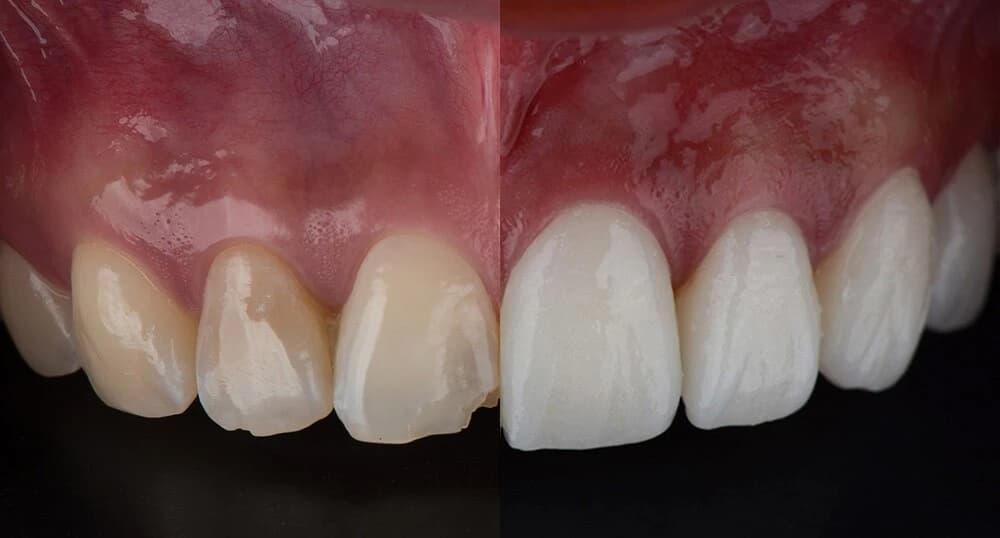
When discussing Porcelain vs. Composite Veneers, aesthetics play a major role. Porcelain offers superior lifelike results with translucency and color-matching that closely mimics natural teeth. Its reflective properties make the smile appear brighter and more uniform. Composite veneers provide flexibility in shaping and can be adjusted chairside. However, while they can achieve excellent aesthetic results, they may not match the same level of translucency or natural gloss as porcelain, especially in high-light situations.Procedure Complexity in Porcelain vs. Composite Veneers
The procedures for Porcelain vs. Composite Veneers differ significantly. Porcelain veneers typically require two appointments: one for tooth preparation and impressions, and another for final placement after lab fabrication. Composite veneers, in contrast, can often be completed in a single session, making them a quicker solution. Tooth preparation for porcelain veneers may involve minimal enamel removal, which ensures a secure bond and natural look. Composite veneers often require less removal, preserving more of the natural tooth structure, which can be advantageous for patients prioritizing minimally invasive procedures.Maintenance Requirements for Porcelain vs. Composite Veneers
Maintenance plays a critical role in comparing Porcelain vs. Composite Veneers. Porcelain veneers are highly resistant to staining and generally require standard oral hygiene practices like brushing, flossing, and regular dental check-ups. The smooth ceramic surface minimizes plaque buildup, which contributes to their long-lasting aesthetic appeal. Composite veneers, while easier to repair, are more susceptible to staining from foods, beverages, and smoking. Patients may need periodic polishing or minor touch-ups to maintain their brightness and prevent discoloration. Understanding the maintenance demands of each material is essential for setting realistic expectations.
Impact on Tooth Sensitivity in Porcelain vs. Composite Veneers
Another important consideration when choosing between Porcelain vs. Composite Veneers is tooth sensitivity. Porcelain veneers, due to their strong bond and precise fabrication, often reduce sensitivity after placement. Proper enamel preparation ensures the veneers fit snugly without exposing dentin. Composite veneers, applied directly to the tooth, may occasionally increase temporary sensitivity, particularly if multiple layers of resin are used. However, dentists can minimize this by using protective sealants and ensuring proper curing of the composite material.Repair and Longevity Considerations for Porcelain vs. Composite Veneers
The reparability of veneers varies depending on the material. Porcelain vs. Composite Veneers differ significantly in this aspect. Porcelain veneers, while highly durable, are difficult to repair if chipped or cracked. Most cases require full replacement, which can be costly. Composite veneers, however, allow for easy in-office repairs. Small chips or cracks can be filled and polished in a single visit, making them more flexible for patients prone to accidents or minor damage. This repairability may influence the choice for younger patients or those with active lifestyles.Color Stability in Porcelain vs. Composite Veneers
Color retention is a defining factor when comparing Porcelain vs. Composite Veneers. Porcelain is renowned for its long-lasting color stability, resisting yellowing and stains over decades. Its ability to mimic natural tooth translucency ensures a realistic and bright appearance throughout its lifespan. Composite veneers, while initially vibrant, may gradually discolor over time. Coffee, tea, wine, and smoking can impact the shade, making occasional touch-ups necessary. Dentists often recommend protective measures such as avoiding highly pigmented foods or using specific whitening toothpastes to extend the lifespan of composites.Suitability Based on Dental Health and Bite Considerations
The choice between Porcelain vs. Composite Veneers also depends on individual dental health and bite dynamics. Porcelain veneers are ideal for patients with stable dental structure and minimal misalignment. Their rigidity provides a durable solution but can be more vulnerable to excessive bite pressure if not properly evaluated. Composite veneers, being slightly more flexible, can accommodate minor bite irregularities and are less likely to cause stress on opposing teeth. This adaptability makes composites a practical choice for patients with mild misalignment or those seeking a reversible option.Patient Experience and Chair Time Differences
Patient comfort and procedure duration are often underestimated factors. Porcelain vs. Composite Veneers differ considerably in chair time. Porcelain typically requires multiple visits, including impressions, lab fabrication, and final placement. The process demands patience but delivers precise, high-quality results. Composite veneers can often be completed in a single session, providing immediate improvement. This shorter procedure is attractive for patients seeking quick cosmetic enhancement but may compromise some of the fine detail and long-term durability offered by porcelain.Cost-Benefit Analysis in Porcelain vs. Composite Veneers
Evaluating cost relative to benefits is essential in choosing between Porcelain vs. Composite Veneers. While porcelain veneers have higher initial costs, their longevity, resistance to staining, and aesthetic appeal often justify the investment. Composite veneers, although more affordable upfront, may incur recurring costs due to repairs and maintenance. A comprehensive comparison table can help clarify these differences:| Feature | Porcelain Veneers | Composite Veneers |
| Longevity | 10-20 years | 5-7 years |
| Stain Resistance | Excellent | Moderate |
| Repairability | Difficult, often replacement | Easy, in-office repair |
| Procedure Time | Multiple visits | Single visit |
| Cost | High | Lower |
| Aesthetic Realism | High | Good |
Aesthetic Versatility in Porcelain vs. Composite Veneers
When exploring Porcelain vs. Composite Veneers, aesthetic versatility is a key factor. Porcelain veneers allow for precise customization in shape, shade, and translucency, closely mimicking natural enamel. Advanced layering techniques can produce a life-like depth that resists discoloration over time. Patients seeking a highly polished, durable smile often prefer porcelain due to these qualities. On the other hand, composite veneers offer immediate visual transformation. Skilled dentists can sculpt and polish composite material to match surrounding teeth effectively. While they may not achieve the same level of translucency or depth as porcelain, composites provide flexibility and a fast cosmetic solution, which is ideal for patients desiring a quick smile enhancement.Minimally Invasive Options in Porcelain vs. Composite Veneers
Another important consideration in Porcelain vs. Composite Veneers is the degree of invasiveness. Porcelain veneers typically require slight enamel reduction to ensure proper fit and natural contours. This irreversible process demands careful planning and precision but results in a long-lasting, seamless appearance. Composite veneers often require minimal or no tooth preparation. They bond directly to the tooth surface, preserving enamel and allowing for reversible treatment. This makes composite veneers especially attractive to patients focused on maintaining their natural teeth while achieving noticeable aesthetic improvement.Psychological Impact of Veneer Choice
The choice between Porcelain vs. Composite Veneers can influence more than appearance—it impacts confidence and self-perception. Porcelain veneers offer long-term brightness and realism, often boosting self-esteem significantly. Patients frequently report feeling more confident in social and professional contexts after a porcelain smile makeover. Composite veneers provide instant cosmetic benefits, which can be psychologically rewarding. The rapid transformation can improve mood and confidence, particularly for those preparing for life events or photo-heavy occasions. Both materials offer distinct psychological advantages depending on patient priorities.Innovations in Porcelain vs. Composite Veneers
Technological advances have greatly influenced the field of Porcelain vs. Composite Veneers. Digital scanning and CAD/CAM milling systems now allow for highly precise porcelain fabrication, reducing human error and enhancing fit. These innovations create smoother surfaces, better aesthetics, and a more predictable outcome for patients. Composite materials have also improved, with modern formulations offering increased polishability, stain resistance, and wear tolerance. Dentists now have enhanced options to achieve long-lasting results, providing patients with more effective and visually pleasing solutions.Environmental and Lifestyle Considerations
Lifestyle factors can impact the longevity and appearance of Porcelain vs. Composite Veneers. Porcelain is highly resistant to staining from foods, drinks, and tobacco, making it suitable for patients with active, social, or demanding lifestyles. Its smooth surface also minimizes plaque buildup, supporting overall oral health. Composite veneers are slightly more sensitive to environmental factors. Staining, chipping, and wear can occur if patients are exposed to frequent staining agents or abrasive habits. Regular maintenance and mindful lifestyle choices are essential to preserve their appearance and ensure lasting satisfaction.Making the Decision: Which Option Fits Best?
Ultimately, choosing between Porcelain vs. Composite Veneers requires balancing aesthetics, durability, cost, and lifestyle factors. Porcelain offers exceptional longevity, realistic appearance, and strong resistance to discoloration, making it ideal for patients seeking a long-term investment in their smile. Composite veneers are advantageous for those seeking a minimally invasive, affordable, and quick solution. Both options necessitate careful collaboration between patient and dentist to align expectations and achieve optimal results. Understanding the unique benefits and limitations of each veneer type ensures a tailored, confident smile transformation.Get Your Free Consultation
Have questions? Leave your details and we'll get back to you as soon as possible.
Get Free Consultation