
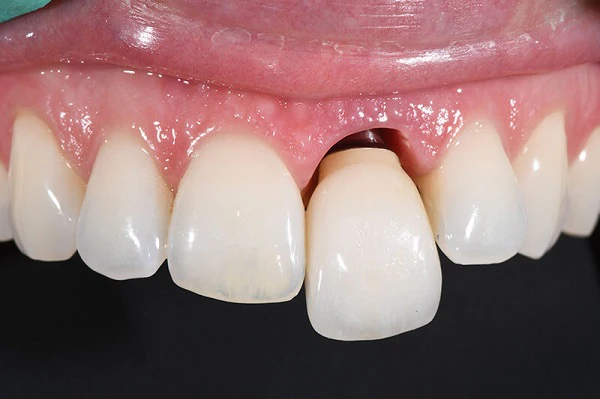
A wobbly smile can be both alarming and intriguing. Loose teeth are more common than people realize, and they can signal a variety of underlying oral conditions. Understanding the causes, potential risks, and ways to monitor dental stability is crucial for anyone experiencing this issue. Whether it’s a temporary looseness or something more chronic, knowing what’s happening beneath the gumline can turn uncertainty into informed awareness.
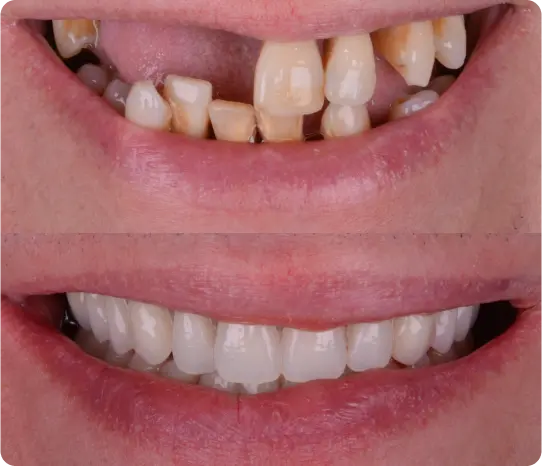
Understanding these factors helps clarify why some people experience loose teeth more frequently or severely than others. Being aware of risk factors can guide preventive measures or monitoring strategies.
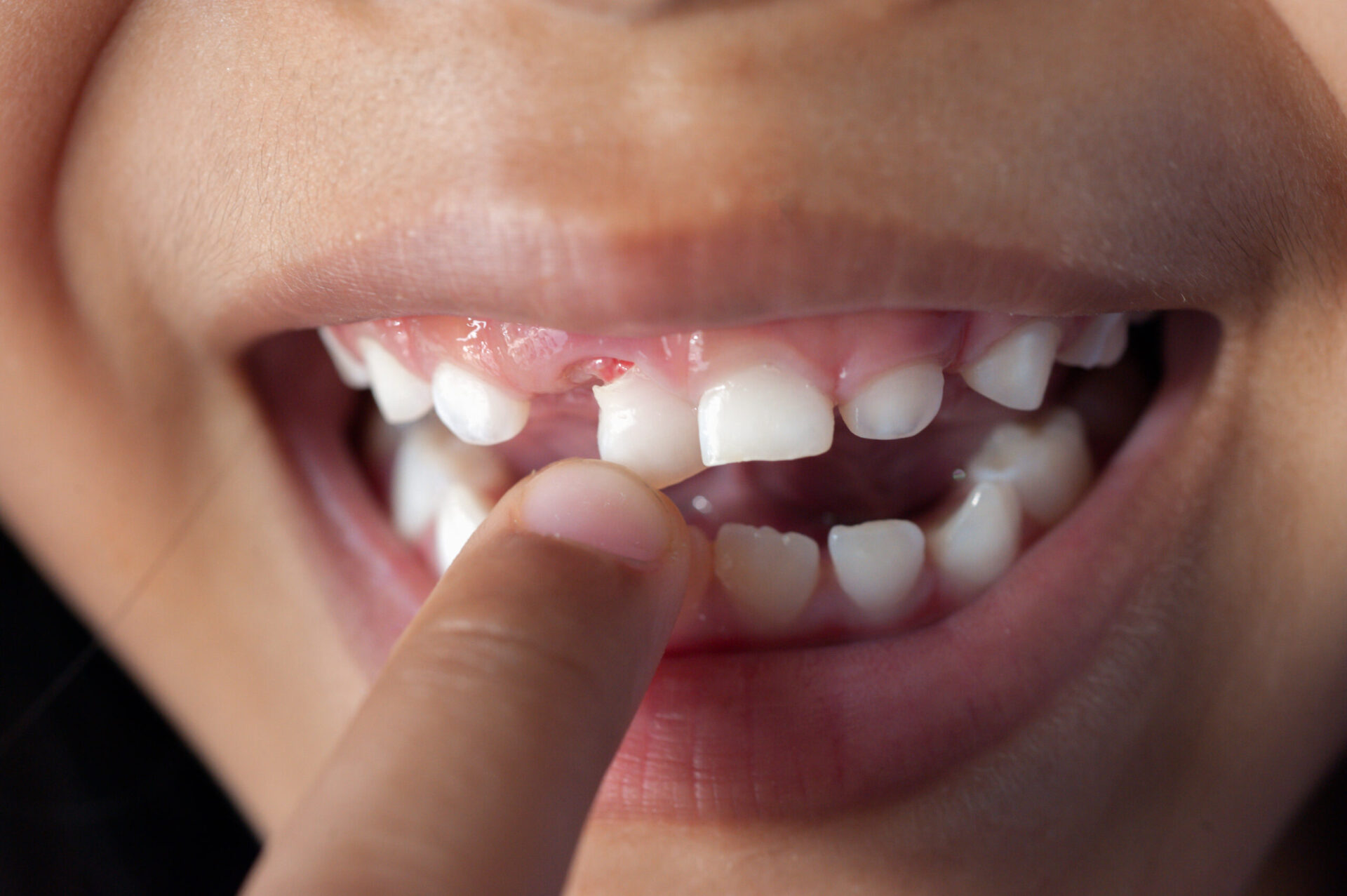
Understanding the Causes of Loose Teeth
Experiencing loose teeth can stem from multiple factors, ranging from natural changes to underlying health issues. One of the most common causes is the natural shedding process in children, but adults can also face this condition due to gum disease, trauma, or even bone density issues. In adults, the loosening of a tooth often indicates that the support structures around it like ligaments and jawbone may be compromised. Studies suggest that periodontal disease is responsible for the majority of adult cases of loose teeth. Chronic inflammation can gradually erode the bone and connective tissue holding the teeth in place. Interestingly, research from the Journal of Periodontology highlights that early detection and consistent monitoring can significantly slow progression, though it rarely reverses damage entirely. This makes understanding the root cause of tooth mobility essential.Temporary vs. Persistent Loose Teeth
Not all instances of loose teeth indicate a serious problem. Temporary looseness can occur after minor dental trauma, orthodontic adjustments, or even during minor infections. These situations often resolve naturally without intervention. On the other hand, persistent tooth mobility may point to more chronic conditions like advanced periodontitis, bruxism (teeth grinding), or systemic diseases affecting bone health. Dental researchers emphasize that the distinction between temporary and persistent loosening is subtle but critical. Persistent looseness can lead to progressive bone loss and eventual tooth loss if underlying causes are not addressed. Analyzing patterns such as which teeth are affected, the severity of movement, and accompanying symptoms like bleeding gums can help determine whether the looseness is transient or a warning sign of something more significant.Risk Factors That Contribute to Loose Teeth
Loose teeth rarely appear without some contributing factors. Common risk elements include poor oral hygiene, smoking, chronic illnesses like diabetes, and even certain medications that affect bone density. Genetic predisposition can also play a surprising role, making some individuals more susceptible to periodontal issues.| Risk Factor | Impact on Dental Stability | Notes |
| Gum disease | High | Chronic inflammation erodes bone |
| Diabetes | Medium-High | Slows healing, increases infection risk |
| Smoking | Medium | Reduces blood flow, worsens gum health |
| Trauma | Variable | Accidental impact can loosen teeth |
| Osteoporosis | Medium | Decreases bone density supporting teeth |
Symptoms Associated with Loose Teeth
Identifying associated signs can reveal whether loose teeth are part of a minor issue or a deeper problem. Common symptoms include gum tenderness, bleeding when brushing, sensitivity to hot or cold, and even shifting tooth alignment. Some people may notice a subtle change in how their bite feels or that a tooth moves more when chewing. Interestingly, research shows that early symptom recognition often precedes significant bone loss. Paying attention to seemingly minor cues like gum recession or slight tooth mobility can give crucial insights into oral health before more invasive issues develop.When to Seek Professional Advice
While temporary loose teeth might not require immediate intervention, persistent mobility usually warrants professional evaluation. Dentists can perform detailed assessments, including X-rays and periodontal probing, to determine the underlying cause. Early consultation can help prevent more severe outcomes, such as infection, advanced bone loss, or the need for extraction. Some people hesitate to seek advice because loose teeth can sometimes feel “normal,” especially in children or during orthodontic treatment. However, ignoring persistent looseness can increase risks and complicate future dental care.At-Home Observations and Monitoring
Monitoring loose teeth at home can provide valuable information for both patients and dental professionals. Simple practices like gently checking tooth mobility, noting changes in gum health, and tracking pain levels can help detect patterns over time. However, care should be taken not to apply excessive pressure, which could worsen the issue. Tips for at-home monitoring:- Use a soft-bristled toothbrush to avoid aggravating sensitive areas.
- Track changes in tooth mobility weekly.
- Observe surrounding gum tissue for swelling or redness.
- Note any bite changes or discomfort during eating.
Nutritional Considerations for Healthy Teeth
Loose teeth are sometimes linked to nutritional deficiencies that affect bone and gum health. Calcium, vitamin D, and phosphorus play a vital role in maintaining strong teeth and jawbones. Studies show that inadequate intake of these nutrients can compromise dental stability and slow healing of gum tissue. Interestingly, some researchers have found that antioxidant-rich foods like leafy greens, berries, and nuts may reduce inflammation in gums, indirectly supporting tooth stability. While diet alone won’t fix loosened teeth, maintaining proper nutrition can strengthen oral structures and support long-term dental health.The Role of Oral Hygiene in Preventing Loose Teeth
Maintaining meticulous oral hygiene is one of the most effective ways to minimize the risk of loose teeth. Brushing twice daily, flossing regularly, and using antiseptic mouthwash can prevent plaque buildup, which is a primary contributor to periodontal disease. Dental studies highlight that consistent oral care can reduce inflammation and slow progression of early gum disease, which is often the first stage leading to tooth mobility. For those already experiencing slight looseness, gentle cleaning routines are recommended to avoid further irritation.
Innovative Treatments and Interventions
When loose teeth become more than a minor concern, modern dentistry offers several interventions. Some approaches aim to stabilize teeth temporarily, such as splinting, where teeth are bonded together to distribute pressure evenly. Advanced treatments may involve bone grafting or guided tissue regeneration for cases with significant bone loss. Emerging research is also exploring regenerative therapies using growth factors and stem cells to promote ligament and bone repair around compromised teeth. While not yet mainstream, these innovations reflect how the field of dentistry continues to evolve in addressing tooth mobility in scientifically fascinating ways.Fun Facts About Teeth Mobility
While loose teeth can be concerning, dental science is full of intriguing facts that make the topic surprisingly fun:- Human teeth are the hardest substance in the body, but the supporting ligaments are flexible enough to allow slight movement.
- In some cultures, children’s wiggly teeth are celebrated with rituals or small gifts, turning a dental event into a memorable milestone.
- Teeth are constantly “remodeled” at the microscopic level, meaning even adult teeth are subject to small shifts over time.
Strategies to Support Tooth Stability
While professional evaluation is critical, there are general strategies people use to support loose teeth:- Maintain a balanced diet rich in calcium, vitamin D, and protein.
- Avoid excessive pressure on wobbly teeth during chewing.
- Use gentle, consistent oral hygiene routines.
- Monitor tooth mobility and gum health regularly.
- Seek professional advice promptly if mobility increases or is accompanied by pain or swelling.
Observing and Understanding Loose Teeth
Loose teeth can spark curiosity, concern, or even anxiety, but observing their patterns and understanding potential causes is key. While some looseness is temporary and harmless, persistent mobility usually reflects deeper oral health issues. By combining careful monitoring, proper nutrition, oral hygiene, and timely professional consultation, individuals can make informed choices about their dental care. Ultimately, the journey of understanding loose teeth is a blend of science, observation, and curiosity. A wobbly tooth is not just a dental concern it’s a reminder of the complex, fascinating ecosystem that keeps our smiles functional and healthy throughout life.Get Your Free Consultation
Have questions? Leave your details and we'll get back to you as soon as possible.
Get Free Consultation