
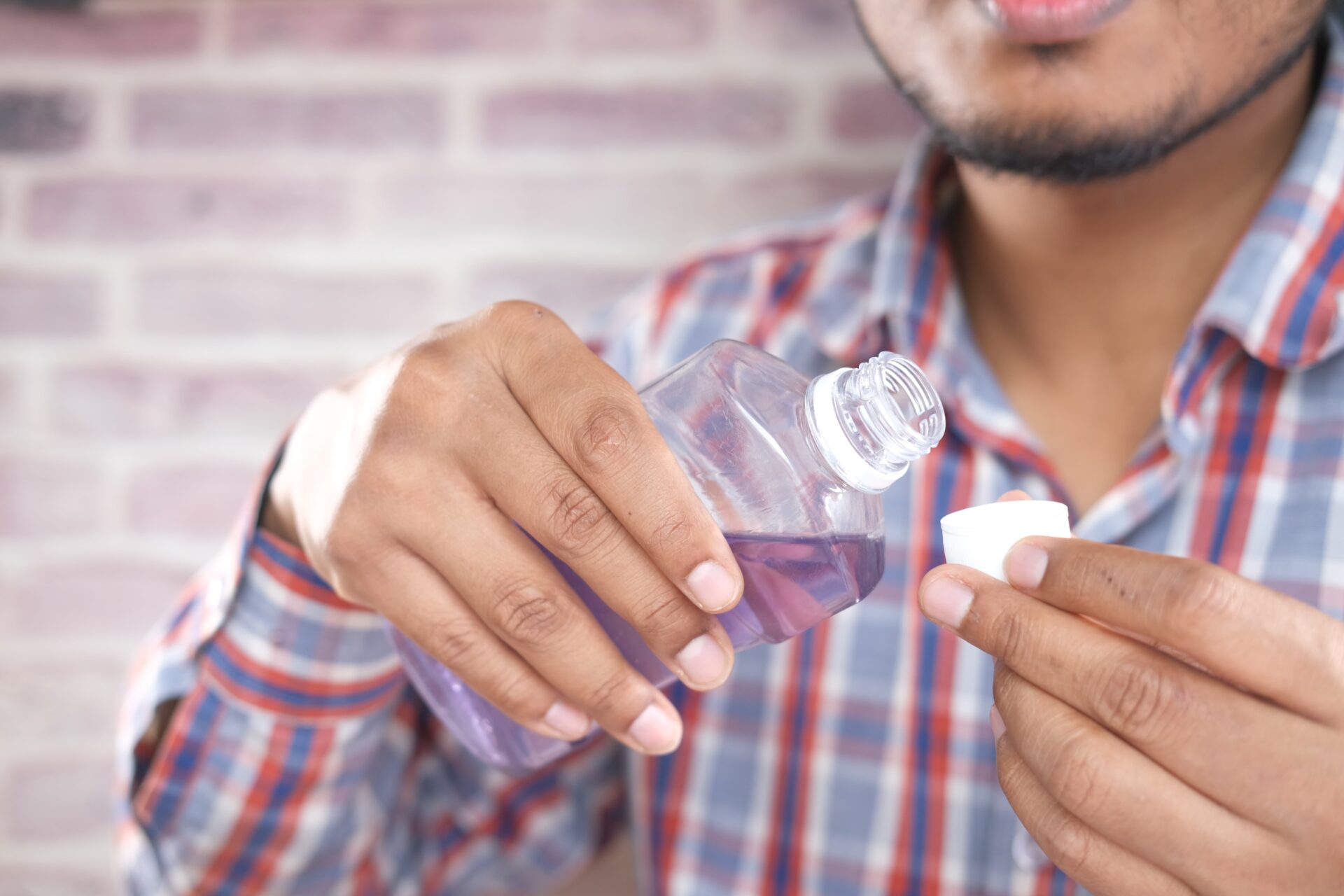
Mouthwash has become a regular part of modern oral hygiene routines. From promises of fresh breath to claims of fighting plaque and bacteria, it is marketed as an essential step after brushing and flossing. But many people still wonder: is mouthwash bad for you? The answer is not simple, because the effects of mouthwashing depend on how, why, and how often it is used. To understand its role, it is necessary to explore its benefits, possible drawbacks, and the many types available, such as mouthwash for bad breath, mouthwash for canker sores, or even mouthwash for tonsil stones.


What Is Mouthwashing About?
At its most basic, mouthwashing means using a liquid solution, also called an oral rinse, to reduce bacteria and refresh the mouth. Historical records show that people rinsed their mouths with herbal or salt-based solutions thousands of years ago. Today, formulas are more complex, often containing alcohol, antiseptics, fluoride, or natural extracts. These mixtures aim to control odor-causing bacteria, soothe sores, or strengthen enamel. When people ask what is mouthwashing about, they are essentially asking what role it plays in oral health. The practice can temporarily reduce halitosis (bad breath), ease irritation from mouth ulcers, or act as an extra barrier against germs. However, the outcome varies depending on the product chosen—whether it is a mouth rinse for canker sores, a mouth rinse for mouth sores, or a general-purpose rinse designed for daily use.Is Mouthwash Good for You or Bad for You?
The debate over whether mouthwash is good for you or not comes down to balance. Used correctly, rinses may help with breath freshness, reduce bacteria, and support dental routines. Some even contain fluoride, which can help strengthen enamel. On the other hand, overuse or misuse may irritate tissues, disrupt the natural oral microbiome, or create a burning sensation. One interesting point is that not all products are designed for the same needs. For instance, an oral rinse for canker sores may have soothing properties, while a halitosis mouthwash focuses mainly on odor control. When someone asks is mouthwash bad for you, the real question should be: “Which formula is being used, and for what purpose?”
Why Does Mouthwash Burn?
Many people experience a sharp stinging or burning feeling while rinsing. This sensation often raises the question: why does mouthwash burn? The answer usually lies in the alcohol content or the presence of antiseptic agents such as chlorhexidine or essential oils. Alcohol helps kill bacteria, but it also dries out tissues, leading to discomfort for some users. Interestingly, not all rinses produce this effect. Alcohol-free versions or those labeled as mouth rinse for canker sores are typically gentler. Burning should not be confused with effectiveness; a strong sting does not always mean the rinse is working better. Instead, it may signal irritation, particularly if used too often or on sensitive tissues.Does Mouthwash Expire?
Like all health products, mouthwash does expire. Most bottles carry a date stamped on the packaging. Expired solutions may lose potency, meaning the antibacterial agents or fluoride may not work as intended. Texture and taste can also change over time. Using expired mouth rinse is generally not harmful, but it may not deliver the benefits expected. For people who stock different formulas—perhaps a mouth rinse for bad breath and a mouth rinse for canker sores—it is worth checking expiration dates before use. This ensures the rinse is not only safe but also effective.How to Use Mouthwash Properly
Understanding how to use mouthwash is key to getting benefits without side effects. Most instructions recommend swishing the rinse around the mouth for 30–60 seconds, making sure it reaches all areas, including between teeth and along the gum line. Spitting it out afterward prevents swallowing any active ingredients that are meant only for topical use. Timing is another consideration. People often wonder: do you use mouthwash before or after brushing? Generally, it is used after brushing to wash away residual debris and provide an extra layer of protection. However, some fluoride rinses may be recommended at a different time to maximize enamel strengthening. If unsure, consulting a dental professional can clarify the best approach for your oral care routine.Mouthwash for Bad Breath
Bad breath, or halitosis, is one of the most common reasons people turn to mouthwash for bad breath. Ingredients like cetylpyridinium chloride or essential oils temporarily reduce odor-causing bacteria. While rinses provide immediate freshness, they do not address underlying causes such as gum disease, dry mouth, or digestive issues. Using a mouth rinse for bad breath alongside regular brushing and flossing enhances effectiveness. For persistent problems, exploring other options like dental implant care or consulting a professional may help manage odor long-term. For specific advice, you can reach out via contact to speak with experts.Mouthwash for Canker Sores
Canker sores can make eating and speaking uncomfortable, and specialized rinses, known as mouthwash for canker sores or mouth rinse for mouth sores, are often used to alleviate symptoms. Ingredients such as saltwater, aloe vera, or mild antiseptics help soothe irritation and may reduce bacterial load around the sore. Regular oral hygiene is still important, but overusing strong antiseptic mouthwashes can sometimes worsen discomfort. People considering oral rinse for canker sores should select products suited for sensitive tissues and follow usage instructions carefully.Mouthwash for Tonsil Stones
Tonsil stones form when debris and bacteria accumulate in the crevices of tonsils. Some rinses, labeled as mouthwash for tonsil stones, can help loosen particles and reduce bacterial presence. Active ingredients are usually antibacterial agents or mild antiseptics, sometimes combined with soothing extracts. Rinsing several times a day may provide temporary relief, but it does not always prevent stone formation. Combining mouthwash use with thorough tongue cleaning and gentle gargling can improve outcomes. Persistent or large stones may require professional attention, making contact with specialists a practical step.Does Mouthwashing Affect Oral Microbiome?
Mouthwashing impacts more than just breath. Regular use of strong antiseptic rinses can alter the oral microbiome—the community of bacteria in the mouth. While this may reduce harmful bacteria, it can also suppress beneficial species that contribute to natural oral defenses. Balancing mouthwash use is crucial. Choosing alcohol-free or targeted rinses and alternating products for different purposes (like a mouth rinse for canker sores versus a halitosis mouthwash) can help maintain microbiome health while still providing the desired benefits.Common Mistakes with Mouthwash
Even though mouthwash seems simple, common mistakes reduce its effectiveness. Some include:- Swallowing the rinse – can lead to ingestion of chemicals not meant for digestion.
- Overusing – excessive daily use can irritate tissues or dry out the mouth.
- Ignoring instructions – different formulas have different recommended times and methods.
- Relying solely on mouthwash – it cannot replace brushing, flossing, or professional care.
Choosing the Right Mouthwash for Your Needs
Not all mouthwash products are created equal. Choosing the right type depends on specific oral health goals. For example, a halitosis mouthwash focuses on odor control, while a mouth rinse for canker sores targets irritation and healing. Alcohol-free formulas are gentler and better suited for sensitive mouths, while fluoride-containing rinses support enamel health. Before selecting a rinse, consider your priorities: fresh breath, sore relief, bacterial control, or cavity prevention. Consulting a dental professional can guide the choice. For people exploring dental implant care, appropriate oral rinses are essential to maintain hygiene around implants and prevent infection. More details can be found via dental implant resources.
Frequency of Mouthwashing
How often one should use mouthwash varies. For general oral hygiene, 1–2 times per day is typical. Overuse may lead to tissue irritation or disrupt the natural oral microbiome. Using a targeted rinse, like a mouth rinse for mouth sores, may be recommended more frequently but only as per product instructions. Timing also matters. Rinsing right after brushing is common, but some fluoride rinses should be used at separate times to allow fluoride to interact with enamel fully. Listening to your mouth’s response and adjusting accordingly is a practical approach.The Role of Mouthwash in Oral Care
While mouthwashing is not a substitute for brushing or flossing, it can complement these routines. By reducing bacterial load, soothing irritation, and freshening breath, it provides an additional layer of protection. Products like mouthwash for bad breath or mouthwash for tonsil stones target specific concerns, making mouth rinses versatile tools in oral health management. However, long-term effectiveness depends on consistency, product selection, and overall hygiene practices. Combining proper brushing, flossing, and selective mouthwash use can optimize oral health without unnecessary risks. So, is mouthwash bad for you? The answer is nuanced. Properly chosen and correctly used rinses offer benefits such as temporary odor control, bacteria reduction, and relief for minor oral irritations. Overuse, inappropriate formulas, or ignoring instructions can lead to dryness, irritation, or microbiome imbalance. In conclusion, mouthwashing is a valuable part of a comprehensive oral hygiene routine when used thoughtfully. Consider your individual needs—whether it’s a mouth rinse for canker sores, a halitosis mouthwash, or general daily rinsing—and adapt your practice accordingly. For personalized guidance or concerns about specific oral health conditions, you can always reach out through contact.Get Your Free Consultation
Have questions? Leave your details and we'll get back to you as soon as possible.
Get Free Consultation