
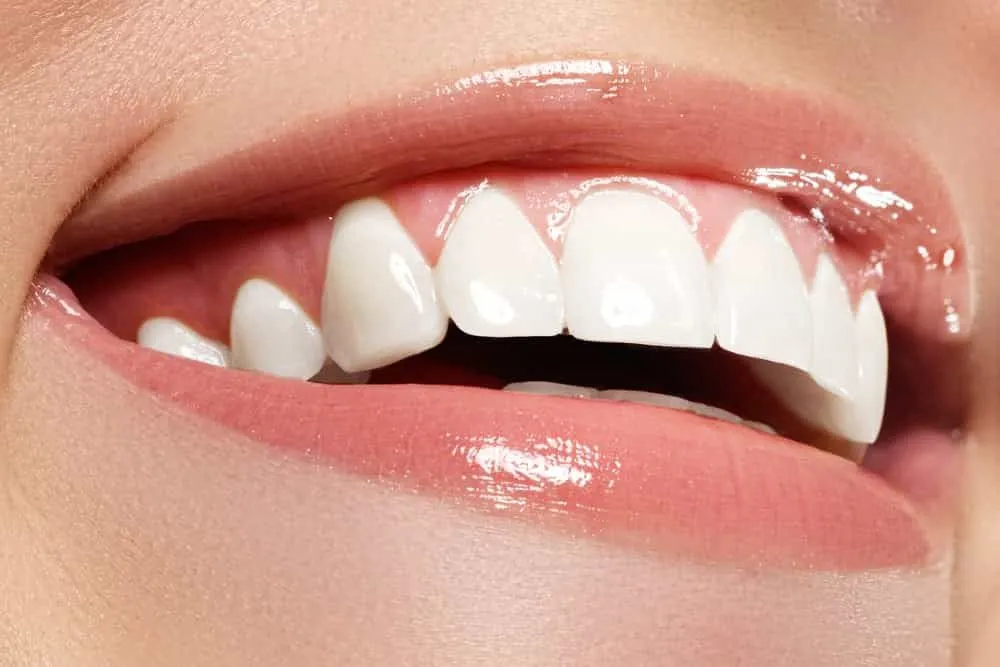
A bright, balanced, camera-ready smile is one of the most searched topics in modern dentistry, and Hollywood Smile is often the phrase people encounter first. Yet many patients still ask a very reasonable question: is a Hollywood Smile simply another name for veneers, or is there more to it? The short answer is that they are related, but they are not exactly the same thing. One is usually a broader smile design concept, while the other is a specific dental treatment option that may or may not be part of that concept.
At ClinicHI, this topic comes up often because smile aesthetics can sound deceptively simple from the outside. A glossy photo on social media may suggest that one treatment transforms everything. In reality, dental appearance is shaped by color, alignment, tooth proportion, gum visibility, bite harmony, lip dynamics, and facial symmetry. That is why comparing Hollywood Smile and veneers requires more than a one-line definition. It requires looking at goals, methods, materials, and expectations in a practical way.
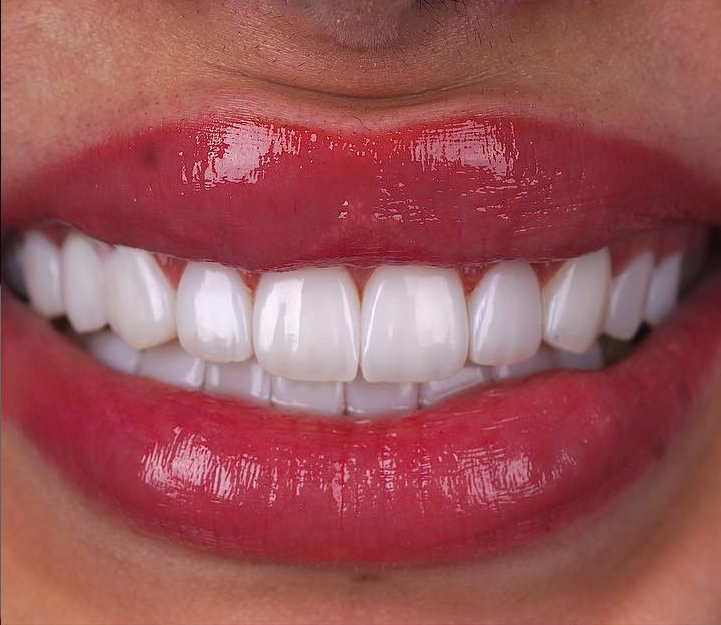
This difference is where many misunderstandings begin. A person may ask for a Hollywood Smile but actually need only whitening and minor contouring. Another may request veneers but benefit more from a broader design approach.
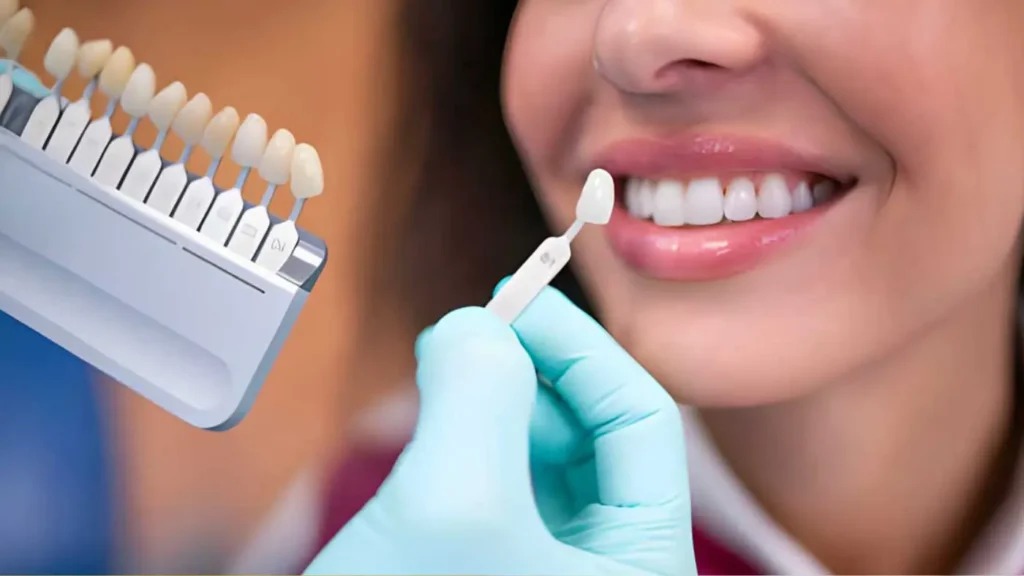 From a scientific perspective, the success of veneers also depends on factors such as enamel quality, occlusion, oral habits, and material selection. Porcelain veneers are often valued for stain resistance and light-reflecting properties, while composite options may offer different practical advantages. The right indication matters more than trend value.
This is why smile design should not be reduced to aesthetics alone. Beauty in dentistry is closely tied to proportion and function. A smile can look beautiful in photographs but still require careful planning to feel balanced in everyday life. In that sense, veneers can support a Hollywood Smile, but they should fit into a coherent design rather than act as a shortcut.
From a scientific perspective, the success of veneers also depends on factors such as enamel quality, occlusion, oral habits, and material selection. Porcelain veneers are often valued for stain resistance and light-reflecting properties, while composite options may offer different practical advantages. The right indication matters more than trend value.
This is why smile design should not be reduced to aesthetics alone. Beauty in dentistry is closely tied to proportion and function. A smile can look beautiful in photographs but still require careful planning to feel balanced in everyday life. In that sense, veneers can support a Hollywood Smile, but they should fit into a coherent design rather than act as a shortcut.
What Does Hollywood Smile Actually Mean?
The term Hollywood Smile is widely used to describe a smile makeover designed for a highly polished, symmetrical, bright, and aesthetically balanced appearance. It is not always the name of one single dental procedure. More often, it describes an end result or a treatment plan that combines several methods to improve the overall look of the teeth and gums. In many cases, a Hollywood Smile may include veneers, but that does not mean veneers and a Hollywood Smile are interchangeable terms. Veneers are thin shells placed on the visible surface of teeth. A smile makeover, by contrast, may include whitening, veneers, crowns, contouring, orthodontic planning, gum reshaping, or restorative work depending on the starting point. Think of veneers as one instrument in an orchestra, while Hollywood Smile refers to the full performance. Another important point is that the ideal smile is not universal. Research in aesthetic dentistry often highlights that smile design is influenced by facial proportions, tooth display, age, lip mobility, and cultural beauty preferences. So while the phrase Hollywood Smile suggests a glamorous standard, modern smile design increasingly aims for personalization rather than a one-size-fits-all look. For some people, the desired result is ultra-white and striking. For others, it is natural, soft, and harmonized with facial features. This is why understanding the term as a treatment concept rather than a fixed product is more accurate.Veneers and Hollywood Smile: The Core Difference
The most useful way to separate these two ideas is simple. Veneers are a treatment. Hollywood Smile is usually a cosmetic smile outcome or treatment strategy. This distinction matters because it affects how people set expectations before choosing any dental procedure. Veneers are typically made from porcelain or composite resin. They are designed to improve the appearance of teeth that may look discolored, slightly uneven, worn, chipped, or mildly misaligned. They work best when the underlying tooth and bite conditions are suitable. In many cosmetic cases, veneers can dramatically enhance the front teeth and contribute to a Hollywood Smile appearance. However, not every Hollywood Smile relies only on veneers. Some smiles need additional planning. If gum asymmetry is the main issue, gum contouring may play a larger role. If tooth crowding is significant, aligners or orthodontic treatment may be discussed first. If several teeth are structurally weakened, crowns may be more appropriate than veneers in certain areas. So while veneers often help create a Hollywood Smile, they are not the whole story. Here is a simple comparison table for clarity:| Feature | Veneers | Hollywood Smile |
|---|---|---|
| Main meaning | A dental restoration or cosmetic covering | A broader smile makeover concept |
| Scope | Usually targets specific visible teeth | May involve several treatments |
| Purpose | Improve shape, color, and minor alignment appearance | Create an overall aesthetic smile design |
| Materials | Porcelain or composite resin | Varies by treatment plan |
| Always includes veneers? | Not applicable | Not always |
| Focus | Individual teeth | Entire smile and facial harmony |
When Veneers Become Part of a Hollywood Smile Plan
Veneers are often central to a Hollywood Smile because they can influence some of the most visible aspects of dental aesthetics. They can change tooth color, refine shape, close small gaps, and create a more uniform smile line. In visual terms, they are highly efficient. That is one reason they are frequently associated with celebrity smiles and digital before-and-after transformations. Still, their role depends on the individual case. If the front teeth are healthy but stained, whitening may be enough. If the teeth are slightly worn or have irregular edges, veneers may be considered as part of a larger design plan. If there are old restorations, bite issues, or gum-related concerns, the path to a Hollywood Smile may involve several stages rather than a single procedure.
From a scientific perspective, the success of veneers also depends on factors such as enamel quality, occlusion, oral habits, and material selection. Porcelain veneers are often valued for stain resistance and light-reflecting properties, while composite options may offer different practical advantages. The right indication matters more than trend value.
This is why smile design should not be reduced to aesthetics alone. Beauty in dentistry is closely tied to proportion and function. A smile can look beautiful in photographs but still require careful planning to feel balanced in everyday life. In that sense, veneers can support a Hollywood Smile, but they should fit into a coherent design rather than act as a shortcut.
Aesthetic Goals: Is Hollywood Smile About Whiteness Alone?
One common myth is that Hollywood Smile simply means very white teeth. In reality, color is only one layer of smile aesthetics. Studies and clinical smile design principles suggest that people tend to perceive smiles as attractive when multiple elements align: tooth shape, symmetry, gum line, incisal edge position, buccal corridor, facial proportion, and natural light reflection. A very bright shade may be part of a Hollywood Smile, but if the teeth look too bulky, too flat, or disconnected from facial features, the result may feel artificial rather than elegant. This is why a well-designed smile often balances brightness with translucency, contour, and anatomy. Teeth are not flat tiles. They interact with light in subtle ways. Veneers can help create this brightness, but color selection is usually more nuanced than choosing the whitest option available. Factors such as skin tone, age, lip line, and personal preference can all influence what looks harmonious. In modern cosmetic dentistry, the trend is gradually shifting from “uniformly white” to “naturally refined.” So if someone asks whether a Hollywood Smile is only about dazzling whiteness, the better answer is no. It is about visual coherence. The best-looking smiles are often the ones that appear effortlessly suited to the person wearing them.Functional Considerations Behind a Hollywood Smile
Although the phrase sounds glamorous, a Hollywood Smile is not only a cosmetic conversation. Any change to the visible front teeth can affect speech, bite comfort, edge length, and lip support. That is why treatment planning often includes an assessment of both appearance and function. For example, if veneers are placed without considering bite dynamics, the smile may look good at first glance but feel less comfortable over time. Similarly, if front teeth are lengthened without evaluating speech sounds, certain phonetic changes may become noticeable. These are not reasons to avoid treatment, but they do show why smile design is more complex than a filter effect. Dental literature often points to the importance of interdisciplinary planning in aesthetic cases. This may include digital smile analysis, mock-ups, photographs, bite evaluation, and material testing. A Hollywood Smile that respects function is usually more sustainable and more believable in daily life. The goal is not only visual transformation but also practical compatibility with chewing, speaking, and facial movement. Veneers may work beautifully in suitable cases, especially when preparation is conservative and the design is carefully tested. But in some situations, other treatments may be discussed because the broader smile plan matters more than choosing the most popular option. In other words, the function of the smile is part of the beauty of the smile.Who May Look Into a Hollywood Smile Instead of Veneers Alone?
People usually consider a Hollywood Smile when they want a comprehensive change rather than a small correction. This may include concerns about multiple issues at the same time, such as discoloration, uneven tooth sizes, worn edges, spacing, or gum asymmetry. A broader treatment concept can sometimes make more sense than focusing on one material alone. Veneers alone may be appealing when the issue is mostly limited to the appearance of several front teeth. But if the smile problem is more complex, a larger design approach may offer a more coherent result. That does not automatically mean more treatment is better. It simply means that the diagnosis should match the goal. Here are situations where a full smile design concept may be explored more often than veneers alone:- Multiple aesthetic concerns are present at once
- The gum line looks uneven when smiling
- Tooth proportions vary significantly
- Existing restorations need integration
- Whitening alone cannot address the issue
- The desired result involves the whole smile, not only a few teeth
Materials, Planning, and Personalization in Hollywood Smile Design
The modern discussion around Hollywood Smile has become more sophisticated because materials and digital planning have evolved. Today, treatment planning may include smile simulations, wax-ups, mock-ups, shade studies, and facial photography. These tools help translate an abstract aesthetic wish into a visual and measurable plan. This matters because not all smiles should be designed the same way. Tooth shape can be softer or more angular. Edge contours can look youthful or mature. Surface texture can affect how natural or polished a tooth appears. Even minor adjustments in width-to-length ratio can dramatically change the smile character. A good Hollywood Smile plan often takes these subtleties seriously. Material choice also influences the final look. Porcelain is often favored for its optical qualities and durability profile, while composite may serve different indications and preferences. Neither material defines the entire concept on its own. The design, preparation approach, and case selection remain central. At ClinicHI, the idea behind a smile makeover discussion is not to turn every smile into the same showroom version. It is to explore how aesthetic dentistry can align with facial expression, individual preference, and practical dental realities. That is one reason the term Hollywood Smile should be understood with nuance rather than as a universal formula.The Real Takeaway: Hollywood Smile Is Broader Than Veneers
By now, the distinction becomes clear. Veneers and Hollywood Smile are closely connected, but they are not identical. Veneers are one possible treatment method. A Hollywood Smile is usually a wider aesthetic objective that may include veneers alongside other procedures, depending on the needs of the smile. The most important takeaway is not which term sounds more attractive, but which concept fits the person’s goals and dental condition. A small aesthetic refinement may need only limited intervention. A full smile redesign may involve a more comprehensive plan. Both approaches can be valuable when they are matched thoughtfully to the individual case. In a world shaped by glossy images and fast conclusions, it is easy to assume that every bright smile comes from the same method. Yet aesthetic dentistry is more layered than that. Smile design blends art, proportion, materials, and clinical judgment. That is why asking whether a Hollywood Smile is the same as veneers is such a useful question. It opens the door to a more informed and realistic understanding. For readers exploring this topic through ClinicHI, the central idea is simple: a beautiful smile is rarely about one label alone. It is about how all the elements work together.Get Your Free Consultation
Have questions? Leave your details and we'll get back to you as soon as possible.
Get Free Consultation