
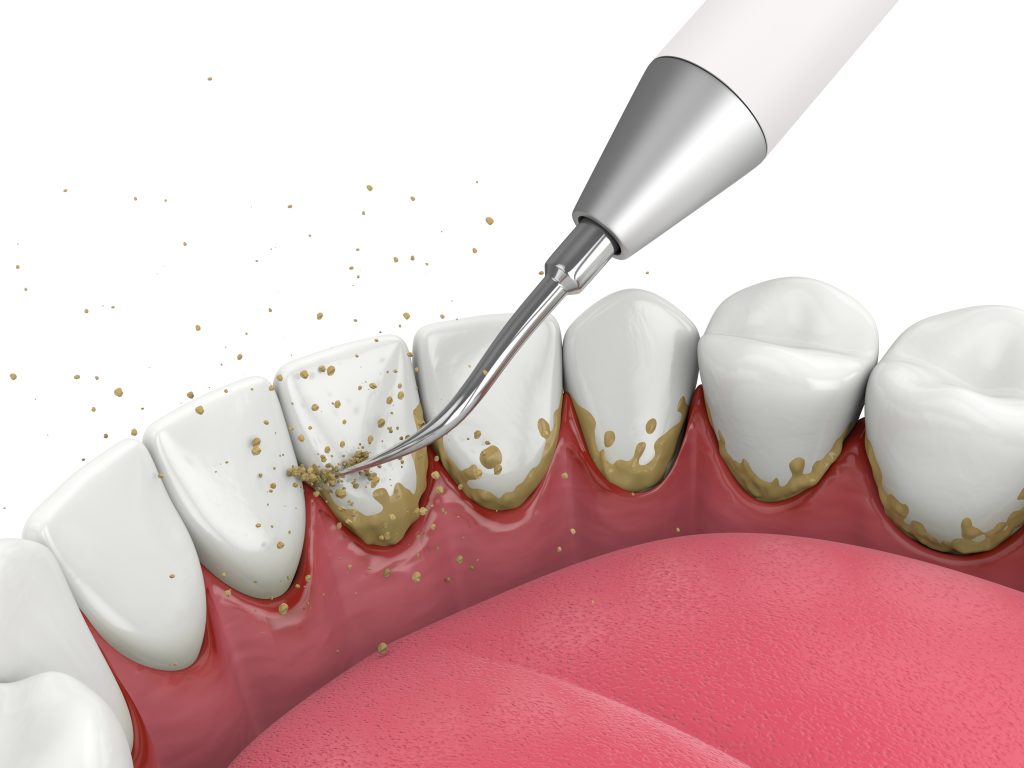
Dental Health is often discussed in terms of brushing habits, flossing routines, or professional cleanings, yet the internal factors shaping oral structures are just as fascinating. Beneath enamel and gum tissue lies a complex biological system influenced by micronutrients that quietly support teeth, saliva, and oral tissues. When people explore Dental Health, they usually focus on visible care, but vitamins and minerals play a subtle, often underestimated role in how the mouth adapts, repairs itself, and maintains balance over time.

 In scientific models of Dental Health, these trace elements are rarely isolated. Instead, they are examined as part of complex biochemical networks. For example, zinc dependent enzymes are present in saliva and oral tissues, linking micronutrient status to local biological activity.
Researchers analyzing Dental Health trends often emphasize balance rather than abundance. Excess or deficiency states are studied for their systemic implications, reinforcing that oral biology reflects broader nutritional and metabolic patterns.
In scientific models of Dental Health, these trace elements are rarely isolated. Instead, they are examined as part of complex biochemical networks. For example, zinc dependent enzymes are present in saliva and oral tissues, linking micronutrient status to local biological activity.
Researchers analyzing Dental Health trends often emphasize balance rather than abundance. Excess or deficiency states are studied for their systemic implications, reinforcing that oral biology reflects broader nutritional and metabolic patterns.
The Biological Foundations of Dental Health and Micronutrients
At a cellular level, Dental Health is shaped by continuous cycles of demineralization and remineralization. Teeth are not static objects. They respond to environmental changes, oral bacteria, and biochemical signals influenced by nutrients circulating in the body. Minerals such as calcium and phosphorus form the structural backbone of enamel, while vitamins participate in cellular signaling and tissue turnover. Scientific literature often highlights that Dental Health reflects systemic processes rather than isolated oral events. Oral tissues share blood supply, immune responses, and metabolic pathways with the rest of the body. This interconnected nature explains why researchers frequently analyze dietary patterns when studying Dental Health trends across populations. Another overlooked aspect of Dental Health is saliva. Saliva acts as a buffer, a transporter of minerals, and a biological defense fluid. Its composition can shift depending on micronutrient availability, influencing how effectively the mouth maintains equilibrium in changing conditions.Calcium, Phosphorus, and Dental Health at the Structural Level
When discussing Dental Health, calcium is often the first mineral mentioned. Teeth enamel contains a crystalline structure primarily composed of calcium and phosphorus compounds. These minerals contribute to hardness, density, and resistance to external challenges. From a scientific standpoint, Dental Health relies on the dynamic availability of these minerals in saliva. Research suggests that mineral balance supports the natural surface stability of teeth. Phosphorus works alongside calcium, forming hydroxyapatite crystals that define enamel architecture. Interestingly, studies comparing populations with different mineral intake patterns often observe variations in enamel characteristics. This does not imply direct causation but highlights how Dental Health is closely linked to mineral metabolism throughout life. Teeth reflect long term biological interactions rather than short term events.Vitamin D and Dental Health Beyond the Surface
Vitamin D frequently appears in discussions about Dental Health, not because it directly builds teeth, but because it influences mineral absorption and utilization. At the biological level, vitamin D regulates how calcium and phosphorus are transported and integrated into mineralized tissues. From a research perspective, Dental Health is influenced by how efficiently the body manages these minerals rather than their presence alone. Vitamin D acts as a mediator, shaping the internal environment in which enamel and dentin develop and maintain their structure. Another angle researchers explore is vitamin D’s interaction with immune pathways in oral tissues. Gums and supporting structures are biologically active, and their response patterns are relevant when analyzing Dental Health holistically. This reinforces the idea that oral science often mirrors broader physiological mechanisms.Vitamin C, Soft Tissues, and Dental Health Integrity
While enamel tends to dominate conversations about Dental Health, soft tissues are equally critical. Gums, periodontal ligaments, and connective tissues rely heavily on collagen synthesis, a process linked to vitamin C at the molecular level. Scientific discussions around Dental Health often reference vitamin C due to its role in maintaining connective tissue integrity. Collagen fibers provide structure and resilience to gums, helping them adapt to mechanical forces and microbial environments. Another aspect worth noting is oxidative balance. Vitamin C participates in antioxidant processes, which researchers associate with cellular stability in oral tissues. This does not define outcomes but offers insight into why micronutrients frequently appear in Dental Health related research frameworks.Magnesium, Zinc, and Trace Elements in Dental Health
Beyond well known nutrients, trace minerals such as magnesium and zinc contribute quietly to Dental Health. Magnesium is involved in mineral metabolism and crystal formation, indirectly influencing enamel characteristics. Zinc, on the other hand, plays roles in enzyme activity and cellular renewal.
In scientific models of Dental Health, these trace elements are rarely isolated. Instead, they are examined as part of complex biochemical networks. For example, zinc dependent enzymes are present in saliva and oral tissues, linking micronutrient status to local biological activity.
Researchers analyzing Dental Health trends often emphasize balance rather than abundance. Excess or deficiency states are studied for their systemic implications, reinforcing that oral biology reflects broader nutritional and metabolic patterns.
B Vitamins and Dental Health at the Cellular Scale
B complex vitamins are essential for cellular energy processes and tissue turnover. In the context of Dental Health, they are discussed for their involvement in mucosal maintenance and cellular regeneration within the oral cavity. Oral tissues renew themselves rapidly compared to many other body systems. Scientific literature connects this regenerative capacity to adequate micronutrient availability, including B vitamins. This connection illustrates how Dental Health can be viewed as a living system rather than a static structure. Another intriguing research angle involves nerve related sensations in the mouth. Since B vitamins are linked to neural function, studies sometimes explore how micronutrient status aligns with sensory experiences connected to Dental Health, adding depth to the topic.Saliva, Micronutrients, and Dental Health Balance
Saliva is often underestimated, yet it plays a central role in Dental Health. It transports minerals, buffers acids, and supports microbial balance. The mineral content of saliva reflects systemic nutrient availability and metabolic regulation. From a research perspective, Dental Health is closely tied to saliva flow and composition. Calcium, phosphate, and trace elements dissolved in saliva contribute to surface interactions on teeth. This dynamic process explains why scientists describe enamel as responsive rather than inert. Saliva also contains enzymes and proteins influenced by micronutrients. These biochemical components are part of why Dental Health research frequently intersects with nutrition science, immunology, and biochemistry.Scientific Perspectives on Dental Health and Nutrient Patterns
Large scale studies examining Dental Health across different regions often identify correlations between dietary patterns and oral characteristics. These findings do not establish direct instructions but offer valuable insights into population level trends. Researchers emphasize that Dental Health cannot be reduced to single nutrients. Instead, it emerges from long term interactions between genetics, environment, oral microbiota, and nutritional patterns. This systems based view aligns with modern biomedical research approaches. What makes Dental Health particularly interesting is its visibility. Teeth and gums offer observable indicators of internal processes, making oral science a unique window into broader physiological dynamics.A Holistic View of Dental Health
Dental Health is more than surface care or isolated routines. It reflects a network of biological interactions shaped by vitamins, minerals, saliva, and cellular processes. Scientific research continues to explore how micronutrients influence enamel structure, gum resilience, and oral equilibrium without reducing these relationships to simple cause and effect. By understanding Dental Health as an integrated system, readers gain a richer perspective on why oral science often overlaps with nutrition, immunology, and metabolism. This holistic view does not replace professional evaluation but deepens curiosity about the intricate design of the human mouth. At ClinicHI, this comprehensive approach to Dental Health aligns with a broader understanding of oral science as part of overall human biology, encouraging informed exploration rather than oversimplified conclusions.Get Your Free Consultation
Have questions? Leave your details and we'll get back to you as soon as possible.
Get Free Consultation