
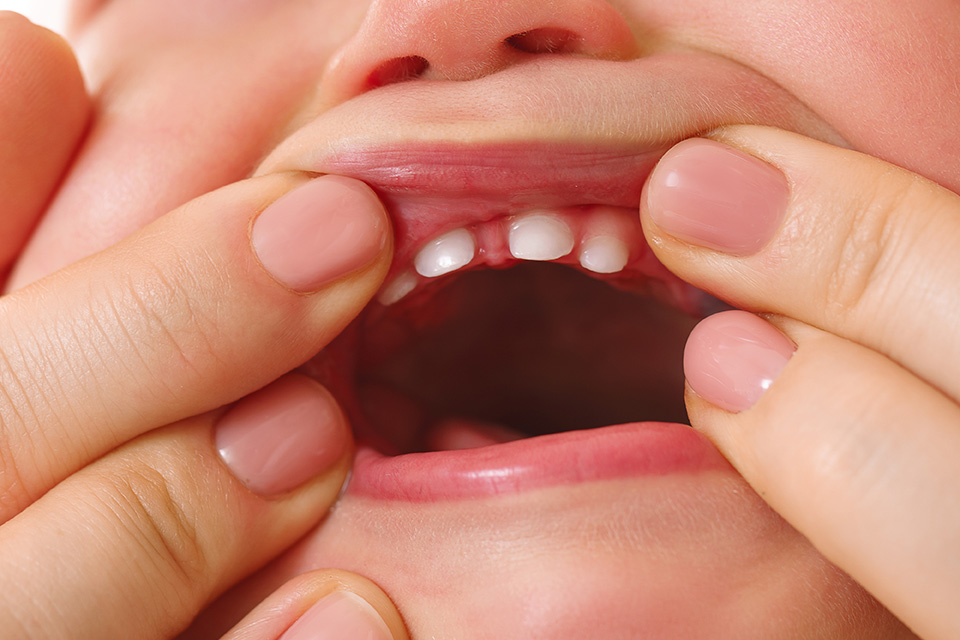
Baby Grinding is a phrase many parents unexpectedly search after noticing subtle sounds or jaw movements during daytime play. In the first months or years of life, behaviors that look unusual often spark concern, curiosity, and a need for understanding. Daytime teeth grinding in babies is one of those behaviors that sits at the intersection of development, exploration, and sensory discovery.
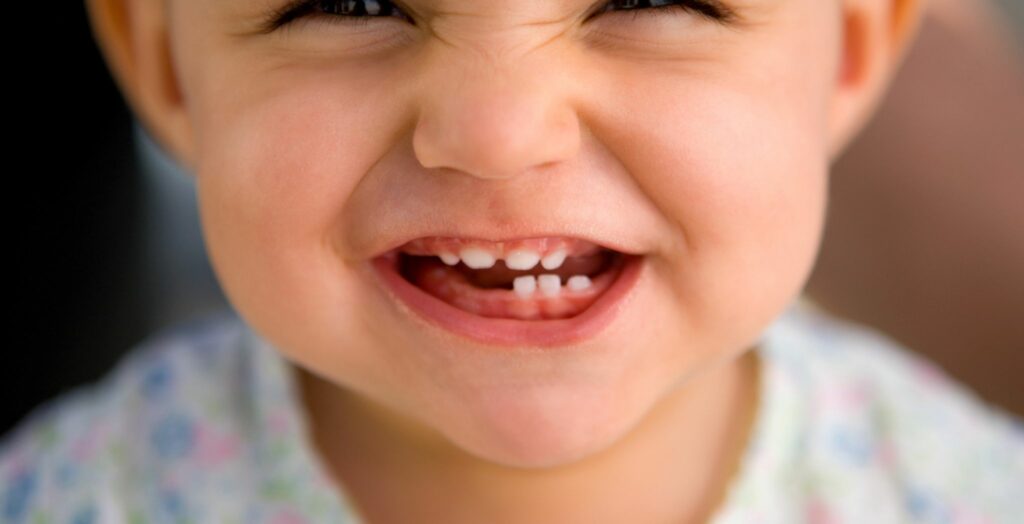
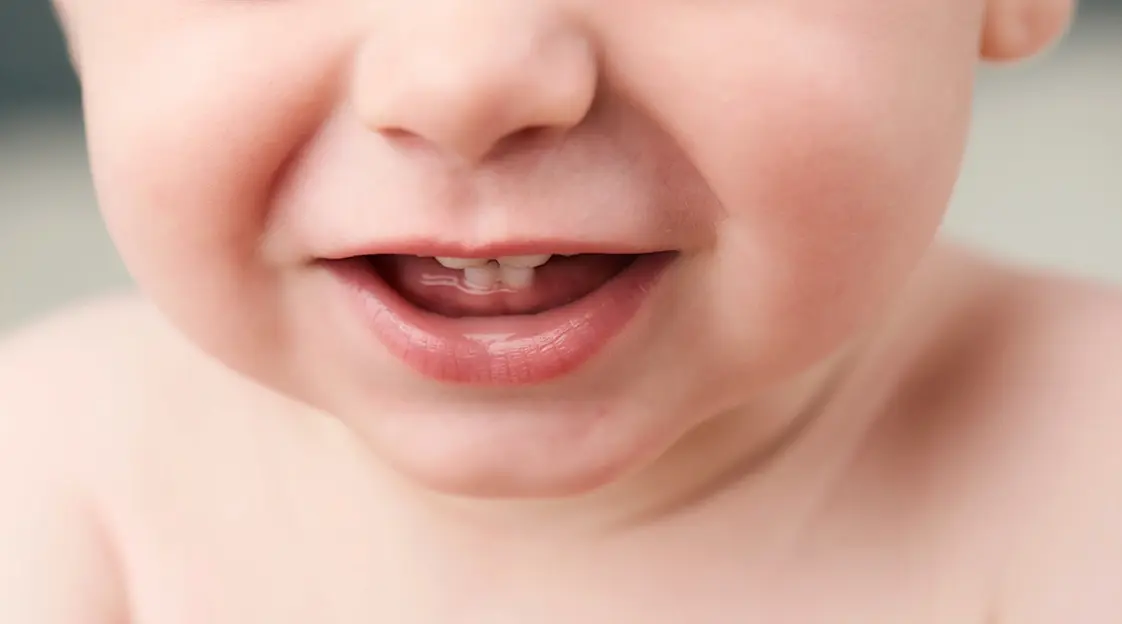
Understanding Baby Grinding as a Developmental Behavior
Baby Grinding during the day is often observed when infants begin exploring their oral environment. Babies experience the world through touch, sound, and movement, and the mouth plays a central role in this process. Research in developmental psychology suggests that repetitive oral movements may be linked to sensory feedback. Jaw motion, tooth contact, and sound production create stimulation that babies can control. From this angle, Baby Grinding may function as a form of experimentation rather than a sign of distress. Another important factor is neuromuscular development. As facial muscles strengthen and coordination improves, babies sometimes repeat movements that feel new or interesting. In this context, Baby Grinding aligns with other repetitive actions like hand clapping or foot tapping.Why Baby Grinding Happens More Often During the Day
Daytime Baby Grinding tends to attract more attention than nighttime grinding because it is visible and audible. During waking hours, babies are exposed to stimuli that may influence repetitive behaviors. Environmental stimulation plays a role here. Bright colors, sounds, and interactions can lead to heightened arousal. Some observational studies note that Baby Grinding may appear during moments of excitement, concentration, or boredom. There is also the social aspect. Babies often repeat behaviors that trigger reactions. If a grinding sound leads to eye contact or verbal responses, it may unintentionally reinforce Baby Grinding as a communicative act.The Role of Teething in Baby Grinding
Teething is frequently discussed in connection with Baby Grinding, though the relationship is not always straightforward. As teeth emerge, sensations in the gums change, and babies may respond by moving their jaws. Scientific literature describes teething as a period of sensory adjustment. Pressure, discomfort, and curiosity coexist. In that sense, Baby Grinding can be interpreted as a way to explore new dental surfaces and sensations. However, not all babies who grind are teething, and not all teething babies grind. This variability highlights why Baby Grinding should be viewed as a multifactorial behavior rather than tied to a single cause.Sensory Processing and Baby Grinding
Sensory processing theory offers another lens for understanding Baby Grinding. Babies differ in how they process tactile and auditory input. Some seek stimulation, while others avoid it. In sensory-seeking infants, Baby Grinding may provide rhythmic feedback through sound and vibration. The jaw muscles and auditory system work together, creating a loop of stimulation that can feel regulating. From this perspective, Baby Grinding is not random. It reflects how an individual baby interacts with their sensory world. Studies in early childhood development emphasize that such behaviors often shift naturally as sensory systems mature.Social Learning and Imitation in Baby Grinding
Babies are exceptional imitators. They observe facial expressions, mouth movements, and sounds made by caregivers. In some cases, Baby Grinding may be linked to imitation or experimentation with sound. Language development research shows that oral movements are closely tied to early communication. Before words emerge, babies practice controlling their mouths. Baby Grinding may occur alongside babbling, lip smacking, or tongue movements. This connection suggests that Baby Grinding can be part of a broader pattern of oral-motor exploration. It is less about teeth specifically and more about mastering movement and sound.When Baby Grinding Draws Attention in Research
Academic interest in Baby Grinding often appears within broader studies on bruxism, oral habits, or infant development. While most research focuses on older children, some findings are relevant to infants. Population-based observations indicate that early grinding behaviors often diminish without intervention. Researchers frequently describe them as transient. This reinforces the idea that Baby Grinding exists on a spectrum of normal behaviors. Importantly, scientific writing avoids framing Baby Grinding as inherently harmful in infancy. Instead, it is discussed in terms of frequency, context, and developmental stage.Environmental Factors Linked to Baby Grinding
The daily environment can influence repetitive behaviors, including Baby Grinding. Changes in routine, stimulation levels, or social interaction may coincide with increased observation of grinding. For example, some parents report noticing Baby Grinding during car rides, high-chair time, or focused play. These are moments when movement is limited, and sensory input is concentrated. Environmental psychology suggests that such settings may encourage self-generated stimulation. In this framework, Baby Grinding becomes one of several strategies babies use to engage with their surroundings.
Long-Term Perspectives on Baby Grinding
Looking at Baby Grinding through a long-term lens helps balance concern with perspective. Longitudinal observations indicate that many early oral habits fade as children develop alternative ways to explore and communicate. As speech, fine motor skills, and emotional expression expand, reliance on repetitive oral movements often decreases. Baby Grinding may simply lose its appeal. This gradual shift underscores why researchers emphasize observation over assumption. Understanding patterns over time provides more insight than focusing on isolated moments of Baby Grinding.How Experts Frame Baby Grinding Without Giving Advice
Professional literature is careful in its language around Baby Grinding. Rather than prescribing actions, experts describe frameworks for understanding behavior. Pediatric dentistry, developmental psychology, and neuroscience intersect on this topic. Across these fields, Baby Grinding is typically contextualized within growth, adaptation, and learning. This neutral framing helps parents and caregivers interpret what they see without jumping to conclusions. It positions Baby Grinding as information, not instruction.Final Thoughts on Baby Grinding
Baby Grinding during the day can feel puzzling at first, especially when it appears suddenly or repeatedly. Yet when viewed through developmental science, sensory theory, and observational research, it often fits naturally into the story of early growth. Rather than a single explanation, Baby Grinding reflects a combination of exploration, sensory feedback, and learning. Each baby expresses these processes differently, which is why experiences vary so widely. Content like this exists to inform, not to diagnose or direct. By understanding the broader context of Baby Grinding, parents can replace uncertainty with knowledge and curiosity.Get Your Free Consultation
Have questions? Leave your details and we'll get back to you as soon as possible.
Get Free Consultation