
Acid Erosion is one of those dental topics that sounds technical but touches daily life more than most people realize. From the first sip of a citrus drink in the morning to late night snacks, the modern lifestyle constantly exposes teeth to acidic environments. Acid Erosion refers to the gradual loss of tooth enamel caused by repeated contact with acids that are not related to bacteria. Unlike cavities, this process is silent, slow, and often unnoticed until visible changes appear.
Understanding Acid Erosion and Enamel Damage
Acid Erosion begins at the microscopic level. Tooth enamel, although the hardest substance in the human body, is not alive and cannot regenerate. When acids come into contact with enamel, they lower the pH in the oral environment, triggering mineral loss from the tooth surface. Over time, repeated exposure accelerates this process. Scientific observations show that Acid Erosion does not act alone. Saliva composition, enamel thickness, and individual dietary habits all interact in complex ways. Some studies highlight that enamel softening can begin within minutes of acid exposure, long before any visible damage occurs. Researchers also note that Acid Erosion differs fundamentally from decay caused by bacteria. There is no microbial invasion involved. This distinction makes the condition particularly interesting for dental science, as traditional indicators of oral disease may not apply.Dietary Acids and Acid Erosion in Daily Life
Diet plays a central role in the conversation around Acid Erosion. Fruits, beverages, and processed foods often contain acids that interact directly with enamel. However, it is not just what is consumed, but how and when. Observational data suggest that sipping acidic drinks over extended periods creates a prolonged low pH environment. This pattern increases the likelihood of Acid Erosion compared to short, infrequent exposure. Temperature, frequency, and combination with other foods also influence the erosive potential. Interestingly, some nutritional studies emphasize that foods considered healthy may still contribute to Acid Erosion under certain conditions. This duality highlights why the topic cannot be reduced to simple good or bad food categories.Acid Erosion and Saliva Interaction
Saliva is often described as the unsung hero in oral biology. Its buffering capacity plays a crucial role in neutralizing acids and supporting enamel remineralization. In the context of Acid Erosion, saliva acts as both a protective and diagnostic factor. Research indicates that individuals with reduced salivary flow may experience more pronounced Acid Erosion patterns. The balance between acid attacks and saliva recovery time determines whether enamel has a chance to stabilize. From a scientific perspective, saliva composition varies widely among individuals. Proteins, minerals, and enzymes within saliva influence how enamel responds after acid exposure. This variability explains why Acid Erosion progresses differently from person to person.Behavioral Factors Linked to Acid Erosion
Beyond diet, daily behaviors significantly shape the trajectory of Acid Erosion. Habits related to oral hygiene timing, hydration, and even stress levels can influence enamel resilience. Studies examining lifestyle patterns suggest that brushing immediately after acid exposure may interact with softened enamel surfaces. While this does not cause Acid Erosion by itself, it can affect how erosion manifests over time. Sleep patterns and mouth breathing have also been associated with changes in oral pH dynamics. These subtle factors contribute to the broader picture of Acid Erosion, reminding researchers that the condition is multifactorial rather than isolated.Clinical Signs Observed in Acid Erosion Cases
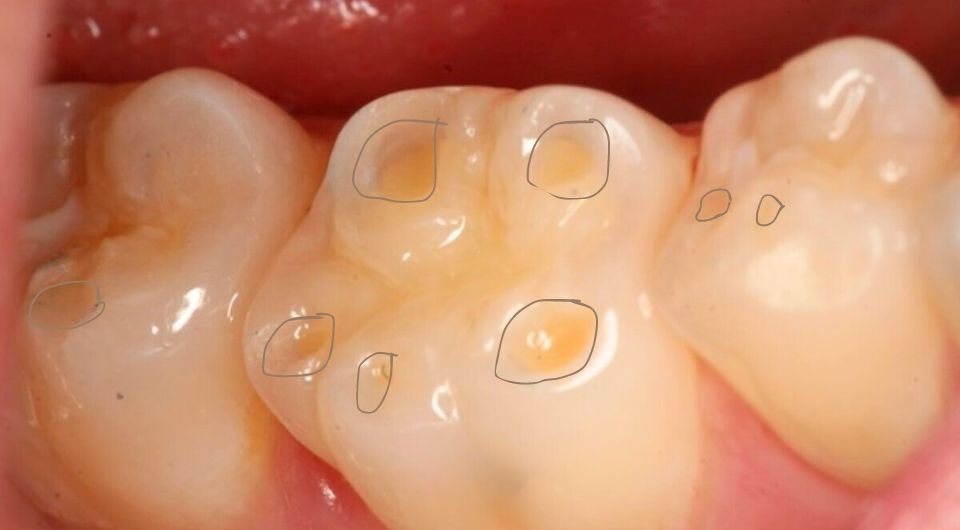
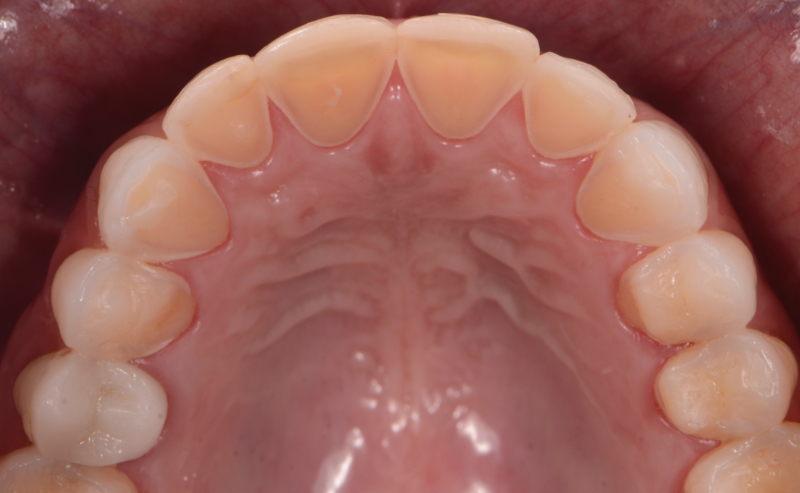
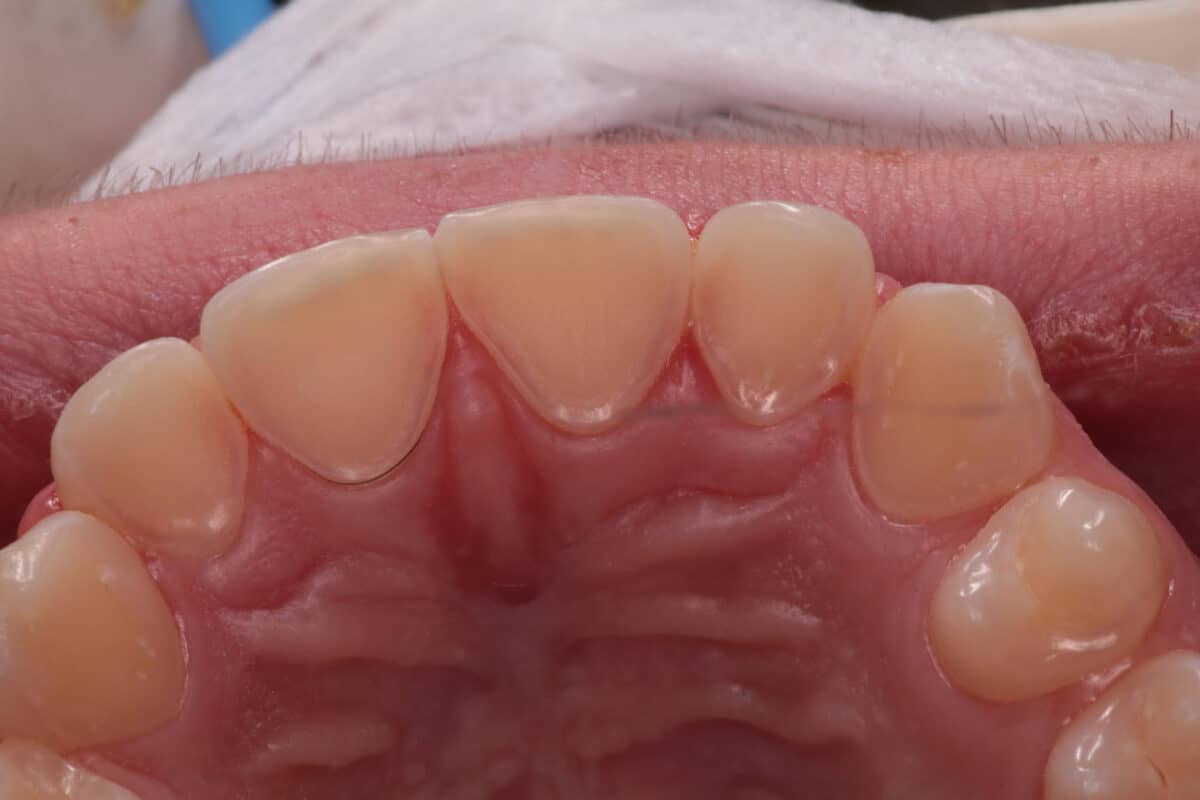
In clinical literature, Acid Erosion presents with distinctive visual and structural features. Early stages often involve a smooth, silky appearance of enamel, followed by increased translucency at the tooth edges. As Acid Erosion advances, changes in tooth shape and surface texture become more noticeable. Cusps may appear rounded, and enamel thickness decreases gradually. These signs are often symmetrical, which helps differentiate erosion from other forms of tooth wear. From an analytical standpoint, dental professionals rely on pattern recognition rather than single indicators. The distribution and progression of Acid Erosion offer valuable insights into underlying causes.
Research Insights on Acid Erosion Progression
Scientific research on Acid Erosion has expanded significantly over the last decade. Laboratory models simulate acidic challenges to measure enamel hardness, mineral loss, and surface changes. Longitudinal studies suggest that Acid Erosion is cumulative. Small, repeated exposures create more impact than isolated events. This finding reshaped how researchers evaluate risk, shifting focus toward frequency and duration rather than intensity alone. Advanced imaging techniques now allow for non invasive monitoring of enamel changes. These developments deepen understanding of Acid Erosion and contribute to more nuanced educational approaches within dentistry.Materials Science and Acid Erosion Resistance
Another fascinating dimension of Acid Erosion lies in materials science. Researchers investigate how enamel composition and crystal orientation influence resistance to acidic environments. Comparative analyses reveal that enamel is not uniform across the tooth surface. Variations in mineral density affect how Acid Erosion progresses in different regions. This explains why certain areas show wear earlier than others. Insights from this field also influence restorative dentistry, where materials are evaluated for their interaction with erosive conditions. The science of Acid Erosion thus bridges biology and engineering in compelling ways.The Broader Impact of Acid Erosion on Oral Health
While Acid Erosion primarily affects enamel, its implications extend further. Changes in tooth structure can alter bite dynamics, aesthetics, and sensitivity perception. From a holistic viewpoint, Acid Erosion interacts with other forms of tooth wear such as attrition and abrasion. Understanding these interactions helps contextualize erosion within the broader oral health landscape. Public health discussions increasingly recognize Acid Erosion as a lifestyle associated condition. This framing encourages awareness without attributing blame, aligning with modern preventive health communication principles. Acid Erosion represents a subtle yet significant aspect of dental science. It is shaped by chemistry, biology, behavior, and time. Through scientific observation and ongoing research, Acid Erosion continues to reveal how everyday habits influence long term oral outcomes. This guide by ClinicHI aimed to explore the topic with depth, balance, and curiosity, offering readers a comprehensive understanding without oversimplification. As research evolves, so too will the way Acid Erosion is perceived, studied, and discussed.Get Your Free Consultation
Have questions? Leave your details and we'll get back to you as soon as possible.
Get Free Consultation