
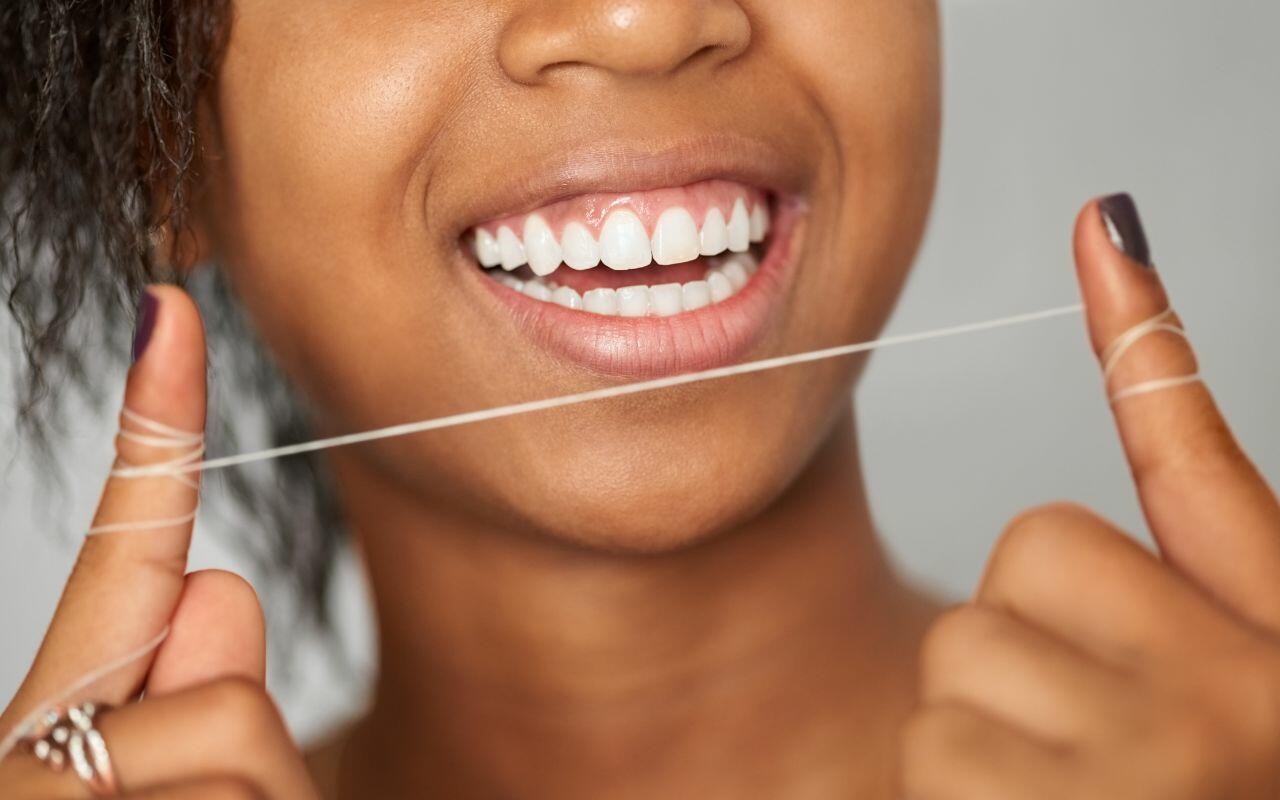
Many people underestimate how essential Dental Floss is in a daily oral care routine. Brushing alone reaches only a portion of the tooth surface, which means hidden debris can remain trapped between teeth. Over time, these particles combine with natural bacteria and form a sticky layer that slowly hardens. Understanding how flossing fits into long term oral wellness helps you develop a healthier and more complete cleaning habit.
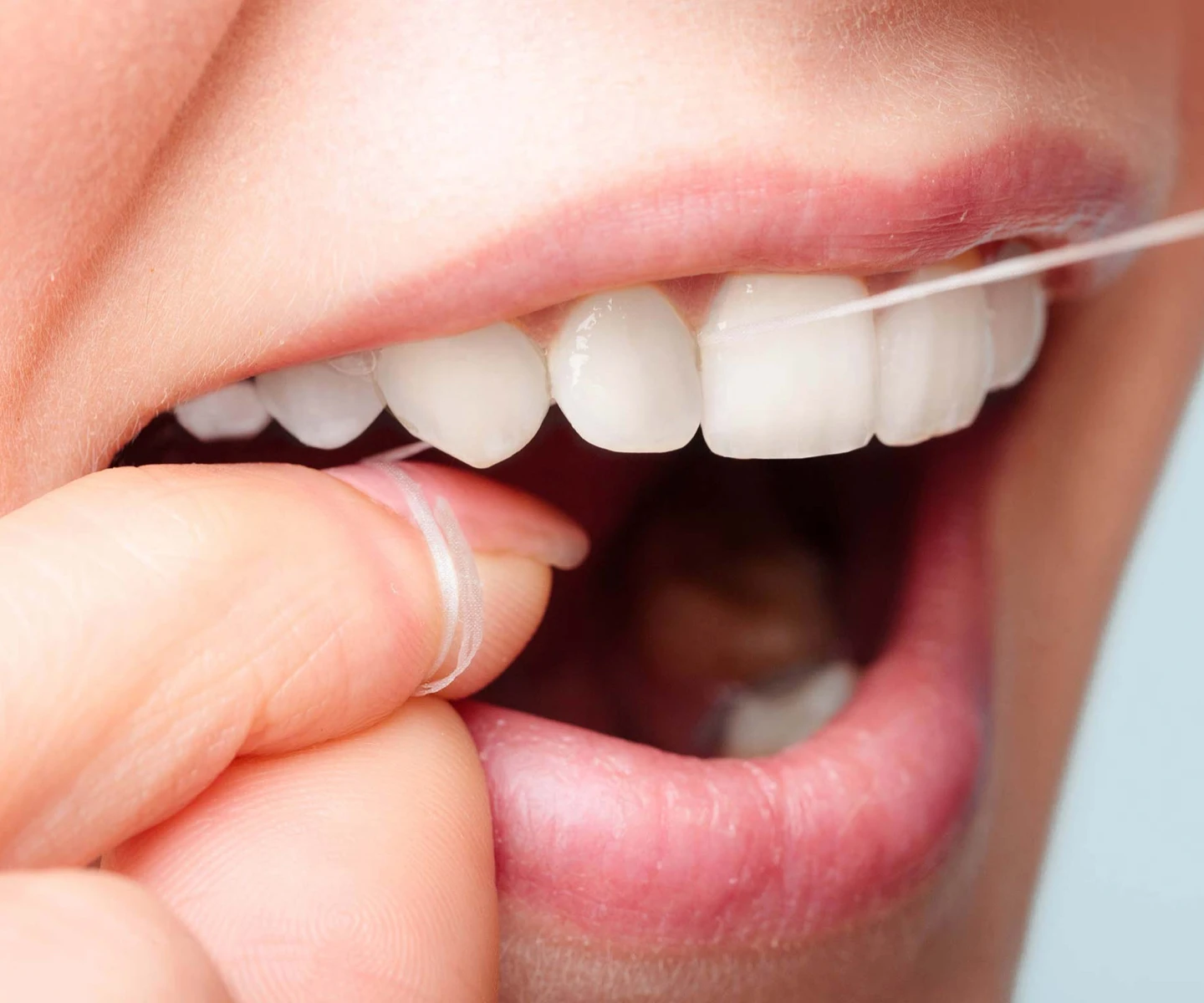
Several reports also note that individuals who use both brushing and flossing consistently tend to experience fewer issues with trapped debris. This shows how flossing strengthens the overall routine through consistent mechanical contact.
The Role of Dental Floss in Daily Oral Hygiene
The importance of Dental Floss becomes clearer when you look at the structure of the mouth. Toothbrush bristles can reach broad surfaces but often fail to penetrate narrow spaces between teeth. These tight gaps collect food particles, sugars, and plaque that remain untouched unless a physical cleaning tool enters the space. Because floss slides into these hidden regions, it disrupts the soft film that would otherwise build into a more stubborn layer. Some clinical observations suggest that people who add flossing to brushing tend to show cleaner interdental areas, even when factors like diet or smoking differ. This makes flossing a foundational part of hygiene, not simply an extra step. Two main effects stand out. First, flossing reduces the accumulation of debris. Second, it encourages gentle stimulation of the gumline. Together these benefits support a more stable oral environment without relying on aggressive methods.Why Dental Floss Works Better Than Brushing Alone
It is natural to think brushing is enough, but Dental Floss challenges that idea. While brushing relies on surface contact and toothpaste chemistry, flossing depends on direct friction across hard to reach areas. This creates a more thorough mechanical removal of unwanted residue. The fibers of the floss glide along the tooth surface and detach particles that brushing simply cannot reach. When the process is paired with regular brushing, the two methods complement each other and expand the cleaning range. The result is a more complete hygiene routine that limits buildup in areas susceptible to discoloration or discomfort. Below is a simple comparison to illustrate the difference:Brushing vs Dental Floss Comparison
| Feature | Brushing Only | Brushing with Dental Floss |
| Interdental Cleaning | Low | High |
| Plaque Removal | Moderate | High |
| Gumline Stimulation | Medium | Balanced |
| Particle Reach | Limited | Wide |
Understanding Different Types of Dental Floss
There are multiple forms of Dental Floss available, each designed to address different needs. Tooth spacing, gum sensitivity, and personal comfort often shape the choice. Common options include waxed floss, unwaxed floss, expanding sponge like floss, and flat ribbon style floss. Waxed floss has a smooth surface that helps users with tight tooth spacing. Unwaxed floss provides stronger tactile feedback against the tooth surface. Expanding floss increases its volume between the teeth, which can be helpful for irregular spacing. Ribbon floss offers a broad contact area and is easy to guide between wider gaps. Because every mouth is unique, many people try several types before they find one that feels natural. When comfort improves, flossing becomes easier to integrate into a long term routine. User experiences often highlight that the right texture makes the habit more sustainable.How to Use Dental Floss Safely and Effectively
Correct technique is essential because improper flossing can cause temporary irritation. The goal of Dental Floss is not to apply force but to glide along the tooth surface in a controlled motion. Floss should be wrapped securely around the fingers, creating enough tension to maneuver it without slipping. The floss slides gently between the teeth and then curves into a C shape around the side of the tooth. This shape allows the floss to contact more of the surface as it moves up and down. Excess pressure should be avoided because gums can be sensitive to sharp movements. Some observational studies note that learning the right technique improves efficiency by helping the floss reach the full height of the tooth surface. People with tighter spaces can move the floss slightly forward and backward to ease it through. After a short period of practice, technique becomes smooth and natural.The Science Behind Dental Floss and Interdental Surfaces
The benefit of Dental Floss becomes more convincing when you understand how interdental surfaces behave. These narrow zones tend to trap microscopic food particles that blend with natural saliva proteins. This mixture forms a biofilm that adheres tightly to enamel. Even vigorous brushing often leaves this hidden layer untouched. Flossing adds a direct mechanical action that breaks this biofilm before it matures. The fibers sweep along the enamel in a more controlled motion than toothbrush bristles, particularly in the tightest areas. Some research reviews point out that flossing alters the surface environment by reducing the conditions that allow biofilm to accumulate again quickly. This makes flossing a preventive step rather than a corrective one. Another interesting observation is the role of pressure distribution. While brushing applies broader pressure across visible surfaces, flossing concentrates force in narrow lines of contact. This targeted contact increases the chance of removing early buildup before it becomes a harder deposit.
How Dental Floss Influences Gum Health Over Time
Gums respond to subtle environmental changes more than most people realize. When Dental Floss moves gently along the gumline, it provides light stimulation that helps maintain the natural integrity of the tissue. The goal is not to scrape or irritate the gums but to encourage consistent contact that supports a healthier oral environment. A variety of long term observations highlight an interesting pattern. Individuals who combine brushing with flossing often show more stable gum contours. This does not mean flossing cures issues or serves as a medical intervention. Instead, the habit discourages the conditions that usually trigger discomfort or swelling. This interaction can be explained by the reduction of hidden residues. When fewer particles remain in interdental spaces, gums are less exposed to irritation. Some practitioners note that people who floss regularly adapt to the sensation and report fewer signs of tenderness over time. This gradual adaptation helps maintain comfort, especially in people who initially find flossing unfamiliar.Are Water Flossers a Substitute for Dental Floss
Many people wonder whether water based cleaning devices can replace traditional Dental Floss. Water flossers use a pressurized stream to loosen debris between teeth. They are often recommended for individuals with braces or dental bridges because the stream reaches areas where physical floss can be difficult to maneuver. However, water flossers and traditional floss serve slightly different purposes. Water flossers excel at flushing away loose particles and rinsing the gumline. Traditional floss excels at scraping the tooth surface where plaque adheres tightly. The mechanical friction produced by the fibers creates a cleaning effect that water pressure cannot replicate with the same precision. Most comparative reports suggest that both methods can complement each other depending on the user’s needs. Water flossers add convenience, while traditional floss adds surface contact. Using both can create a more well rounded routine, though many people prefer starting with the one that feels easiest to maintain.The Psychological Side of Building a Flossing Habit
One of the most overlooked aspects of Dental Floss is the psychology behind forming the habit. People often skip flossing not because it is difficult but because it feels like an extra step added to an already busy routine. Yet habits form through repetition and emotional association rather than difficulty levels. Research on behavioral patterns suggests that attaching flossing to an existing habit improves consistency. For example, placing floss next to the toothbrush increases the likelihood of use because it reduces mental effort. Some users also find that timing plays a role. Flossing before brushing can make the process feel more intentional, while flossing after brushing can feel like the final touch. Small adjustments often influence long term consistency. Reducing the time expectation to just a few seconds per tooth makes the routine feel manageable. Once people experience the clean sensation after flossing, this sensory feedback often becomes a motivational factor.How Dental Floss Supports Long Term Oral Care Strategies
Understanding how Dental Floss fits into long term oral care strategies helps clarify why so many professionals emphasize interdental cleaning. Long term routines rely on consistency rather than intensity. Daily flossing does not need to be forceful to be effective. Instead, it needs to reach surfaces that brushing routinely misses. One of the most interesting insights from oral care studies is that flossing influences the microbial balance in interdental spaces. When these areas remain undisturbed, microorganisms multiply freely and generate a thicker layer over time. When floss disrupts this layer regularly, it alters the environment in ways that encourage cleaner surfaces and fresher breath. Interdental cleaning also supports a more comfortable chewing experience. Food particles that remain trapped for long periods often create pressure or sensitivity. By keeping these areas clear, daily routines feel smoother and more natural. These subtle changes build up to larger improvements in overall comfort.The Link Between Dental Floss and Everyday Comfort
The role of Dental Floss is not limited to hygiene. It also affects how the mouth feels throughout the day. People who floss consistently often describe a lighter sensation between teeth, as if the surfaces are less crowded. This feedback can be explained by reduced buildup and increased airflow through interdental zones. Comfort also improves when teeth maintain cleaner contact surfaces. Sticky textures or trapped particles can influence how saliva moves, how breath smells, and how the mouth feels during meals. When floss reduces these issues, the experience of eating becomes more pleasant. Another small but interesting observation is related to texture awareness. People who floss regularly tend to develop a more accurate sense of when something feels stuck between their teeth. This awareness helps them respond faster and maintain a more consistent routine.How to Choose the Right Dental Floss for Your Needs
With so many Dental Floss options available, finding the right one requires a combination of preference and trial. Texture, thickness, coating, and flexibility all influence the experience. Some people prefer a smooth glide, while others prefer a floss that provides more tactile feedback. Here are a few considerations that often guide selection:- Tooth spacing Tight spacing benefits from waxed or flatter floss types that pass through easily.
- Sensitivity level Softer or expanding floss can reduce discomfort for sensitive gums.
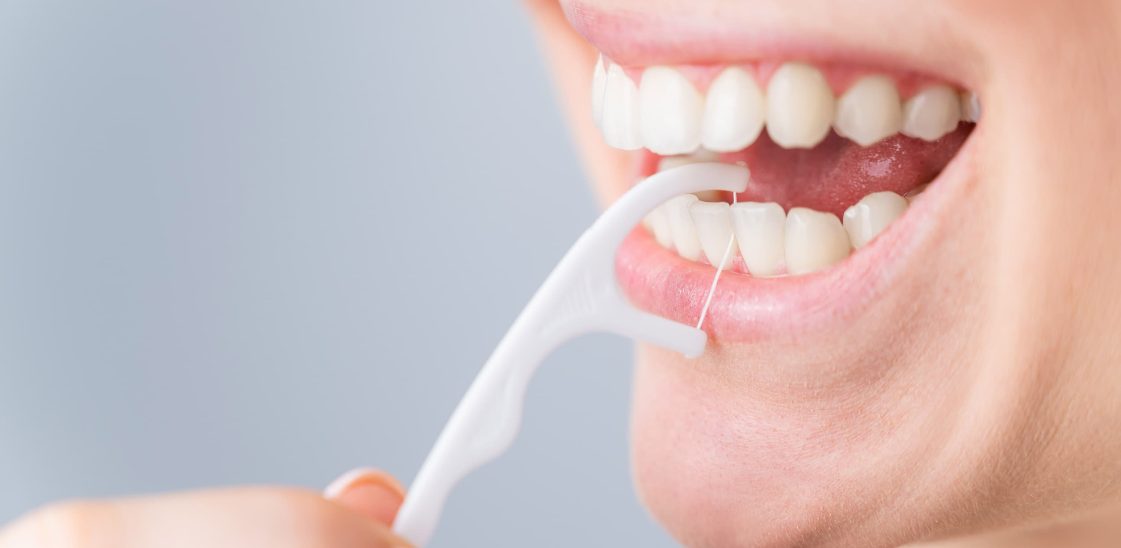
- Manual dexterity Some users find floss picks easier to control, especially when reaching molars.
- Surface preference Ribbon style floss provides a wider contact area, which some find more efficient.
The Future of Dental Floss and Interdental Care
Interest in Dental Floss continues to grow as oral care research explores new materials and technologies. Some companies are experimenting with plant based fibers that offer both strength and flexibility. Others are developing textured surfaces that enhance cleaning without requiring additional pressure. Another growing area is smart hygiene devices. Tools that track brushing or flossing frequency are gaining popularity among users who enjoy data driven routines. While these tools do not replace the tactile benefits of physical floss, they support habit formation. Interdental care is also becoming a bigger part of preventive health conversations. Many people are learning that oral wellness affects more than the mouth alone. As awareness grows, flossing is increasingly seen as a natural part of daily self care rather than a chore. Flossing may seem like a small detail, but the impact of Dental Floss on overall oral cleanliness is significant. It reaches the tight spaces where brushing cannot, disrupts early biofilm before it hardens, and supports a more comfortable daily routine. When combined with brushing, it creates a more complete approach to maintaining clean and fresh interdental surfaces.Get Your Free Consultation
Have questions? Leave your details and we'll get back to you as soon as possible.
Get Free Consultation