

Choosing the right professional for a Dental Implant procedure can feel overwhelming at first. The decision affects not only your smile but also chewing function, jawbone health, and long term oral stability. Because a Dental Implant is both a surgical and prosthetic treatment, success depends heavily on the surgeon’s training, planning skills, and clinical judgment. Knowing what to look for helps you move from uncertainty to confidence and allows you to evaluate options with clarity rather than guesswork.
Why the Right Dental Implant Surgeon Matters for Dental Implant Success
A Dental Implant is not simply a replacement tooth. It is a titanium or ceramic post integrated into bone through a biological process called osseointegration. When this process is stable, the Dental Implant behaves similarly to a natural root. When planning or placement is poor, complications such as infection, mobility, or bone loss may occur. Because of this complexity, the person placing your Dental Implant must understand anatomy, biomechanics, and tissue healing. A well trained Dental Implant surgeon evaluates bone density, gum health, and bite forces before even considering surgery. These factors directly influence long term survival rates. Research literature often shows higher success percentages when procedures are performed by experienced clinicians. While no outcome is guaranteed, selecting a skilled Dental Implant professional improves predictability and reduces avoidable risks.Educational Background and Credentials in Dental Implant Practice
The first step in evaluating a Dental Implant surgeon is reviewing formal education. Dental school alone may not provide extensive implant training. Many specialists complete additional programs in oral surgery, periodontology, or implantology focused on advanced Dental Implant techniques. Look for continuing education courses, certifications, or memberships in professional organizations dedicated to Dental Implant dentistry. These details show commitment to staying updated with evolving research, materials, and protocols. A clinician who regularly attends conferences or publishes work related to Dental Implant therapy often demonstrates both curiosity and accountability. Ongoing learning usually translates into refined surgical skills and safer care.Quick Credential Checklist
| Criteria | Why It Matters |
| Specialty training | Deeper surgical knowledge |
| Implant courses | Updated techniques |
| Professional memberships | Ethical standards |
| Case documentation | Real experience |
Experience Level with Dental Implant Cases and Clinical Volume
Experience is not just about years in practice. It is about how many Dental Implant procedures a surgeon performs and the variety of cases treated. Someone placing implants daily will likely encounter more anatomical differences than someone performing a Dental Implant occasionally. High case volume often improves efficiency and decision making. For example, managing thin bone, sinus proximity, or complex restorations becomes easier with repetition. An experienced Dental Implant professional can anticipate potential challenges before they occur. You may ask about:- Number of Dental Implant placements per year
- Types of cases handled
- Before and after examples
- Long term follow up data
Technology and Planning Tools Used in Dental Implant Treatment
Modern Dental Implant treatment is strongly influenced by digital technology. Advanced imaging like 3D CBCT scans allows surgeons to map bone structure precisely. This reduces guesswork and improves placement accuracy of each Dental Implant. Digital planning software can simulate the final tooth position before surgery. From there, surgical guides help position the Dental Implant at the ideal angle and depth. This process may enhance comfort and reduce tissue trauma. Common tools you may see include:- 3D imaging systems
- Guided surgery kits
- Digital impressions
- CAD CAM restorations
Communication Style and Patient Centered Dental Implant Care
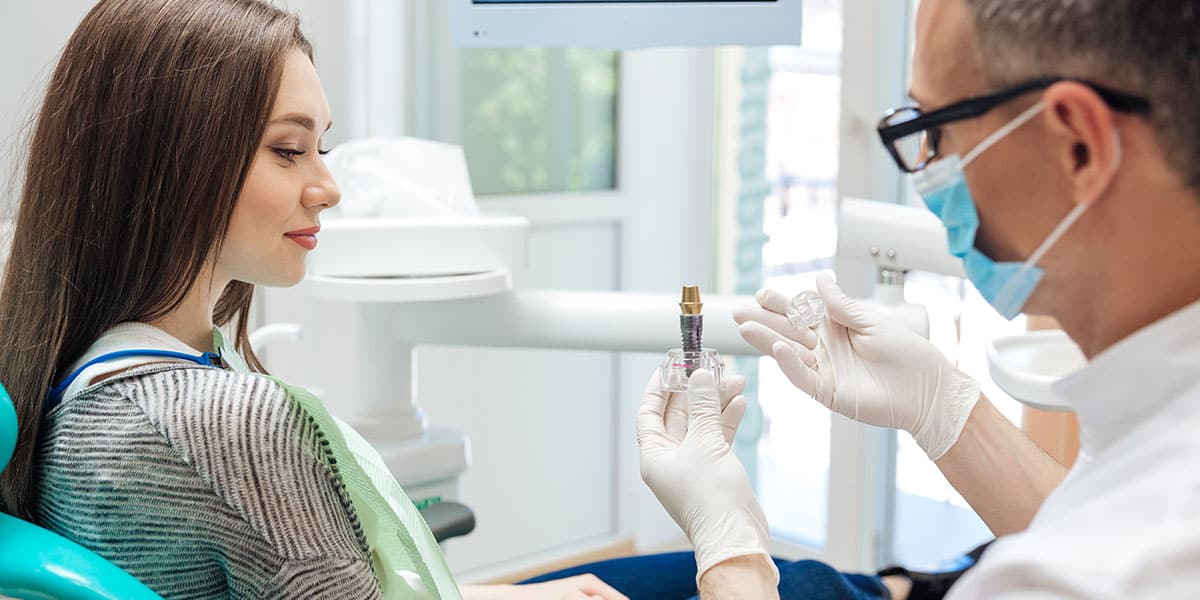
Technical ability is essential, but communication matters just as much. A good Dental Implant surgeon explains the process clearly and listens carefully to your expectations. Treatment should feel collaborative rather than rushed. During consultation, notice whether the clinician discusses alternatives, potential limitations, and realistic timelines for your Dental Implant therapy. Balanced explanations reflect honesty and professionalism. You should feel comfortable asking questions such as:- What materials will be used for my Dental Implant?
- How long is healing expected to take?
- What are possible complications?
Safety Standards, Sterilization, and Risk Management in Dental Implant Surgery
Every Dental Implant procedure involves minor surgery. Therefore, infection control and safety protocols are critical. Clean environments, sterilized instruments, and clear post operative instructions all contribute to better outcomes. A responsible Dental Implant clinic documents medical history, reviews medications, and evaluates systemic health factors before scheduling surgery. Conditions such as diabetes or smoking habits may influence Dental Implant healing, so careful assessment is necessary. Signs of strong safety culture include:- Structured pre operative screening
- Sterile surgical rooms
- Written consent forms
- Follow up monitoring after Dental Implant placement
Materials, Brands, and Long Term Dental Implant Reliability
Not all Dental Implant systems are identical. Reputable brands often have decades of clinical research and global distribution. Choosing a recognized Dental Implant brand can make future maintenance easier because parts remain available. Ask what materials are used. Titanium remains widely studied, while zirconia may be considered for certain esthetic cases. The right Dental Implant choice depends on anatomy, function, and cosmetic goals rather than marketing claims. Surgeons who explain why a particular Dental Implant system is selected demonstrate thoughtful planning rather than routine habits.Real Patient Outcomes and Dental Implant Case Documentation
Clinical photographs, radiographs, and documented follow ups provide practical evidence of a surgeon’s Dental Implant results. These examples show how soft tissues heal and how restorations look over time. When reviewing cases, look for consistency. Successful Dental Implant outcomes typically display stable gums, natural contours, and comfortable chewing function. If a clinic regularly shares long term examples, it suggests confidence in durability. Patient testimonials can add context, but objective records often provide more reliable information about Dental Implant quality.Making Your Final Dental Implant Decision with Confidence
After reviewing credentials, experience, technology, and communication, patterns usually become clear. The right Dental Implant surgeon will combine science with empathy and planning with precision. You should feel informed rather than pressured. Think of the process like building a foundation. A carefully placed Dental Implant can support your smile for many years, while rushed decisions may lead to repeated treatments. Taking time to evaluate options is an investment in long term comfort. At ClinicHI, the goal is not simply placing a Dental Implant but creating stable, functional, and natural looking results. When you choose a knowledgeable Dental Implant professional who values transparency and evidence based care, the journey becomes clearer and more reassuring. Finding the right Dental Implant surgeon involves more than comparing prices or locations. It requires examining education, experience, planning tools, safety standards, and patient communication. Each factor contributes to how well your Dental Implant integrates and performs over time. With thoughtful research and the right questions, you can approach Dental Implant treatment confidently. A skilled clinician supported by modern methods helps transform uncertainty into trust and science into a natural smile.Get Your Free Consultation
Have questions? Leave your details and we'll get back to you as soon as possible.
Get Free Consultation