
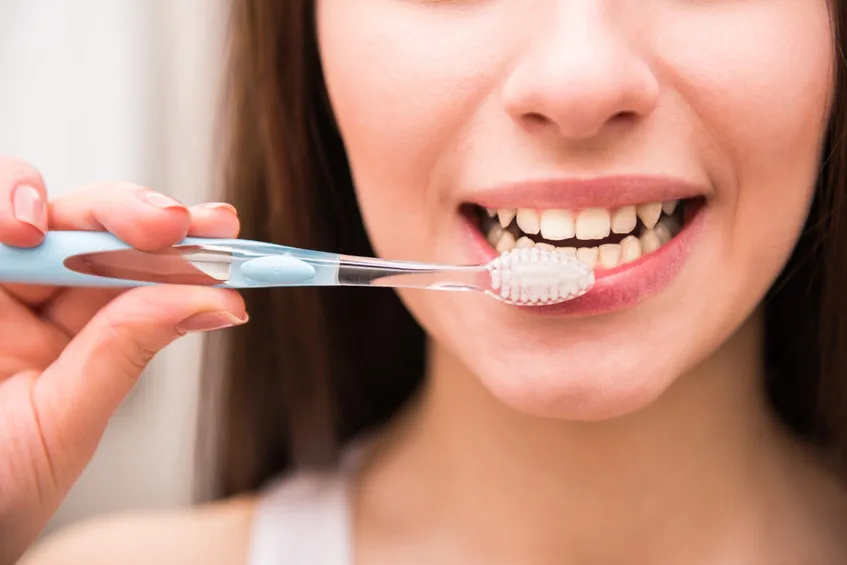
Maintaining oral care is more than just brushing your teeth; it is a combination of habits, knowledge, and small daily rituals that together protect your mouth and overall health. A well-structured oral care routine can prevent common dental issues, enhance your confidence, and improve your overall quality of life. But what does true oral care involve, and how can you incorporate it into your daily life without it feeling like a chore?
Understanding the Foundations of Oral Care
When discussing oral care, most people immediately think of toothbrushes and toothpaste. While these are essential, modern research suggests that effective oral care involves a broader spectrum of practices. Beyond mechanical cleaning, chemical and biological factors play an essential role. For instance, the balance of oral microbiota and saliva production directly affects plaque accumulation and gum health. Interestingly, studies have shown that the timing and technique of brushing matter as much as the frequency. Brushing too aggressively can damage enamel and gums, while neglecting the interdental spaces allows bacteria to flourish. Effective oral care starts with understanding these nuanced factors, emphasizing technique over force. Furthermore, integrating oral care into daily routines creates long-term habits rather than temporary fixes. A scientific perspective shows that consistent, moderate care is far more beneficial than occasional intense cleaning. Small adjustments, like choosing the right toothbrush type, can influence oral health outcomes dramatically over time.The Role of Diet in Oral Care
Diet plays an often-underestimated role in oral care. Foods high in sugars and starches feed bacteria that produce acids, which can erode enamel and contribute to cavities. However, nutrition isn’t just about avoiding harmful foods; it’s also about promoting protective elements. For example, foods rich in calcium, phosphorus, and certain vitamins help maintain enamel strength and gum health. A practical approach to oral care involves balancing indulgence and protection. Crunchy fruits and vegetables like apples and carrots can mechanically clean teeth surfaces, while dairy products support mineral retention. Researchers also note that timing of food intake matters frequent snacking increases acid exposure, making oral care practices post-meal essential for maintaining a healthy oral environment. Hydration is another often-overlooked aspect. Saliva naturally neutralizes acids and washes away debris, so maintaining adequate water intake is a critical, yet simple, element of comprehensive oral care.Daily Practices to Enhance Oral Care
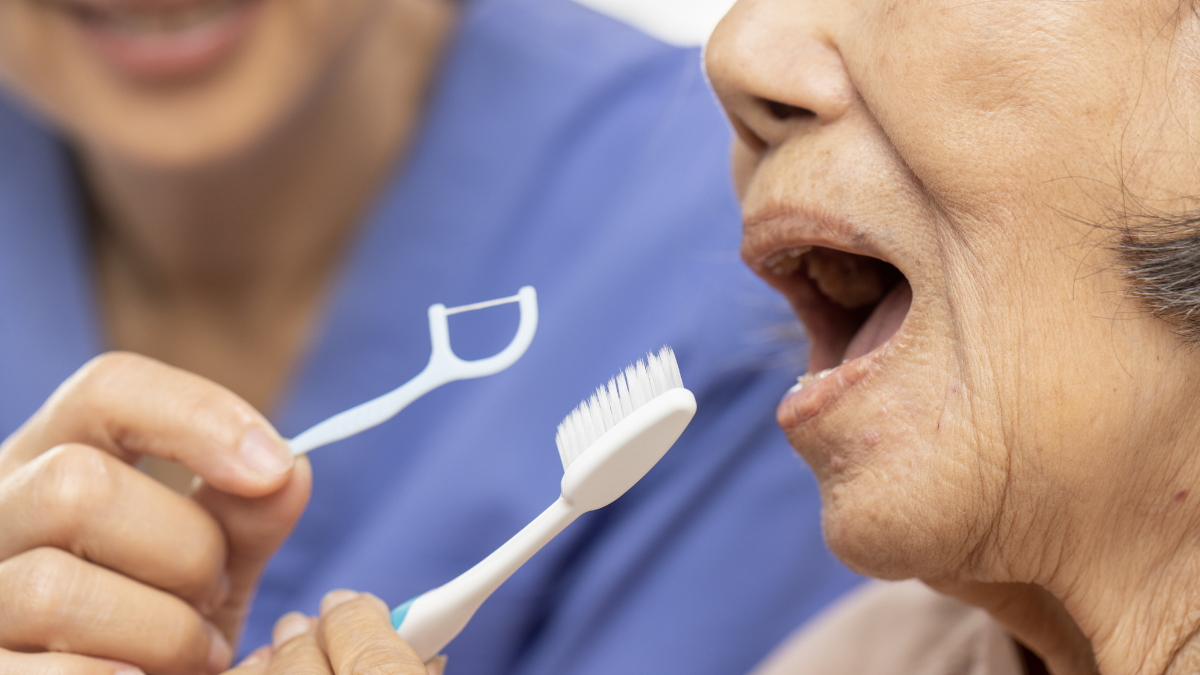
A consistent routine is the backbone of effective oral care. While brushing twice a day is widely recommended, the quality and method of brushing make a significant difference. Using circular motions and reaching all tooth surfaces ensures that plaque is removed efficiently. Equally important is choosing the right toothbrush soft-bristled brushes are often better for protecting enamel and gums. Flossing, though often overlooked, is a crucial complement to brushing. Many studies emphasize that mechanical cleaning alone cannot remove interdental plaque, making flossing a vital step in comprehensive oral care. Beyond brushing and flossing, mouth rinses can target bacteria and neutralize acids, further supporting oral health. An interesting observation from recent research shows that personalizing your oral care routine such as adjusting brushing techniques based on dental anatomy or using interdental brushes can optimize outcomes. A one-size-fits-all approach may not address unique oral conditions, highlighting the value of understanding your mouth’s specific needs.The Science Behind Oral Care Products
Not all toothpaste, mouthwash, or dental tools are created equal. Scientific studies suggest that fluoride-containing toothpaste can significantly enhance enamel resistance, while certain antibacterial rinses target harmful bacteria effectively. Selecting products for oral care requires an understanding of ingredients and their mechanisms. For example, some toothpaste contains desensitizing agents for sensitive teeth, while others focus on whitening. Similarly, mouth rinses may be alcohol-based or alcohol-free, each offering different effects on oral tissues and microbiota. Experts argue that proper selection and combination of these products can transform daily oral care from a routine task into a preventive strategy. Additionally, technological innovations such as electric toothbrushes and smart oral hygiene devices have shown measurable improvements in plaque removal and gum health. These innovations, supported by clinical research, provide a scientific foundation for modern oral care practices, blending convenience with effectiveness.Advanced Techniques in Oral Care
For those looking to elevate their oral care routine, exploring advanced techniques can be insightful. Tools like interdental brushes, water flossers, and tongue scrapers offer targeted cleaning that traditional brushing may miss. Clinical studies suggest that integrating these tools can reduce plaque accumulation and promote healthier gums. Moreover, understanding the timing of oral care actions enhances effectiveness. For instance, rinsing or brushing after meals particularly after consuming acidic foods can minimize enamel erosion. Similarly, some research indicates that using fluoride treatments periodically can reinforce enamel strength and provide an extra layer of protection. Even habits outside the mouth influence oral health. Practices like proper hydration, avoiding prolonged sugar exposure, and managing stress can indirectly affect gum condition and bacterial balance. A holistic approach to oral care recognizes these external factors and adapts routines accordingly.Monitoring and Maintaining Long-Term Oral Care
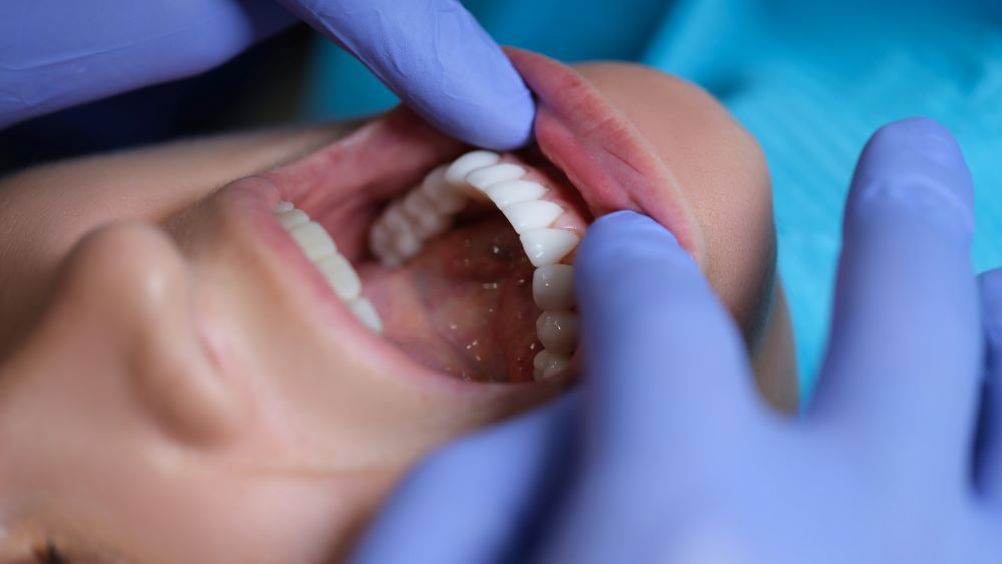
Sustainable oral care is not just about immediate cleaning but long-term monitoring. Regular dental check-ups, coupled with personal observations, help detect changes early, ensuring issues are addressed before they escalate. While routine visits are essential, day-to-day monitoring like noticing unusual discoloration, sensitivity, or gum irritation provides valuable insights. Tracking oral care effectiveness can also be supported by digital tools. Mobile apps and smart toothbrushes now provide feedback on brushing duration, coverage, and pressure, promoting consistent habits. Additionally, documenting diet, hydration, and oral product usage can create a comprehensive picture, allowing informed adjustments that enhance oral health outcomes.How Lifestyle Choices Influence Oral Care Beyond Brushing and Flossing
Oral care is deeply affected by daily habits that extend far beyond brushing and flossing. Research indicates that lifestyle factors such as sleep quality, stress levels, and even posture can influence oral health. Chronic stress, for example, increases cortisol levels, which may lead to gum inflammation and higher susceptibility to oral infections. Similarly, irregular sleep patterns can reduce saliva production, compromising its natural protective function in neutralizing acids and washing away food debris. Nutrition habits also play a major role in shaping oral health. While we often focus on sugar intake, deficiencies in vitamins and minerals like vitamin D, calcium, and magnesium can weaken teeth and gums over time. Moreover, frequent consumption of highly acidic beverages such as soda or citrus juices can accelerate enamel erosion, making oral care practices even more crucial. Even seemingly unrelated habits, like smoking or excessive alcohol consumption, have long-term effects on oral health. Tobacco use contributes to gum disease, tooth discoloration, and delayed healing after dental procedures, while alcohol can dry out the mouth and disrupt microbial balance. A holistic approach to oral care therefore involves evaluating these lifestyle factors alongside traditional cleaning practices to maintain a healthy and resilient mouth.The Hidden Role of Microbiome Balance in Effective Oral Care
The oral cavity is home to a complex ecosystem of bacteria, fungi, and viruses collectively known as the oral microbiome. Maintaining a balanced microbiome is a critical, yet often overlooked, aspect of oral care. Disruptions in this ecosystem caused by poor diet, overuse of antibacterial products, or stress can lead to increased plaque formation, gum inflammation, and even systemic health issues. Scientific studies now highlight the importance of probiotic approaches for oral care. Certain strains of beneficial bacteria help inhibit harmful bacteria, reduce inflammation, and support gum health. Incorporating foods rich in natural probiotics, like yogurt or fermented vegetables, or using microbiome-friendly oral care products, can optimize this delicate balance. Additionally, understanding microbiome interactions allows for more personalized oral care strategies. For instance, individuals prone to cavities may benefit from interventions targeting specific bacterial strains, while those with gum sensitivity might focus on reducing inflammatory triggers. Recognizing that oral health is not just about teeth, but a thriving microbial community, offers a deeper perspective on effective care.Common Mistakes People Make in Oral Care and How to Avoid Them
Even with a solid routine, small mistakes in oral care can have cumulative negative effects. One of the most common errors is brushing too aggressively. While it might feel like more force equals better cleaning, excessive pressure can wear down enamel, irritate gums, and even cause recession over time. Similarly, neglecting interdental cleaning allows plaque to accumulate in spaces that toothbrushes cannot reach. Another frequent mistake is inconsistent or incorrect use of oral care products. Using toothpaste that doesn’t suit your dental needs, skipping fluoride treatments, or misunderstanding mouthwash instructions can limit their effectiveness. Research also shows that many people rinse immediately after brushing, which can wash away protective fluoride before it has time to strengthen enamel. Finally, over-reliance on technology without proper technique can backfire. Electric toothbrushes and smart devices are powerful tools, but they are most effective when combined with correct usage patterns. Education, awareness, and mindful adjustments are key to avoiding these pitfalls. By addressing these common errors, individuals can elevate their oral care routines from basic hygiene to a comprehensive, preventive strategy.
Bringing It All Together: Oral Care Insights
Effective oral care is a multifaceted practice that blends science, routine, and lifestyle choices. From understanding foundational principles and the role of diet to exploring advanced techniques and personalized monitoring, every aspect contributes to healthier teeth and gums. Integrating research-backed habits, high-quality products, and mindful routines transforms daily oral care from a mundane task into a proactive strategy for oral well-being. By prioritizing both consistency and quality, individuals can enjoy not only healthier teeth but also the confidence and vitality that come with a well-maintained mouth. The journey of oral care is continuous, evolving with new insights and innovations, and remains one of the simplest yet most impactful ways to support overall health.Get Your Free Consultation
Have questions? Leave your details and we'll get back to you as soon as possible.
Get Free Consultation