
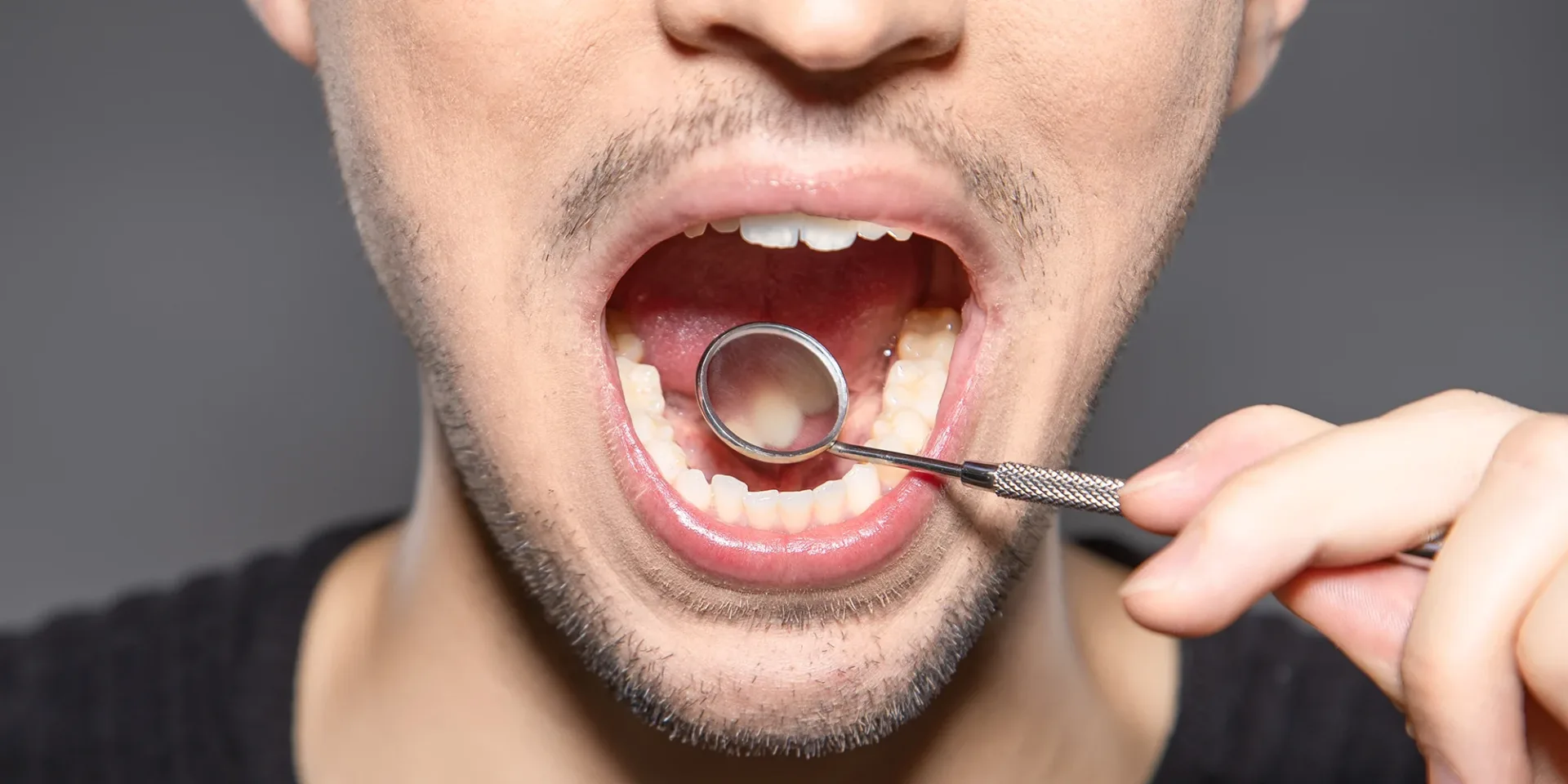
Experiencing a dry mouth can feel like your oral environment has suddenly turned into a desert. This common condition, medically known as xerostomia, affects millions worldwide and can have a significant impact on your dental health. Understanding the causes, consequences, and strategies to manage dry mouth is essential not just for comfort but also for maintaining strong and healthy teeth. Let’s dive into the fascinating interplay between saliva, oral hygiene, and overall well-being.
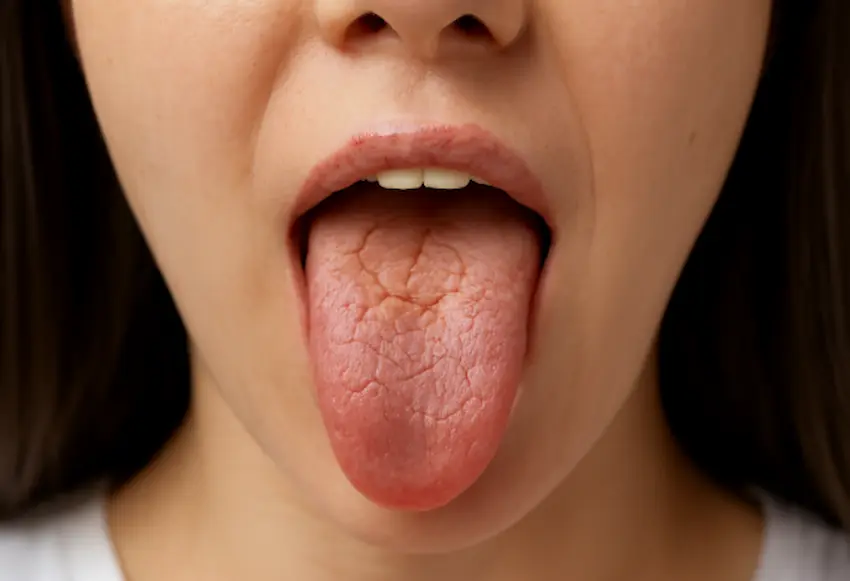
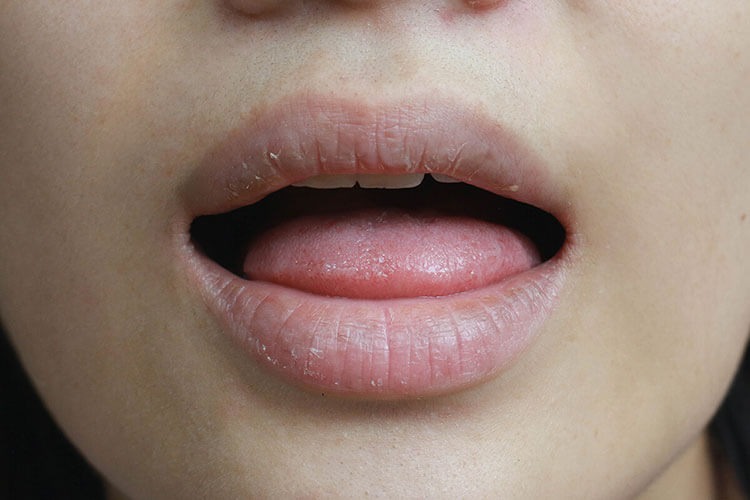
What Causes a Dry Mouth?
A dry mouth can emerge from a variety of factors. Medications are among the most common triggers; over 500 prescription drugs list dry mouth as a side effect. These include antihistamines, blood pressure medications, and certain antidepressants. Beyond pharmaceuticals, lifestyle choices such as smoking, excessive caffeine consumption, and dehydration can exacerbate the feeling of oral dryness. Medical conditions like diabetes, autoimmune disorders, and sleep apnea are also linked to dry mouth. Interestingly, stress and anxiety can temporarily reduce saliva production, creating an acute sensation of dryness. Saliva is not merely a comfort factor; it plays a crucial role in neutralizing acids, preventing tooth decay, and supporting the initial stages of digestion. Without sufficient saliva, the protective balance in your mouth shifts, making teeth more vulnerable.The Role of Saliva in Oral Health
Saliva is often underestimated, yet it’s a remarkable biological fluid. It contains enzymes, antimicrobial proteins, and minerals such as calcium and phosphate that are essential for maintaining tooth enamel integrity. When you experience dry mouth, the reduction of saliva leads to a higher risk of cavities, gum disease, and enamel erosion. Researchers have found that people with chronic xerostomia tend to have higher plaque levels and more frequent dental infections. This is because saliva naturally washes away food particles and neutralizes acids produced by bacteria. Without this protective mechanism, teeth endure prolonged exposure to harmful substances, accelerating wear and sensitivity. Understanding the science behind saliva underscores why managing dry mouth is not just about comfort it is a preventive strategy for long-term dental health.Common Symptoms Linked to Dry Mouth
Recognizing a dry mouth is the first step toward addressing it. Symptoms may include:- Persistent dryness or a sticky feeling in the mouth
- Difficulty swallowing or speaking
- Altered taste perception
- Burning or soreness in the oral cavity
Dietary Implications of Dry Mouth
A dry mouth can subtly influence eating habits. Foods high in sugar and acid can be particularly damaging when saliva is insufficient. Without the natural buffering action of saliva, enamel demineralization accelerates, leading to an increased risk of cavities and tooth sensitivity. Conversely, incorporating foods that stimulate saliva production, like crunchy vegetables, citrus fruits, and sugar-free chewing gum, can be beneficial. Hydration also plays a critical role; sipping water regularly helps maintain oral moisture. Researchers emphasize that small, consistent adjustments in diet and hydration can make a measurable difference for individuals with dry mouth.How Dry Mouth Affects Teeth Over Time
Over time, chronic dry mouth can have profound effects on dental health. One of the most concerning consequences is enamel erosion, which weakens teeth and makes them more susceptible to decay. Reduced saliva flow also impairs the mouth’s ability to repair itself naturally, increasing the likelihood of cavities, gum disease, and sensitivity. Dental professionals often observe that patients with persistent xerostomia exhibit more pronounced plaque accumulation and gingival inflammation. Interestingly, studies suggest that the composition of oral bacteria shifts in dry environments, favoring acid-producing strains that further endanger teeth. These cumulative effects highlight why proactive management of dry mouth is crucial.
Strategies to Manage Dry Mouth
Addressing dry mouth effectively involves a multifaceted approach. While medical consultation is essential, several lifestyle and oral care strategies can help mitigate its effects:- Hydration: Drink water consistently throughout the day.
- Saliva Stimulation: Chewing sugar-free gum or using lozenges can enhance saliva production.
- Dietary Adjustments: Limit sugary and acidic foods; incorporate crunchy fruits and vegetables.
- Oral Hygiene: Regular brushing with fluoride toothpaste and flossing can prevent decay.
- Humid Environment: Using a room humidifier, especially during sleep, can reduce dryness.
Innovative Research and Treatments for Dry Mouth
Emerging studies are exploring advanced treatments for dry mouth. Researchers are investigating gene therapy, regenerative salivary gland techniques, and novel pharmacological agents designed to stimulate saliva production. Additionally, low-level laser therapy has shown promise in enhancing gland function in preliminary studies. Dental materials are also adapting. Fluoride varnishes, high-fluoride toothpastes, and moisture-retaining gels can protect teeth in patients with chronic xerostomia. This evolving landscape demonstrates that dry mouth management is not static; ongoing innovation continues to provide hope for patients seeking effective interventions.Embracing Awareness and Prevention
Understanding the implications of a dry mouth is essential for preserving dental health. Beyond the discomfort, it can accelerate tooth decay, enamel erosion, and gum disease if left unaddressed. By recognizing symptoms, adjusting lifestyle habits, and exploring both traditional and emerging treatment options, individuals can significantly mitigate the oral risks associated with xerostomia. While the sensation of dryness may feel inconvenient, it is also a powerful signal from the body that attention is needed. Staying informed, proactive, and attentive to oral health can transform dry mouth from a silent threat into a manageable condition, keeping teeth stronger and smiles brighter over the long term.Get Your Free Consultation
Have questions? Leave your details and we'll get back to you as soon as possible.
Get Free Consultation