
Achieving and maintaining a radiant, healthy smile is a universal goal. The foundation of that goal is surprisingly simple: learning how to clean teeth effectively. It’s a skill that goes far beyond a quick morning brush.
Proper dental hygiene is your first line of defense against a host of oral health issues and is intrinsically linked to your overall well-being. At ClinicHI, we believe that an informed patient is a healthy patient. This guide will walk you through everything you need to know, from mastering your daily routine to tackling specific challenges.
The Fundamentals of How to Clean Teeth at Home
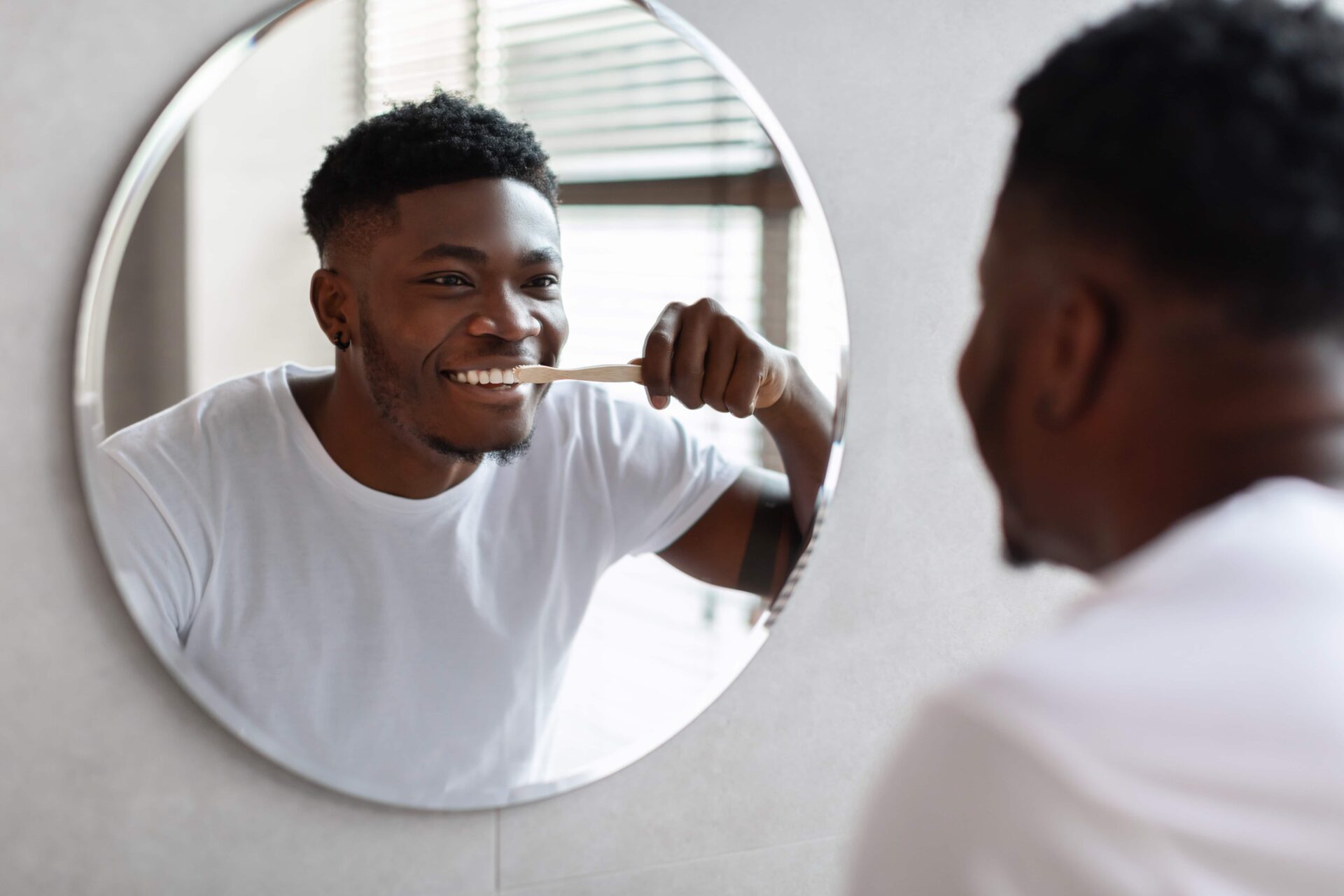
The cornerstone of excellent oral health is a consistent and correct daily routine. This is your frontline battle against plaque—the sticky, colorless film of bacteria that constantly forms on your teeth. When you clean teeth properly at home, you're actively preventing plaque from becoming tartar. Your daily regimen starts with the right tools. Equipping yourself properly makes all the difference. Your Essential At-Home Toolkit:- A Soft-Bristled Toothbrush: This is essential to avoid damaging your enamel and gums. Remember to replace it every three to four months.
- Fluoride Toothpaste: This is your best ally, helping to remineralize enamel and make your teeth more resistant to decay.
- Dental Floss: Crucial for cleaning the tight spaces between teeth where your brush can't reach.
- Angle is Everything: Position your toothbrush at a 45-degree angle to the gums to clean where the tooth and gumline meet.
- Gentle, Short Strokes: Use gentle, short, circular, or back-and-forth strokes to clean all surfaces of your teeth.
- Be Thorough: Spend at least two minutes brushing. Divide your mouth into four quadrants and spend 30 seconds on each.
- Don't Forget Your Tongue: Gently brush your tongue to remove bacteria and freshen your breath.
Advanced Techniques for How to Clean Your Teeth Like a Hygienist
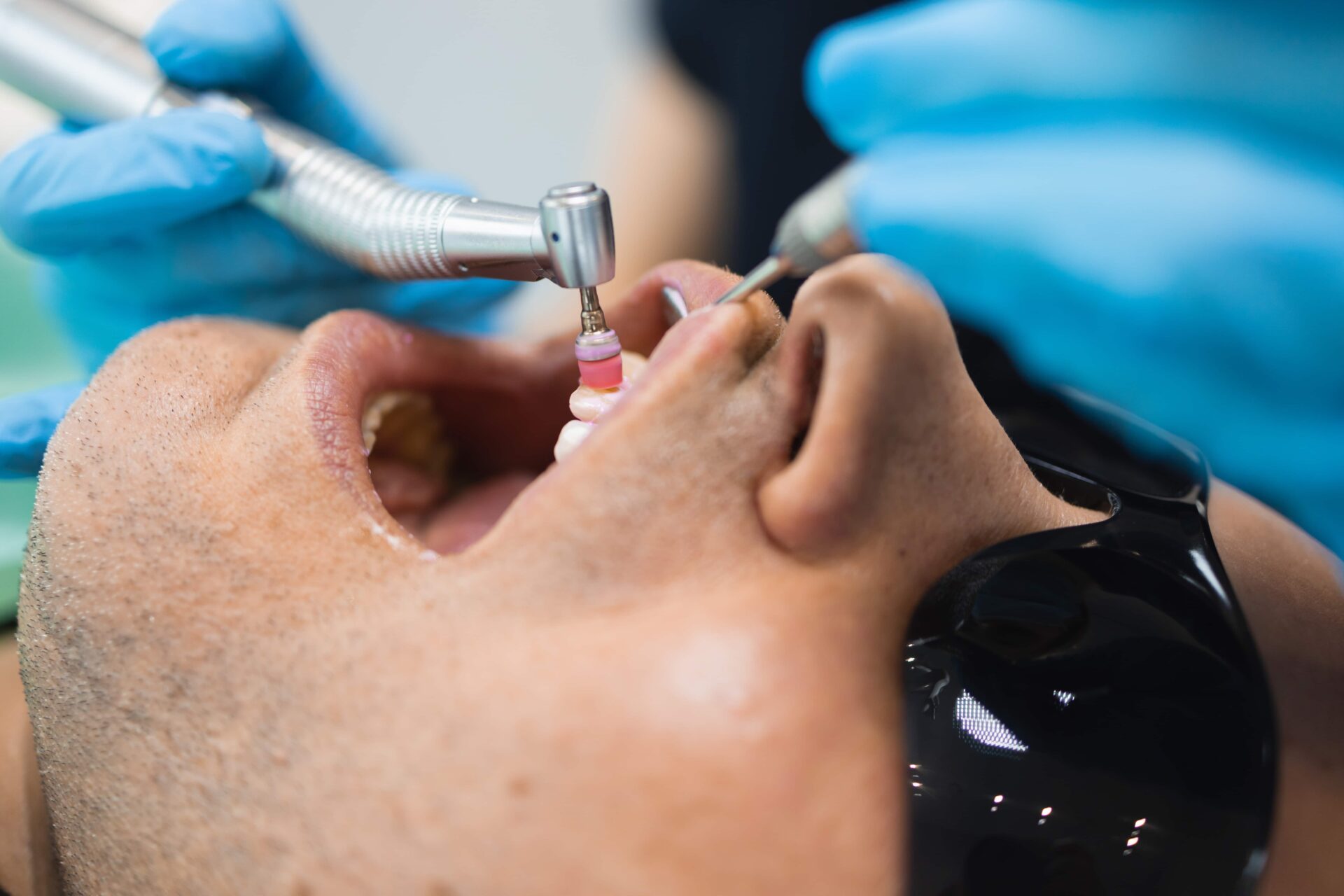
While your at-home routine is vital, some tasks require a professional. This is especially true when dealing with tartar, also known as calculus. Many wonder how to clean tartar off your teeth, and it's crucial to understand the difference between plaque and tartar. Plaque is soft and can be brushed away. If plaque is not removed, it hardens into tartar within 24-48 hours. This calcified deposit cannot be brushed or flossed away at home. Many people search for how to remove hardened plaque from teeth at home, but this is extremely dangerous. Attempting to scrape tartar off yourself can easily scratch your tooth enamel or damage your gums. The safe removal of calculus requires the specialized tools and expertise of a dental hygienist to clean tartar from teeth without causing harm. This is a key part of maintaining excellent dental hygiene. Instead of risky DIY removal, focus on prevention. How to Prevent Tartar Buildup:- Be Diligent: Never skip brushing or flossing. Consistency is key.
- Use a Tartar-Control Toothpaste: These products contain ingredients that help prevent plaque from hardening.
- Rinse with an Antiseptic Mouthwash: This can help reduce the bacteria that form plaque.
- Schedule Regular Professional Cleanings: This is the only guaranteed way to remove tartar and professionally clean your teeth.
Specialized Methods to Clean Teeth with Braces or Retainers
Orthodontic appliances like braces introduce new challenges. The brackets and wires create countless tiny spaces for food and plaque to hide, making it more difficult to clean your teeth. Knowing how to clean your teeth with braces is a top priority from day one. To succeed, you'll need to upgrade your oral hygiene toolkit. Essential Tools for Cleaning with Braces:- Water Flossers: Excellent for dislodging food particles from around brackets.
- Interdental Brushes: Small, cone-shaped brushes perfect for cleaning between the wire and the tooth.
- Floss Threaders: Helps guide floss under the archwire to clean between your teeth.
- Clean Daily: Gently brush your removable retainer with a soft toothbrush and non-abrasive cleanser.
- Floss Carefully: If you have a permanent retainer, use a floss threader to clean underneath the wire.
Understanding What It Takes to Professionally Clean Teeth: The Role of Dental Hygiene
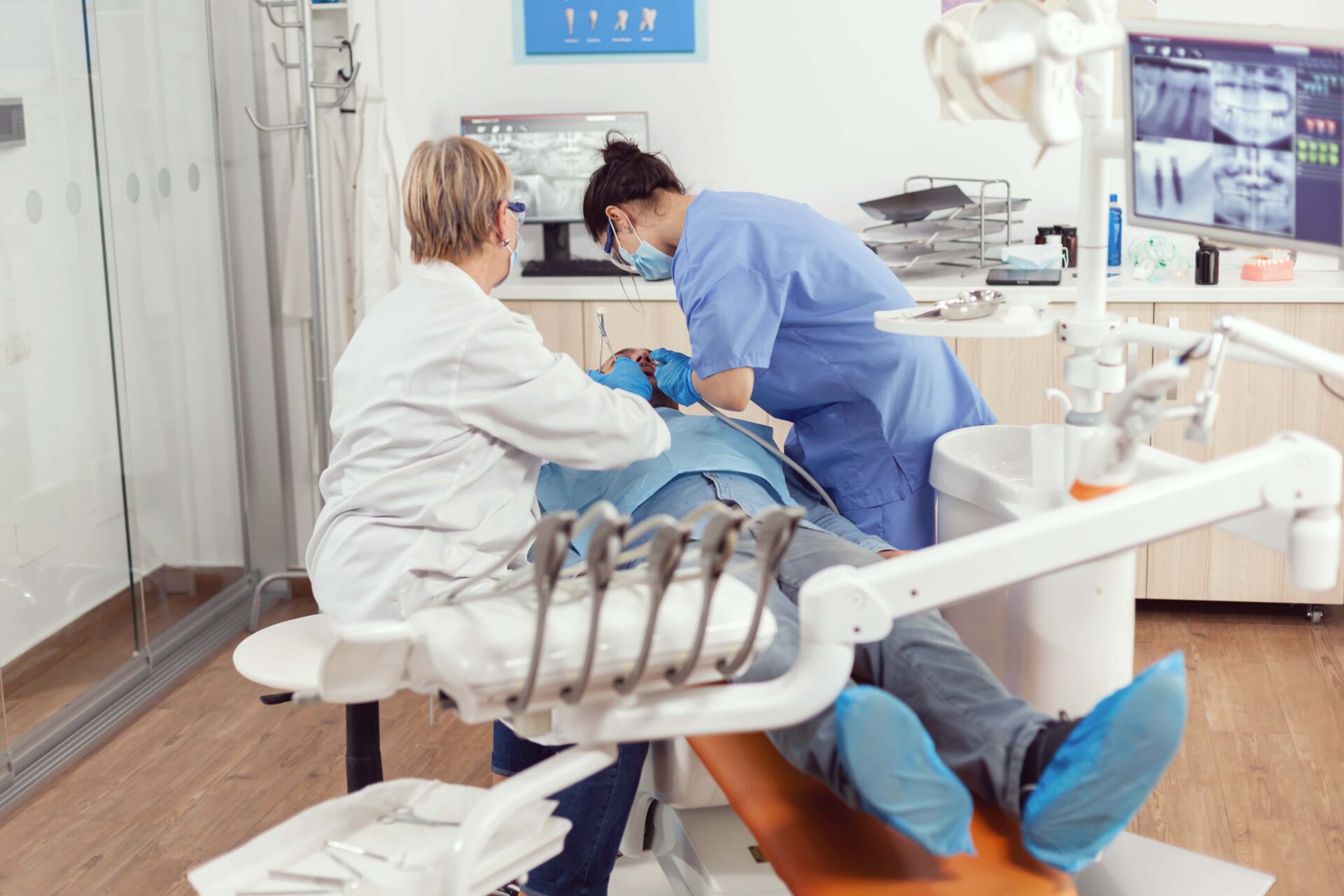
The term dental hygiene refers not only to the practice of keeping the mouth healthy but also to a vital healthcare profession. A registered dental hygienist is a licensed professional with extensive training in preventive oral care. Hygienists are the experts who perform a range of crucial services. Key Responsibilities of a Dental Hygienist:- Performing professional dental cleanings (scaling and polishing).
- Screening for oral diseases, including gum disease and cancer.
- Taking and developing dental X-rays.
- Educating patients on proper at-home care techniques.
Exploring Beyond the Basics: How to Deep Clean Your Teeth
Sometimes, a standard professional cleaning isn't enough. This is where a "deep cleaning," or scaling and root planing, comes in. This procedure is designed to deep clean your teeth by removing plaque and tartar from below the gumline and smoothing the tooth roots to help gums reattach. Once your oral health is on a solid foundation, you might consider aesthetic enhancements. A popular treatment for a stunning, celebrity-worthy result is the Hollywood Smile. For correcting specific imperfections like the shape, size, or color of individual teeth, a Smile Makeover can offer a transformative experience, often using advanced materials to create a beautiful, harmonious smile.A Note on Our Furry Friends: How to Clean Your Dog's Teeth
Your commitment to good hygiene can extend to your furry family members too! Knowing how to clean your dog's teeth is an important part of responsible pet ownership, as tartar buildup can lead to serious health issues for them. Caring for your dog’s oral health is straightforward. Tips for Your Dog's Dental Health:- Use Dog-Specific Toothpaste: Human toothpaste is toxic to dogs.
- Brush Gently: Use a soft-bristled finger brush or pet toothbrush.
- Provide Dental Chews: These can help reduce plaque buildup between brushings.
- Schedule Vet Check-ups: Regular checks are essential to monitor their oral health.
Get Your Free Consultation
Have questions? Leave your details and we'll get back to you as soon as possible.
Get Free Consultation